Photographer
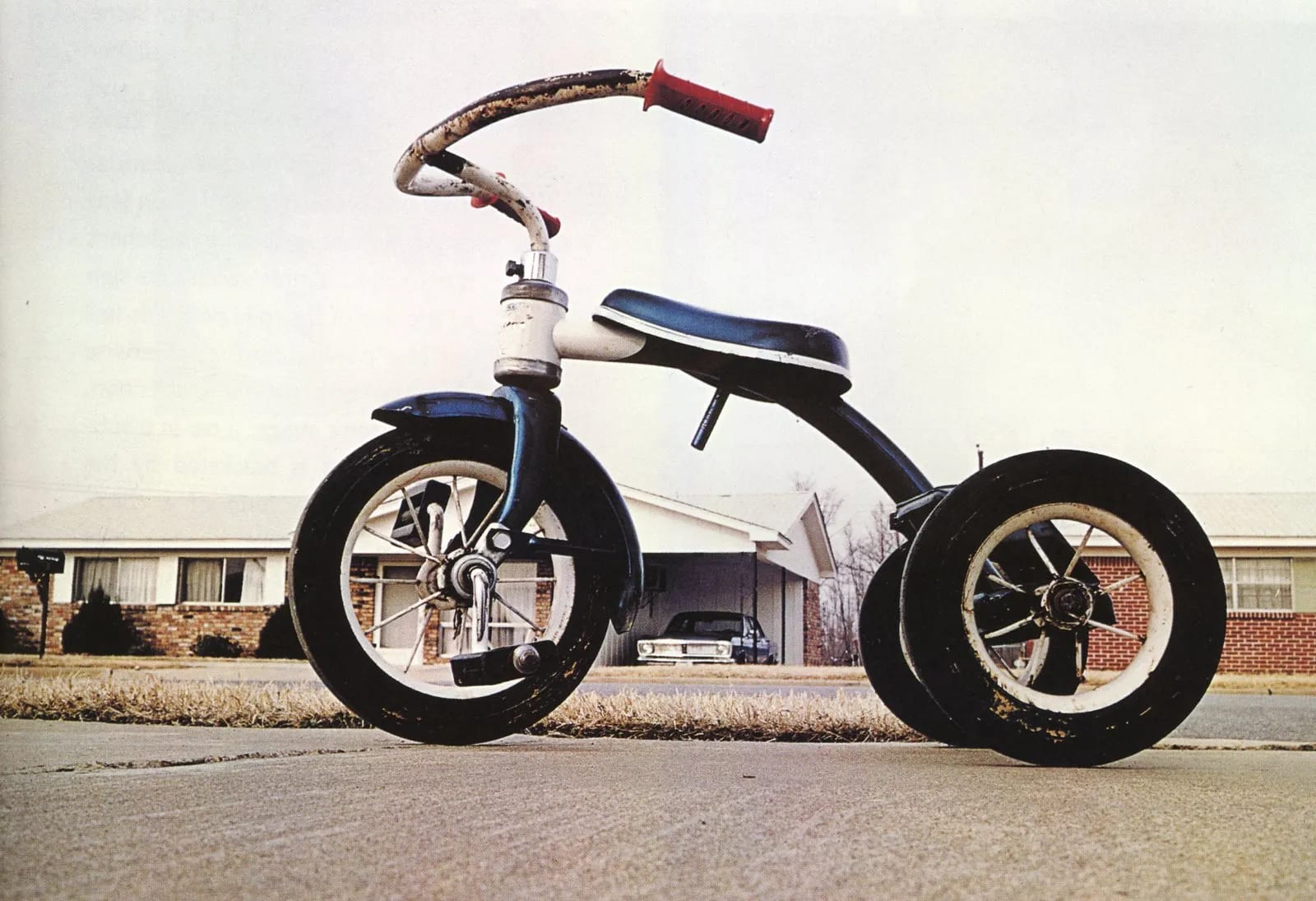
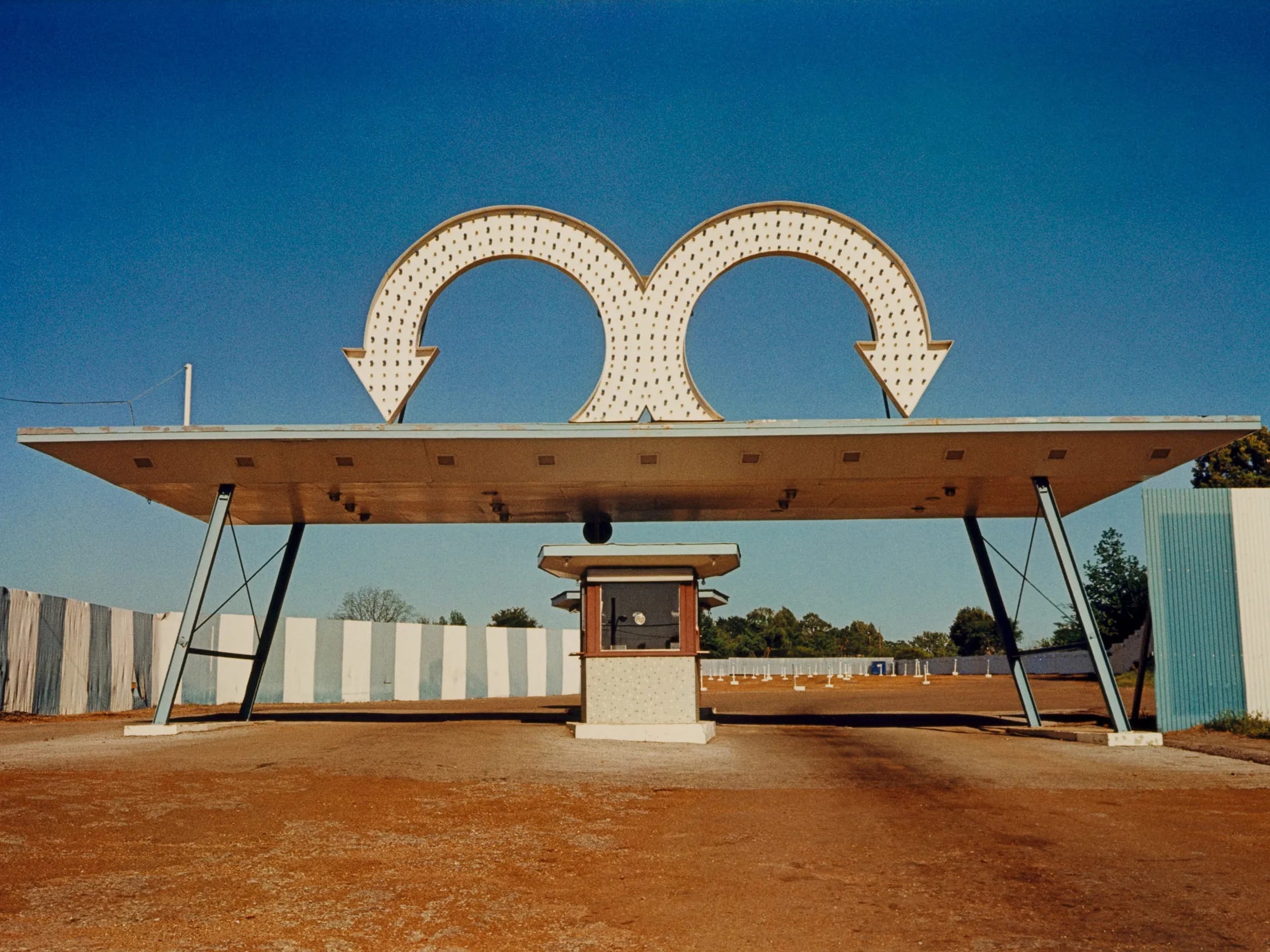
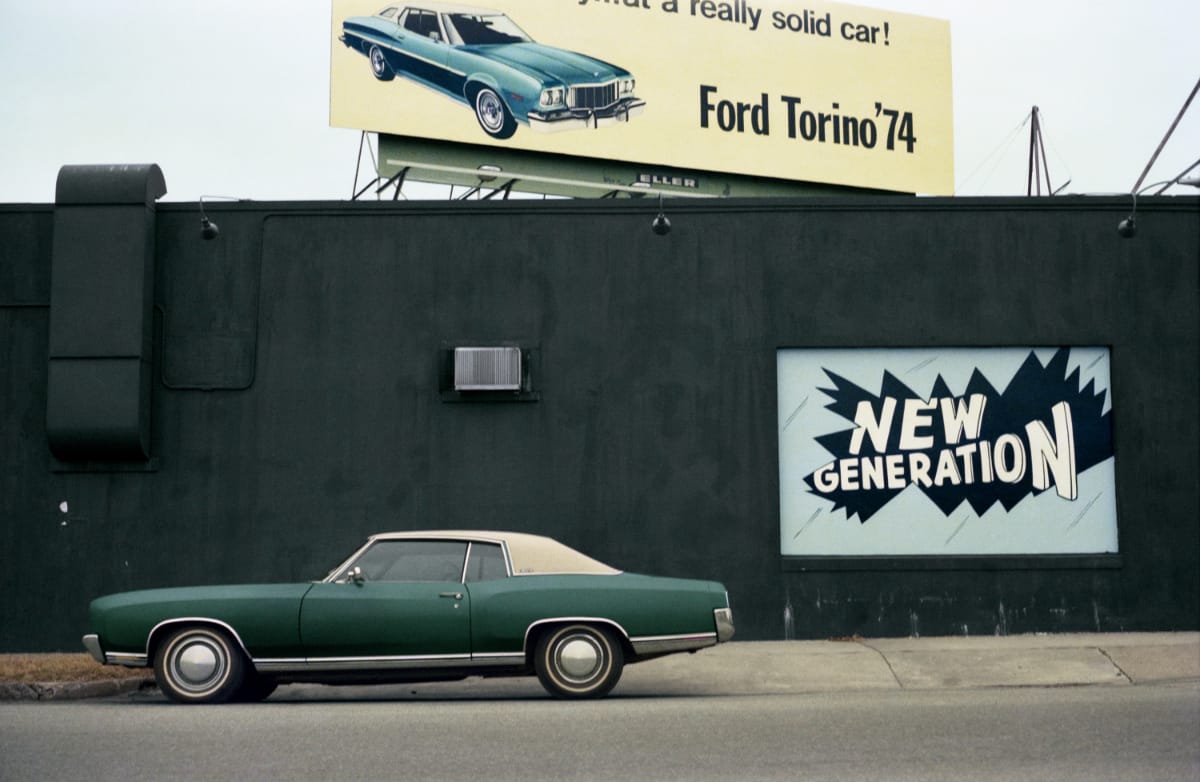
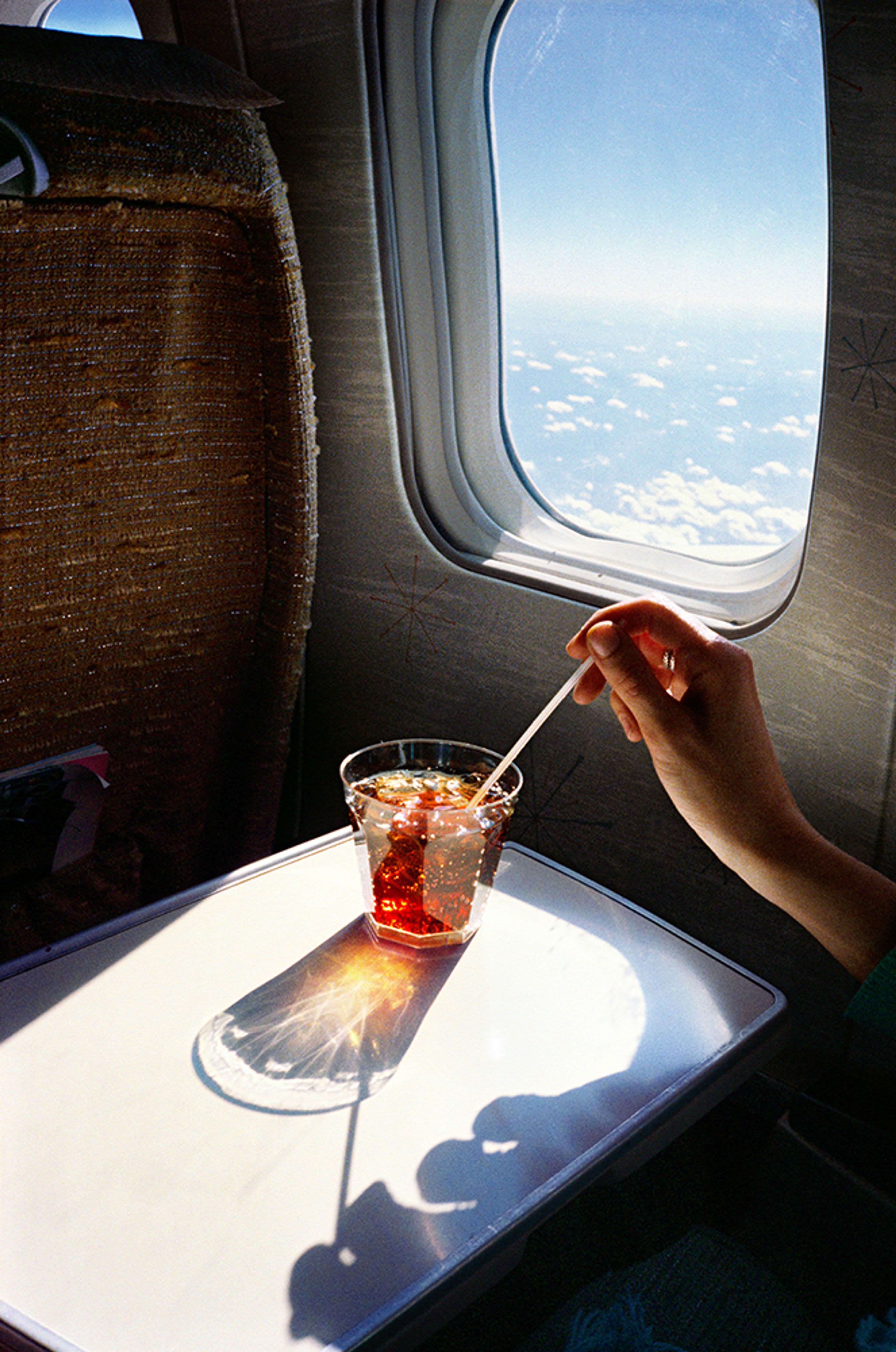
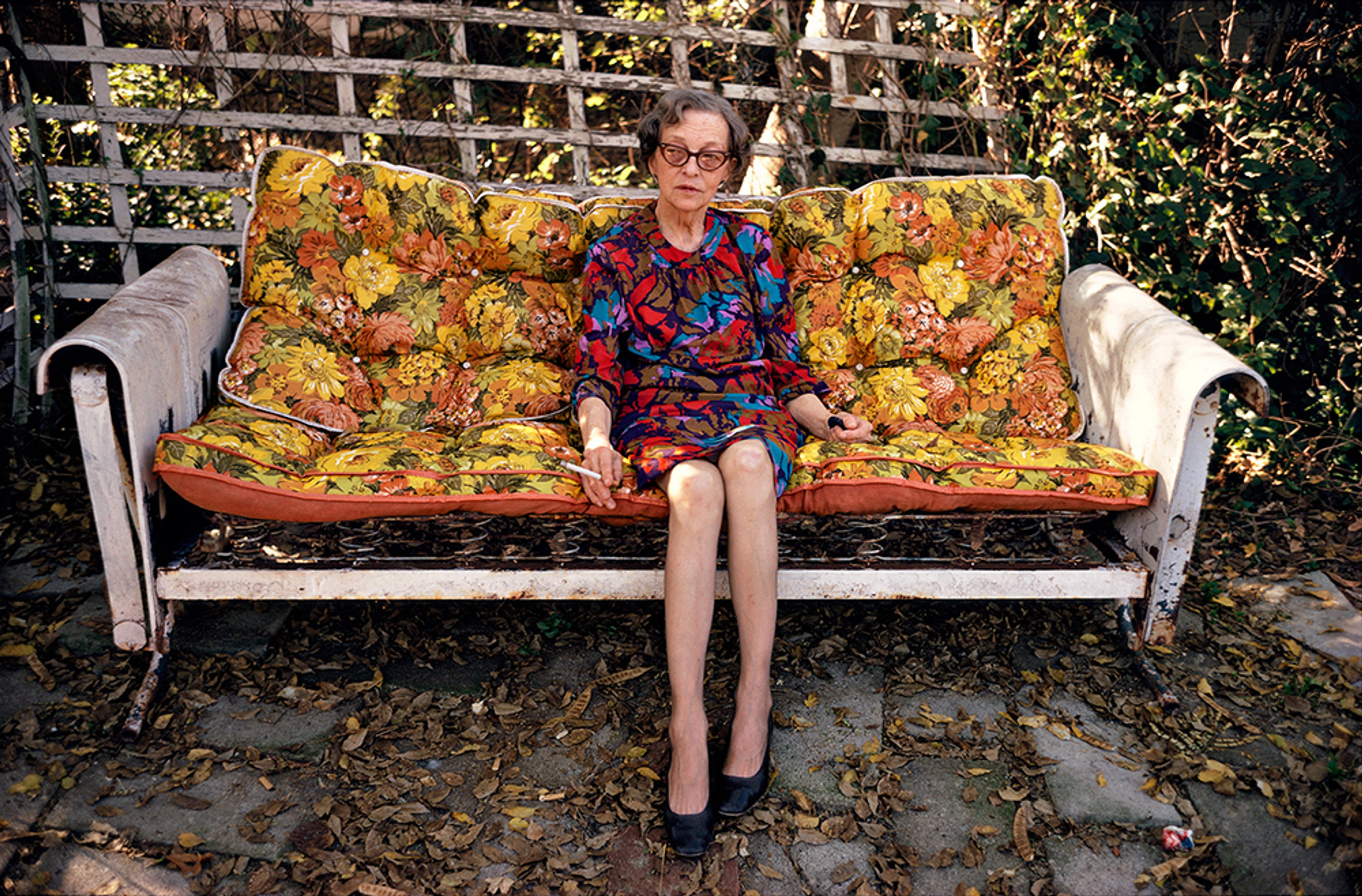
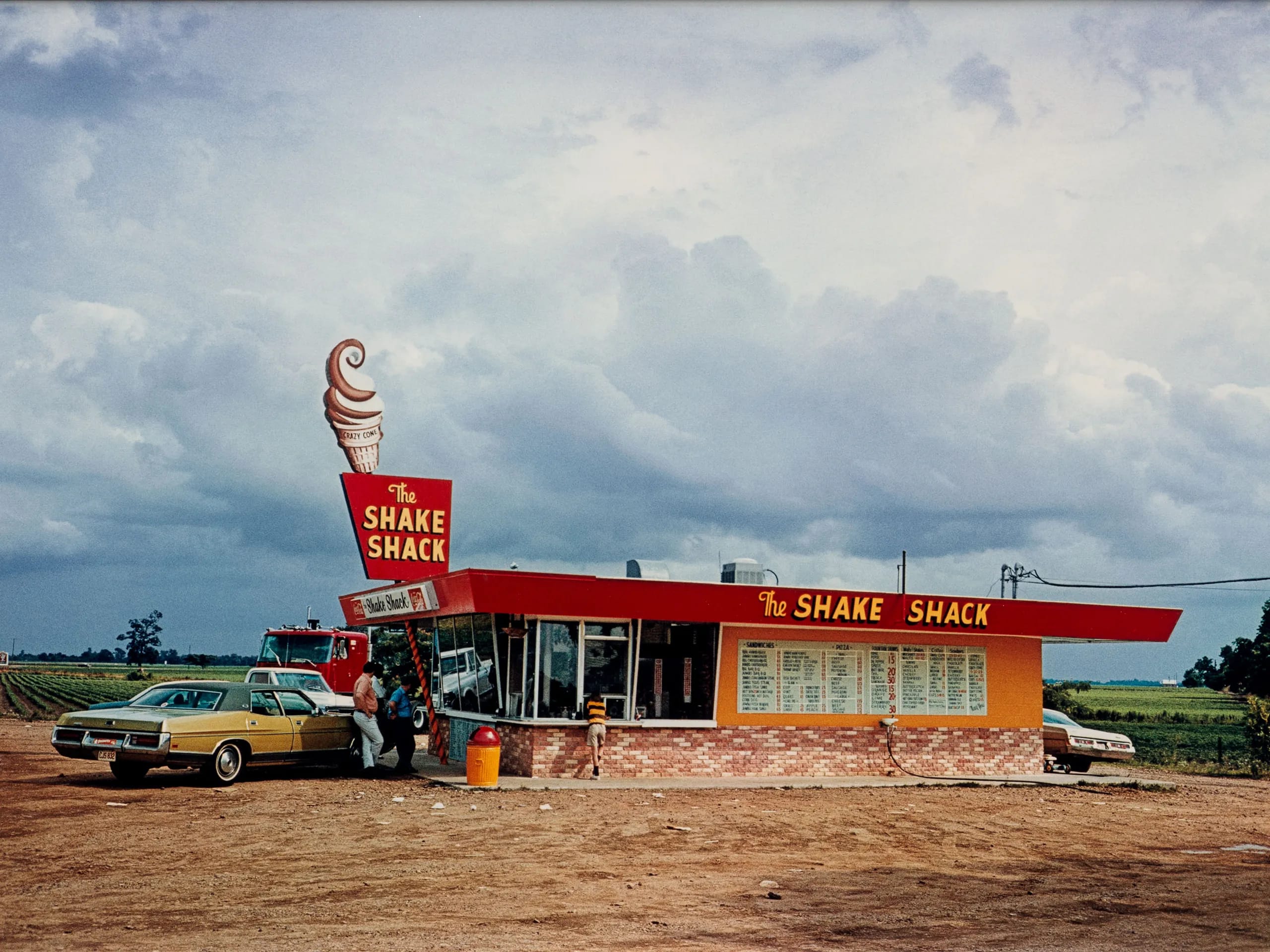
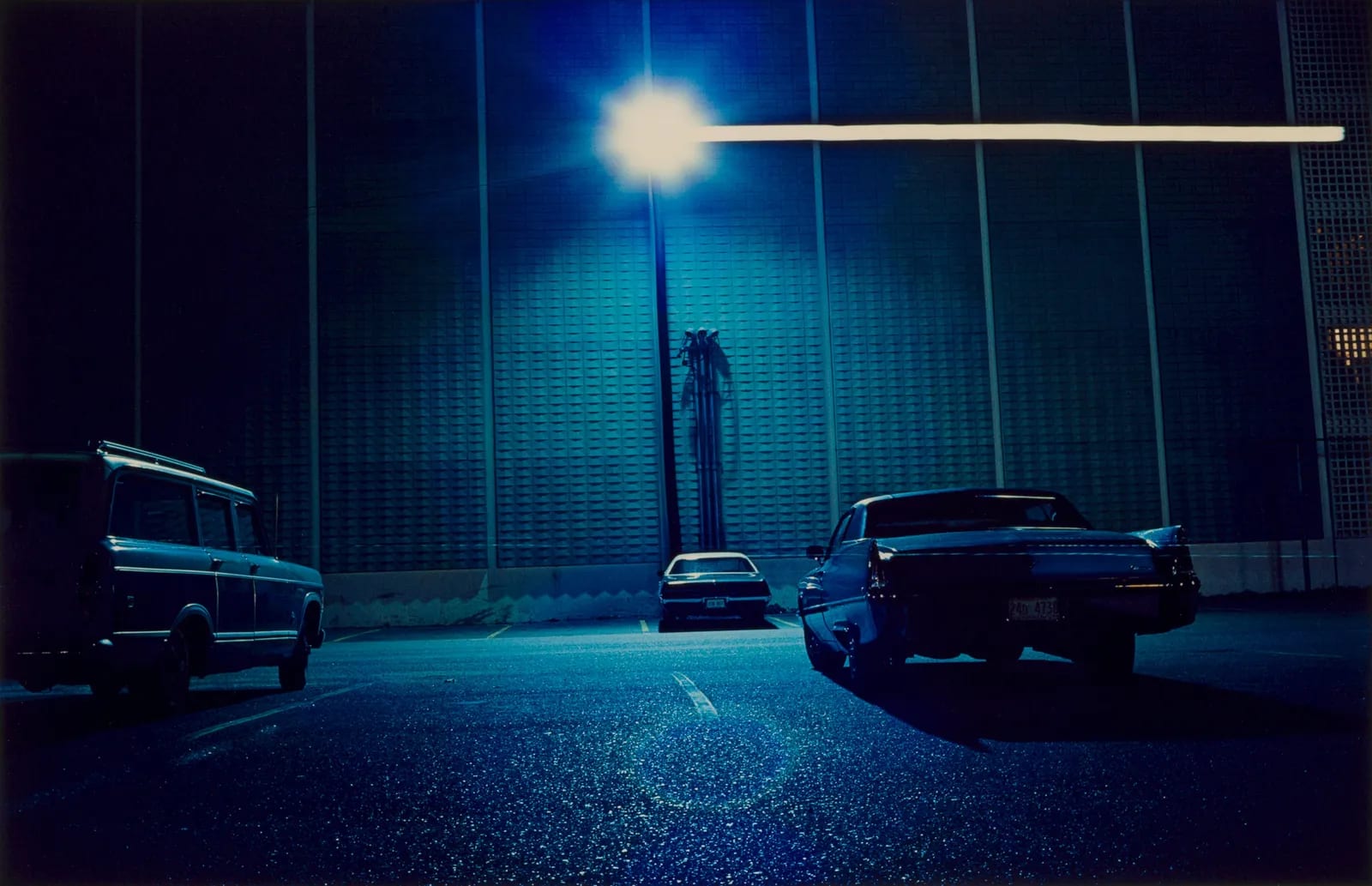
Before Eggleston, color photography wasn't taken seriously. After him, it was the only honest way to see. He pointed his camera at parking lots, tricycles, bare lightbulbs, and supermarket aisles, and somehow made them feel monumental. His 1976 MoMA show scandalized critics who thought the subject matter was beneath art, which tells you everything about the critics and nothing about Eggleston. He didn't elevate the everyday, he revealed that it was already elevated.
Learn More →Signature Traits
Major Works
William Eggleston's Guide (1976)
The MoMA show that legitimised color photography as fine art. Critics hated it. History disagreed.
The Red Ceiling (1973)
A bare red room, a single lightbulb. One of the most reproduced and argued-over photographs ever made.
Los Alamos (1965–1974)
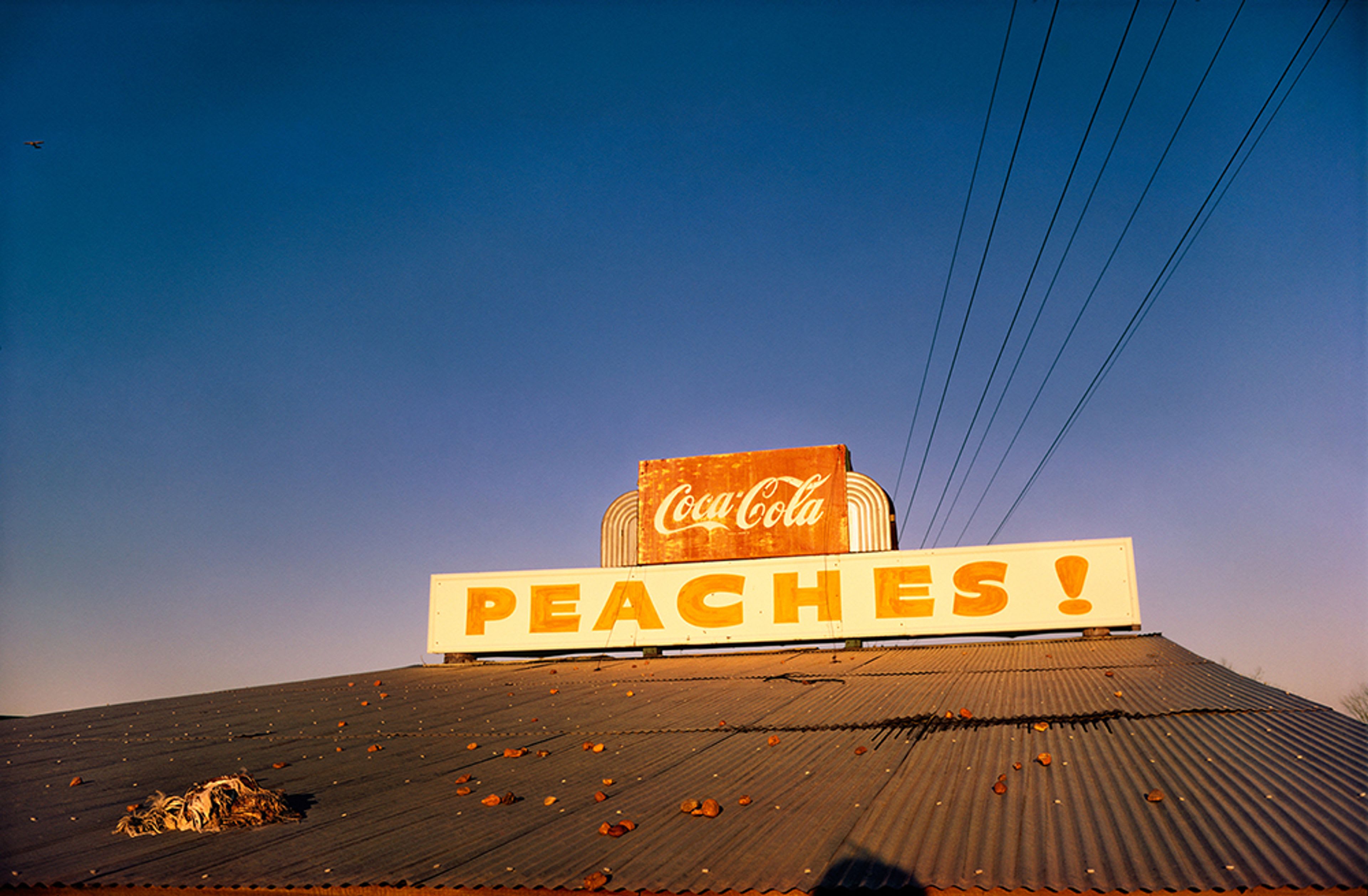
A decade of driving the American Southwest with a camera. The definitive Eggleston road work.
William Eggleston's Guide (Monograph)
The book that came out of the MoMA show that legitimised color photography as fine art. Still the place to start. Still the place to return.