Photographer
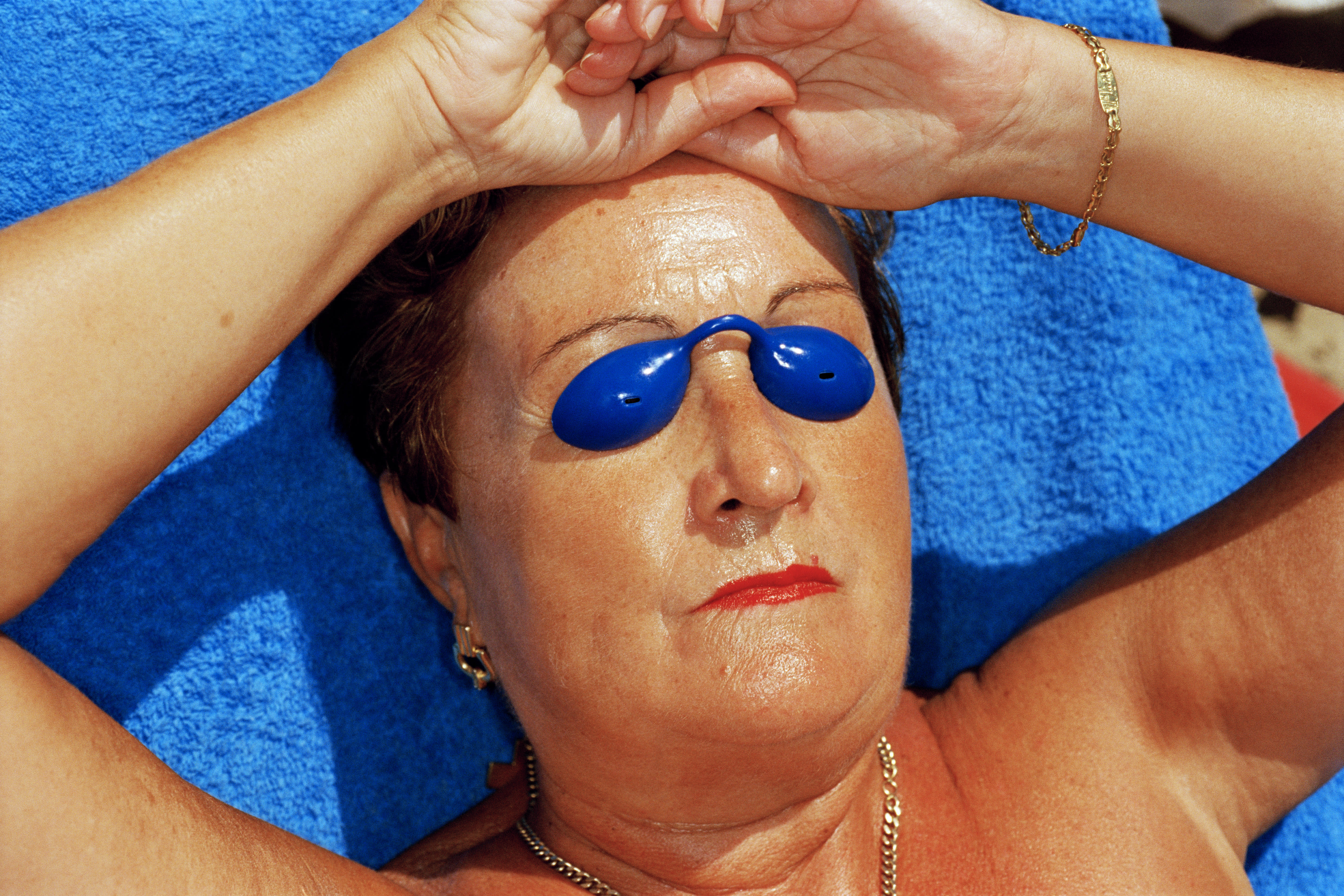
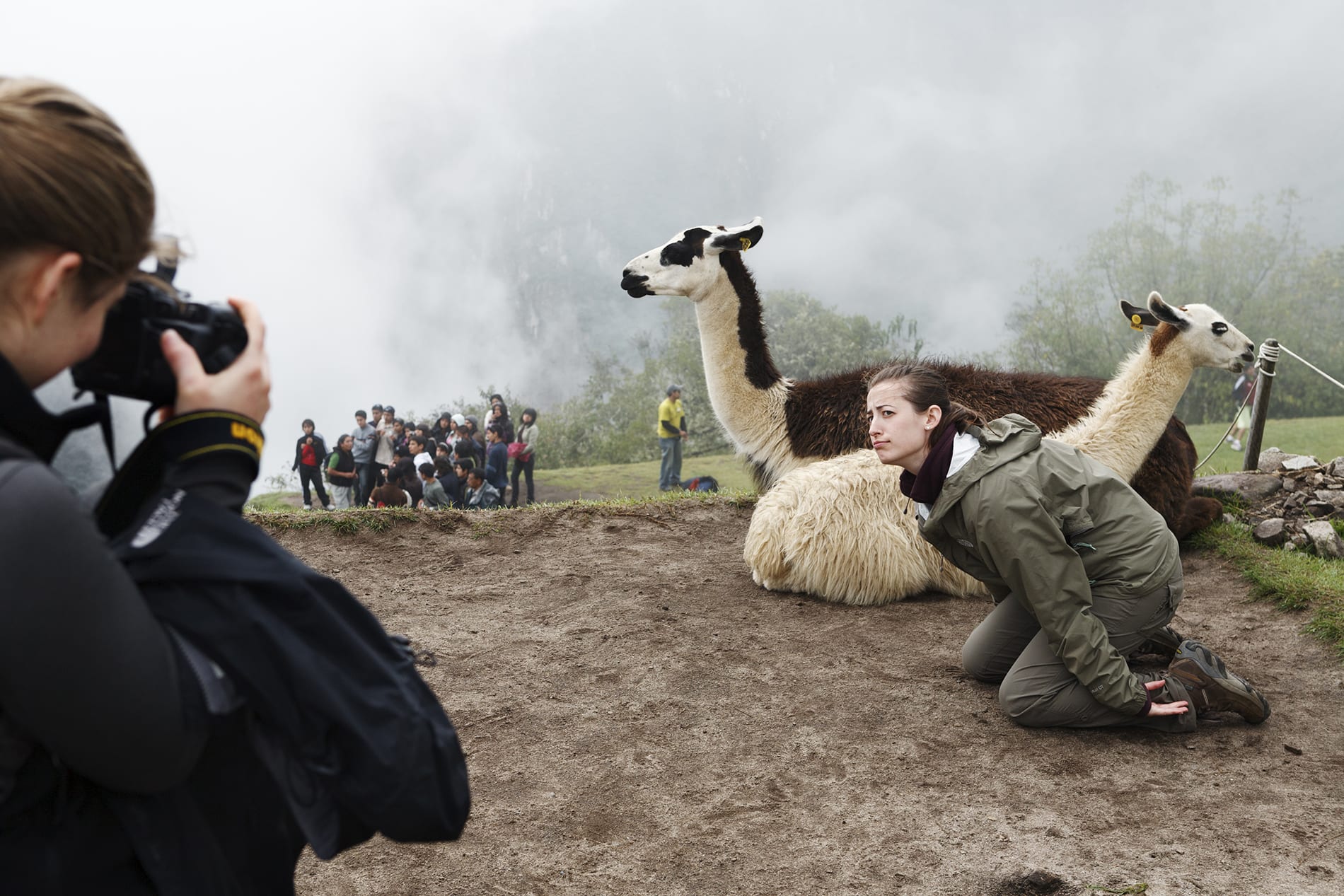
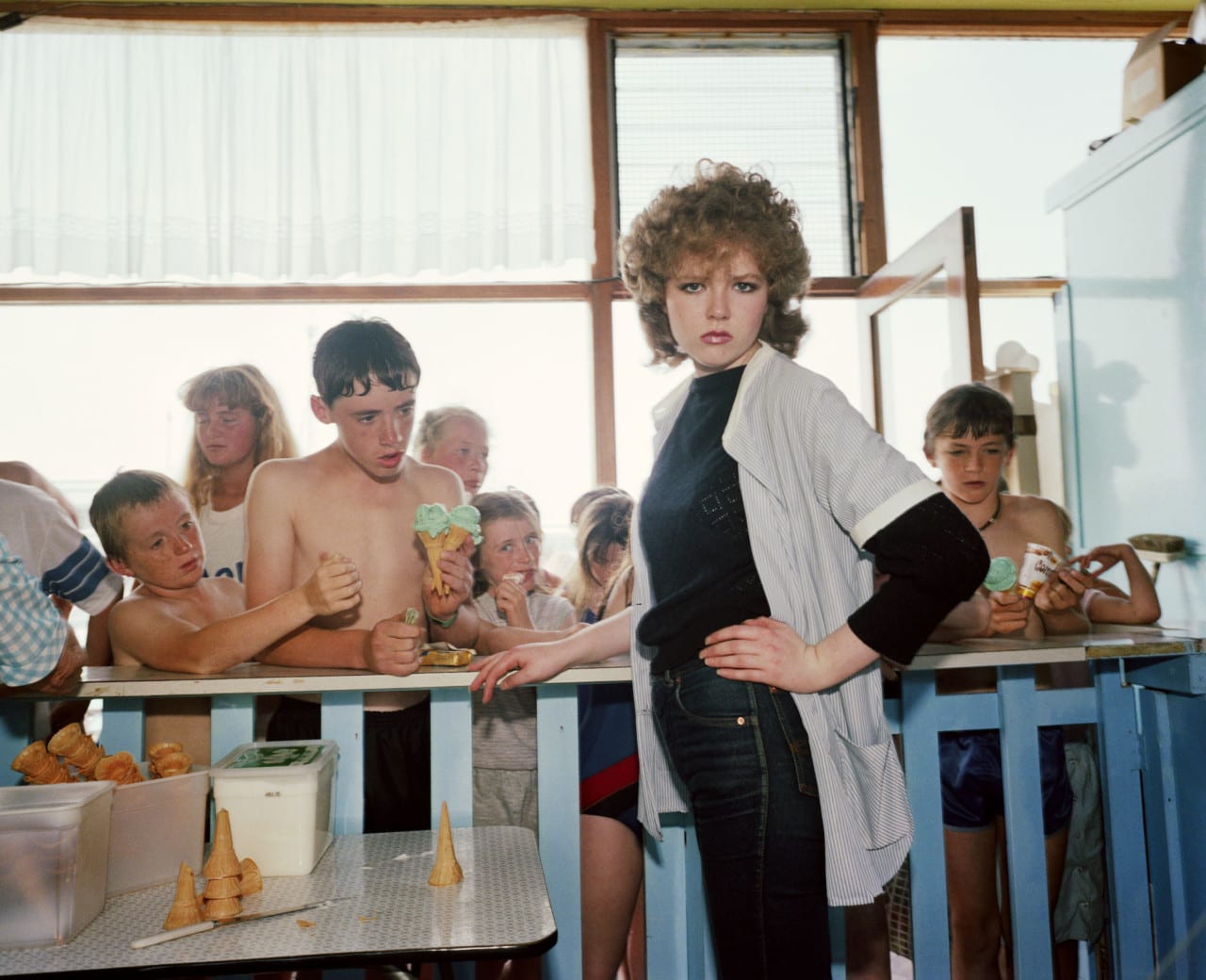
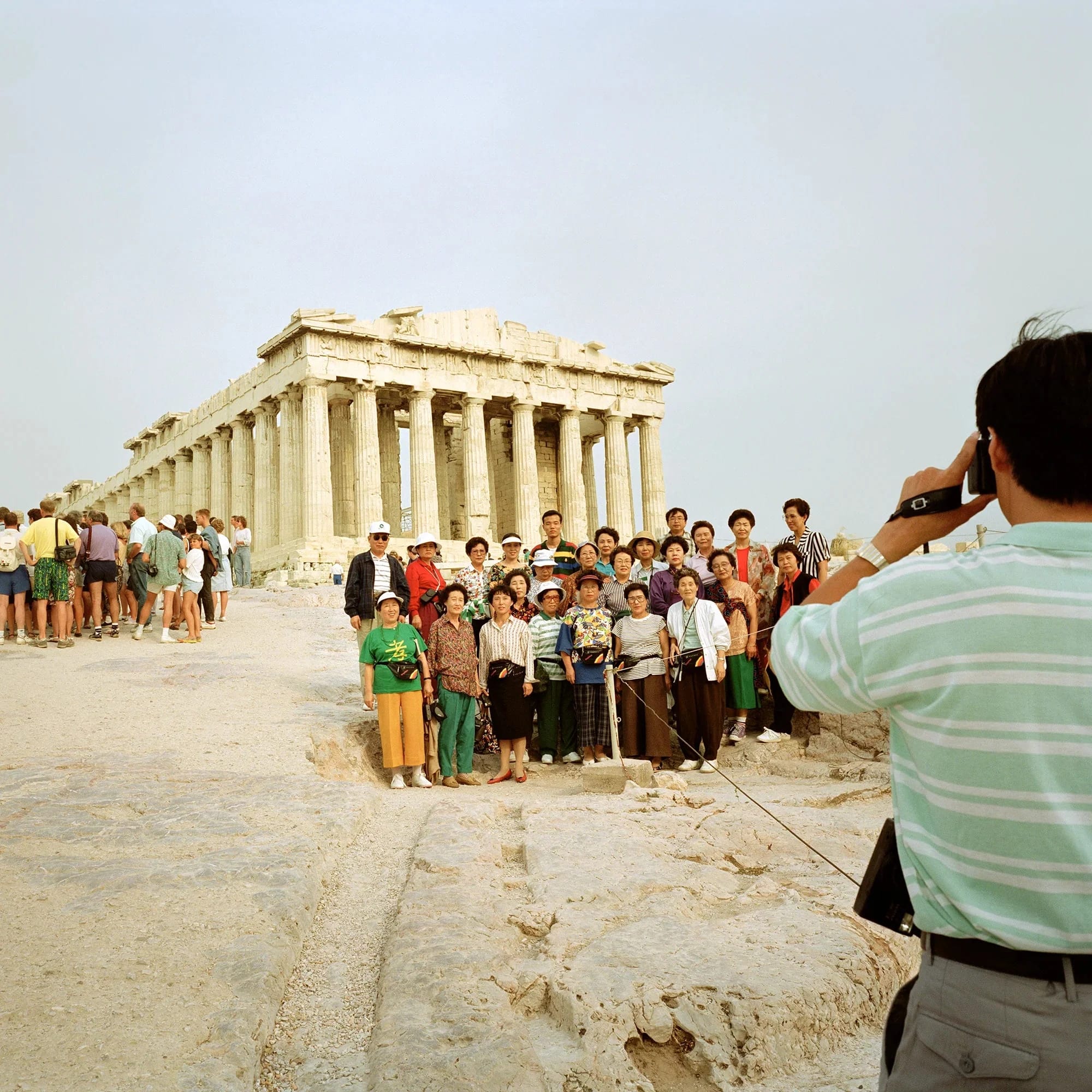
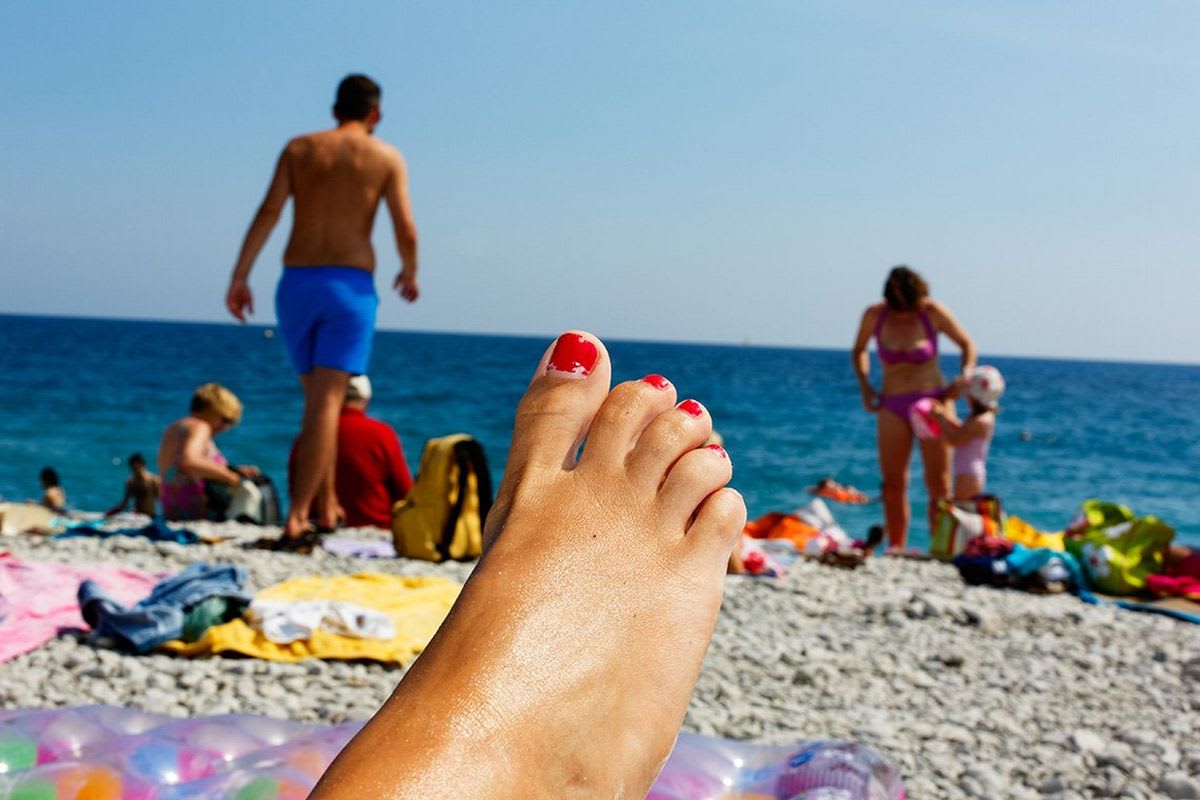

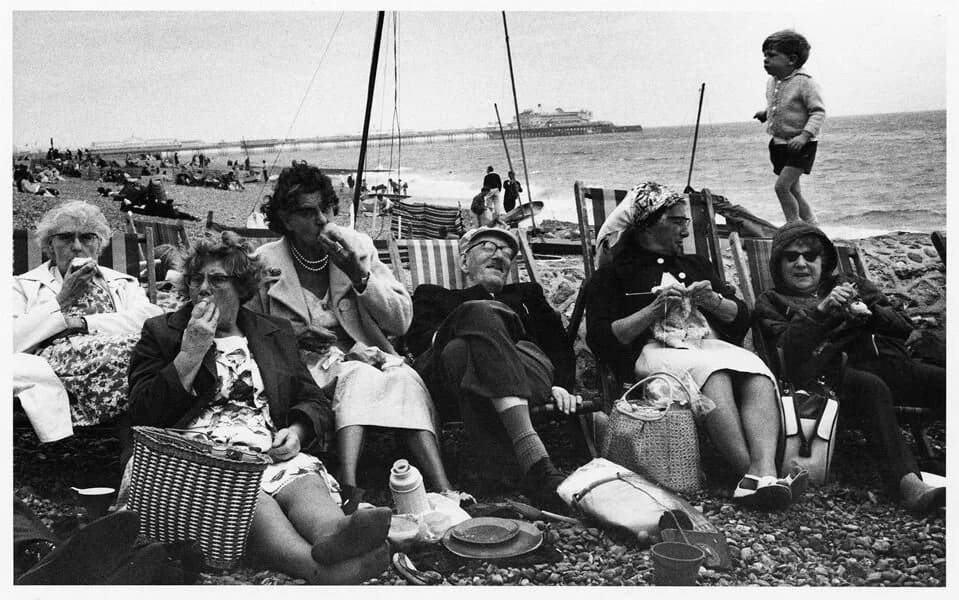


Martin Parr is the anthropologist who hid a camera in his coat. For five decades he has pointed it at the British seaside, the global tourist, the suburban buffet table, the sunburned and the oblivious, producing images that are simultaneously hilarious and quietly devastating. His weapon is colour, oversaturated, flash-blasted, almost grotesque, and his subject is always the same thing: the gap between how people imagine themselves and how they actually are. He joined Magnum in 1994 and has published over 140 books since, proof that the joke never stopped being worth telling.
Learn More →Signature Traits
Major Works
The Last Resort (1986)
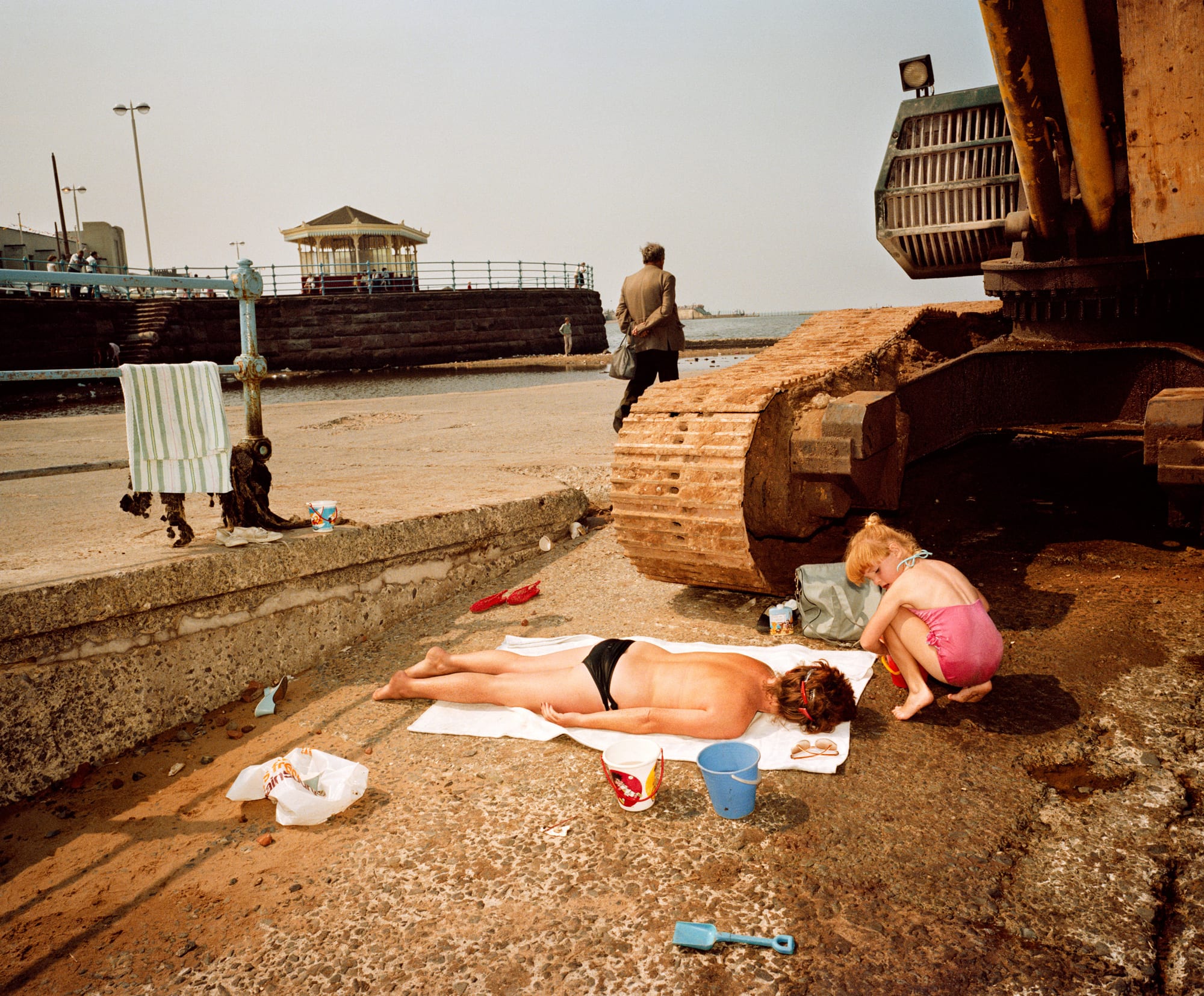
New Brighton beach. Working-class leisure documented with flash and a macro lens. Funny, bleak, unforgettable. The book that made his reputation.
Small World (1996)
Global tourism as a homogenising force. The Taj Mahal surrounded by camera-toting crowds. The world shrinking in real time. In print continuously for thirty years. The 2026 revised edition confirms what was always obvious: nothing dates it.
Common Sense (1999)
Close-up images of food, bodies, money, and objects from around the world arranged without context or caption. Consumerism as pure visual assault.
Small World (2026)
Originally published in 1996 and in print continuously ever since, this new revised and extended edition adds photographs and sharpens the argument. The issues Parr raised thirty years ago about homogenous global culture and the tourism industry's destruction of the very cultures it seeks have only grown more urgent.