Director
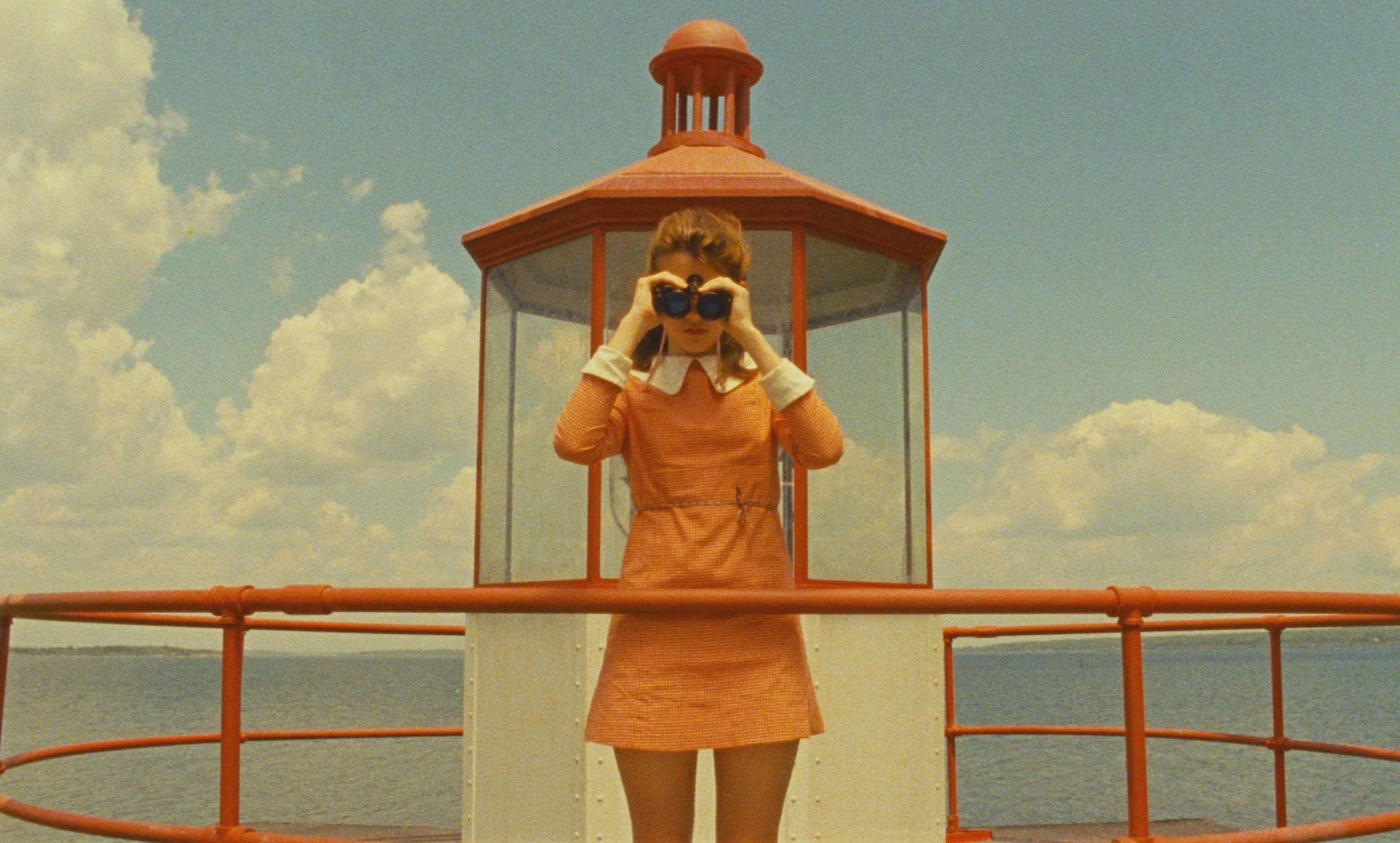
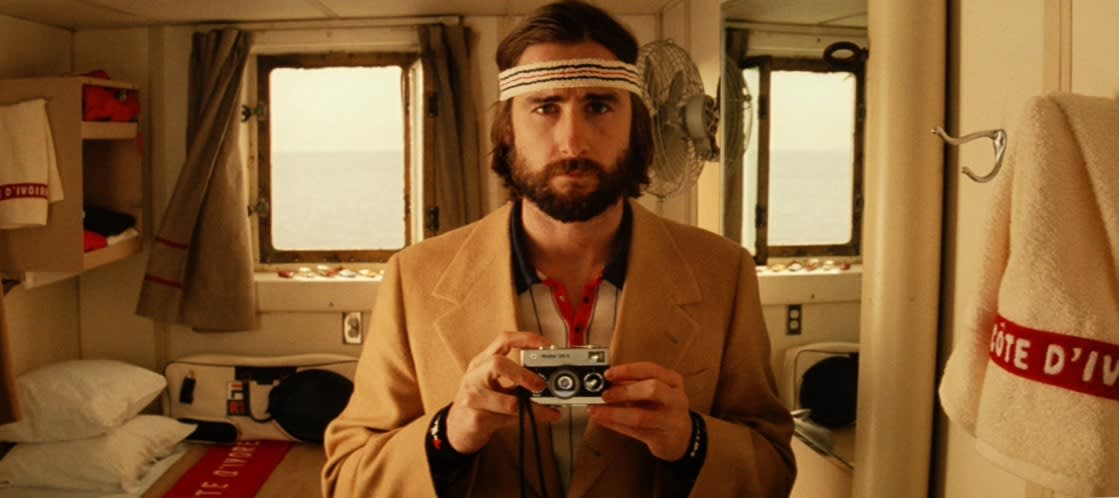
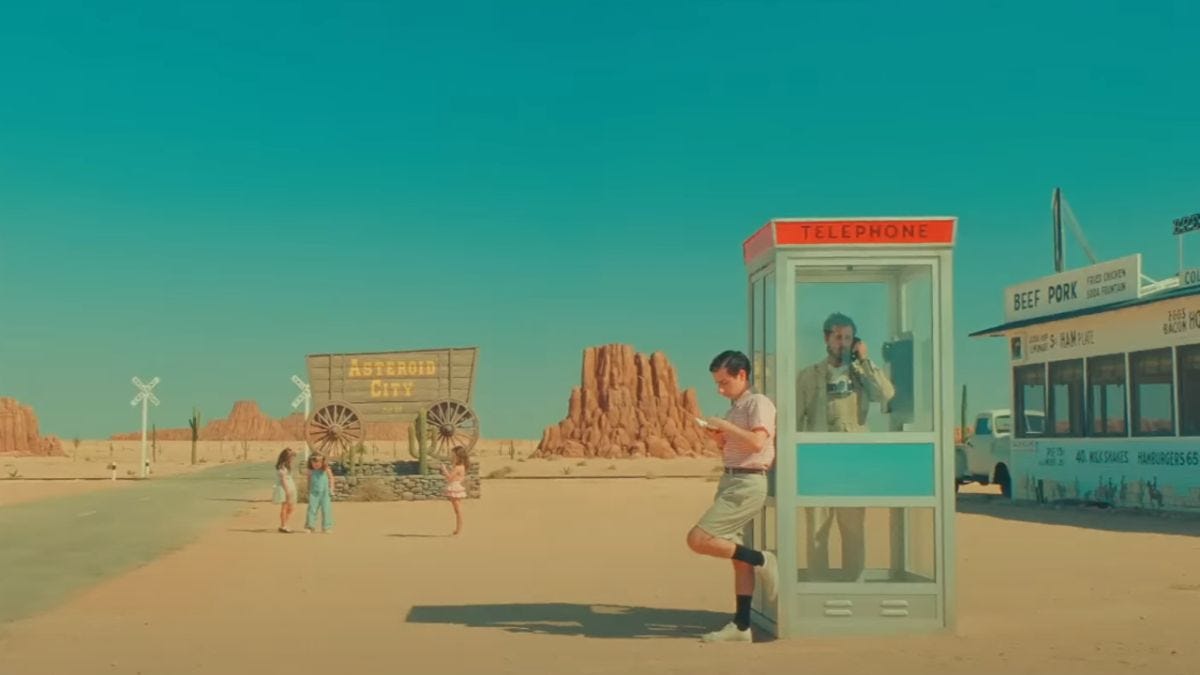
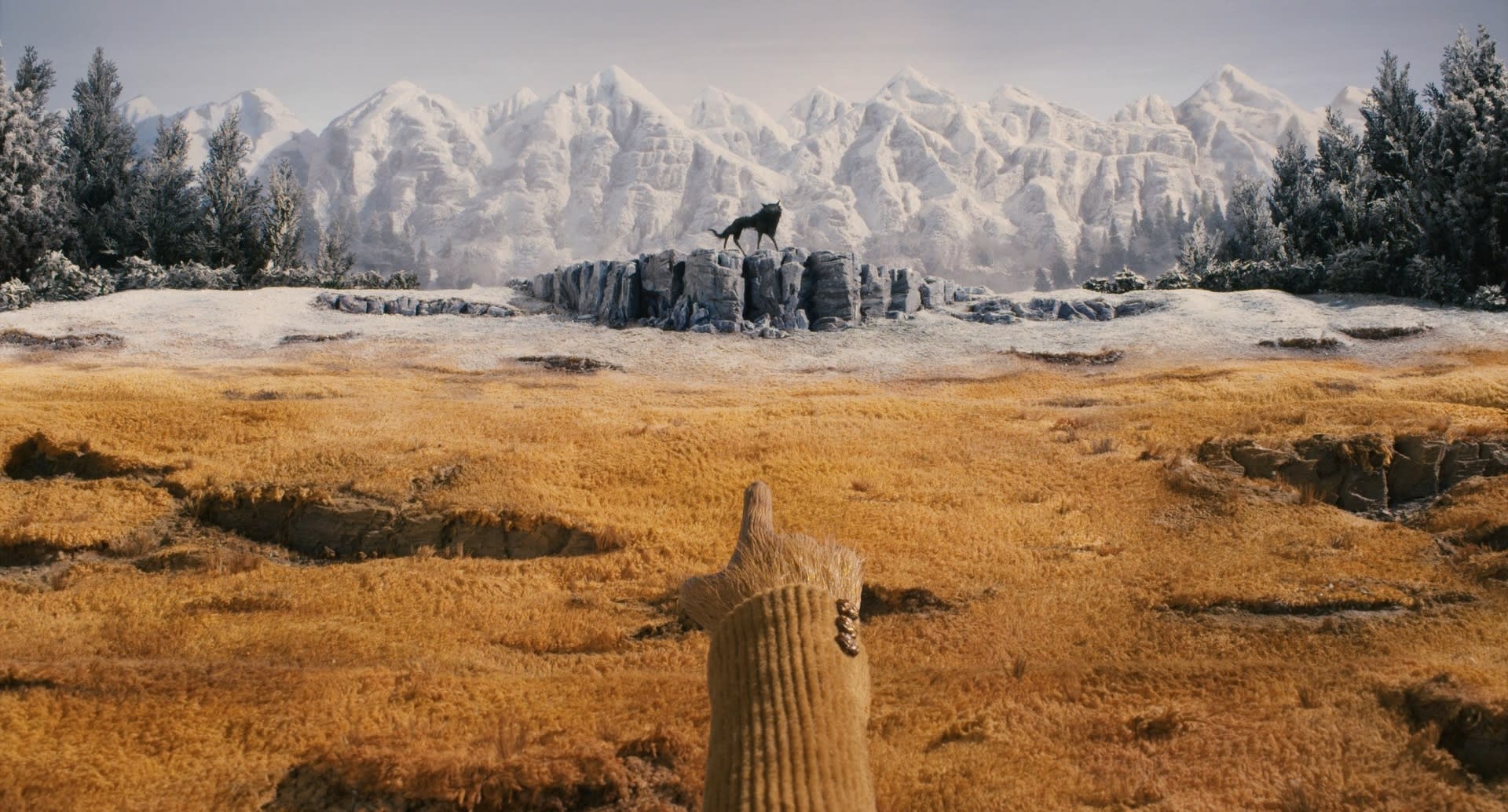
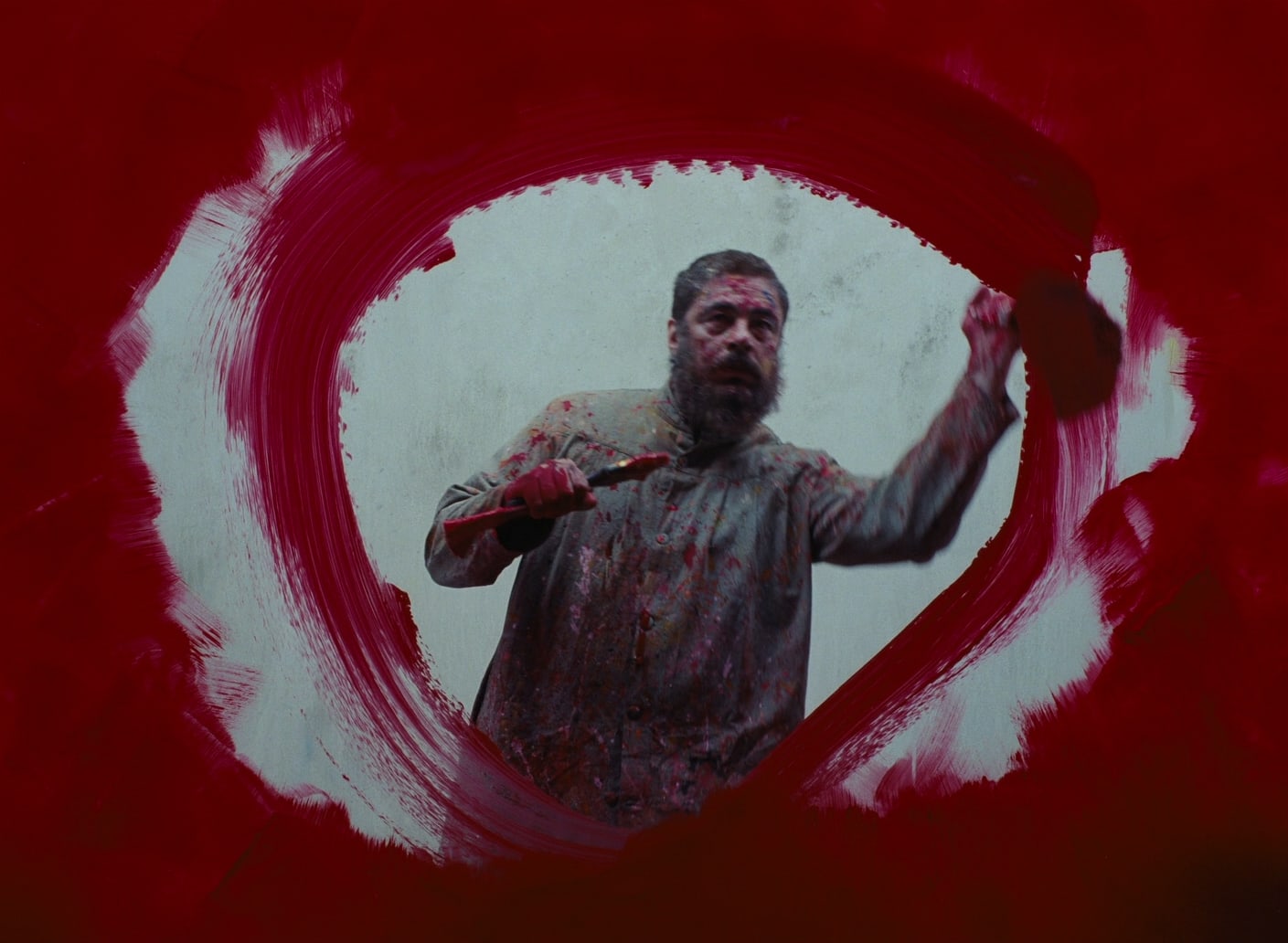
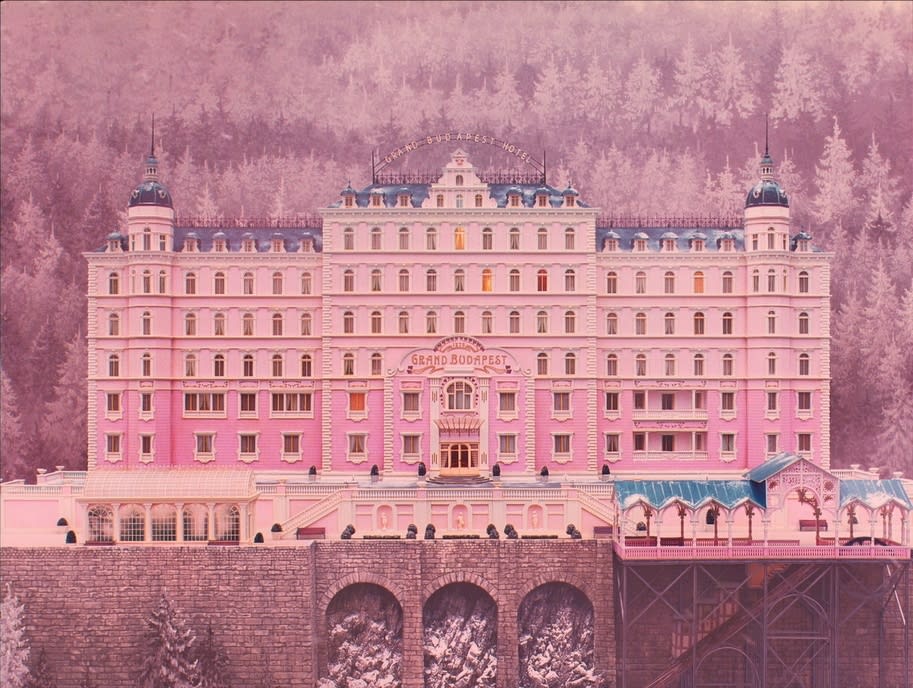
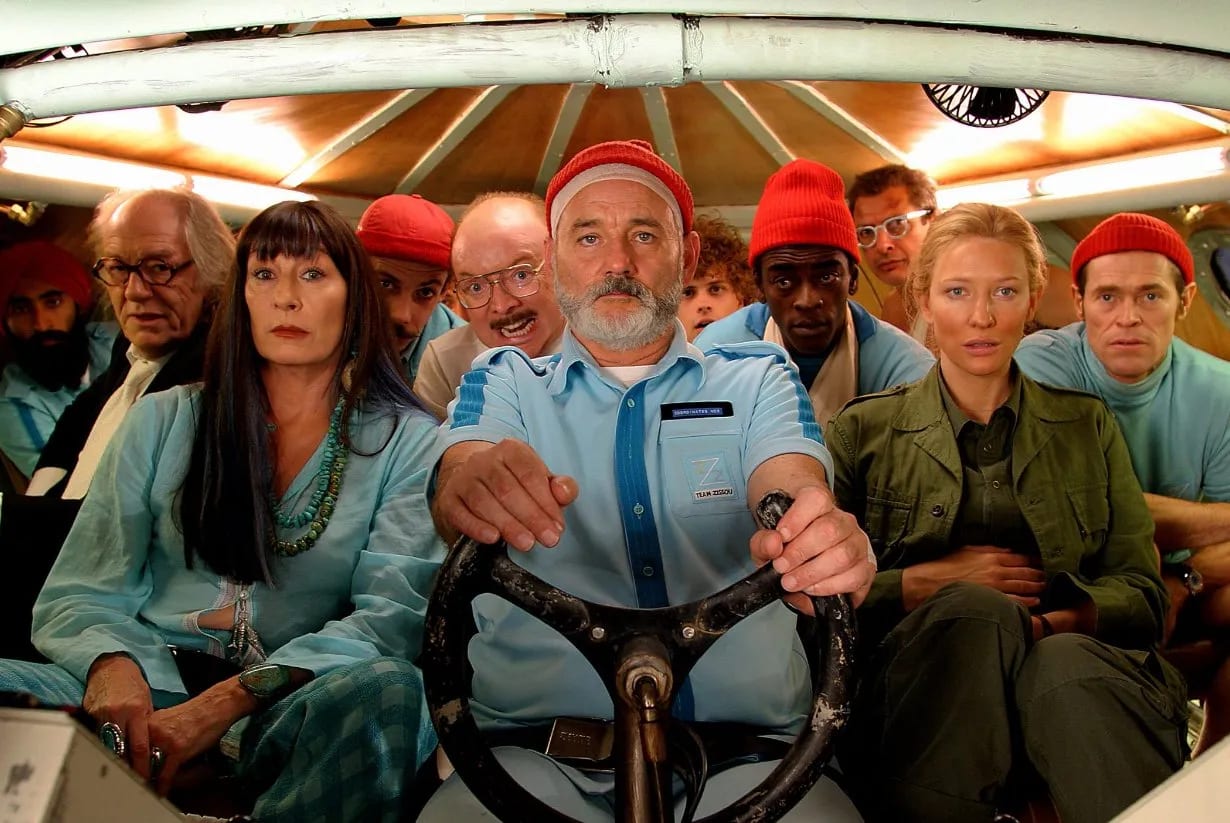
Wes Anderson built a universe so visually specific that a single frame is instantly identifiable as his. Centred compositions, lateral camera moves, pastel palettes, meticulous production design, these are not affectations but a fully realised visual language that exists nowhere else in cinema. His films are about grief, abandonment, and the desperate construction of family, wrapped in a whimsy so precise it aches. The comedy and the sadness are inseparable.
Learn More →Signature Traits
Major Works
The Royal Tenenbaums (2001)
His thesis statement. Dysfunction, genius, and failure wrapped in the most beautiful production design in American cinema.
The Grand Budapest Hotel (2014)
A film about the death of a civilisation told as a comedy caper. Hilarious and devastating.
Fantastic Mr. Fox (2009)
Stop-motion that proved the style wasn't just visual, it was a complete worldview.