Director

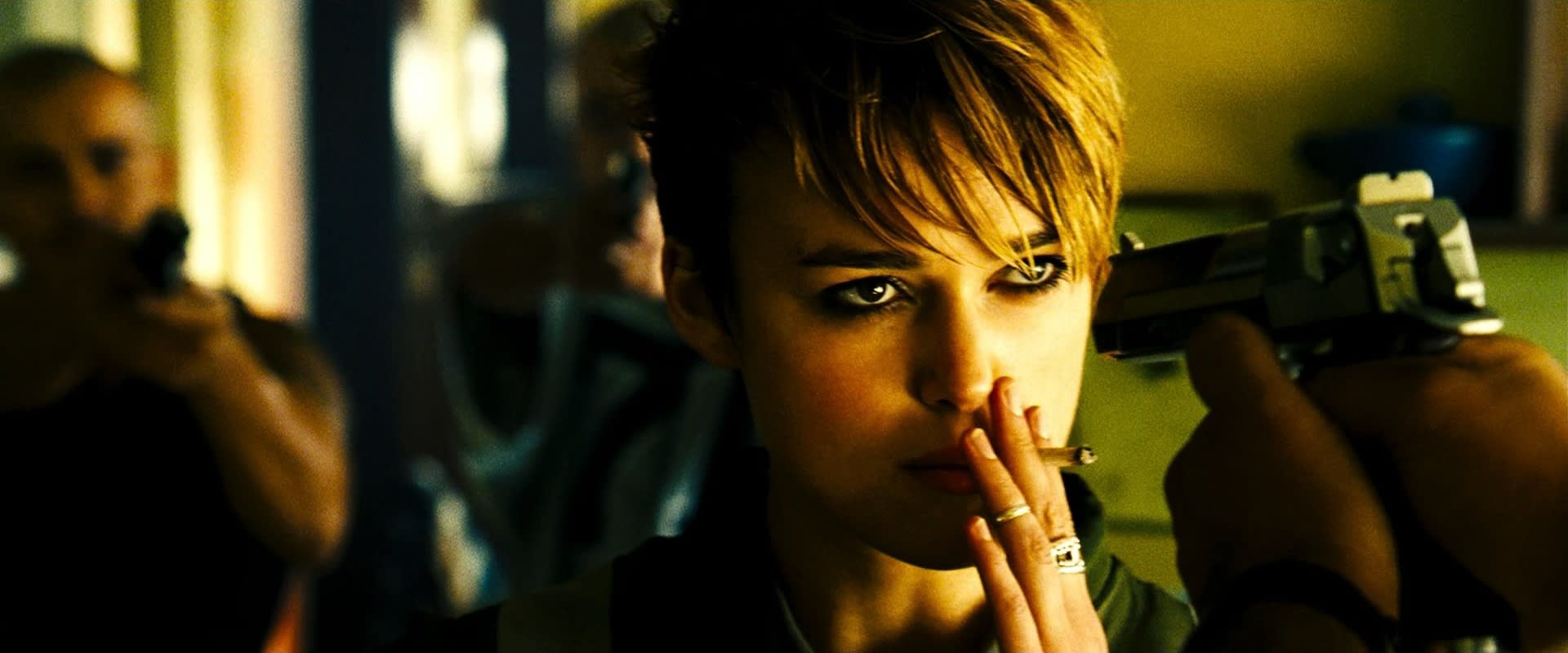

Tony Scott never met a frame he couldn't set on fire. He came out of British commercials shooting product like religious iconography, then carried that same instinct for glamour and speed into Hollywood, and for a decade he was mistaken for a director who only made things look expensive. The mistake stopped holding once Man on Fire arrived, bleached film stock, subtitles turned into moving typography, cuts landing like a nervous system short circuiting. He kept escalating from there, chasing a kind of visual velocity nobody else in mainstream American cinema was chasing, until his films stopped resembling anything but themselves. Younger brother to Ridley, permanently in his shadow critically and permanently ahead of him in sheer nerve.
Learn More →Signature Traits
Major Works
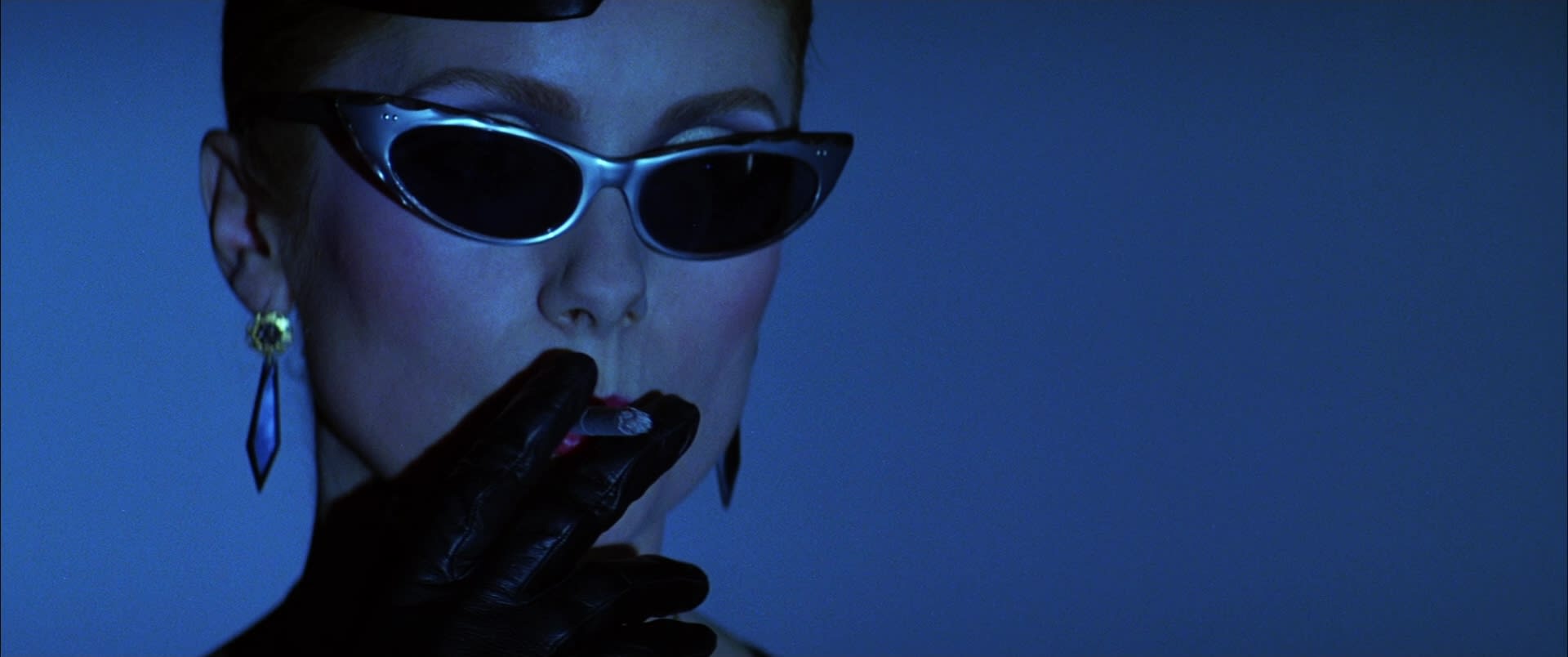
The Hunger (1983)
His directorial debut, awash in blue gel light and slow dissolves, more art film than horror. The MTV aesthetic that would define the decade, applied to vampires years before anyone else thought to try it.
Top Gun (1986)
Backlit haze, chrome, and bodies shot like product on a runway. The exact moment advertising's visual grammar became the template for the modern action blockbuster.
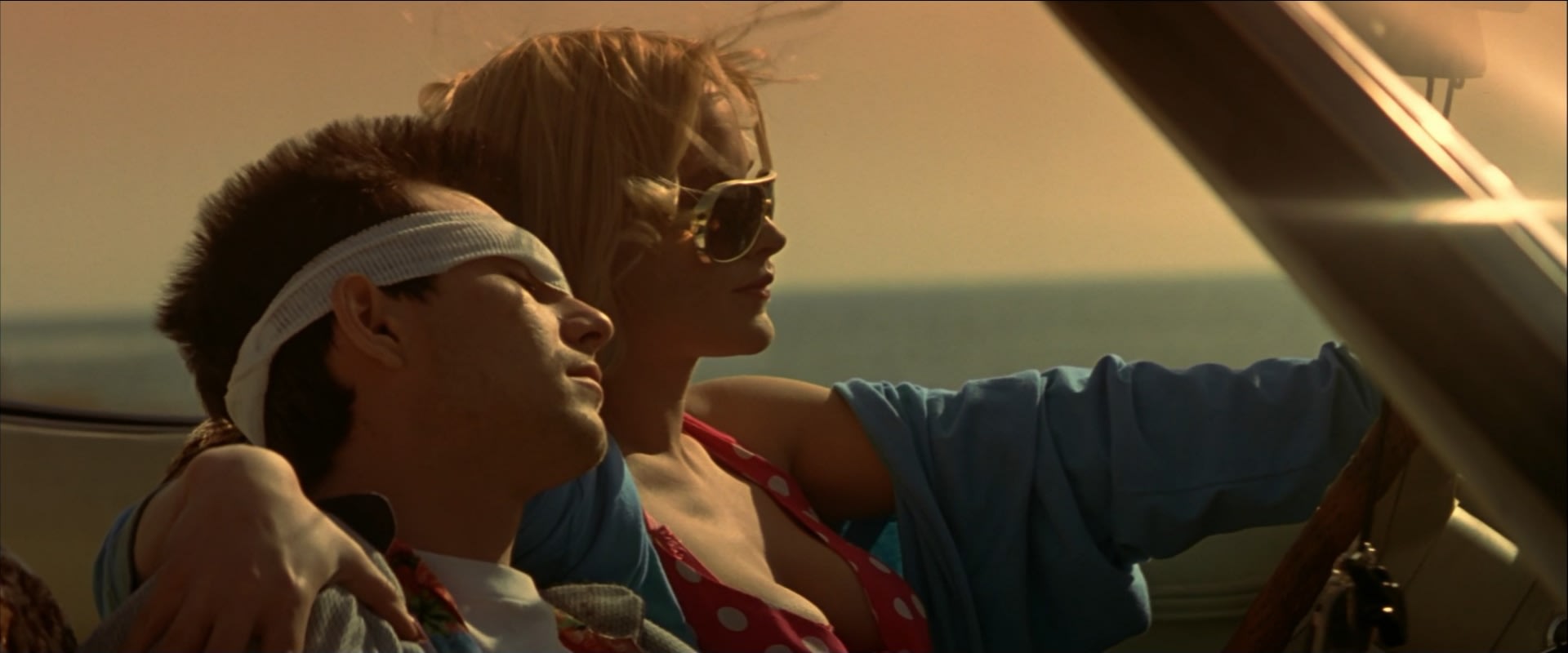
True Romance (1993)
Tarantino's script shot as a sun-bleached pulp paperback cover come to life. Proof he could serve someone else's voice and still leave fingerprints everywhere.
Man on Fire (2004)
Bleach bypass film stock and subtitles turned into kinetic typography, cutting like the film itself is having a breakdown alongside Denzel Washington. The film where he stopped imitating anyone.
Domino (2005)
Hyper-saturated, near-hallucinatory editing pushed past the point most audiences could follow. His most extreme visual statement, and the clearest argument that he never stopped experimenting.
Also Worked On
One of the Missing (1968) • Loving Memory (1971) • Beverly Hills Cop II (1987) • Days of Thunder (1990) • Revenge (1990) • The Last Boy Scout (1991) • Crimson Tide (1995) • The Fan (1996) • Enemy of the State (1998) • Spy Game (2001) • The Hire: Beat the Devil (2002) • Agent Orange (2004) • Déjà Vu (2006) • The Taking of Pelham 123 (2009) • Unstoppable (2010)