Director

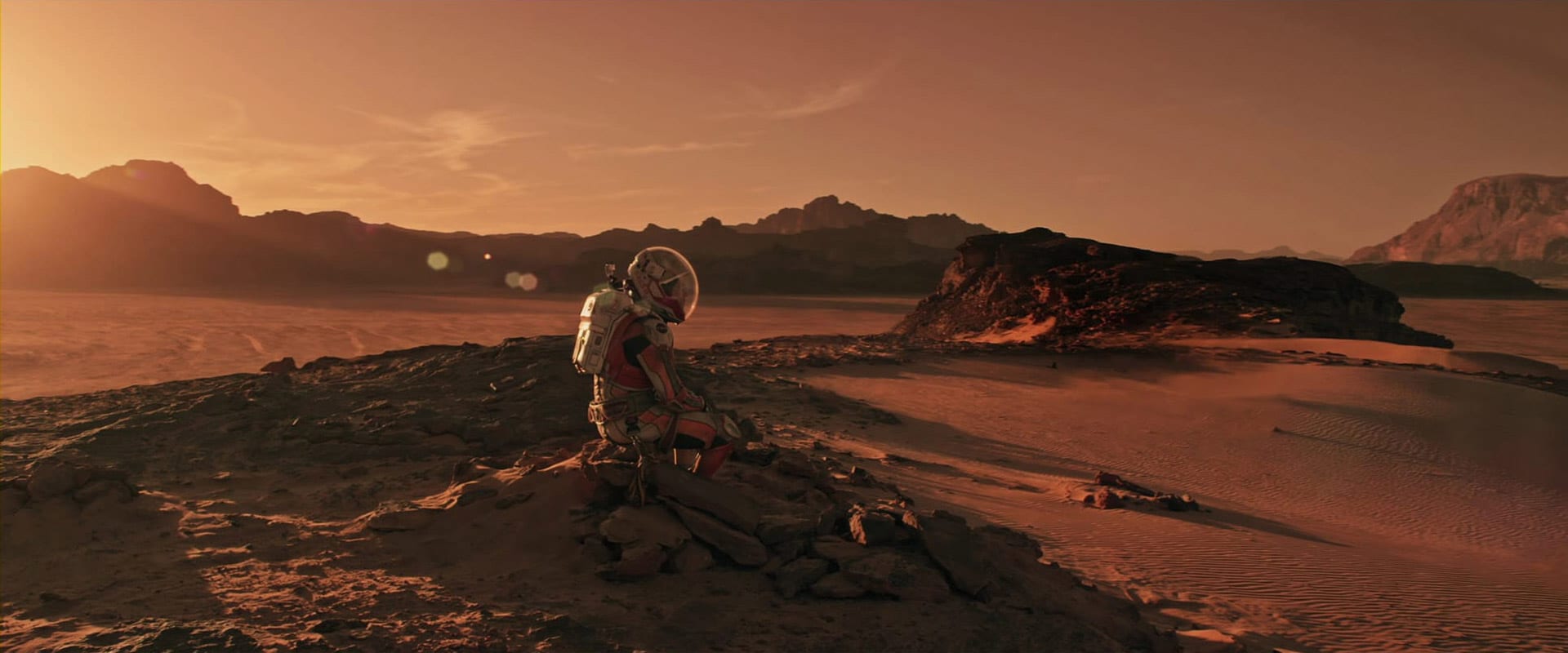
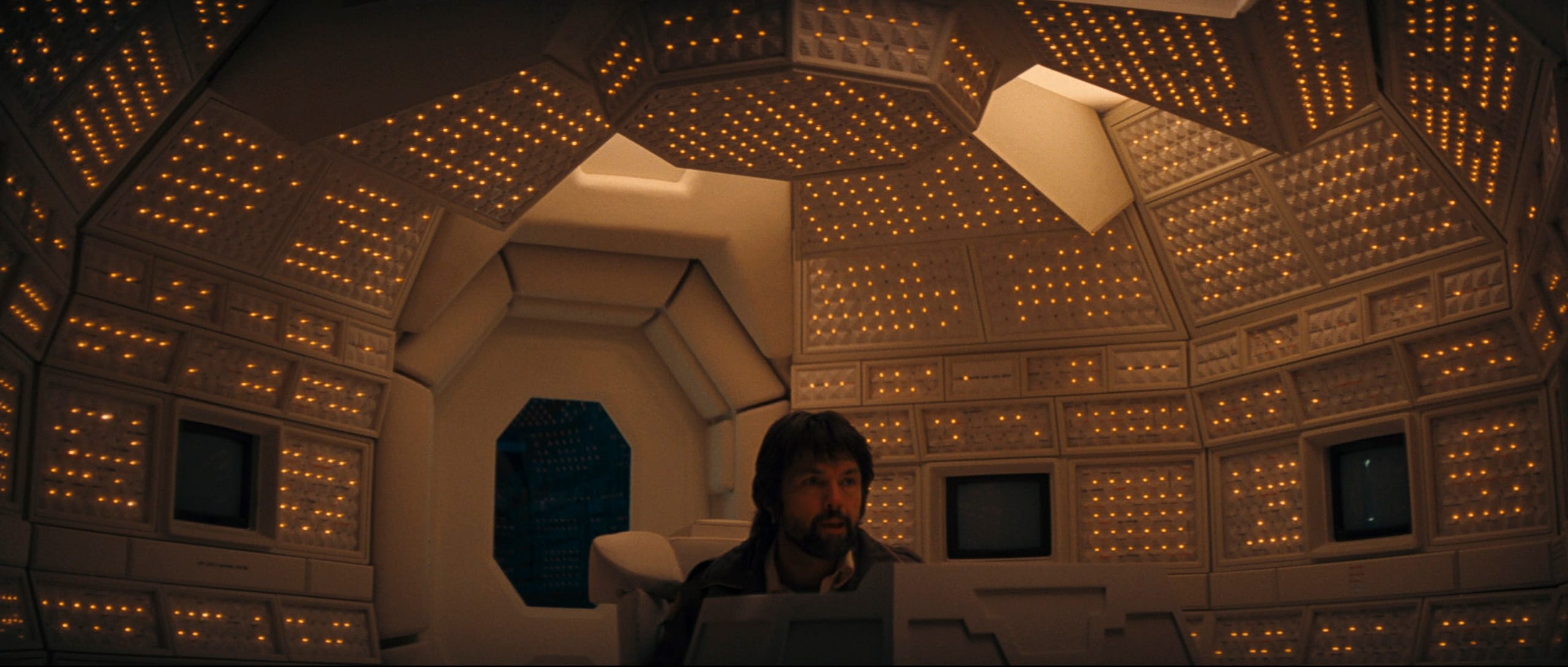
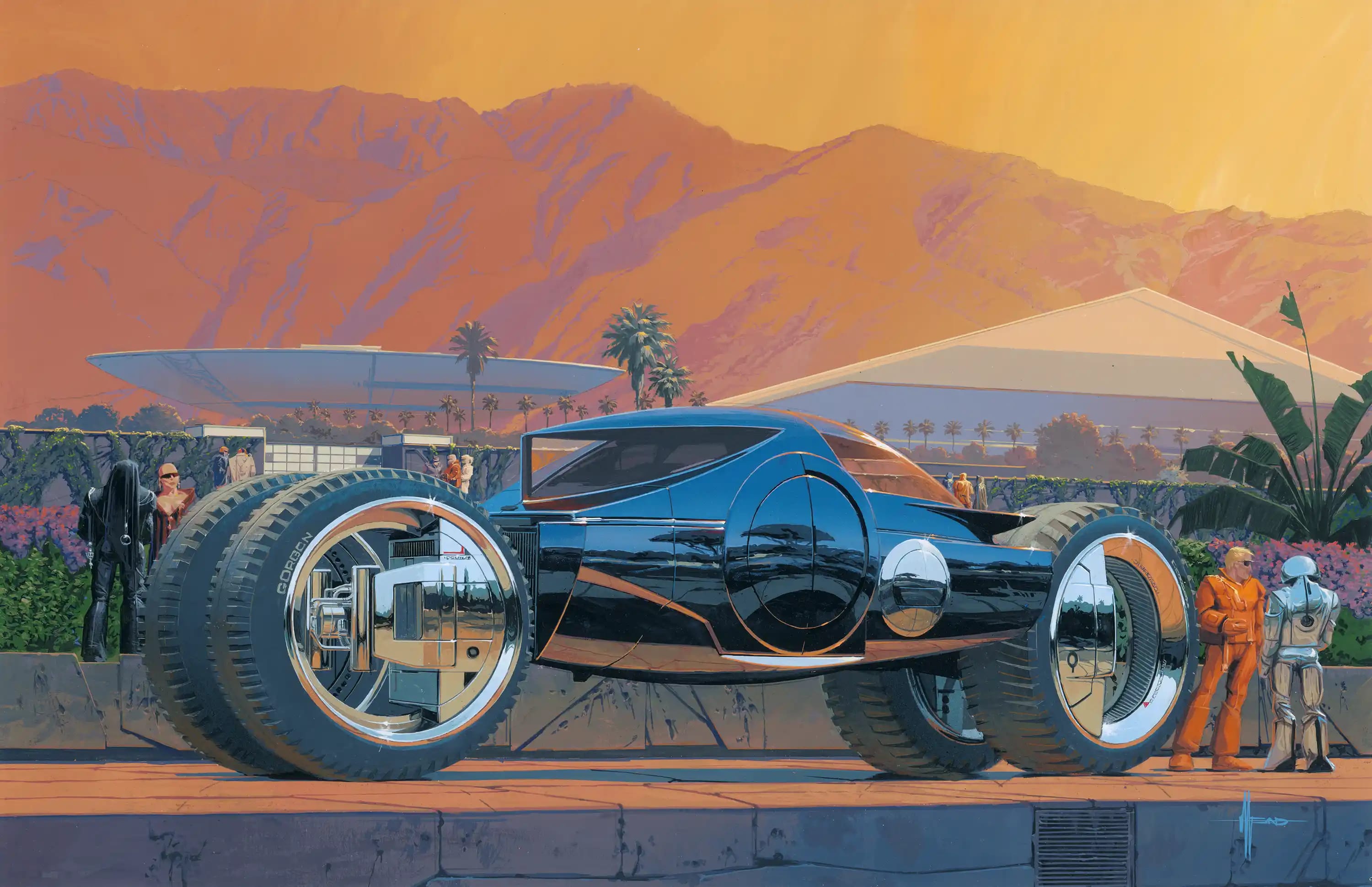
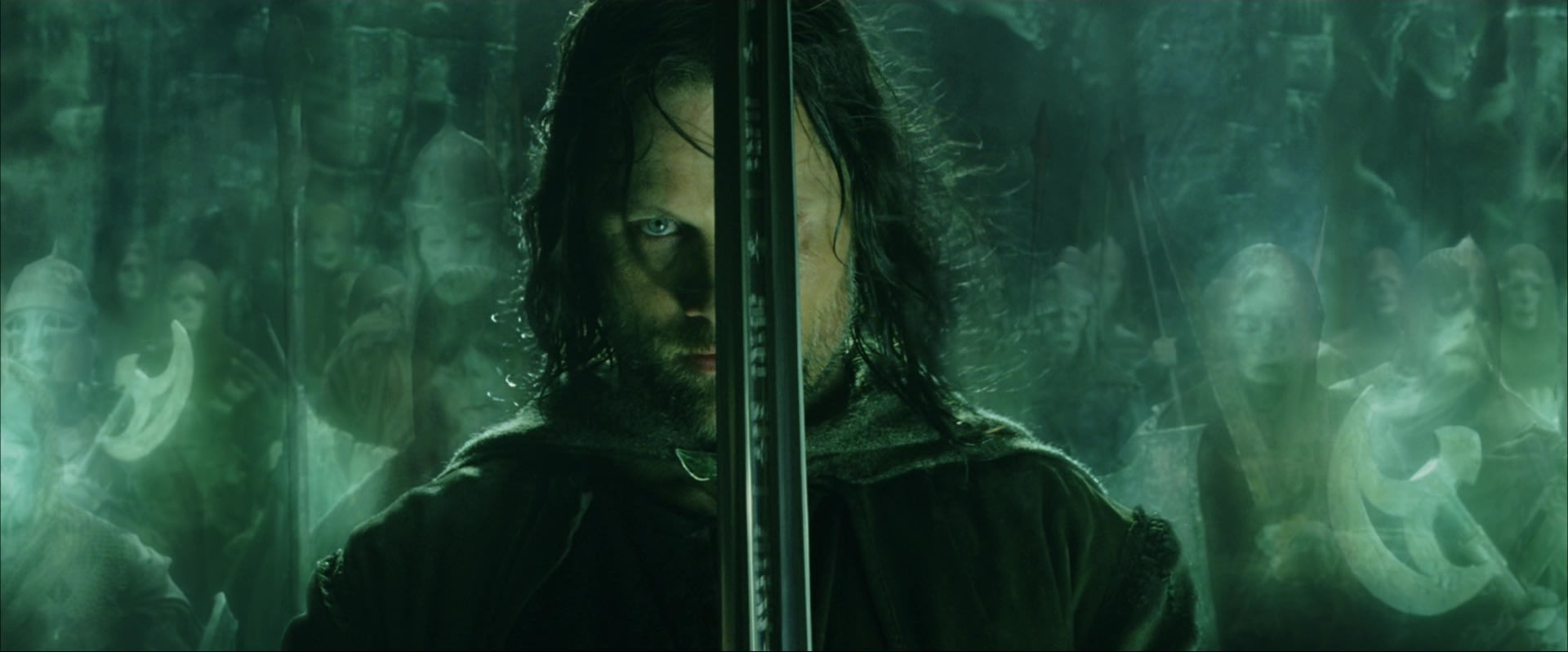
Ridley Scott doesn't make films so much as construct civilisations and then drop a camera inside them. Two of the most visually influential science fiction films ever made came from his first four years as a director, and that alone would be a career, he kept going for five more decades, moving between genres with the restlessness of someone who treats the medium as a laboratory. His obsession is always the same: the world around the character, the texture, the weather, the decay, the light coming through a gap in a structure that took a set designer three months to build. Scott sees production design the way other directors see performance, which is why even his weaker films look like nothing else on earth.
Learn More →Signature Traits
Major Works
Alien (1979)
He took a haunted house film, put it in deep space, and made it look like a discovery. The Nostromo remains one of the most convincingly tactile environments in cinema history.
Blade Runner (1982)
The most influential science fiction film ever made. Every vision of the near-future city that followed, in games, comics, advertising, architecture, is in conversation with what he built here.
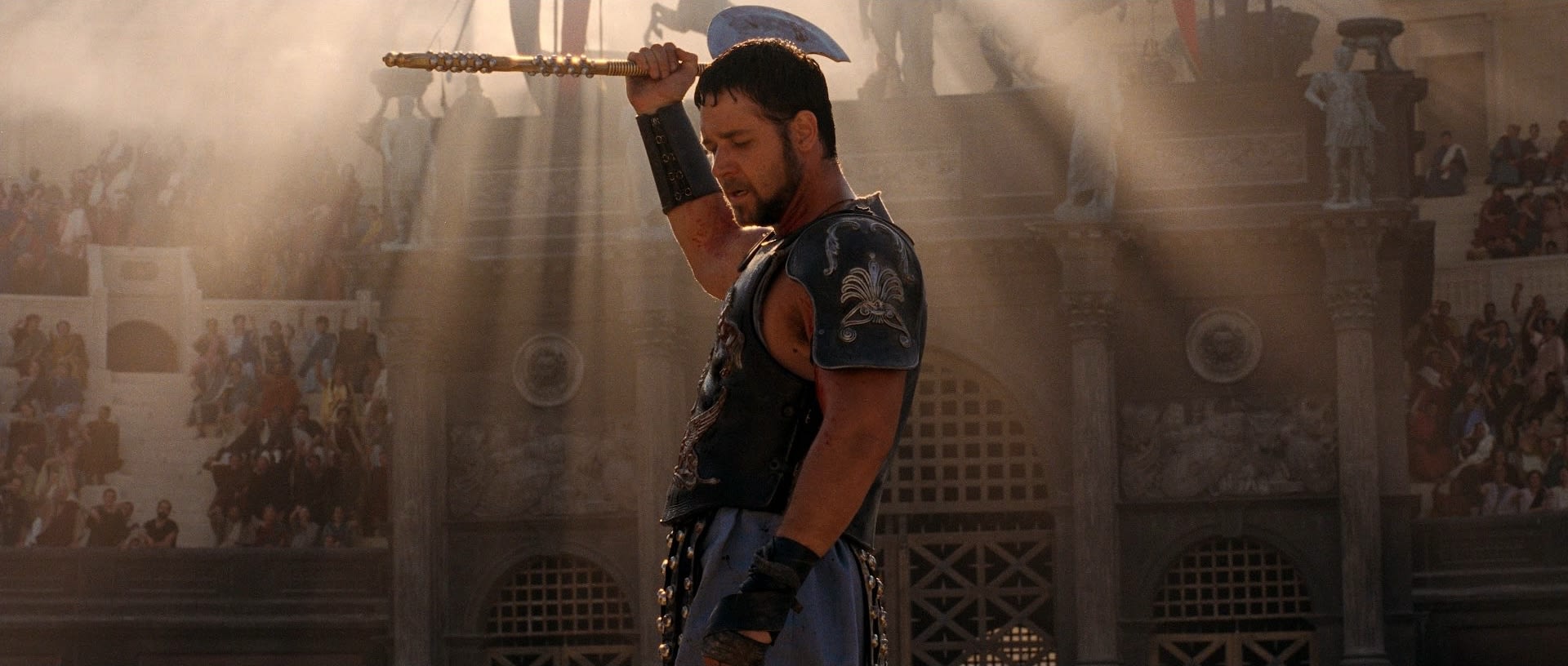
Gladiator (2000)
Epic filmmaking returned to cinema with actual weight behind it. The Colosseum sequences rewired what audiences expected from historical spectacle.