Director
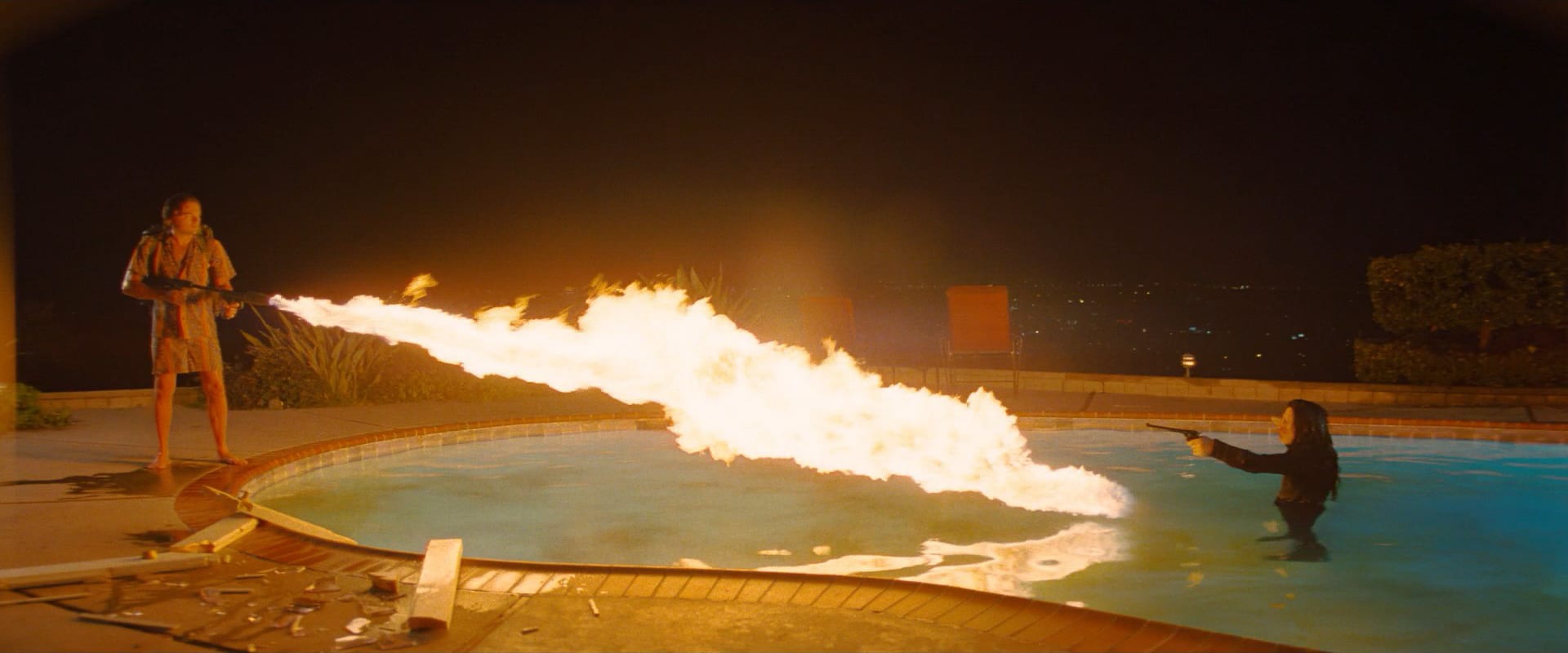
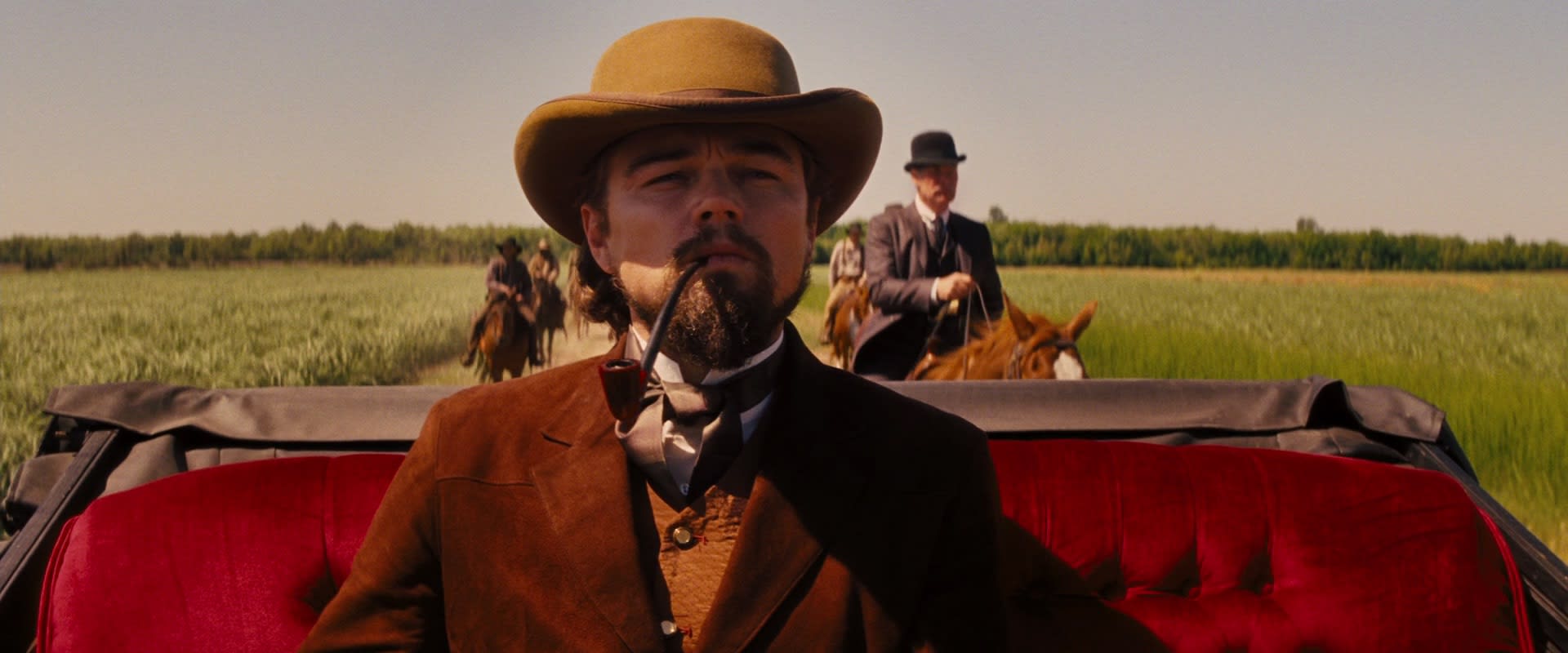
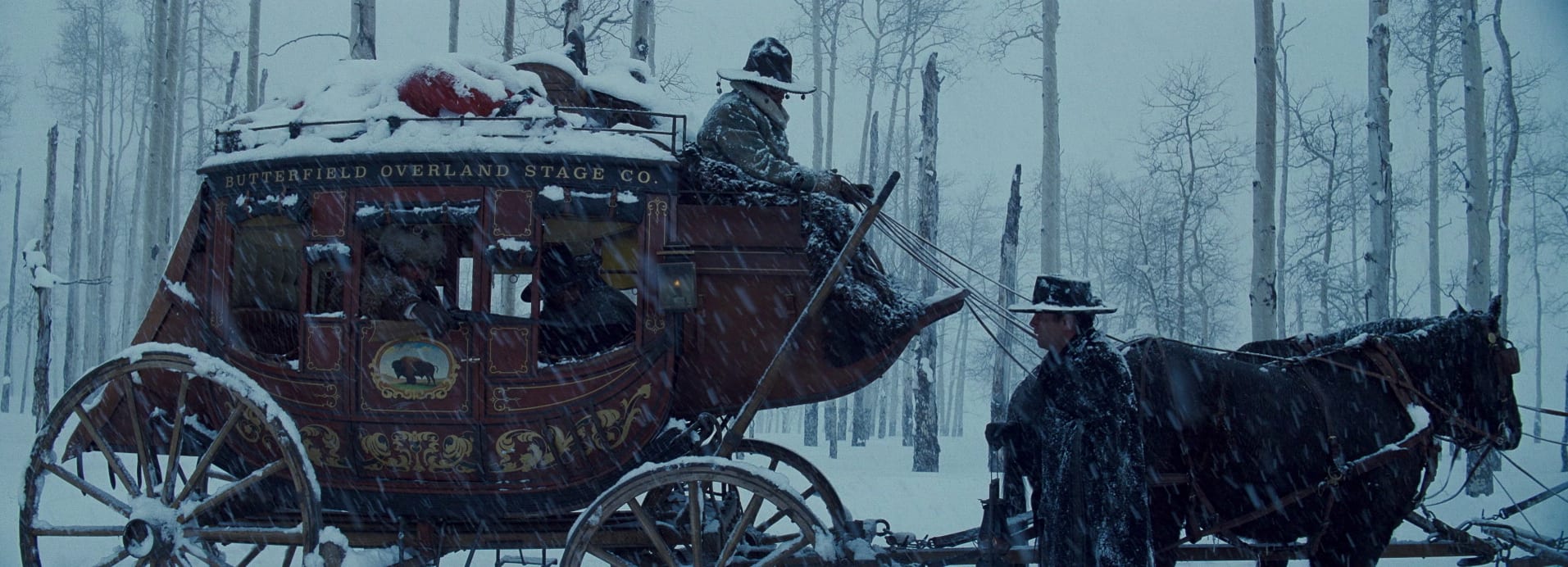
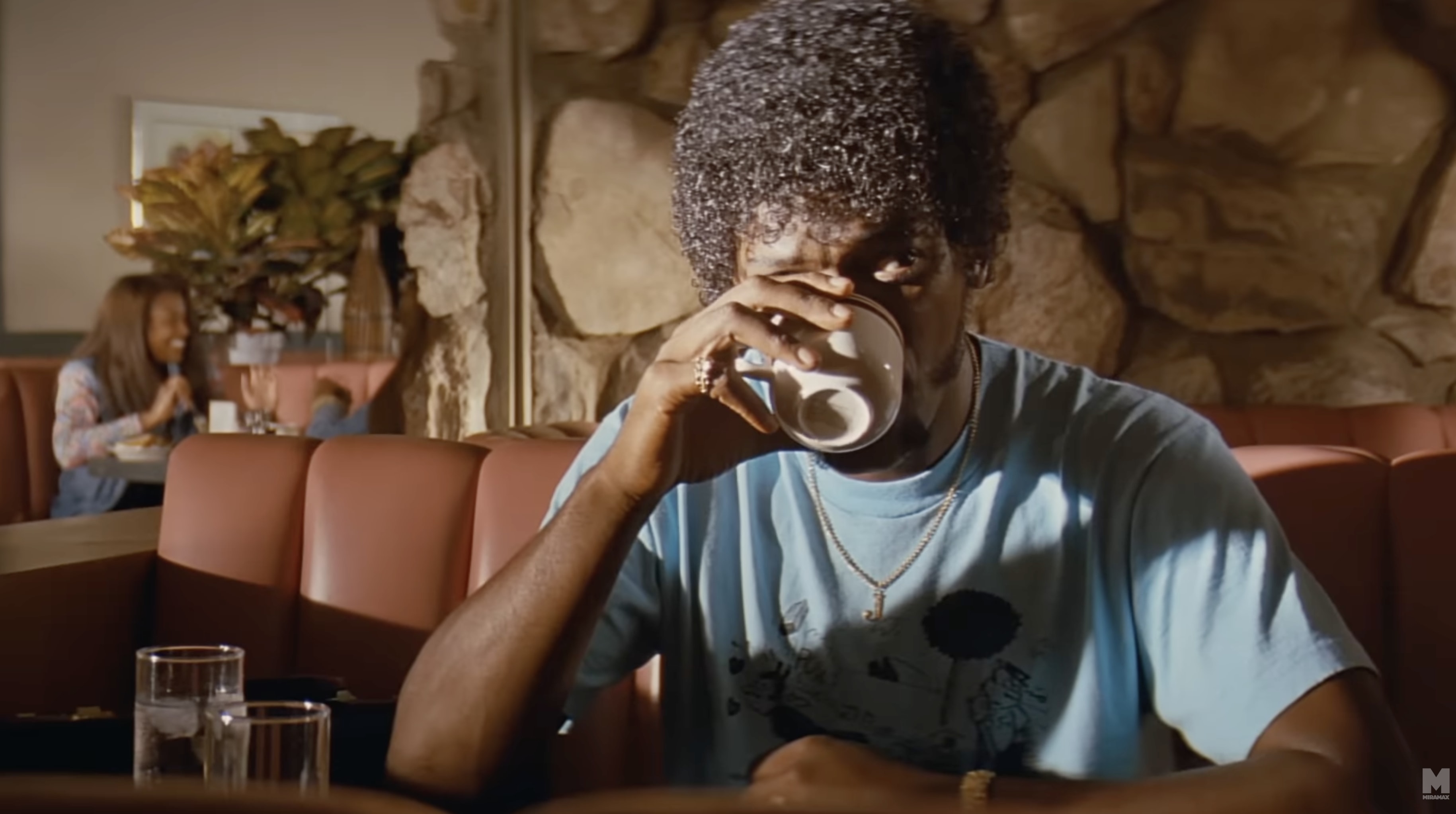
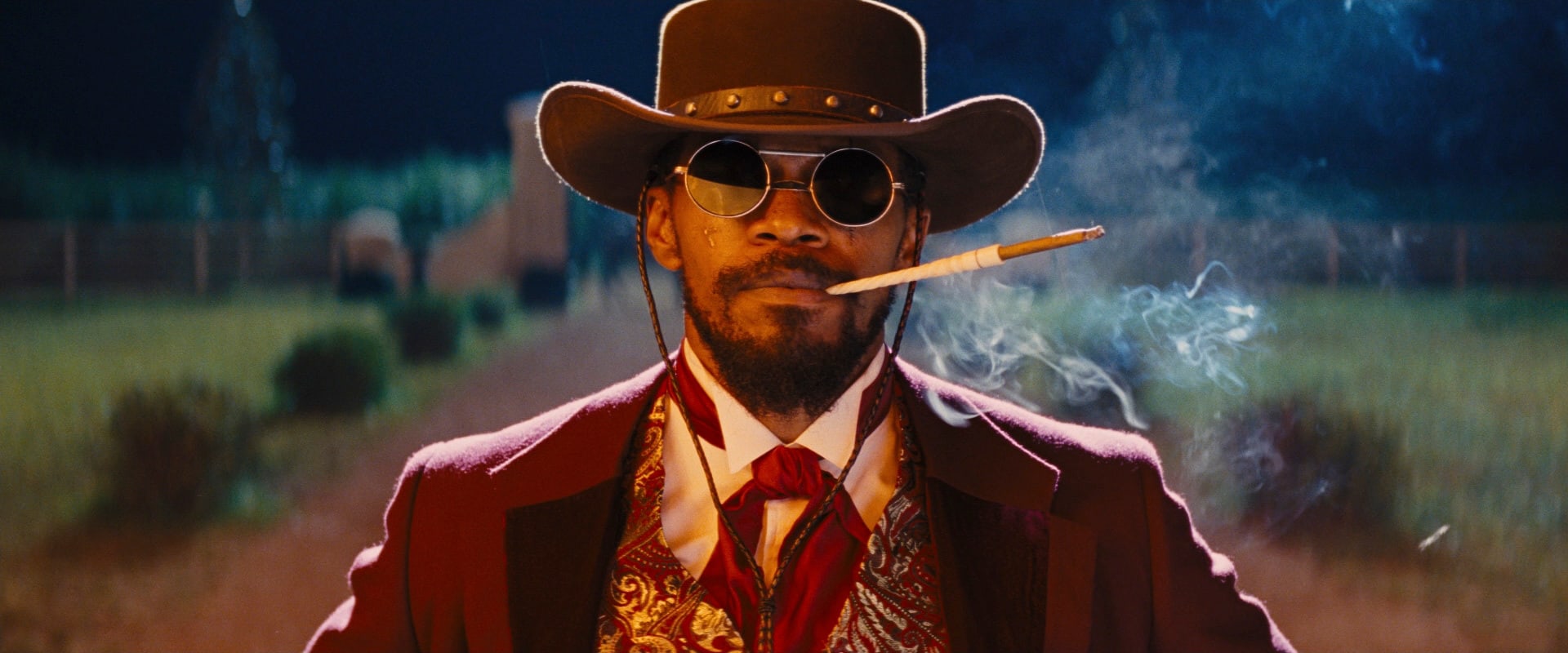
Quentin Tarantino built a cinema out of cinema itself, not homage but transfusion. He takes the blood of spaghetti westerns, blaxploitation, samurai films, and Hong Kong action and runs it through characters who talk the way nobody talks and mean everything they say. His frames are deliberate compositions of tension, his dialogue a form of controlled violence before any actual violence arrives. Nobody working in American film has a more specific relationship to genre: he doesn't use it as a container, he uses it as a language. Eight films in and the signature is unmistakable, not a style borrowed from the world but one that remade it.
Learn More →Signature Traits
Major Works
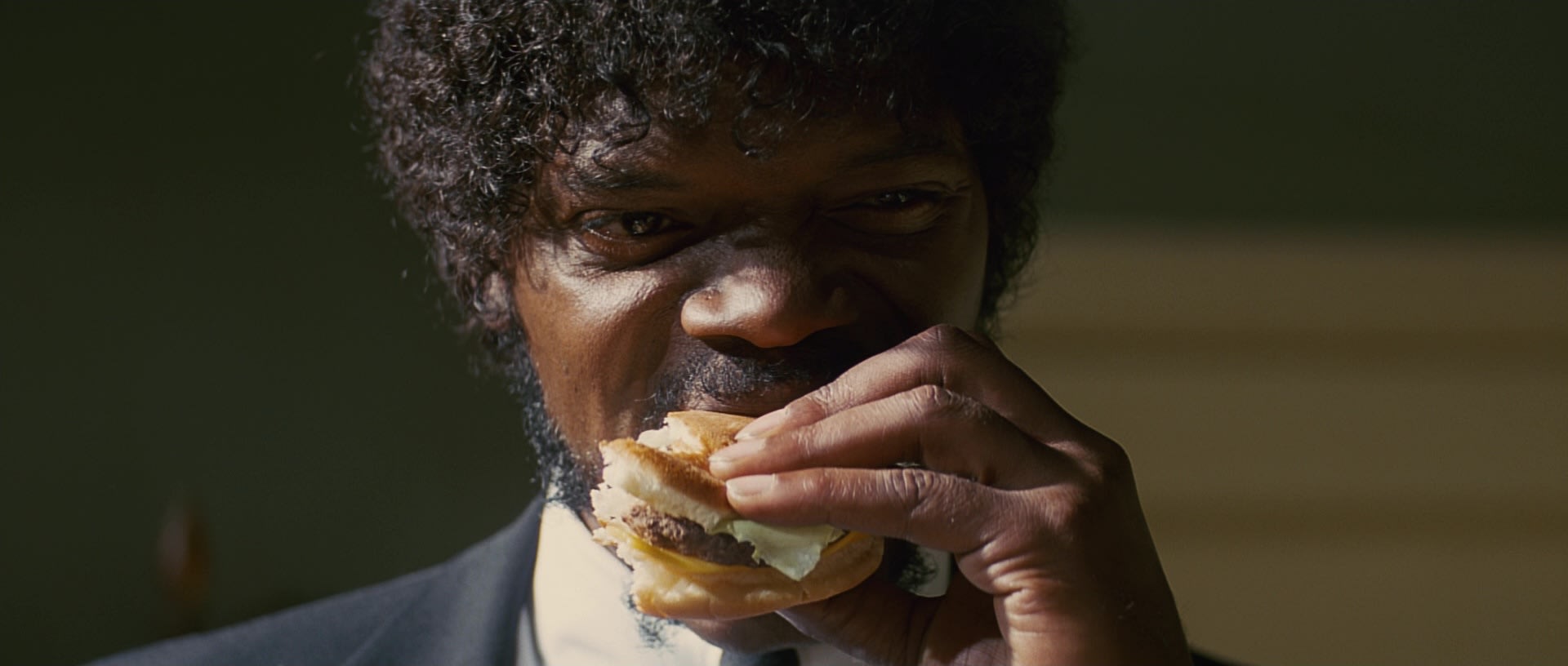
Pulp Fiction (1994)
Three interlocking Los Angeles stories told out of order, where the structure is the statement. The briefcase has no contents, the movie doesn't need them.
Inglourious Basterds (2009)
A WWII revenge fantasy built entirely from dialogue. The opening dairy farm interrogation runs twenty minutes and is the best scene he's ever made.
Kill Bill: Volume 1 (2003)
A samurai film, a kung fu film, and an anime sequence inside a western inside a revenge picture. The Crazy 88 fight is the most purely cinematic thing he's shot.