Dream Maker
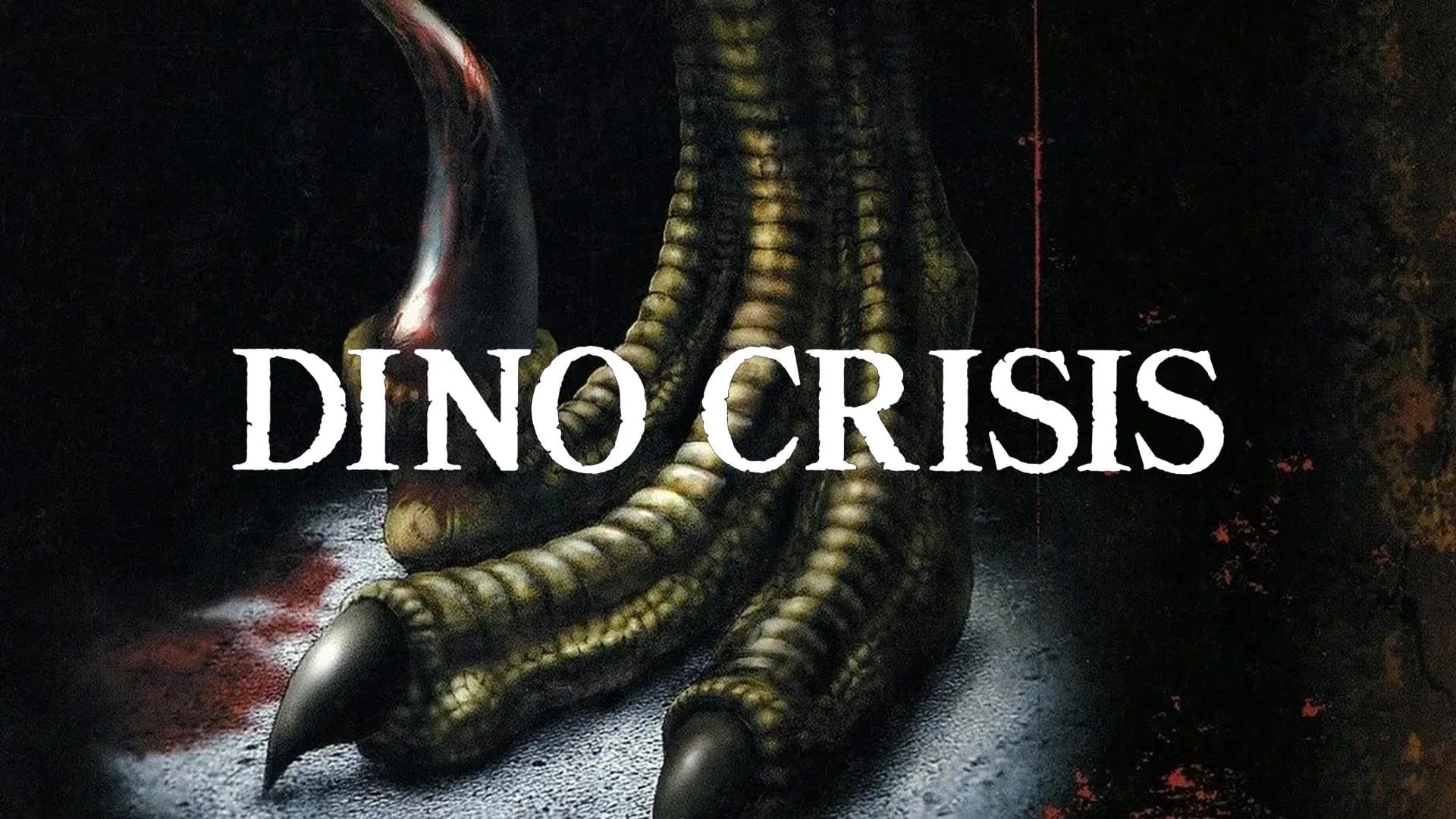
Shinji Mikami started his career making Disney games for Capcom, titles designed to cause zero existential dread. Then he built a haunted mansion full of zombies, called it Resident Evil, and spent the next three decades rewriting what fear feels like inside a machine. He invented a genre from scratch, watched it calcify into formula, then blew the formula apart himself with Resident Evil 4, a game so structurally radical it made everything before it look like a proof of concept. Where the original was about helplessness and claustrophobia, RE4 was about precision and momentum, the exhilarating horror of being outnumbered and still standing, and it invented the over-the-shoulder shooter template every action game since has either followed or consciously rejected. He broke his own mold and handed the pieces to an industry still using them.
Learn More →Signature Traits
Major Works
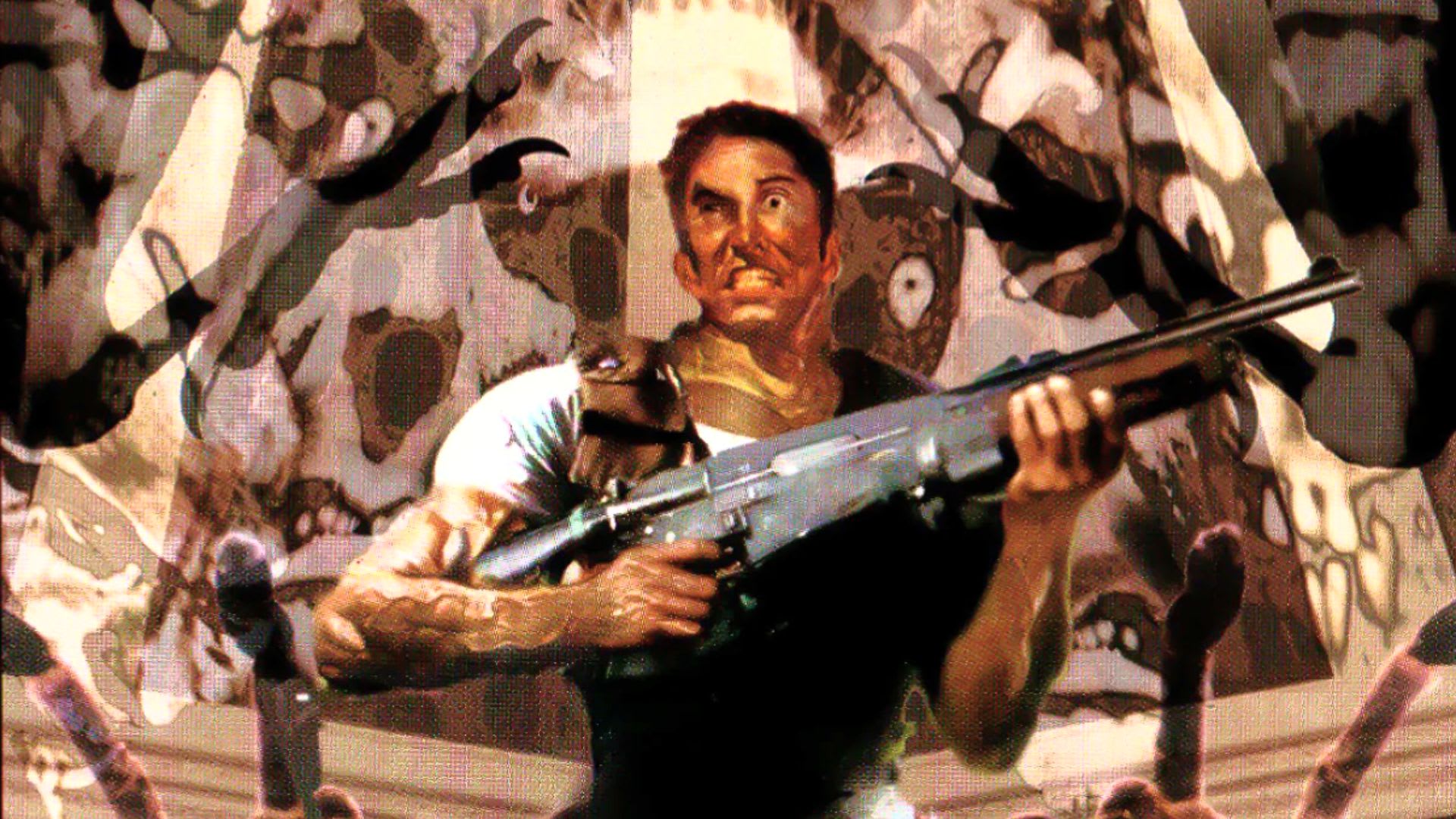
Resident Evil (1996)
The game that built survival horror as a commercial and artistic category. Fixed cameras, limited saves, and zombies in a mansion. The template that defined a decade of horror games and the baseline against which everything in the genre is still measured.
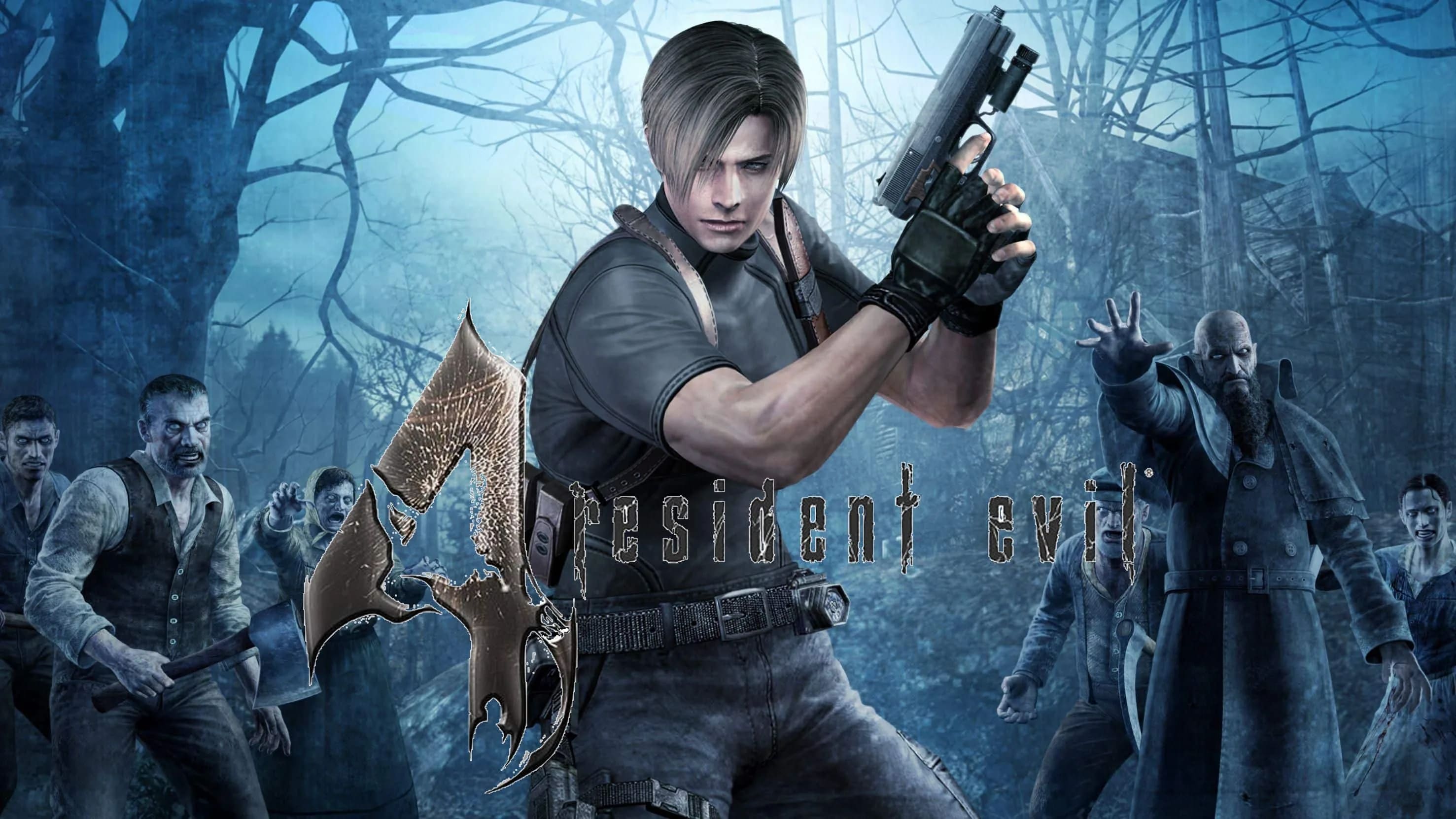
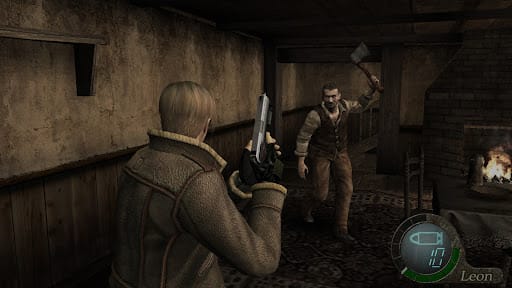
Resident Evil 4 (2005)
The most influential third-person action game ever made. He scrapped the entire project three times before arriving at something so structurally new that the industry spent fifteen years trying to catch up. Leon Kennedy. Las Plagas. The village. All of it.
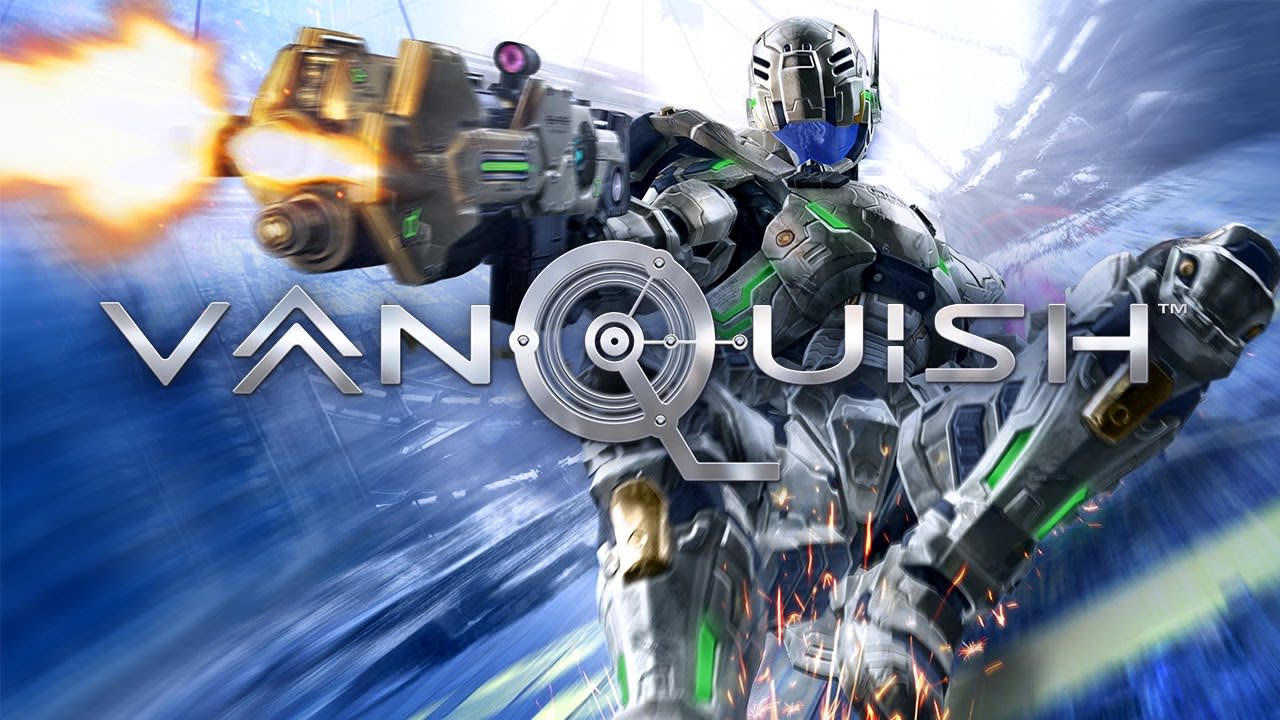
Vanquish (2010)
A rocket-propelled fever dream of kinetic action design. Underplayed on release. Recognized since as one of the most technically accomplished and purely enjoyable action games ever built. The one that proved the RE4 innovations were a philosophy, not a one-time accident.