Director
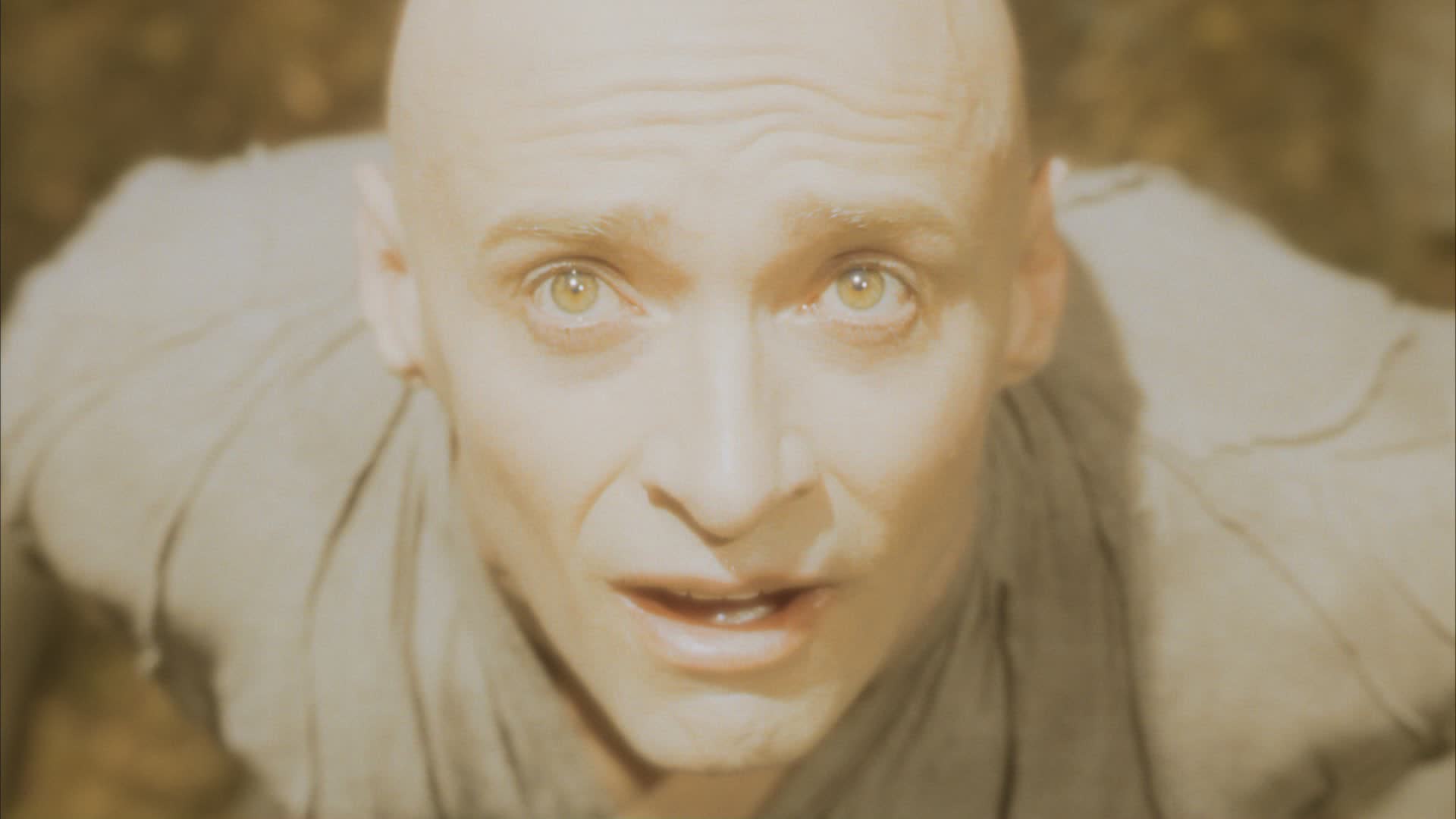
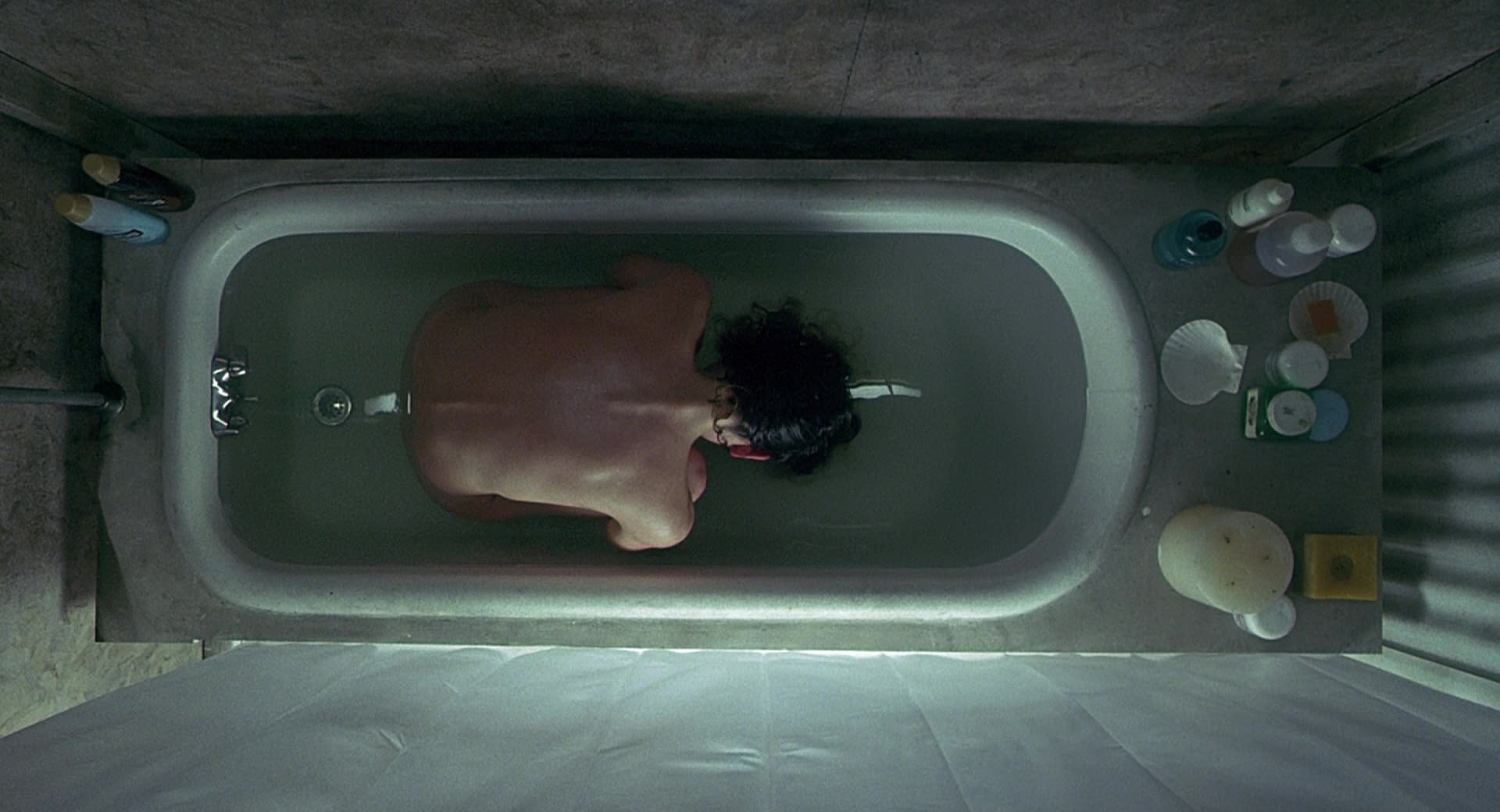
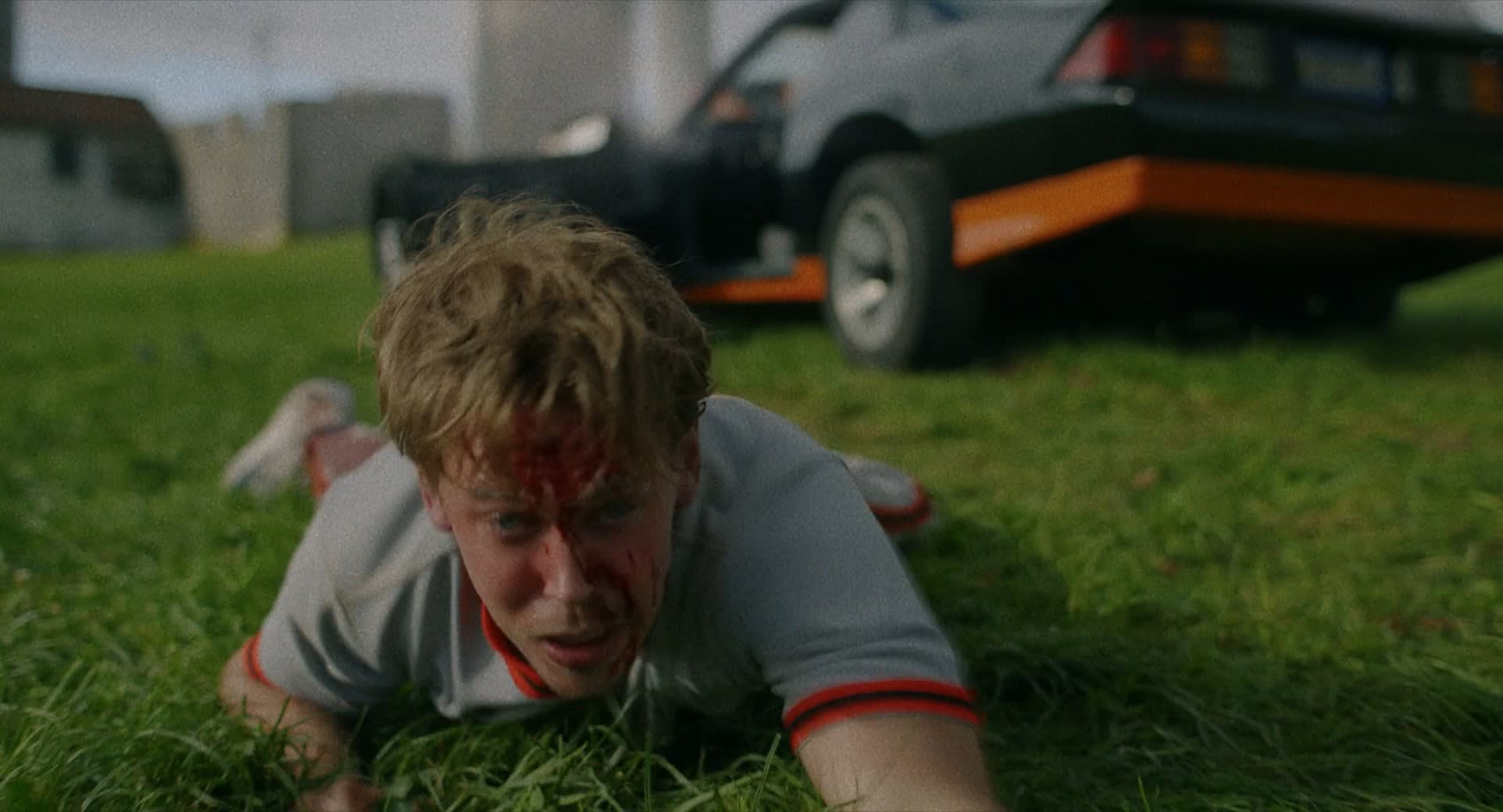
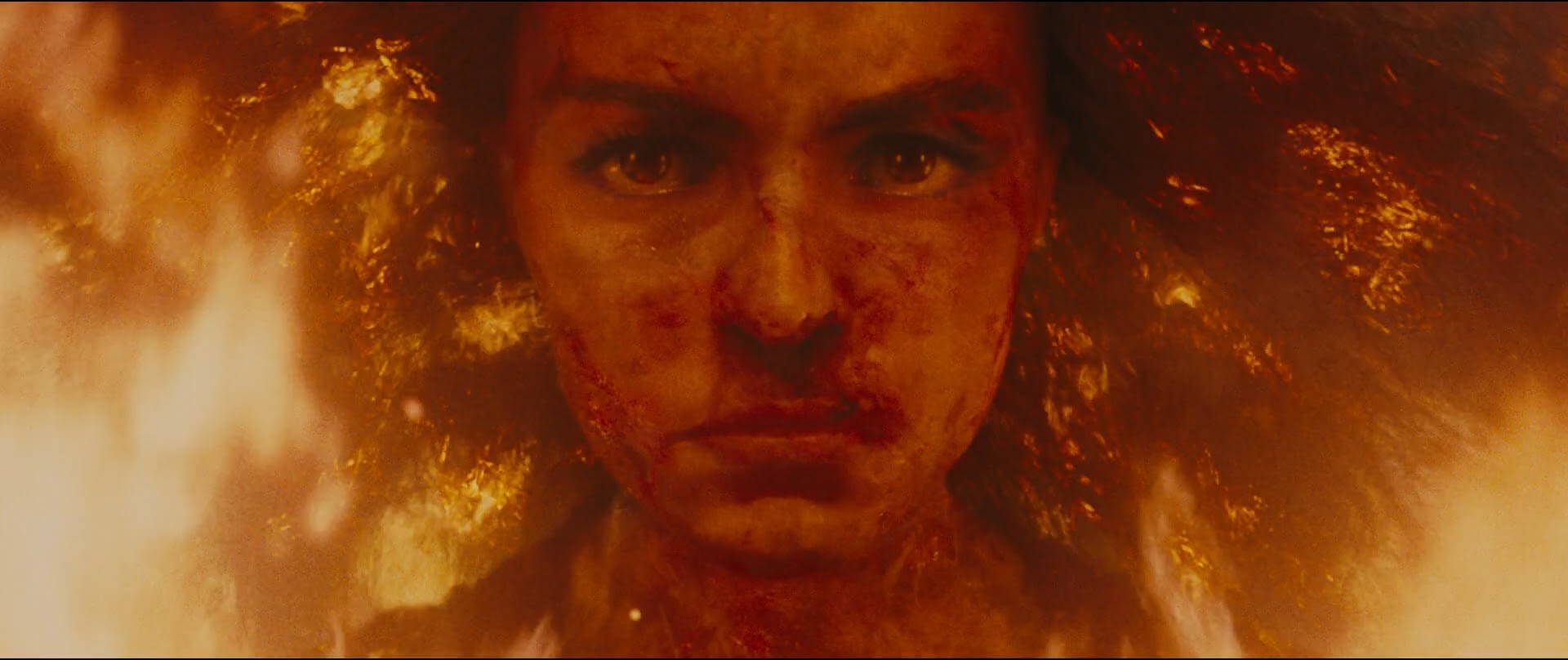
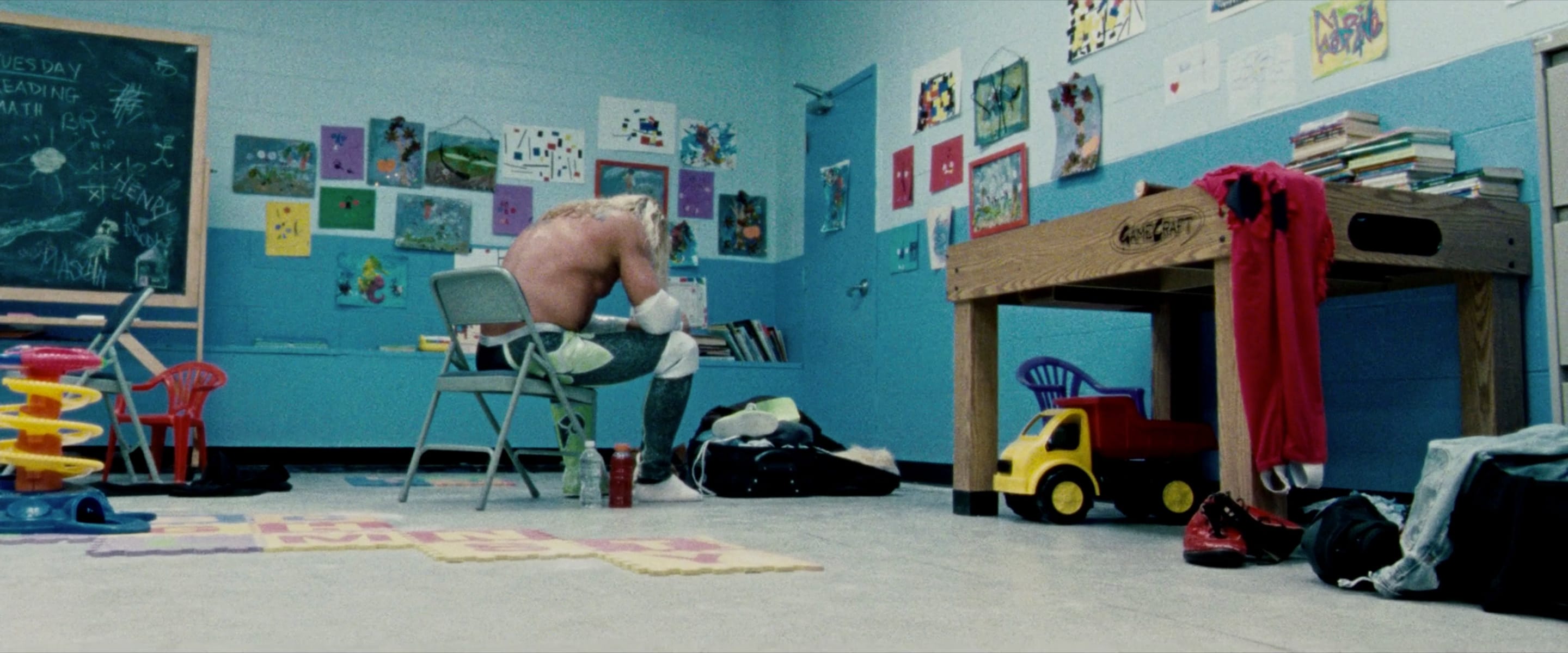
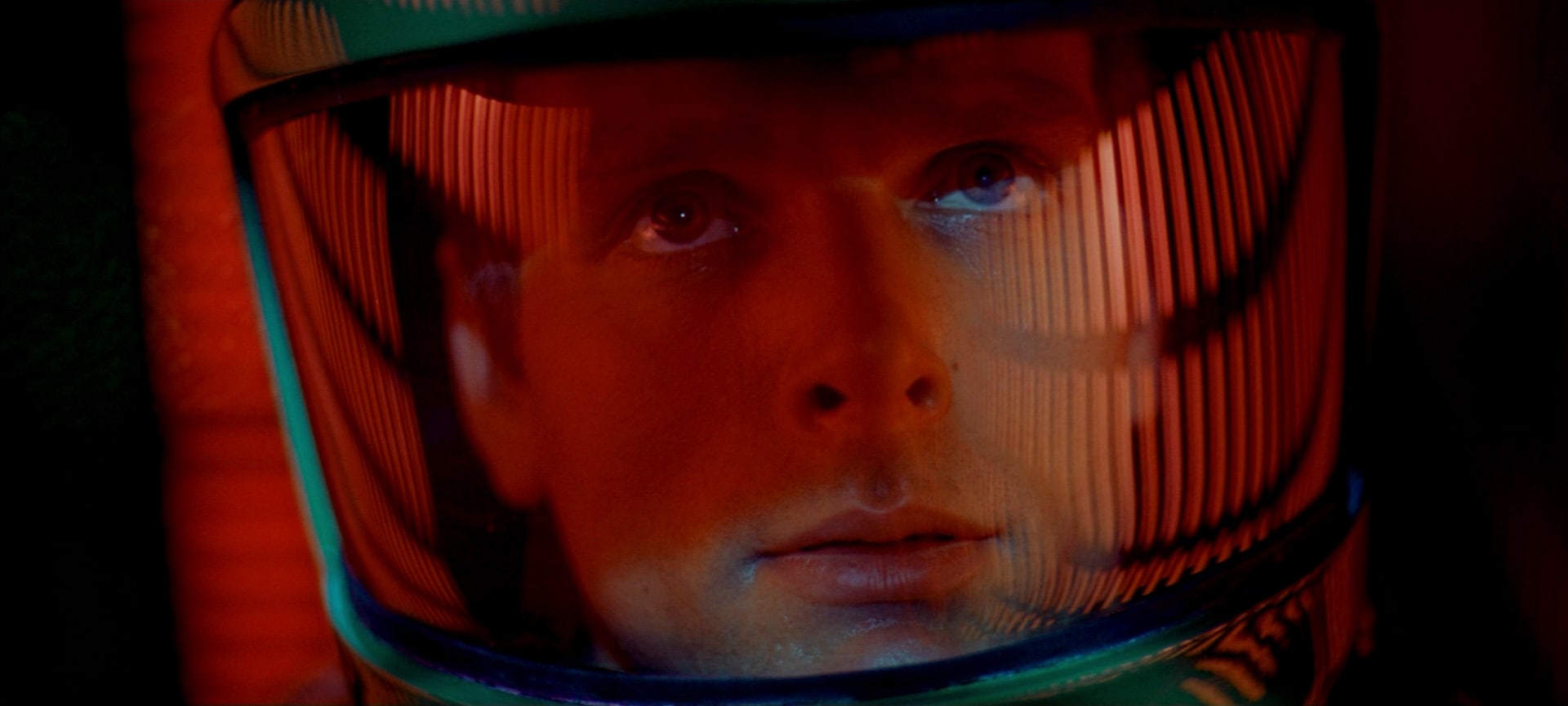
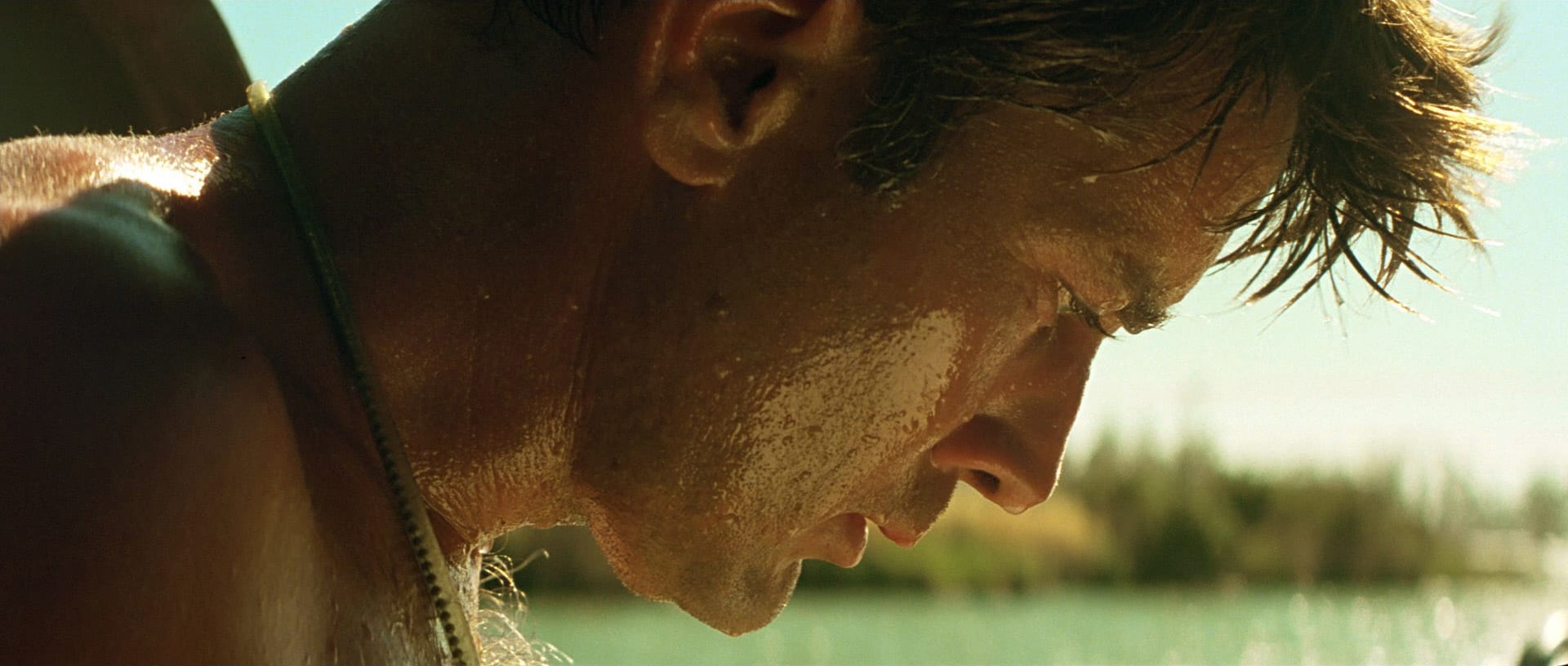
Aronofsky makes films that get under your skin and stay there. His camera doesn't observe his characters, it inhabits them, pressing so close you feel their compulsions as your own. From the fractured mathematics of Pi to the narcotic spiral of Requiem for a Dream to the corporeal horror of Black Swan, he has spent his career mapping the precise geography where obsession tips into annihilation. Nobody shoots a breakdown quite like him. The hip-hop montage, the extreme close-up, the mirror that lies. His technique is inseparable from his pathology, and that's exactly what makes him irreplaceable.
Learn More →Signature Traits
Major Works
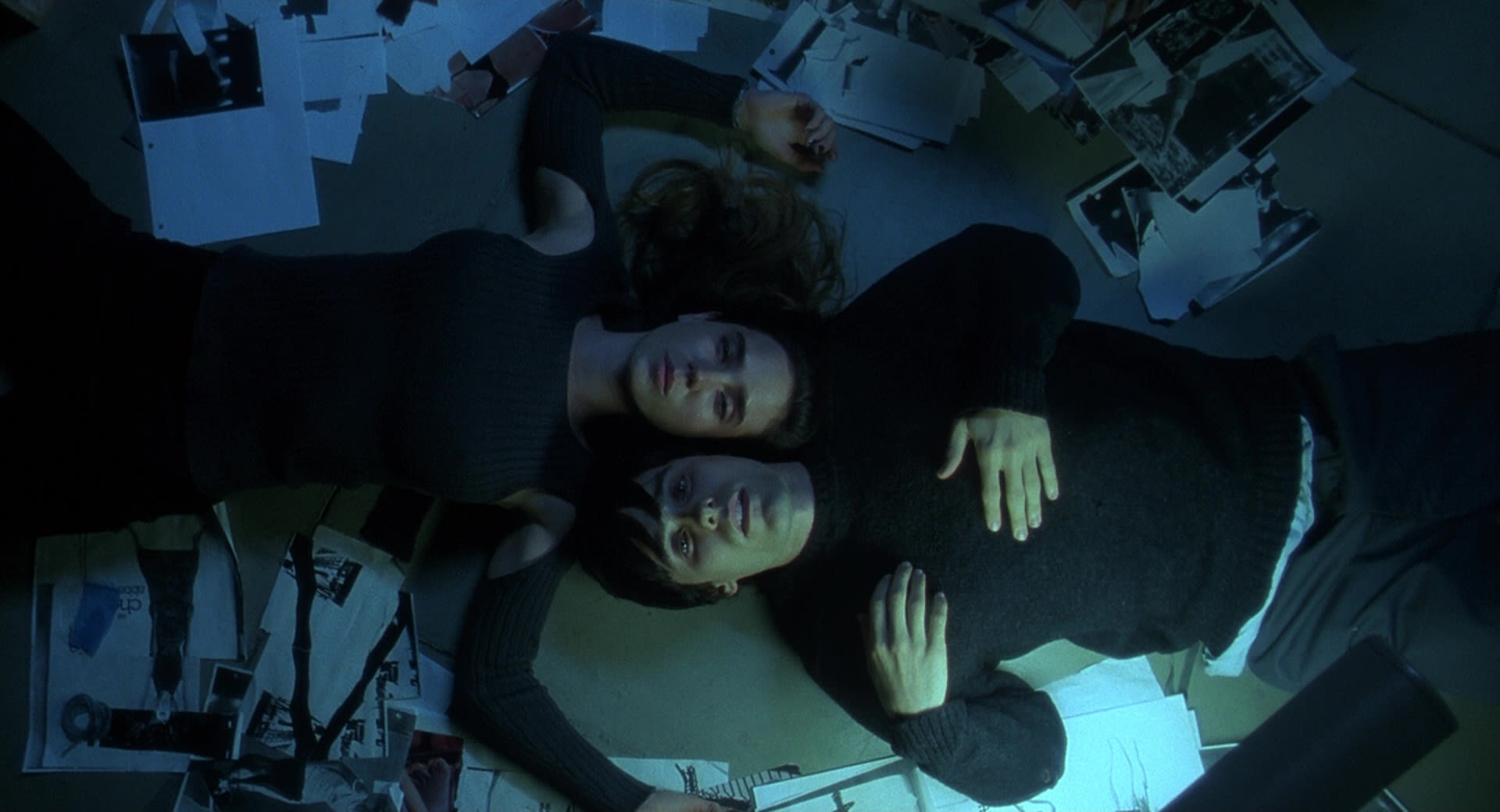
Requiem for a Dream (2000)
Four addictions, four destructions. The most viscerally uncomfortable film about desire ever made.
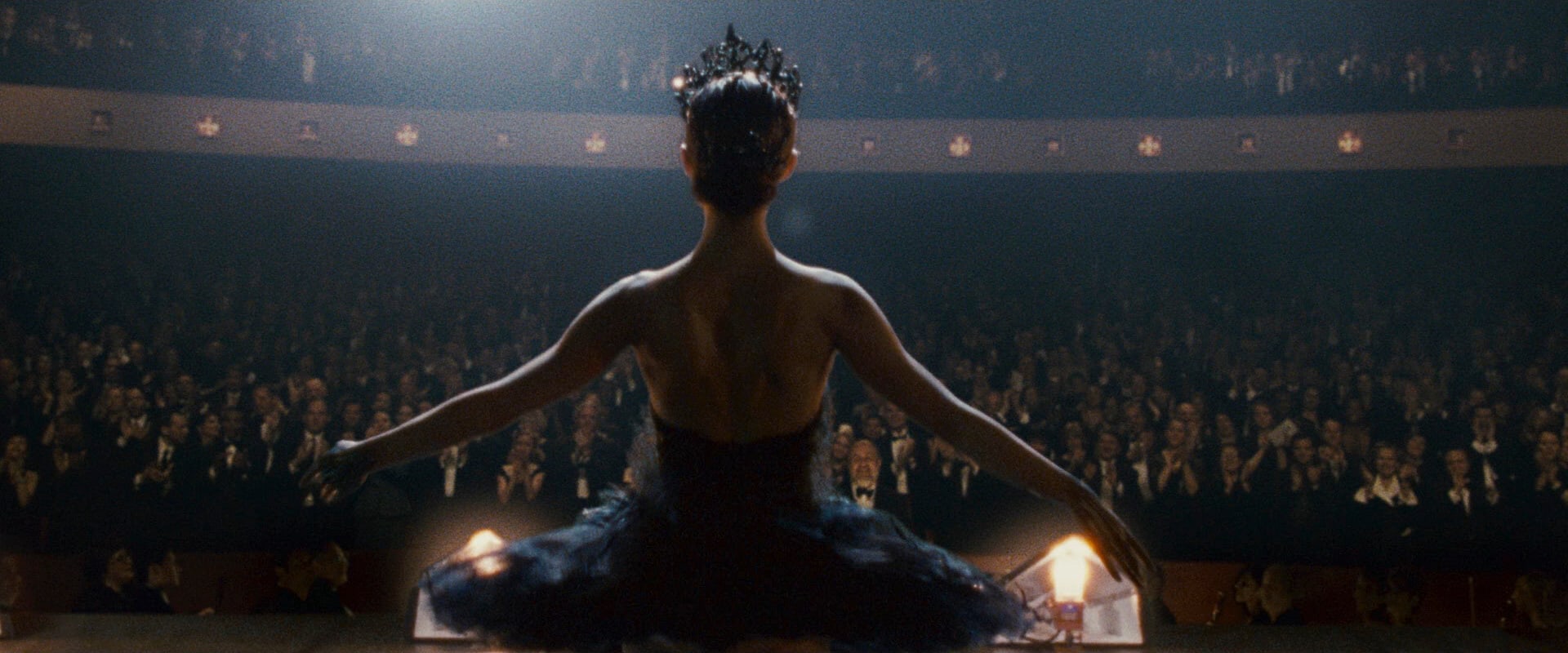
Black Swan (2010)
Perfectionism as self-annihilation. Natalie Portman dissolving into the role. Horror through ballet.
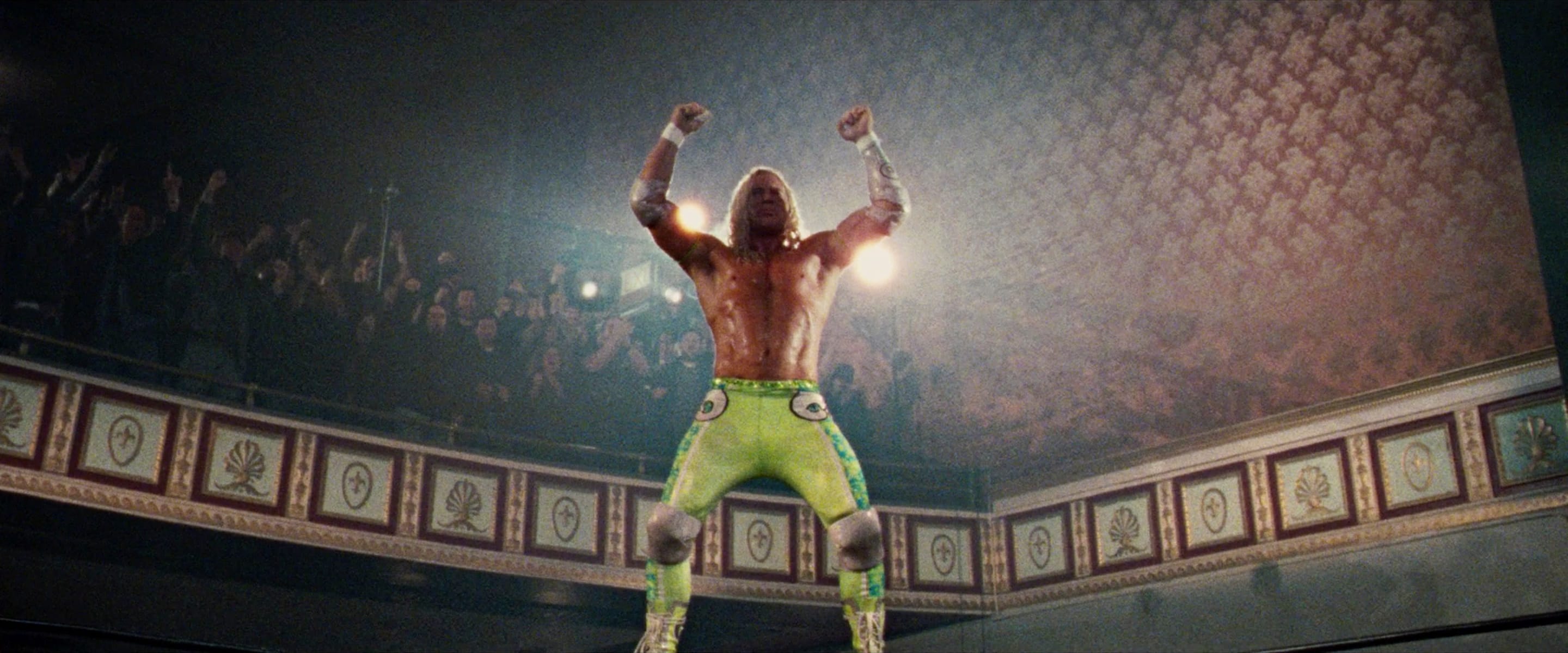
The Wrestler (2008)
Mickey Rourke's career resurrection and Aronofsky's most humane film. Quiet devastation.