Photographer
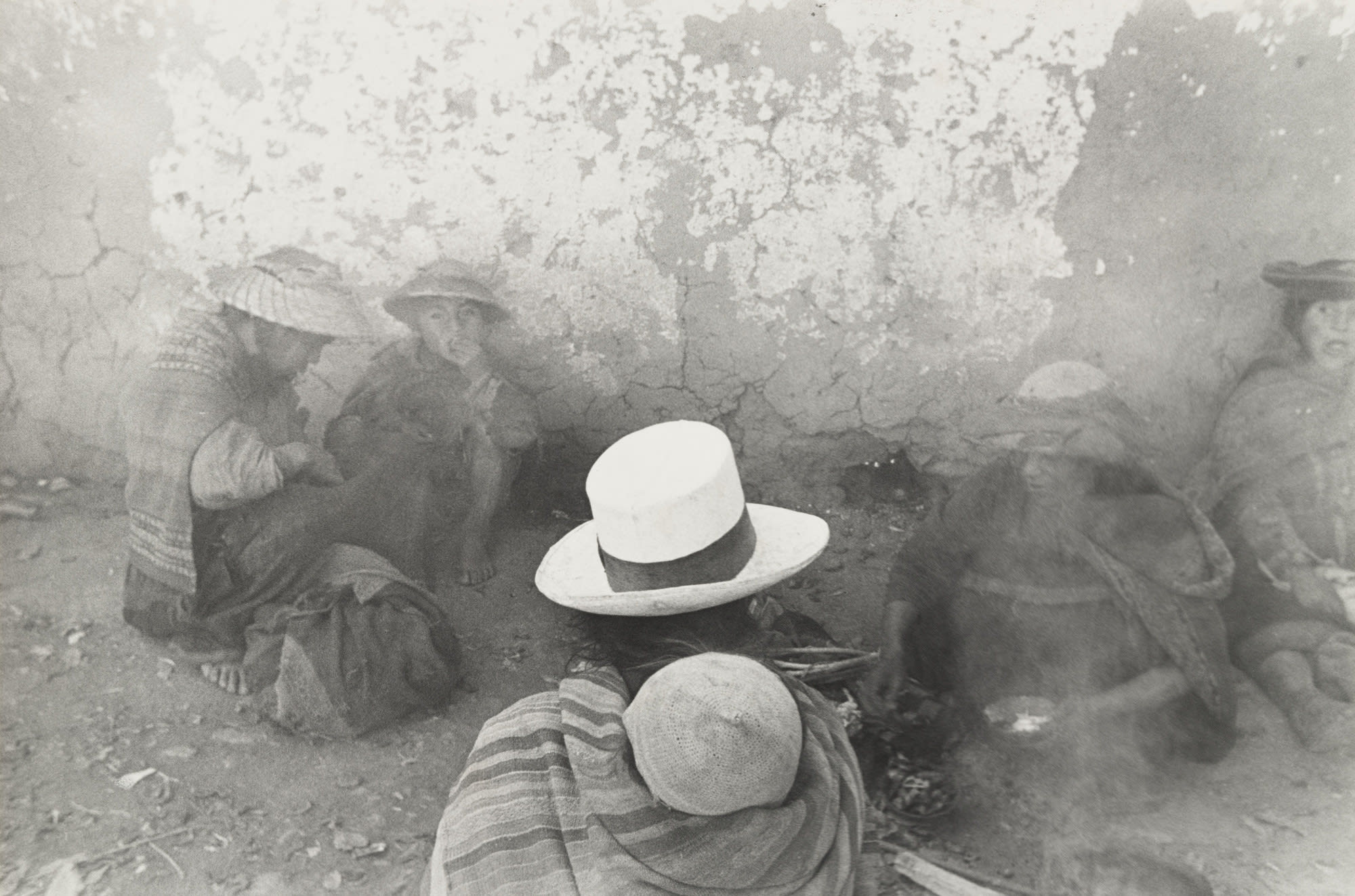
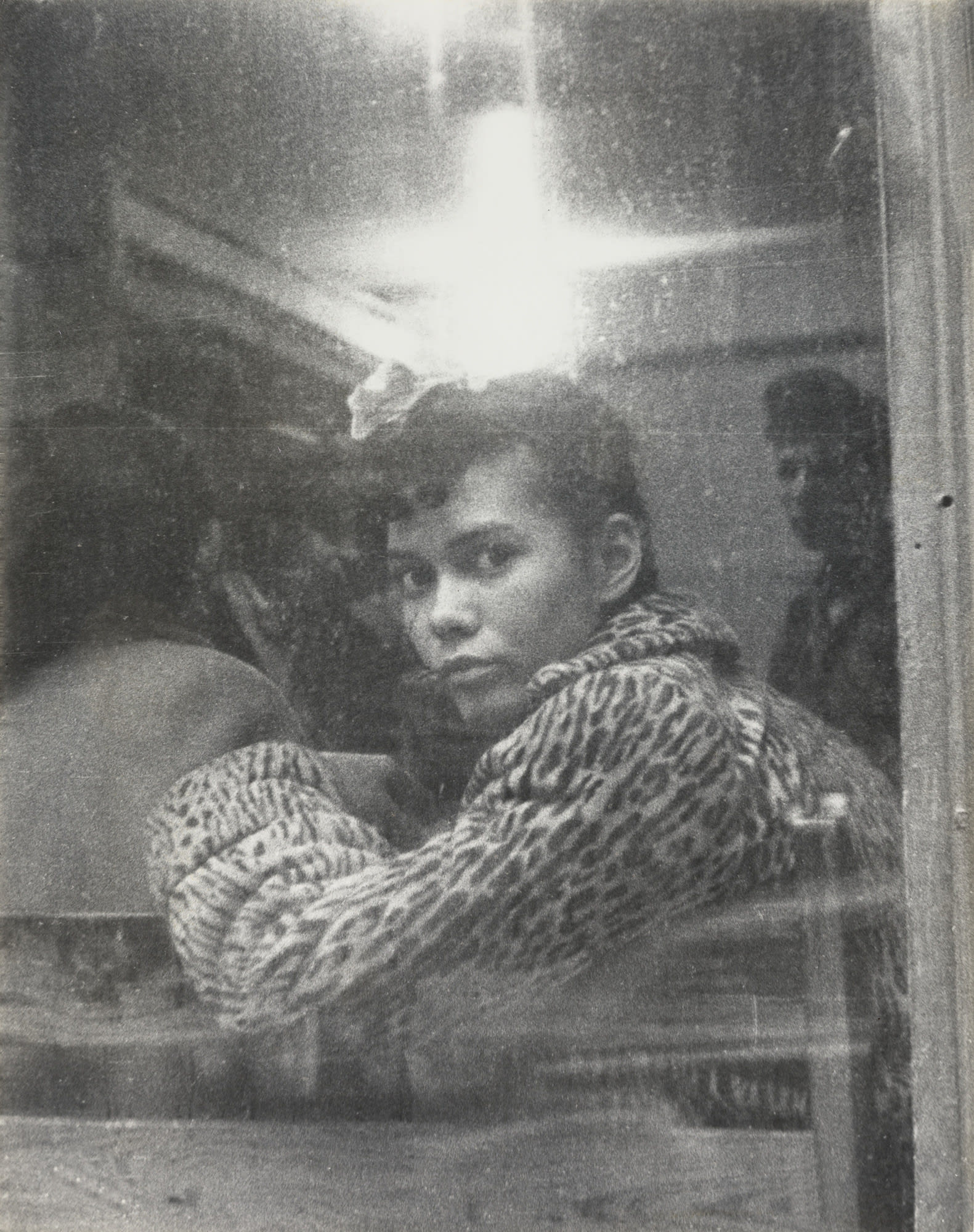
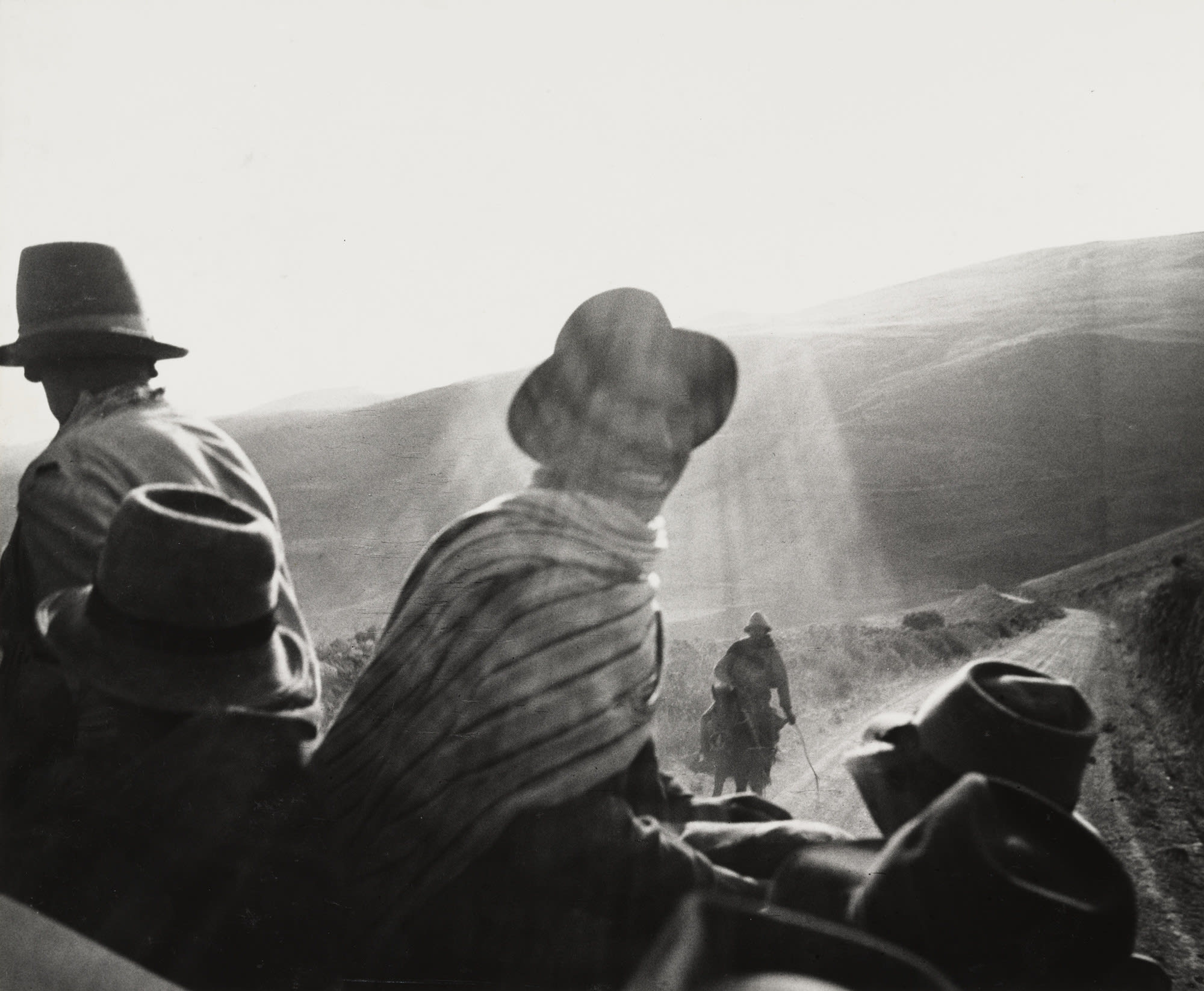
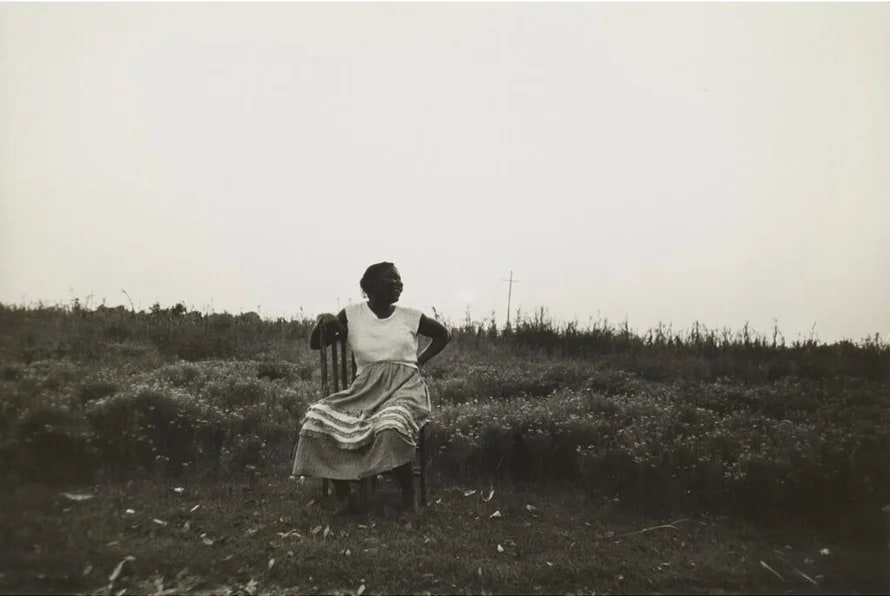
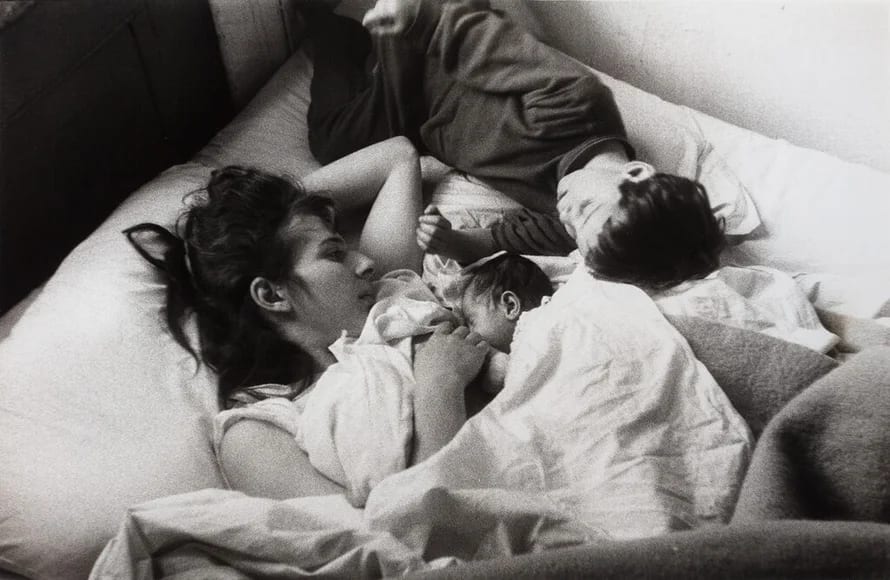
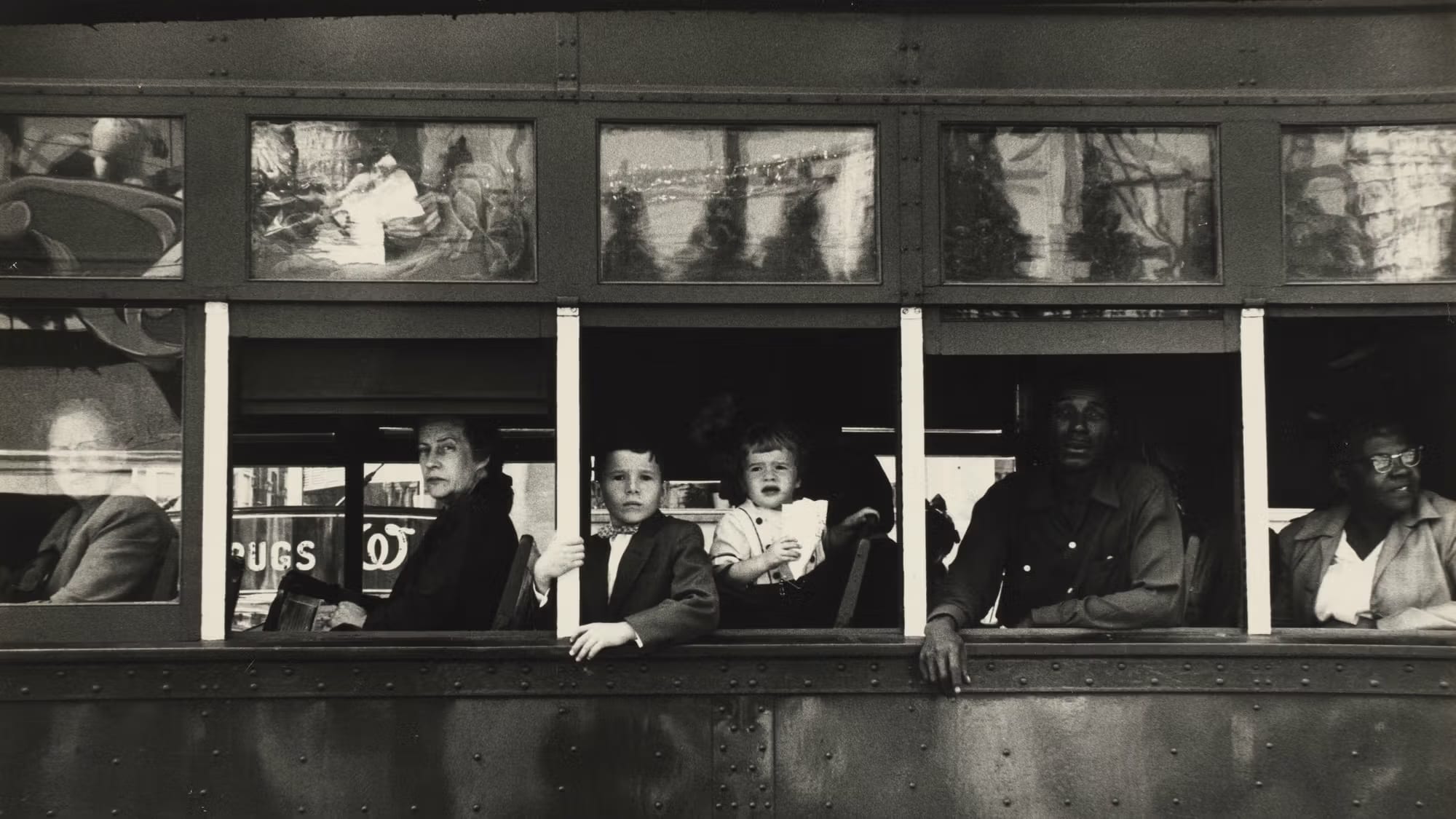
Robert Frank drove across America with a Guggenheim grant and a Leica and came back with a book nobody wanted to publish. When The Americans finally came out, tilted horizons, blown highlights, grief on every corner, it broke the polished documentary tradition Walker Evans and Cartier-Bresson had spent decades building and replaced it with something rawer and truer to what he'd actually seen. He was Swiss by birth and an outsider by permanent condition, which is exactly why he could photograph American loneliness so precisely, jukeboxes, segregated buses, a flag draped over a whole city block, nobody else was standing close enough to notice. After the book made him famous he mostly walked away from still photography and spent the following decades in film instead, restless in the same way in a different medium.
Learn More →Signature Traits
Major Works
The Americans (1958)
Two years and ten thousand miles distilled into eighty-three photographs, rejected by American publishers before Robert Delpire released it in France first. It remains the most influential photobook of the twentieth century.
Pull My Daisy (1959)
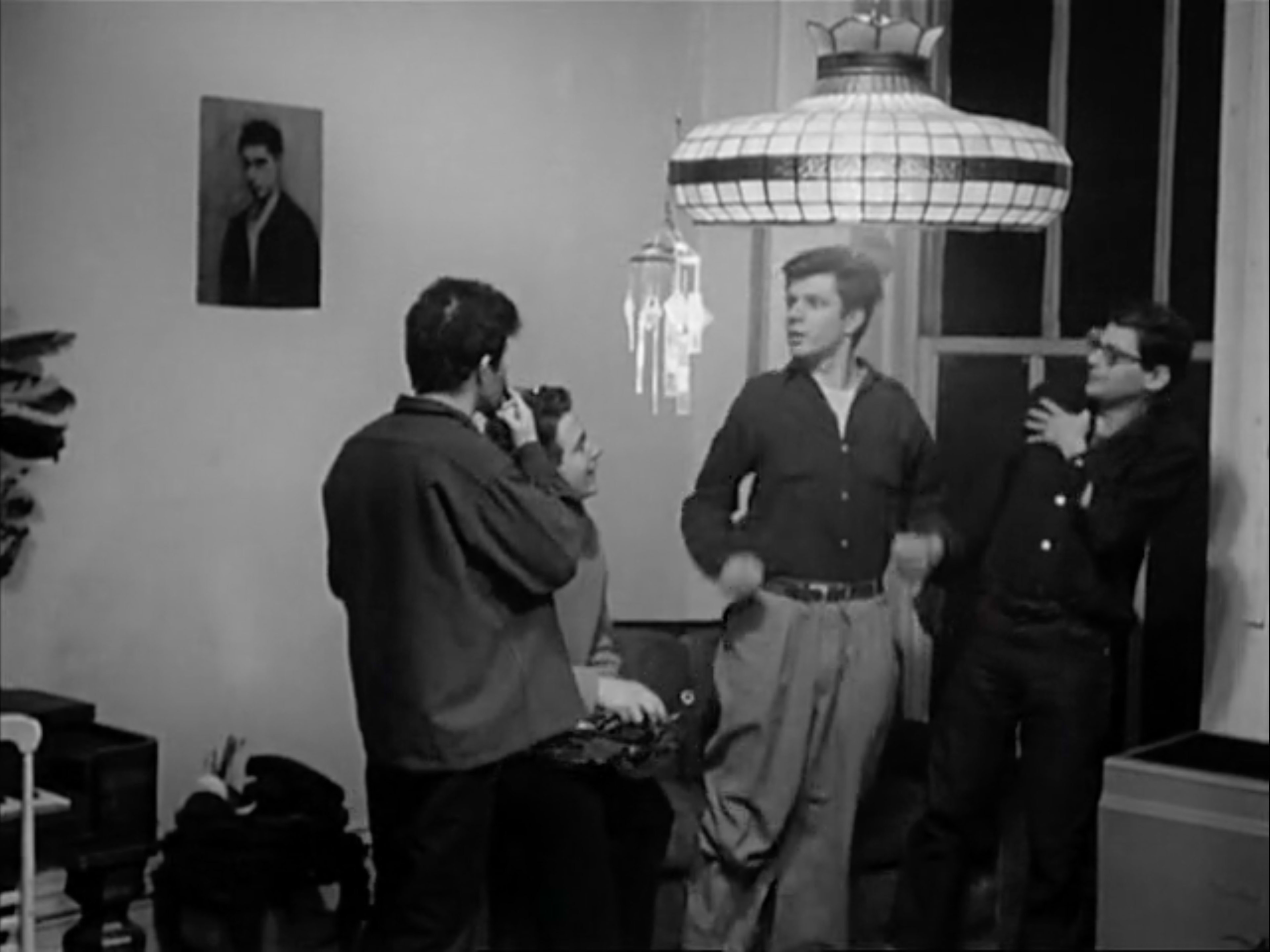
A Beat Generation short co-directed with Alfred Leslie, narrated by Jack Kerouac improvising over footage of Allen Ginsberg and Gregory Corso. His pivot into film, made almost immediately after The Americans.
The Lines of My Hand (1972)
A raw, autobiographical monograph assembled after fame, mixing family photographs and personal loss in with the work. The deliberate opposite of the detached observer who made The Americans.