Cinematographer
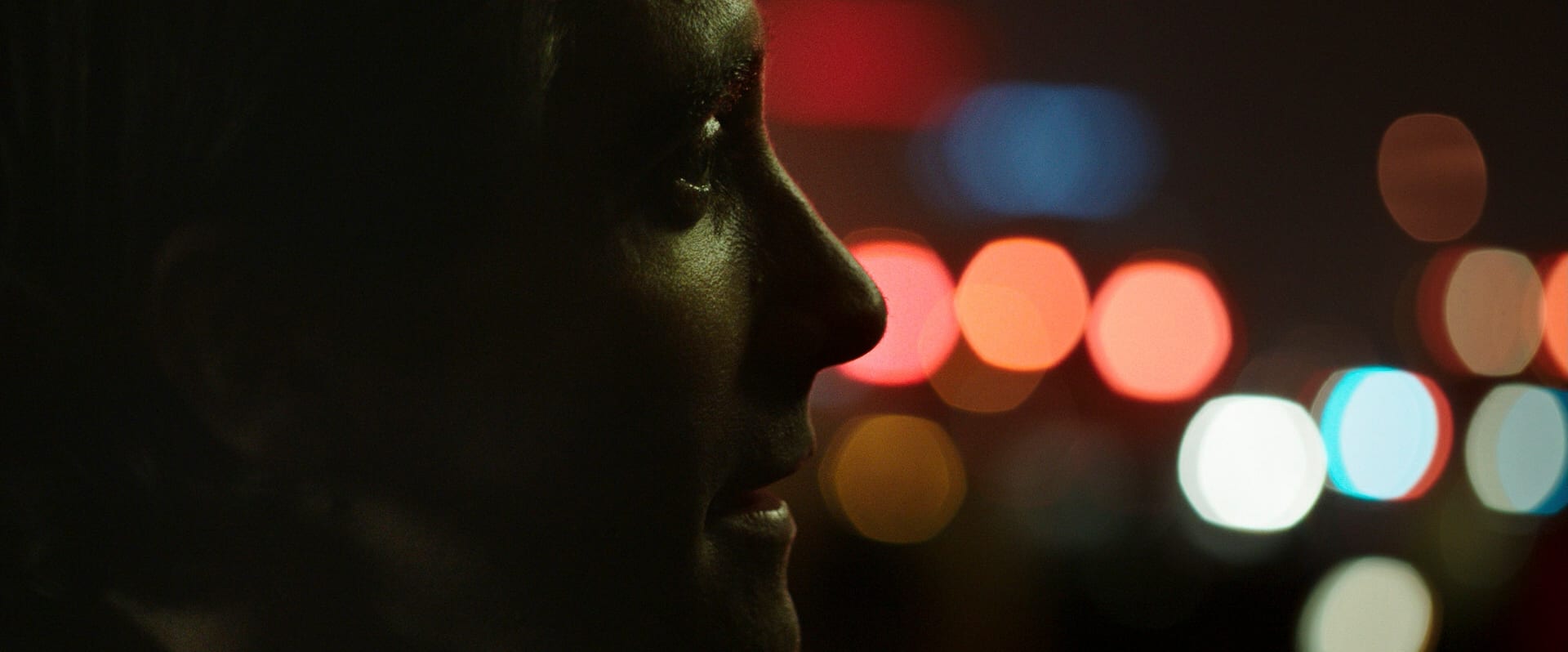
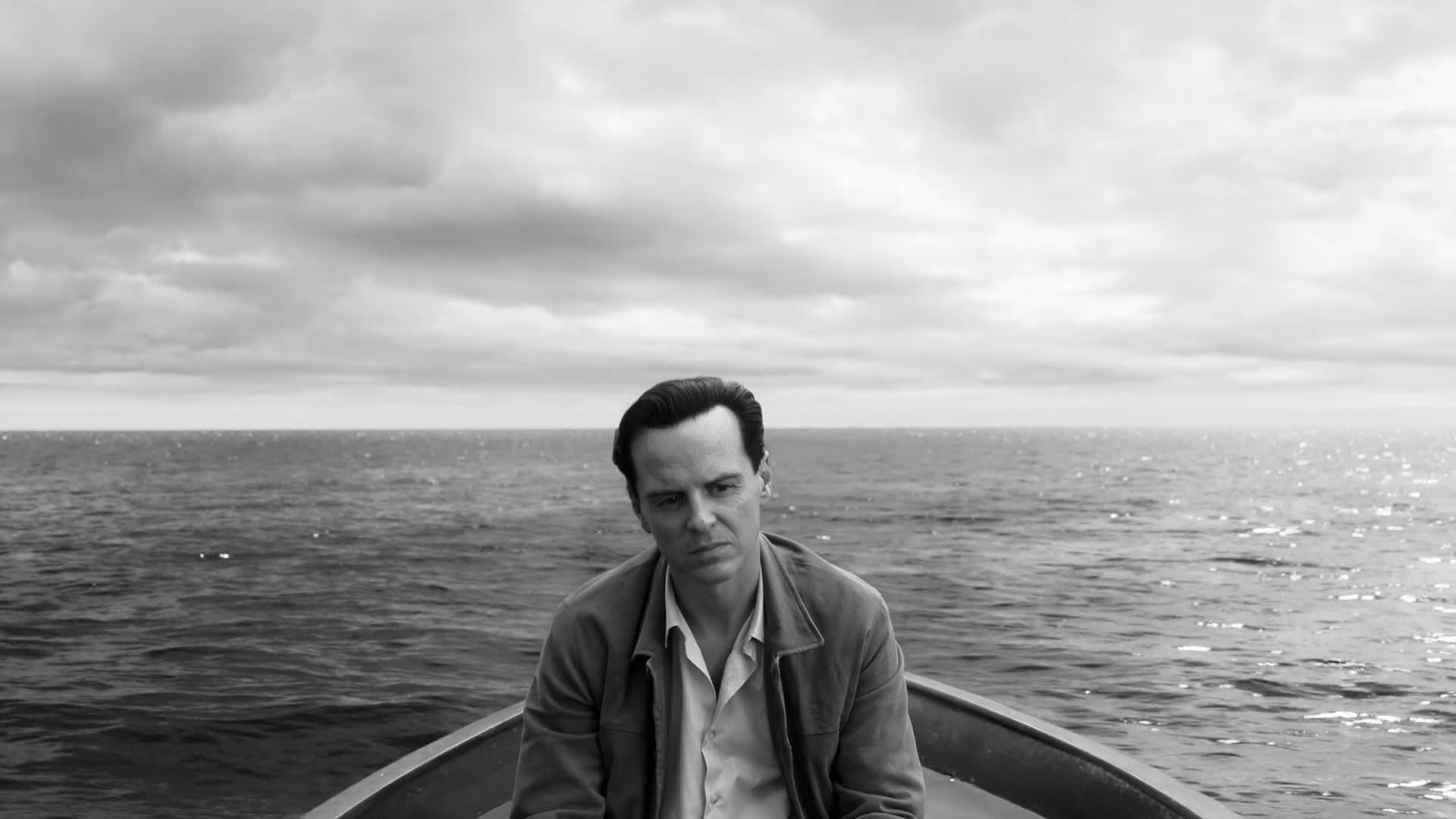
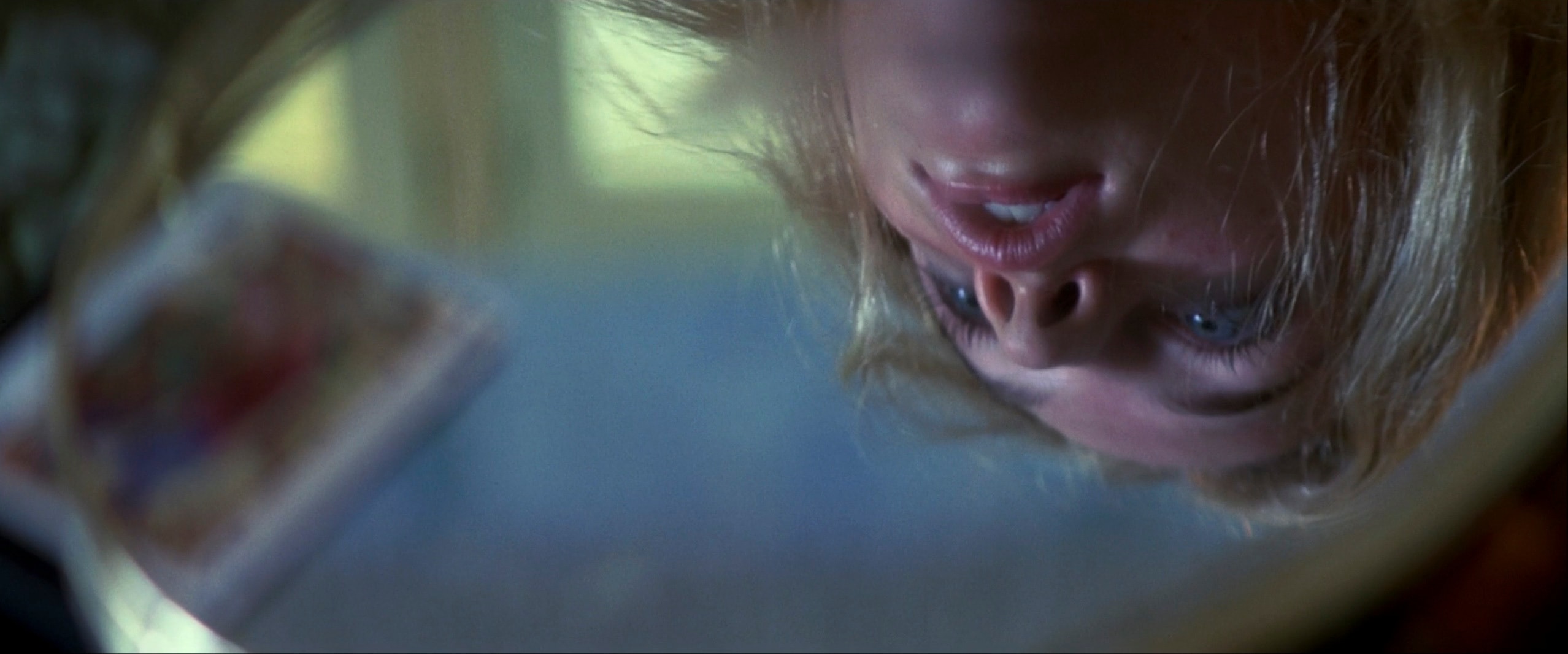
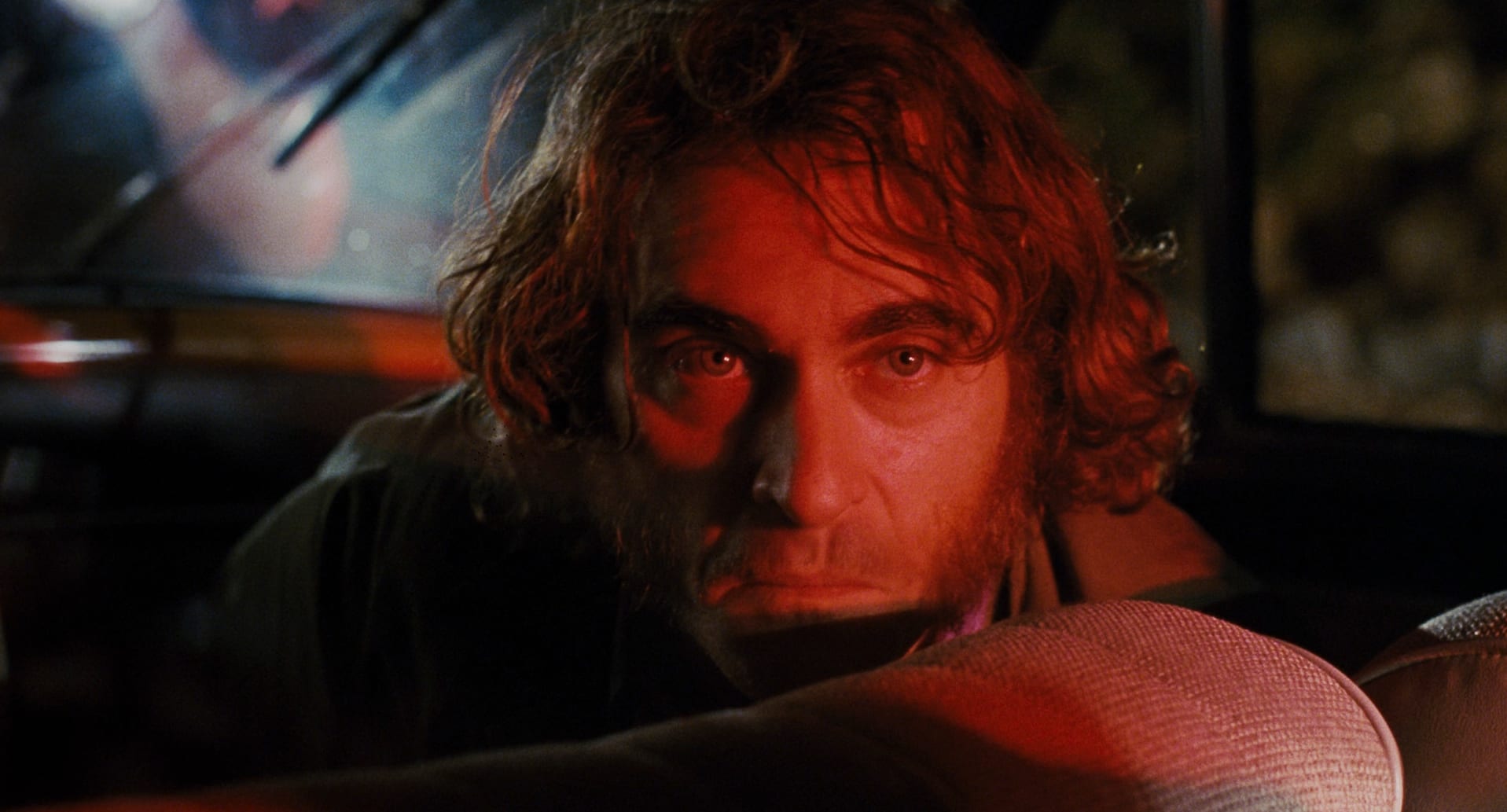
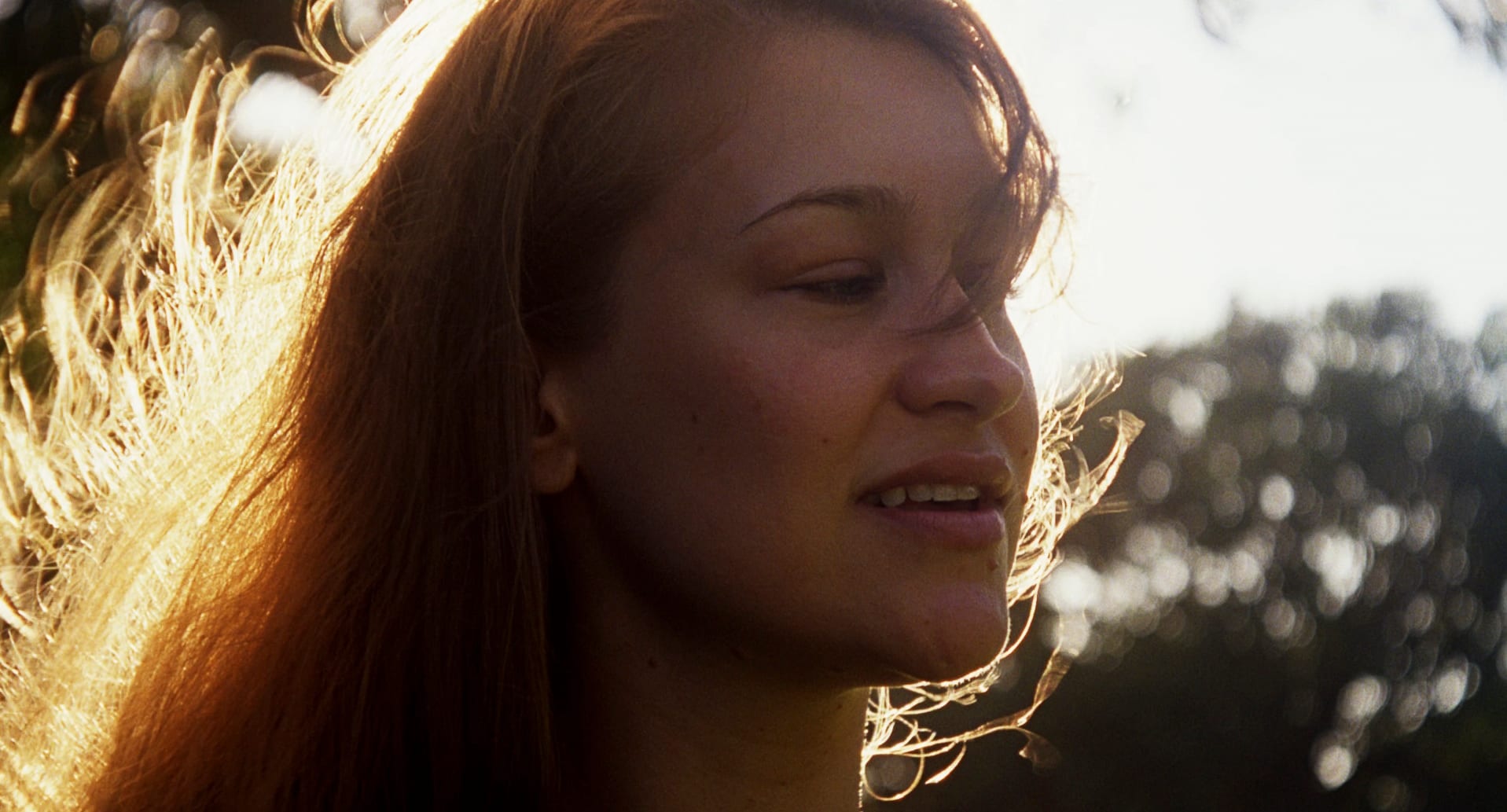
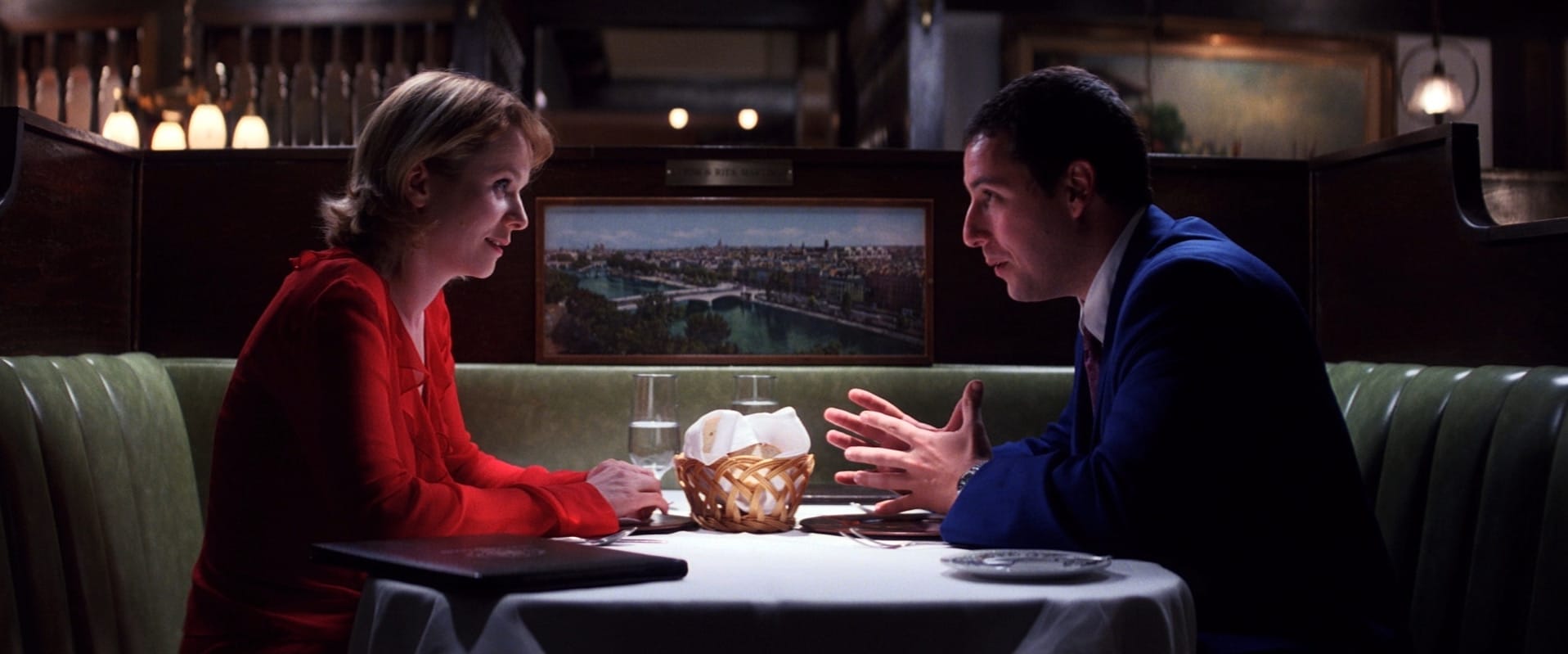
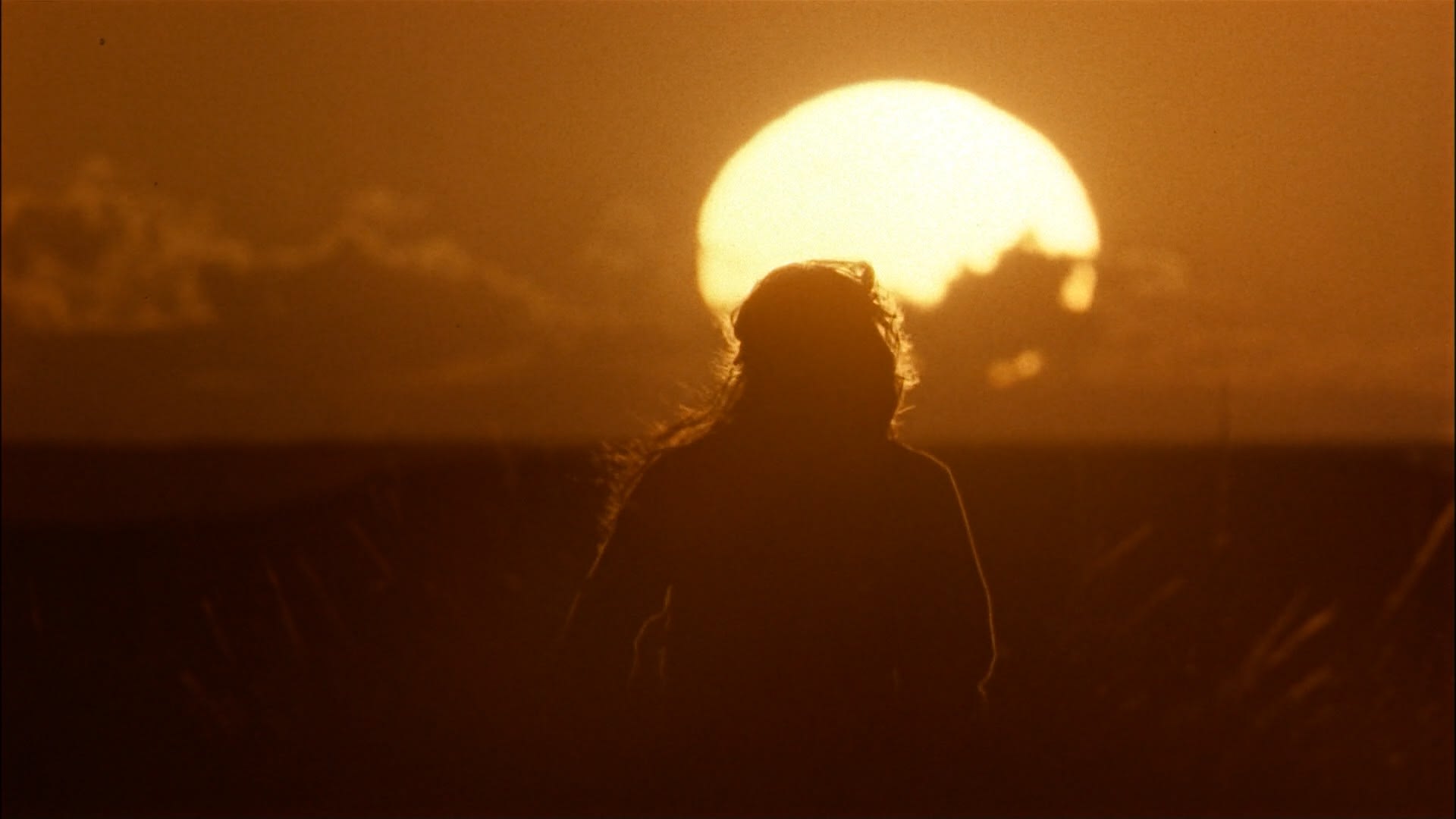
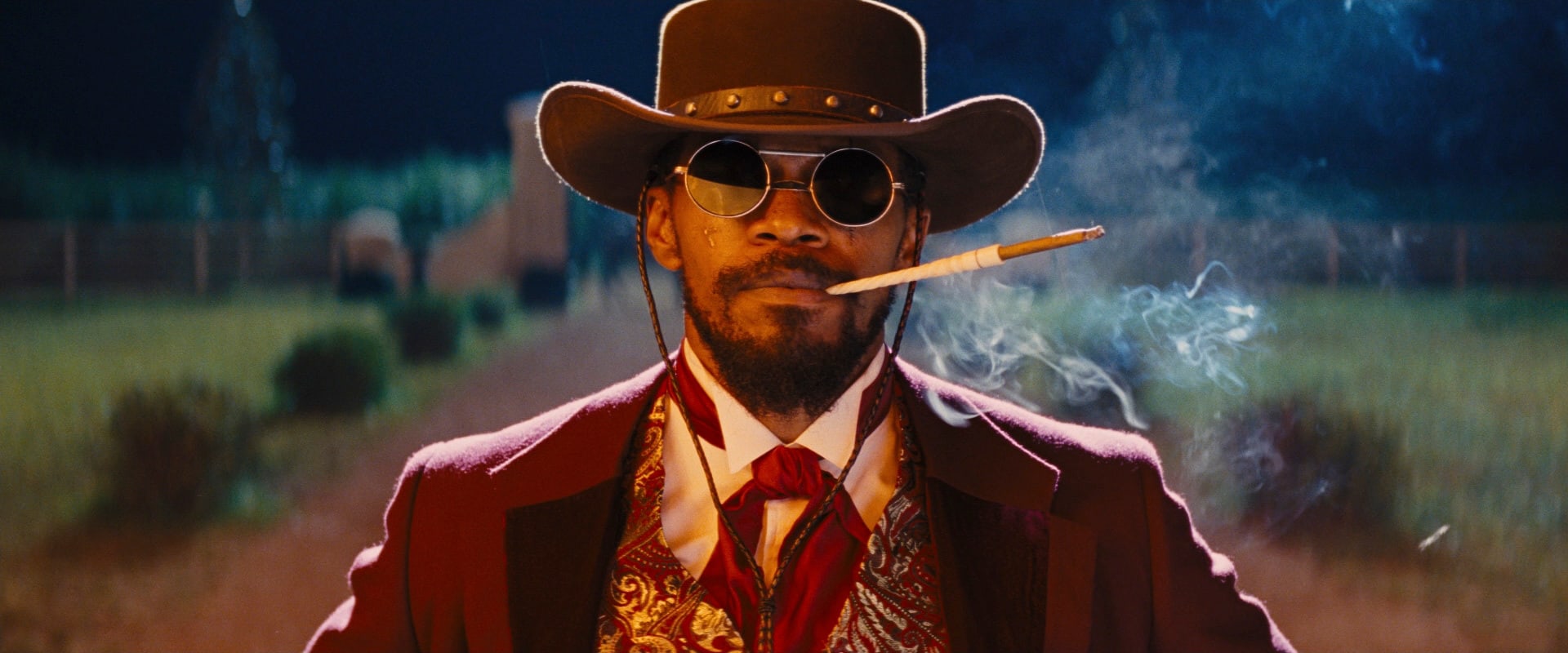
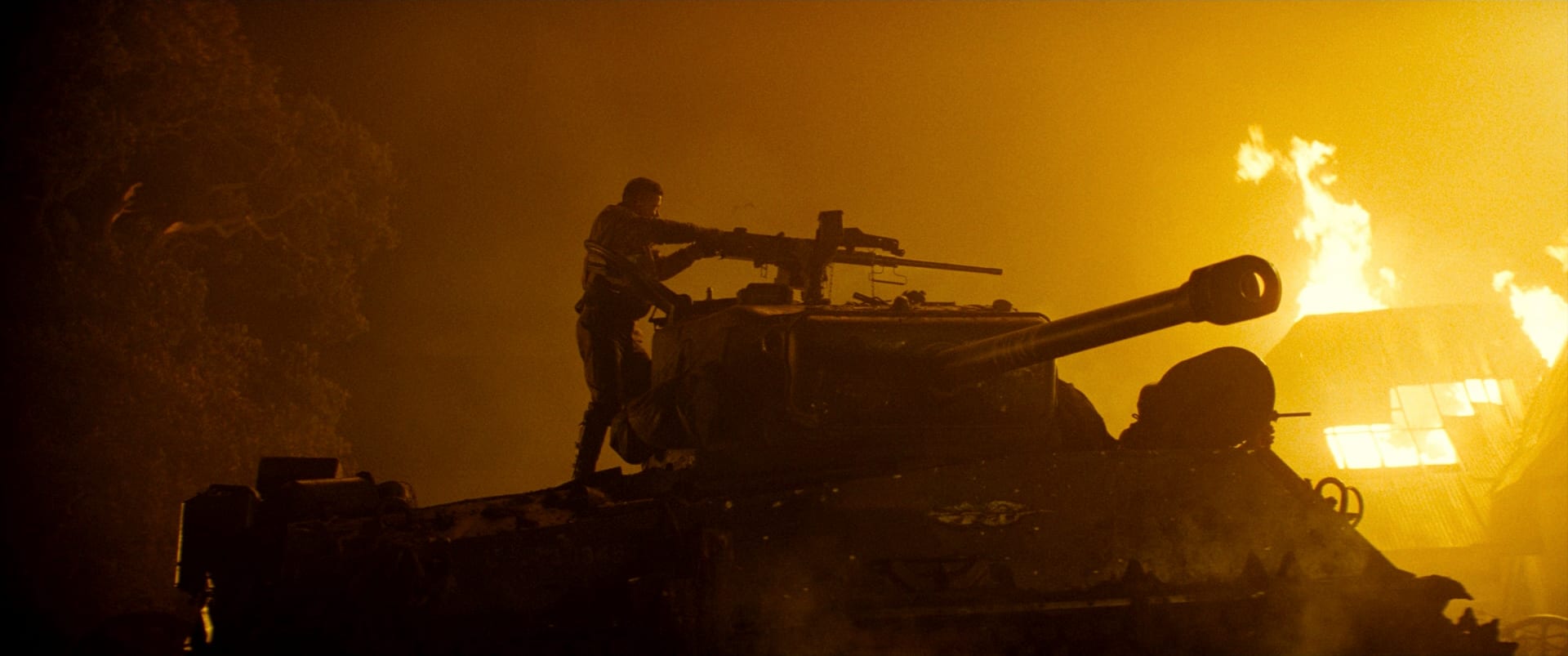
Robert Elswit shoots like a journalist who studied painting. His frames have the immediacy of someone who earned access to the room and the compositional intelligence of someone who knew exactly what to do once inside it. A decades-long collaborator with Paul Thomas Anderson, he built the visual language of Boogie Nights, Magnolia, and There Will Be Blood, three films that look nothing alike and all look exactly like him. His work has a specific texture, grain, handheld urgency, practical sources pushed past comfort, that feels lived in rather than designed. Nightcrawler alone would be enough, that sickly Los Angeles amber, the city as a predator's hunting ground, lit to make everything look simultaneously beautiful and wrong.
Learn More →Signature Traits
Major Works
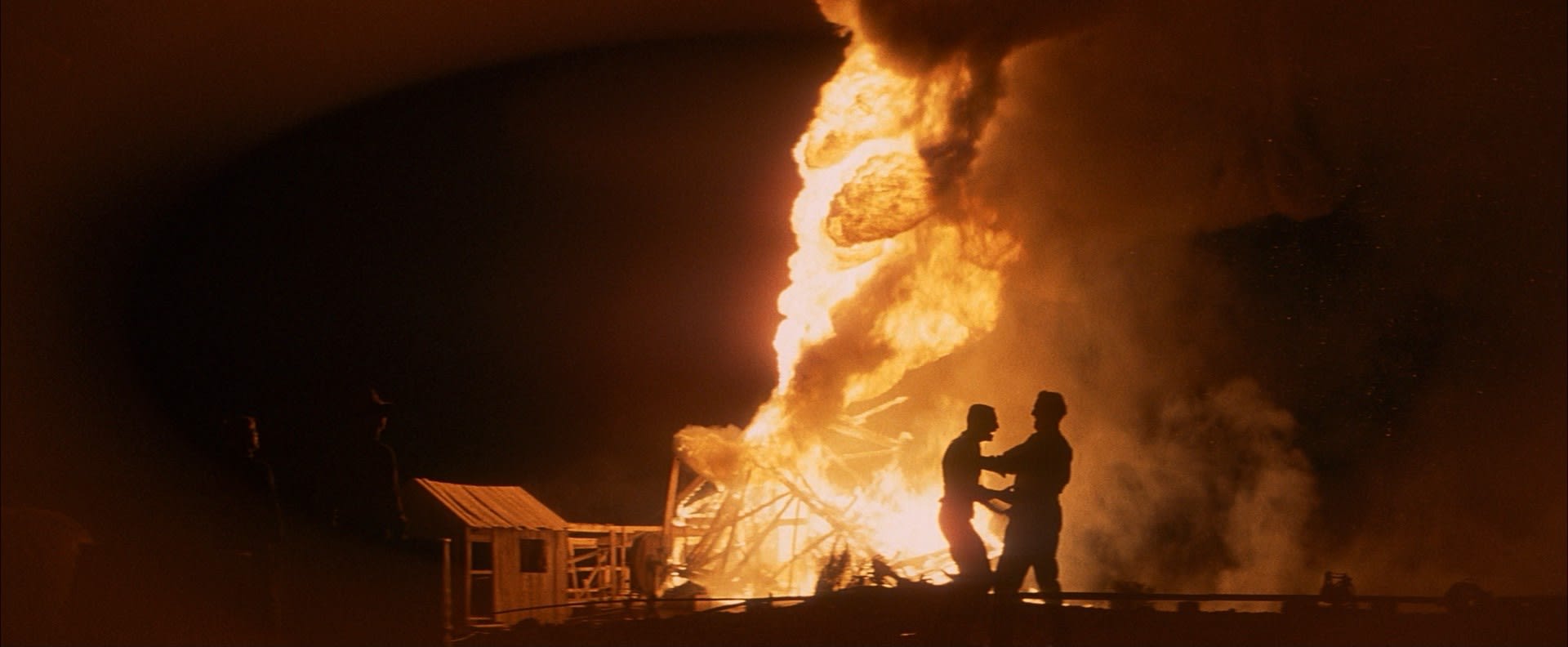
There Will Be Blood (2007)
Oil derricks, desert heat, and Daniel Plainview's escalating madness photographed in wide anamorphic frames that make greed look like a landscape. Won the Oscar. Earned it completely.
Nightcrawler (2014)
Los Angeles at night rendered in a sickly amber that makes the city feel like it is consuming itself. Jake Gyllenhaal as a predator and Elswit's camera as his accomplice.
Boogie Nights (1997)
The San Fernando Valley in the 1970s shot with a warmth that curdles slowly into something darker. The steadicam sequences are studied in every film school worth attending.