Cinematographer
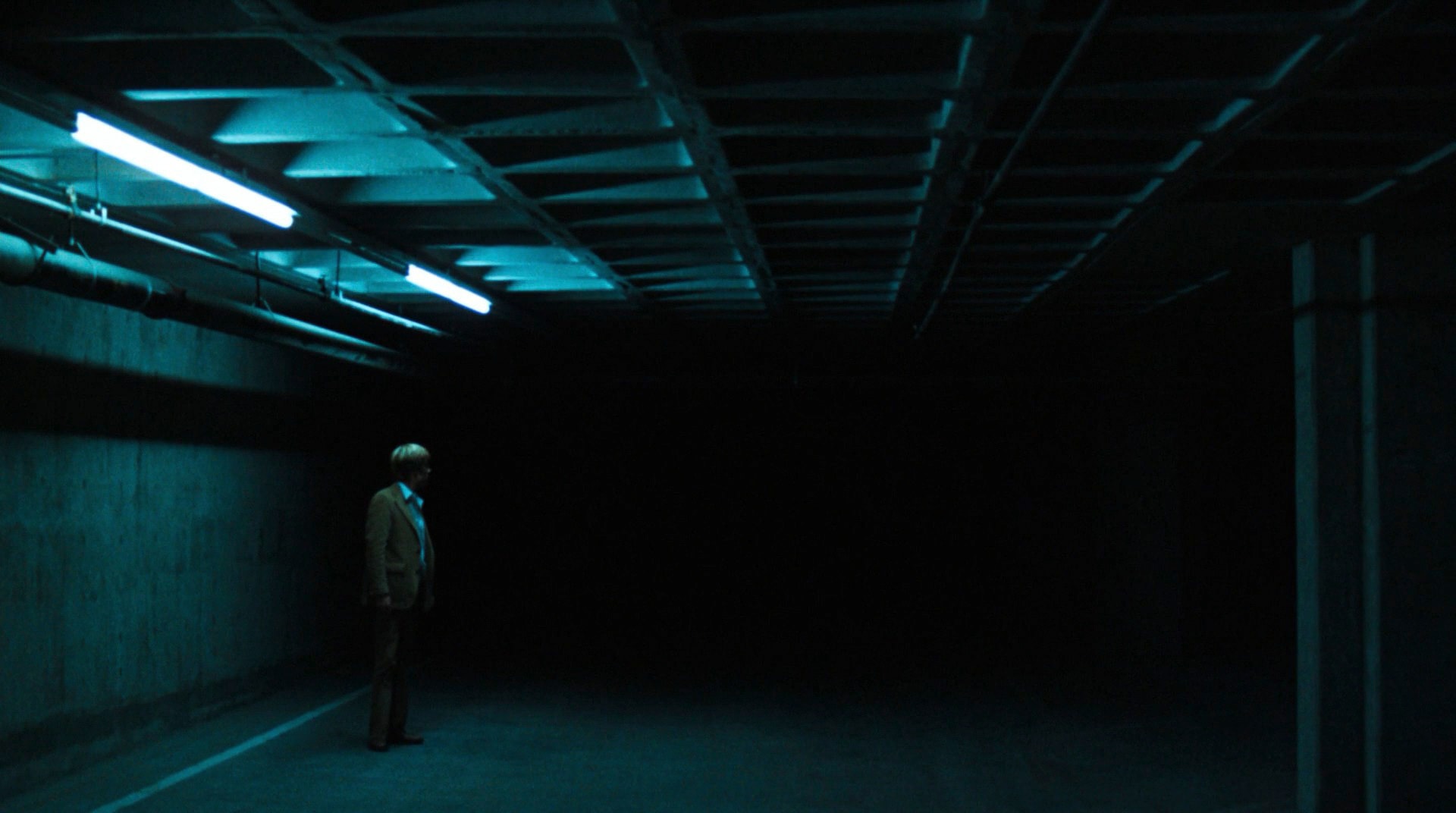
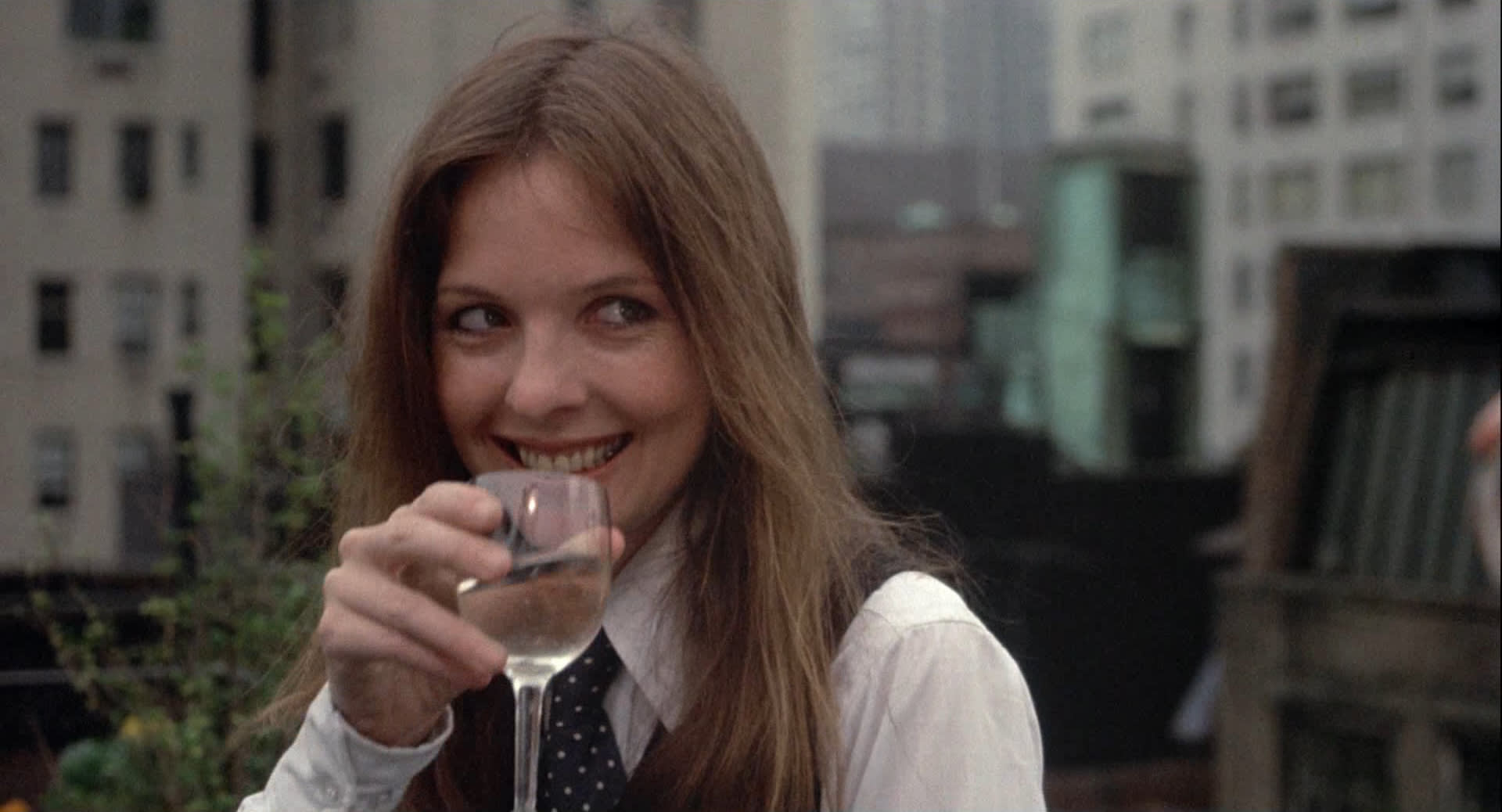
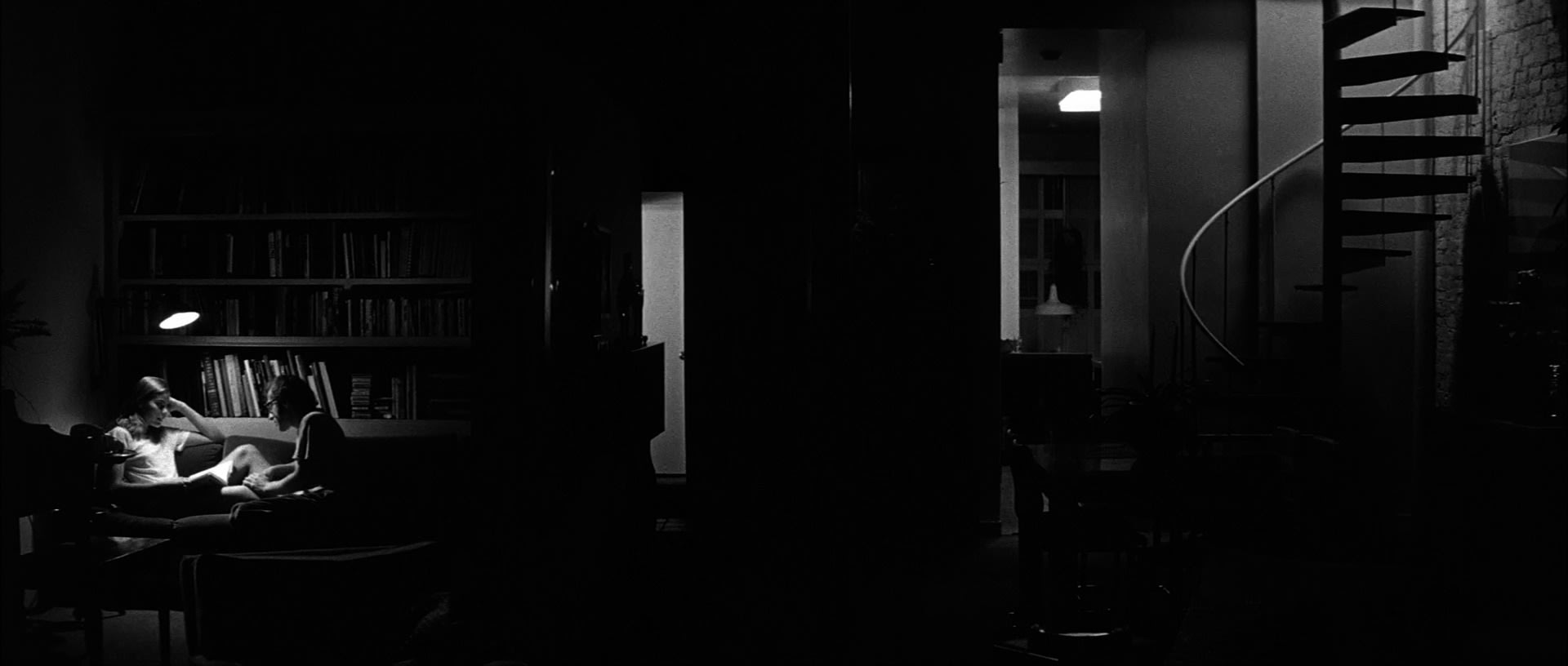
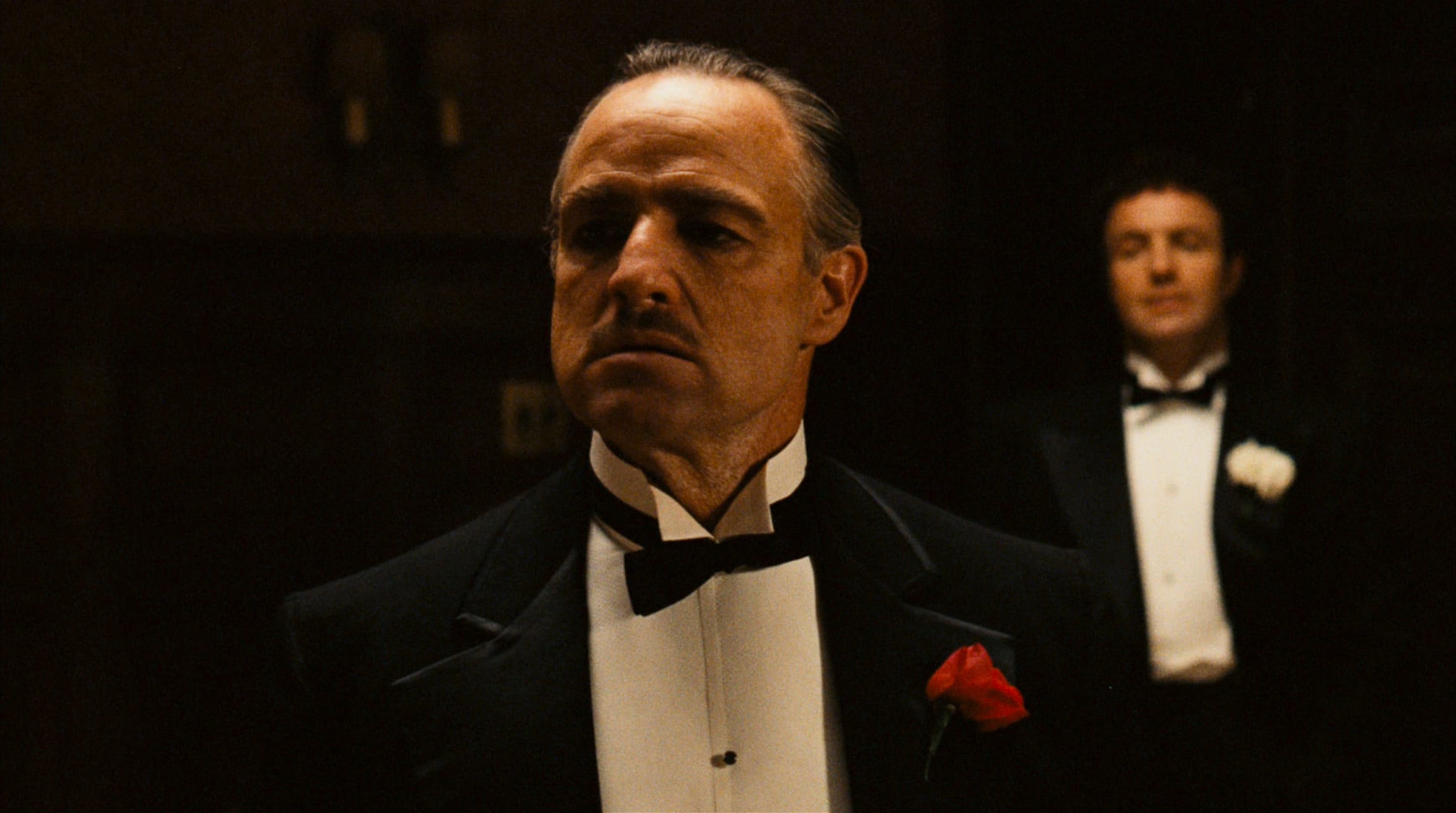
Gordon Willis was called the Prince of Darkness and he wore it like a crown. In an era when Hollywood cinematography meant bright, legible, safe, Willis did the opposite: he buried Marlon Brando's eyes in shadow, underexposed entire scenes, let faces disappear into black. The studios hated it, audiences were transfixed. His work with Francis Ford Coppola on The Godfather trilogy and with Woody Allen across a decade of New York films produced two completely distinct visual languages, both masterclasses.
Learn More →Signature Traits
Major Works
The Godfather (1972)
The shadowed eyes of Don Corleone are the most recognisable image in American cinema. Willis put power in darkness at a time when that was considered wrong.
Manhattan (1979)
Black and white New York as a love letter and an elegy simultaneously. Widescreen 2.35:1 never looked more intimate.
All the President's Men (1976)
A paranoia thriller lit like a document. Fluorescent newsrooms and parking garage shadows. Unglamorous and unforgettable.