Director
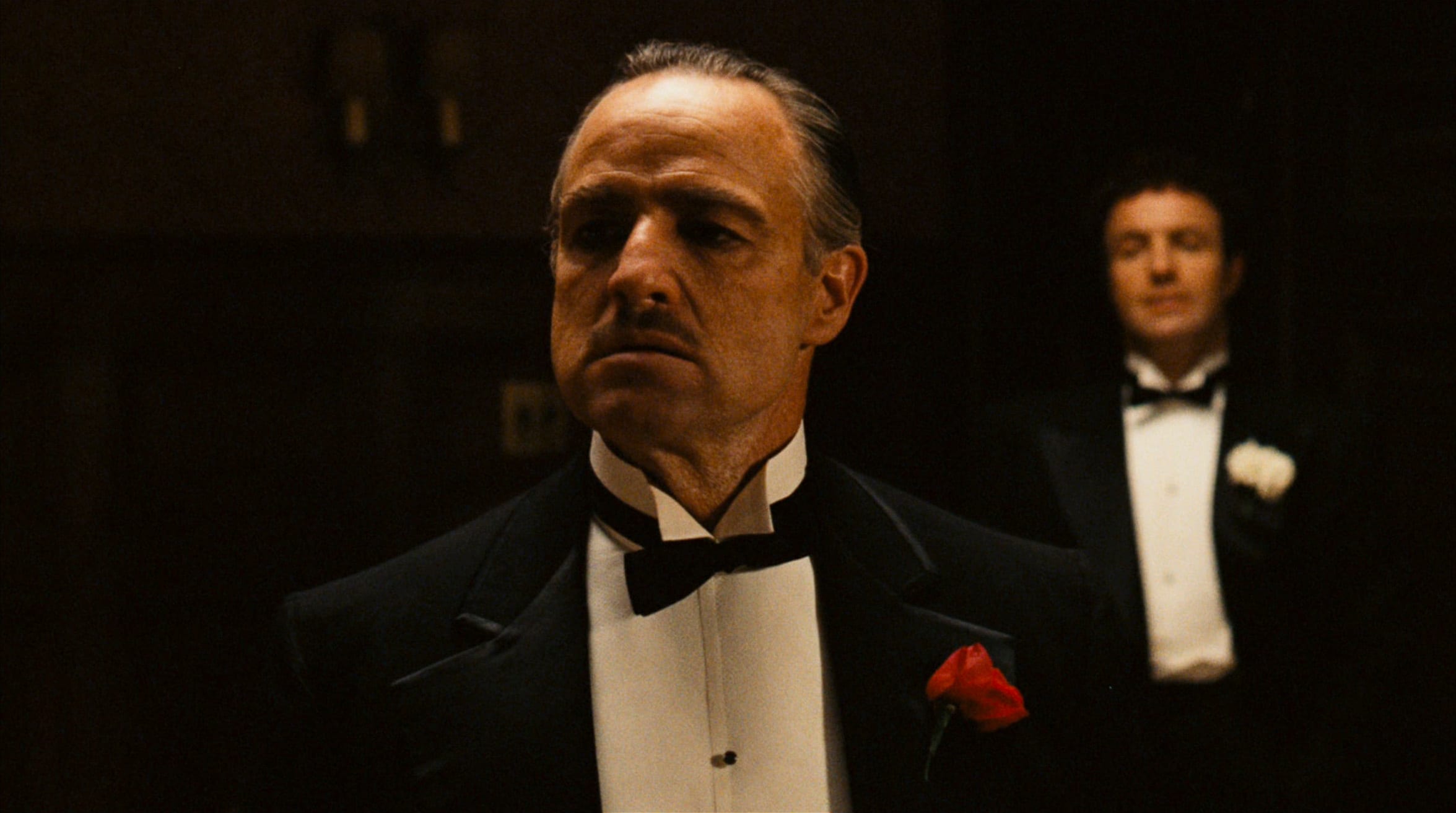
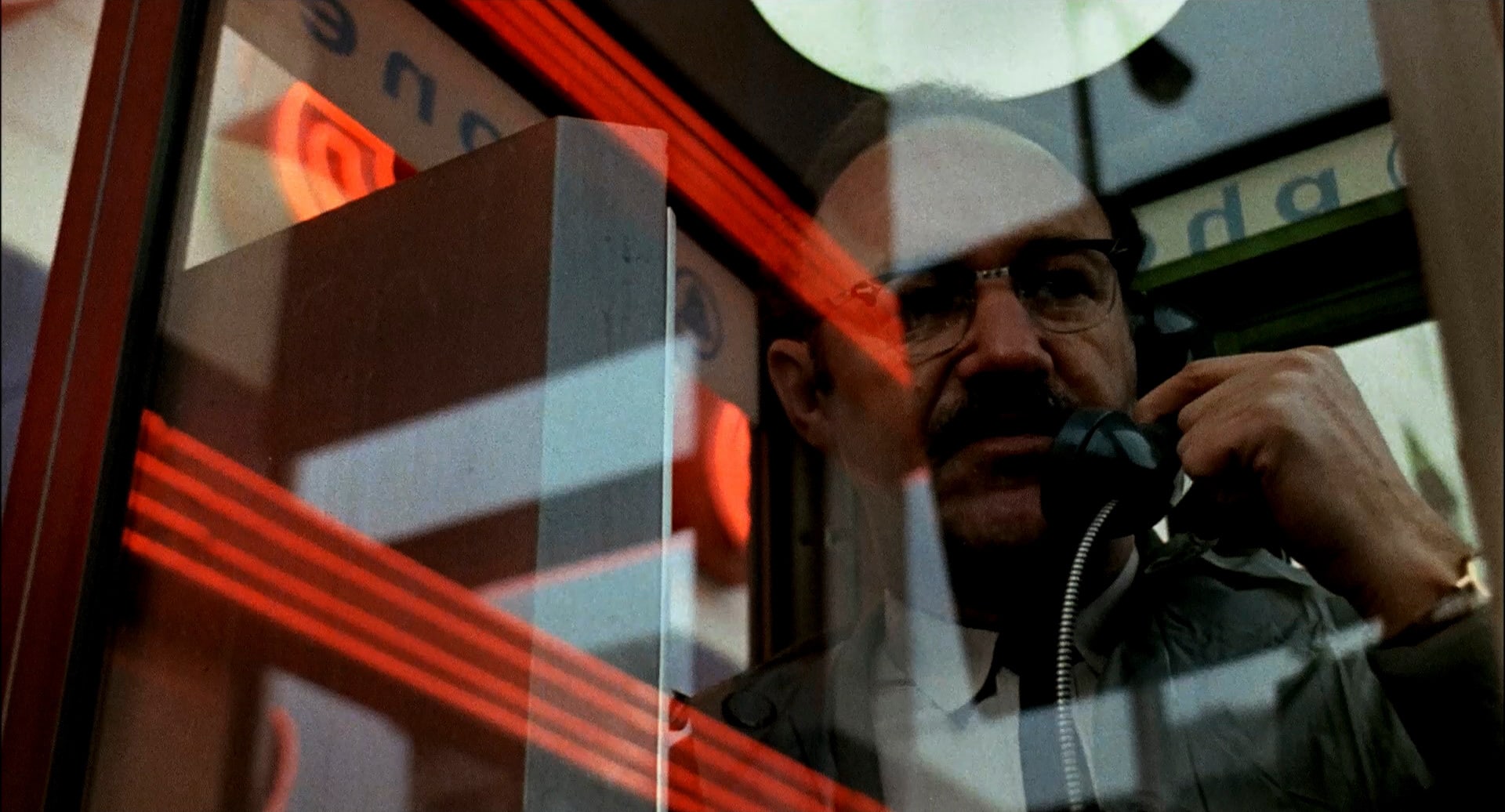
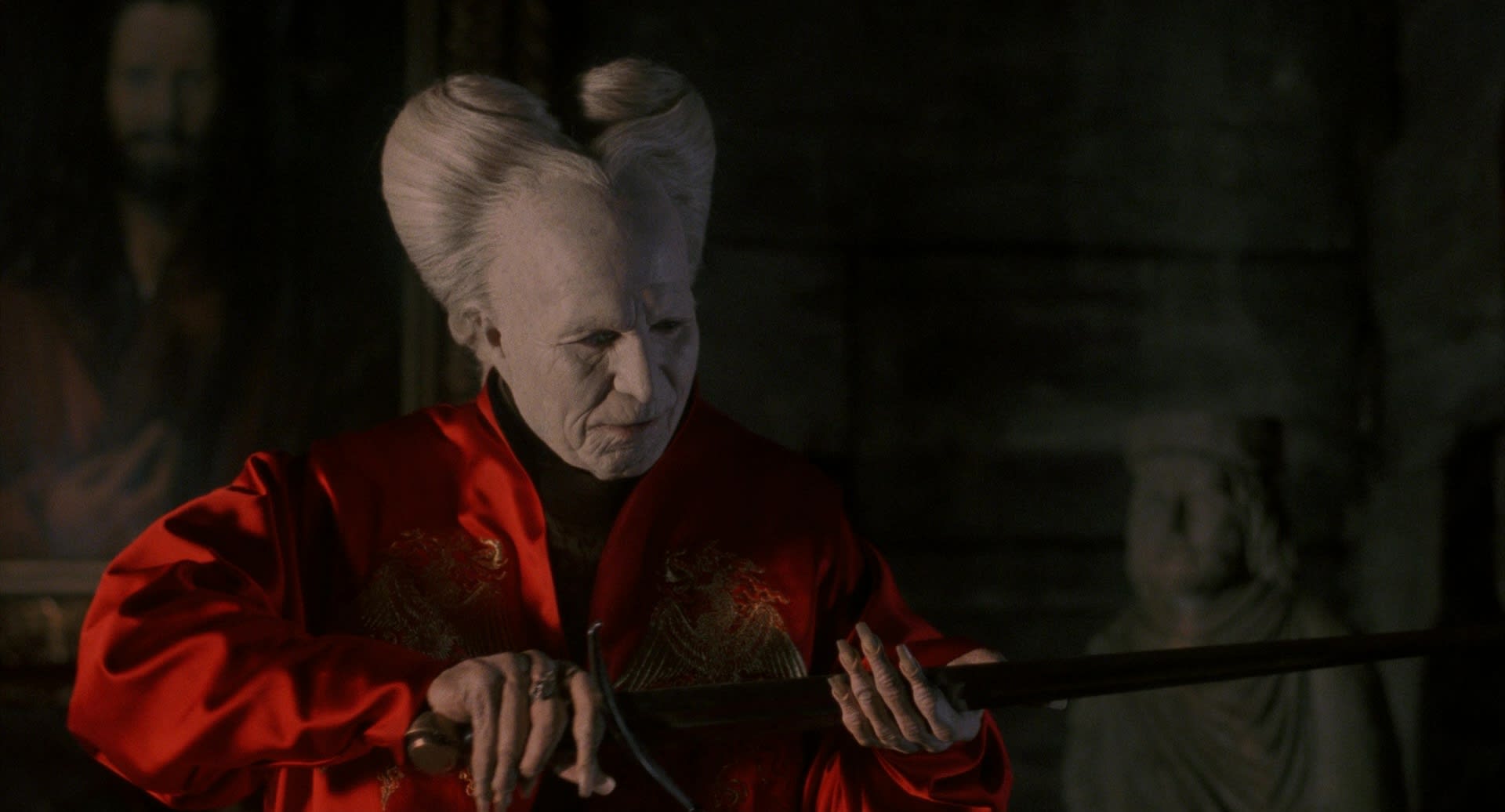
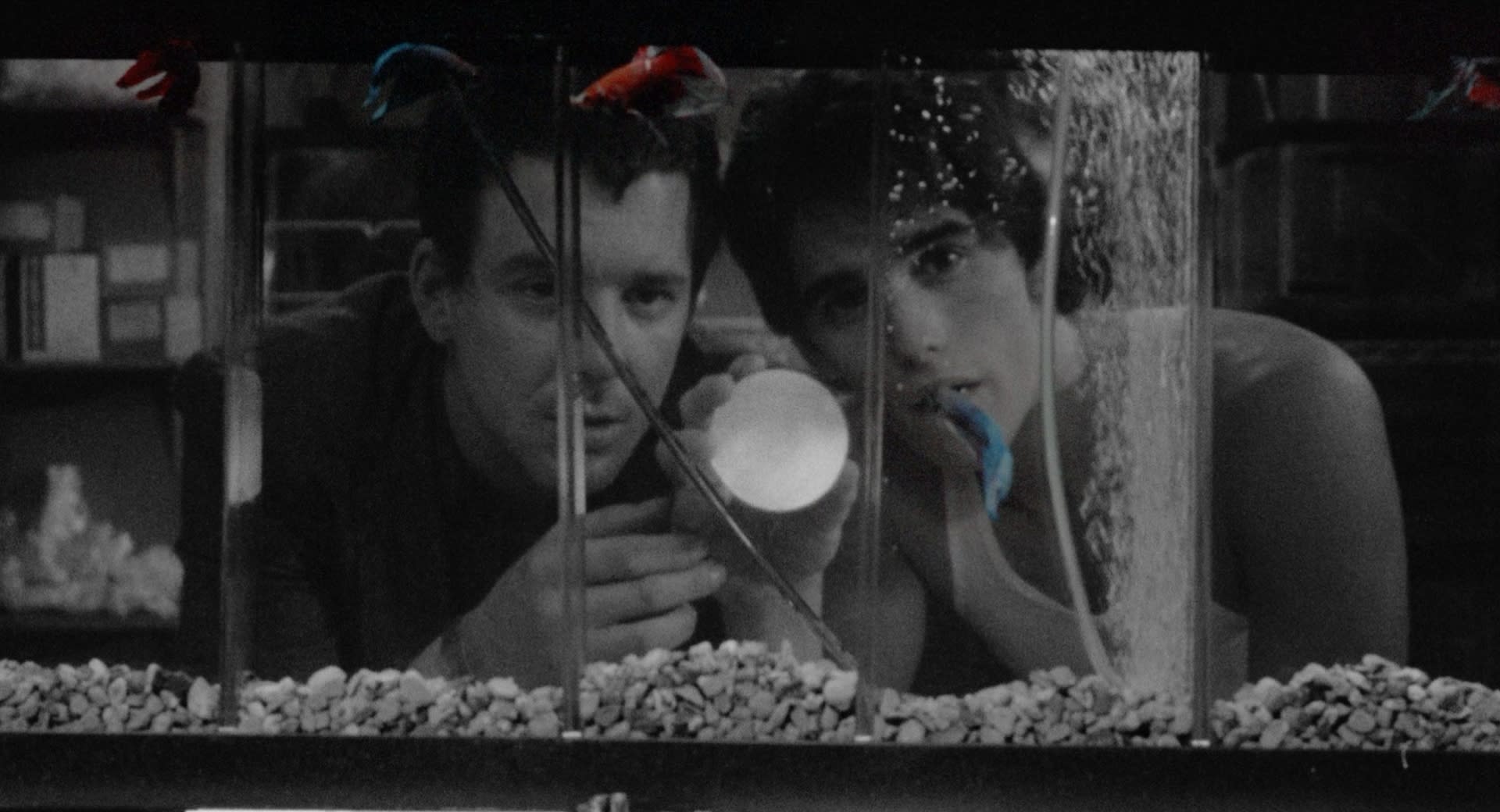
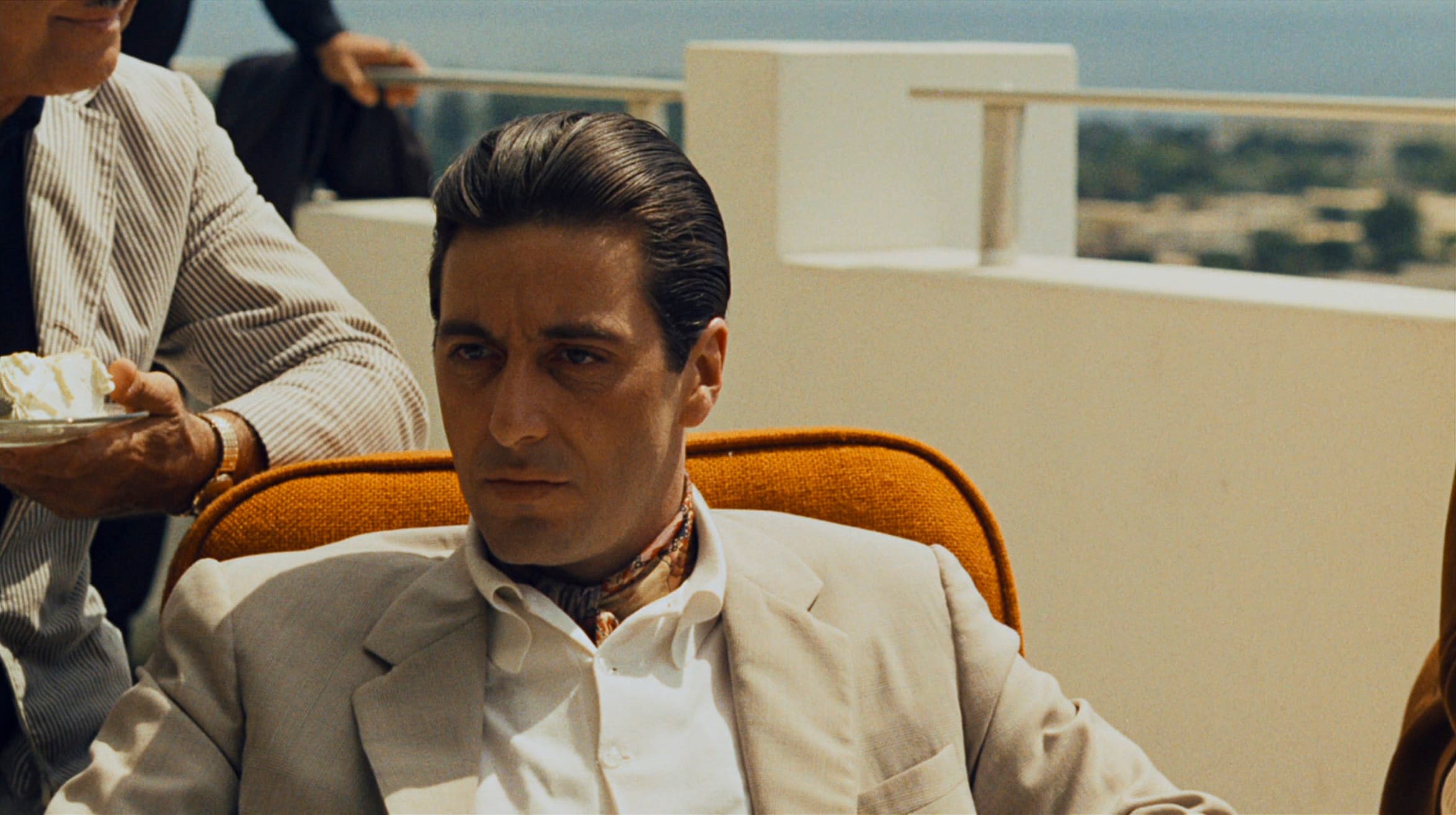
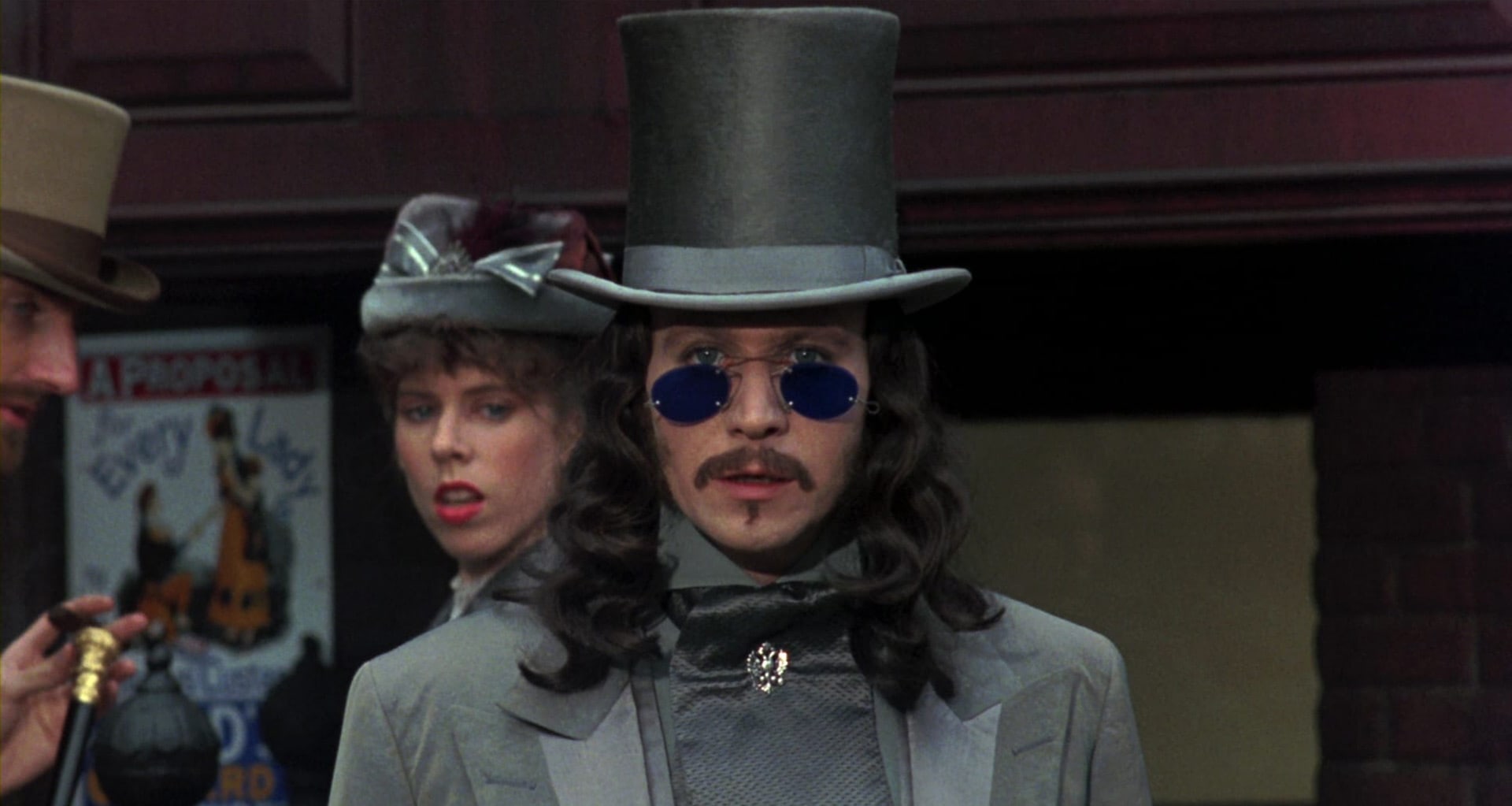
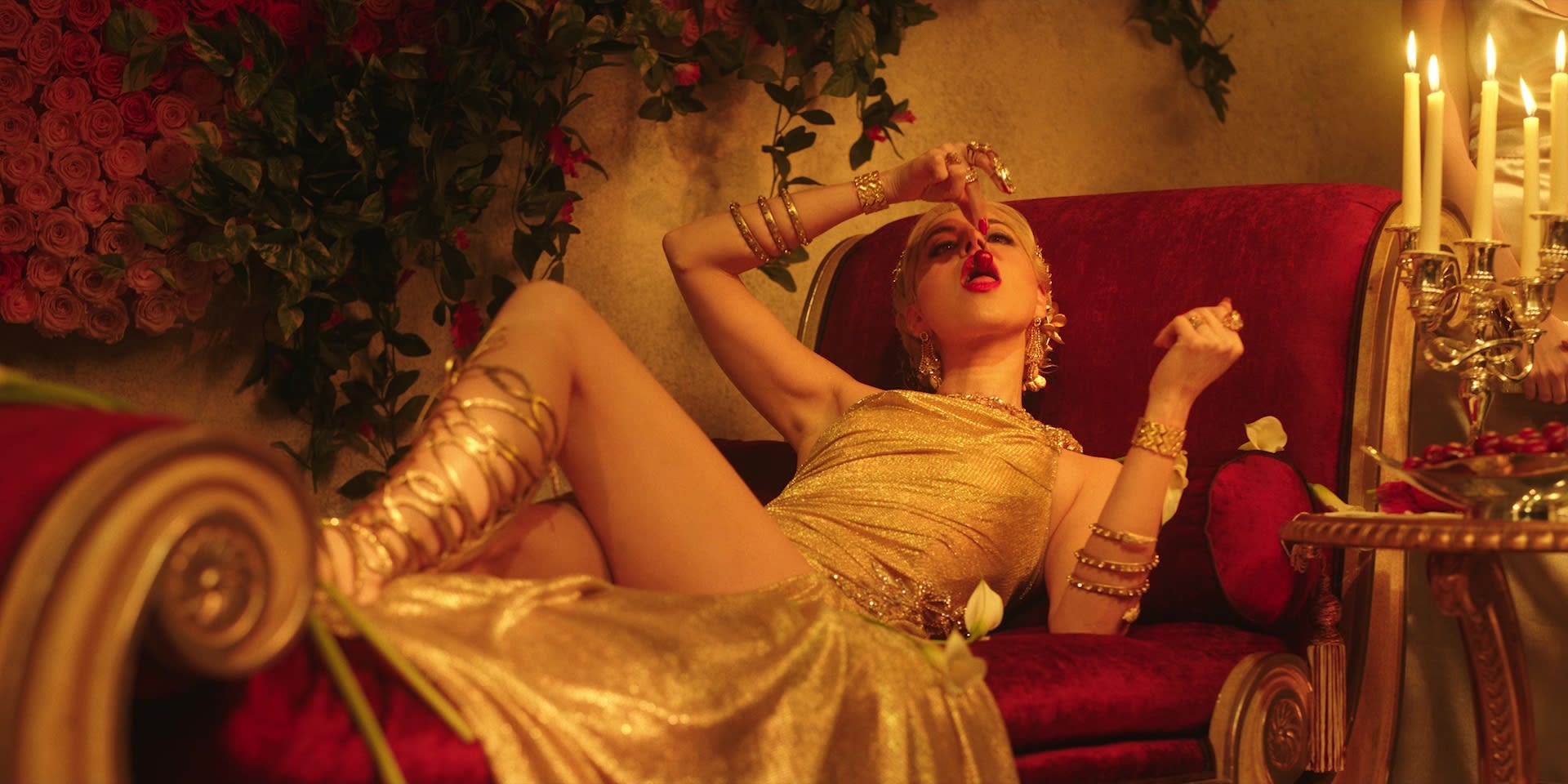
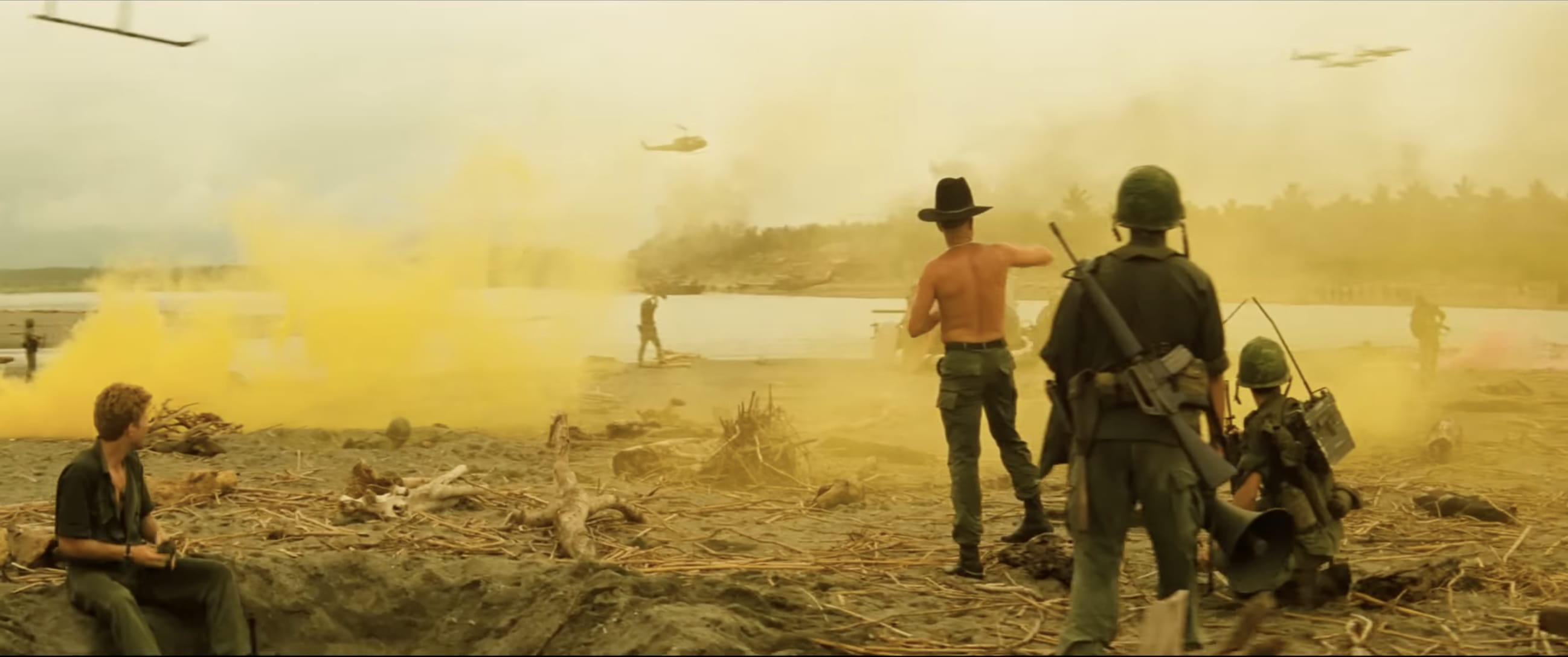
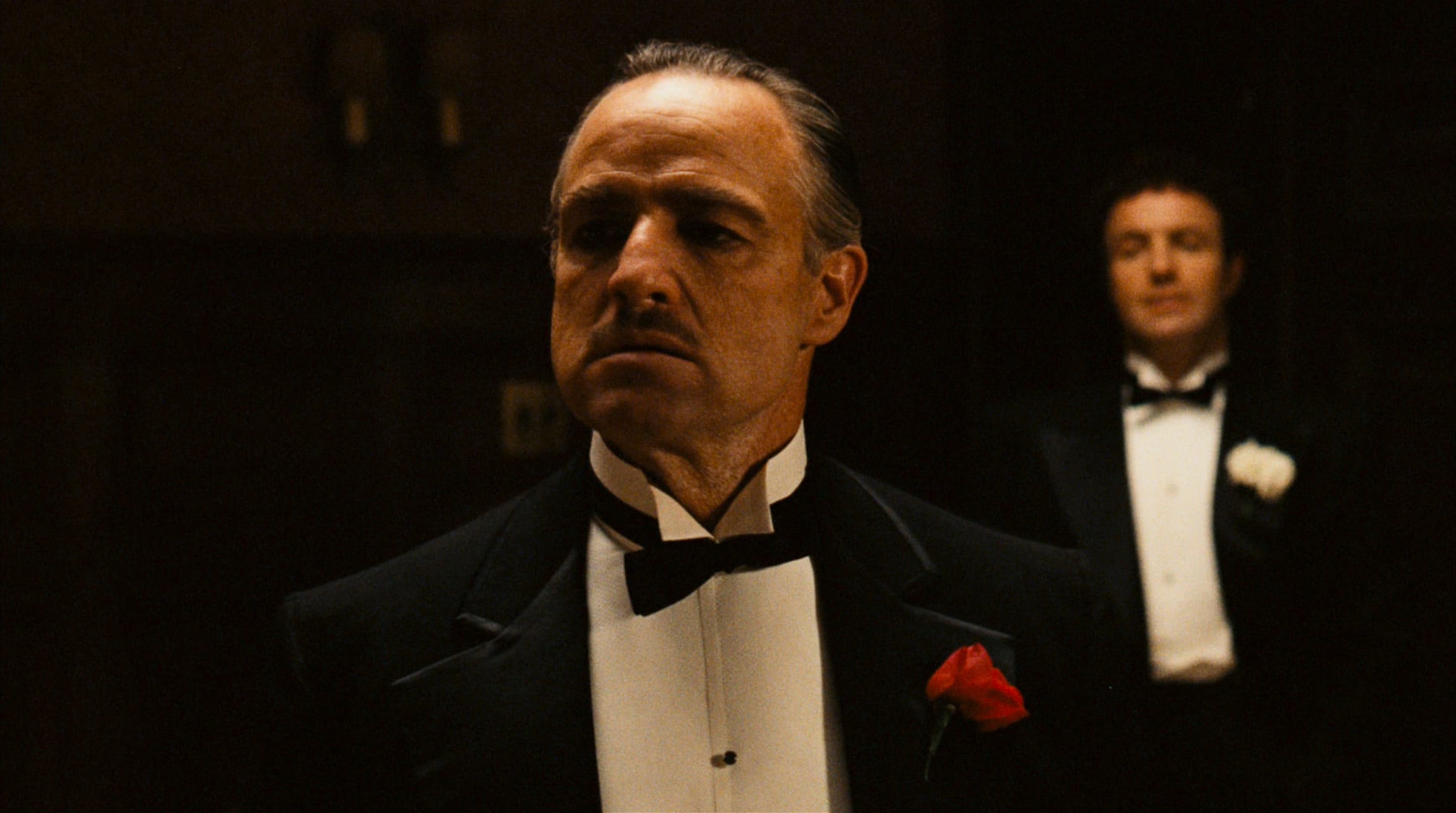
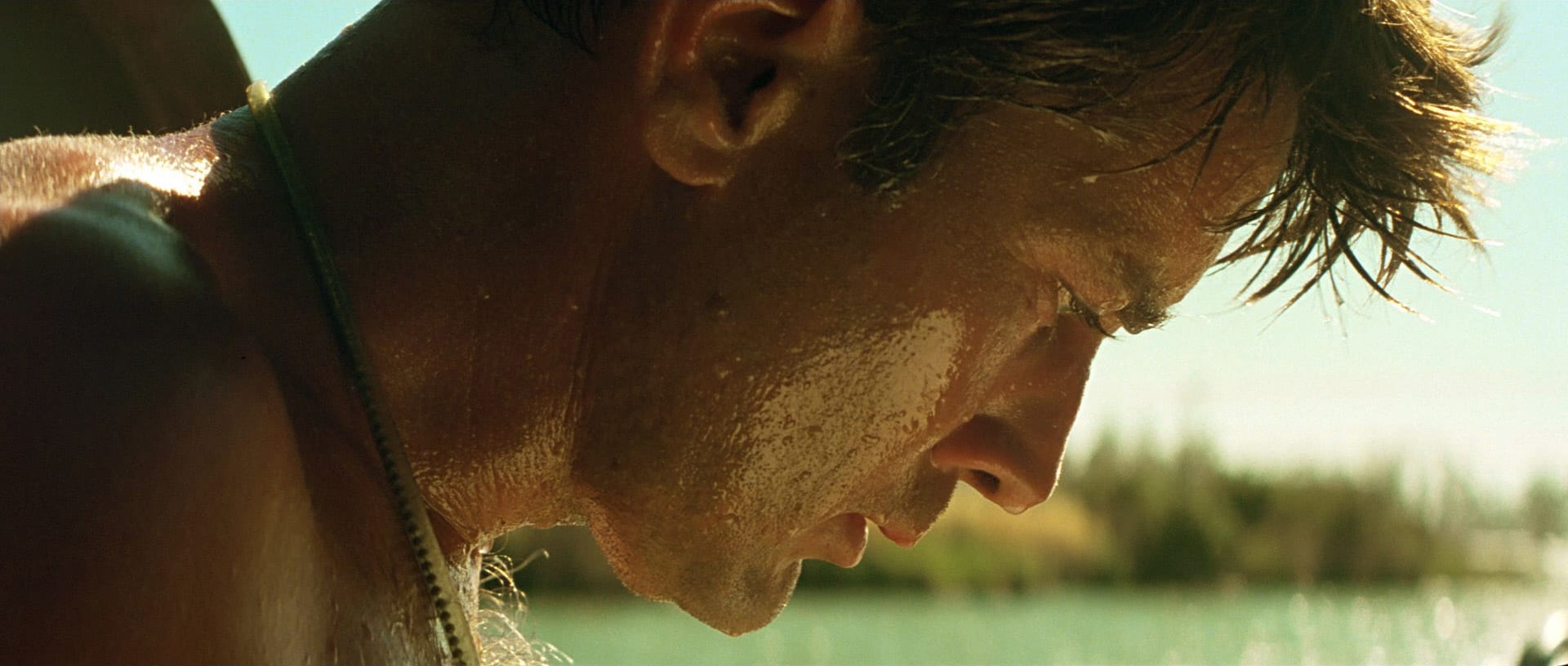
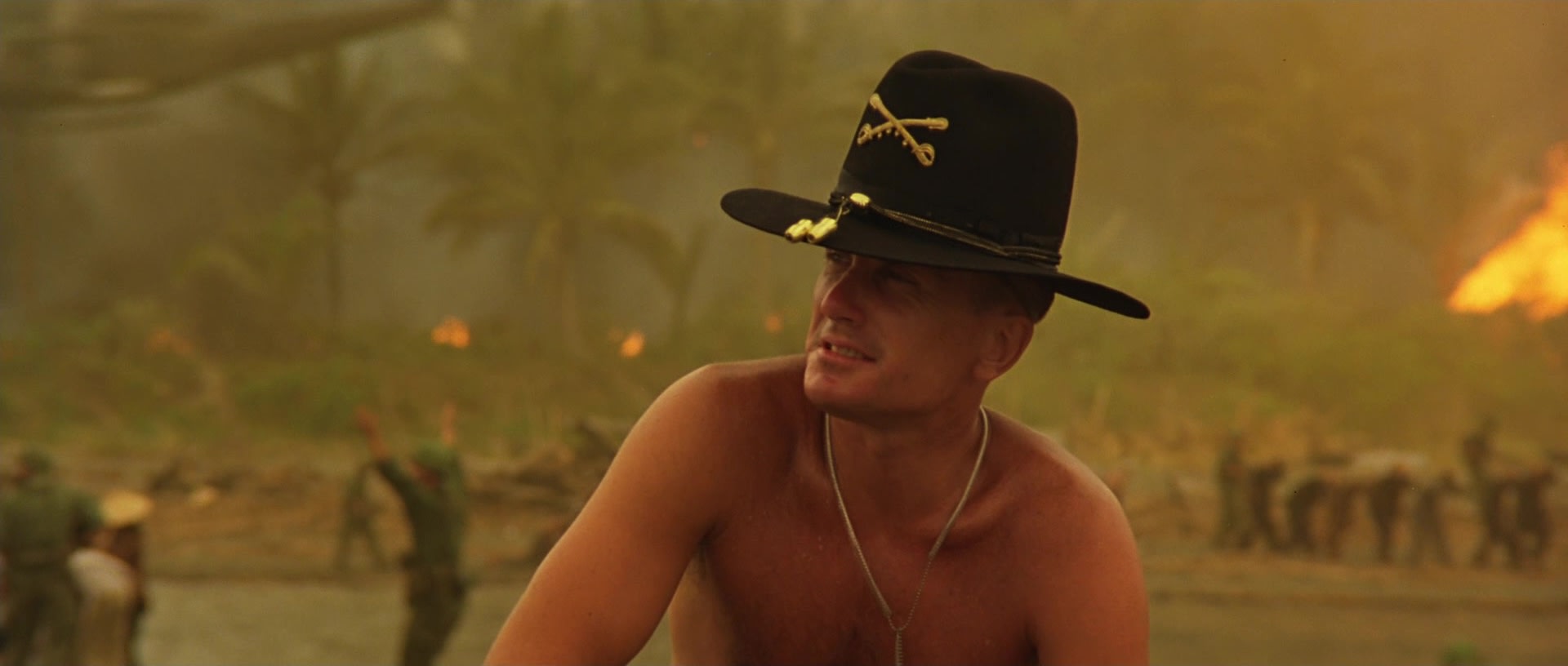
Francis Ford Coppola forced the studio system to underwrite personal, operatic filmmaking, then proved the gamble sane by winning at the box office and the Oscars in the same decade. The Godfather reinvented the gangster picture as American tragedy, shot through Gordon Willis's controlled darkness rather than genre gloss. Apocalypse Now pushed a production past collapse, past budget, past sanity, and returned with a war film that operates as fever dream rather than history lesson. He treats family, power, and paranoia as the same subject viewed from different angles, and he shoots actors the way other directors shoot landscapes, patient, wide, willing to let a face hold the frame.
Learn More →Signature Traits
Major Works
The Godfather (1972)
Michael's transformation is tracked entirely through lighting, his eyes sinking into shadow scene by scene until the door closes on Kay in the final shot.
The Godfather Part II (1974)
Two timelines cut against each other, Vito's rise and Michael's ruin, until ambition and inheritance collapse into the same tragedy.
The Conversation (1974)
A surveillance expert undone by the one recording he cannot stop replaying, released the same year as the Watergate hearings and mistaken by many as direct commentary on them.
Apocalypse Now Redux (1979/2001)
A production so disastrous it nearly broke the cast and crew, returned as a war film built entirely from heat, mood, and dread rather than plot.
Dracula (1992)
In-camera effects and Eiko Ishioka's costumes replace CGI entirely, a gothic romance shot like an opera rather than a horror film.