Director
Steven Spielberg is the director who made the whole world go to the movies. Not just once. Across five decades, across every genre he touched, he kept returning audiences to the dark with the specific promise that something extraordinary was about to happen inside it. He invented the summer blockbuster and then spent the rest of his career quietly dismantling the idea that spectacle and humanity are different things. The Spielberg Face, that close-up of pure wonder, exists because he keeps manufacturing moments worth being astonished by. He shot Schindler's List handheld and without a crane, because some subjects demand that the camera be as close to the ground as the people it is documenting. He shot Close Encounters with 65mm because the sky deserved that much resolution. He has been thanked in more Oscar speeches than any other human being alive. That is not a coincidence. It is a verdict.
Learn More →Signature Traits
Major Works
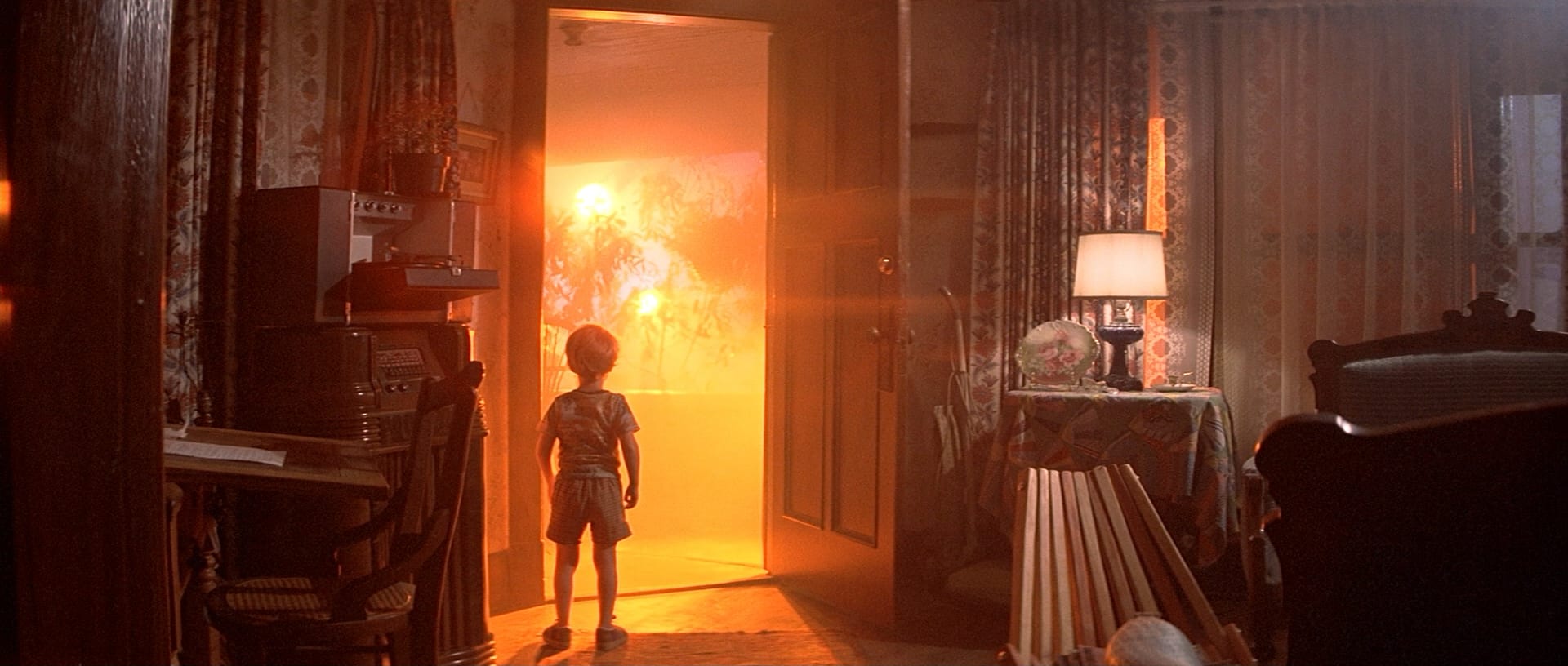
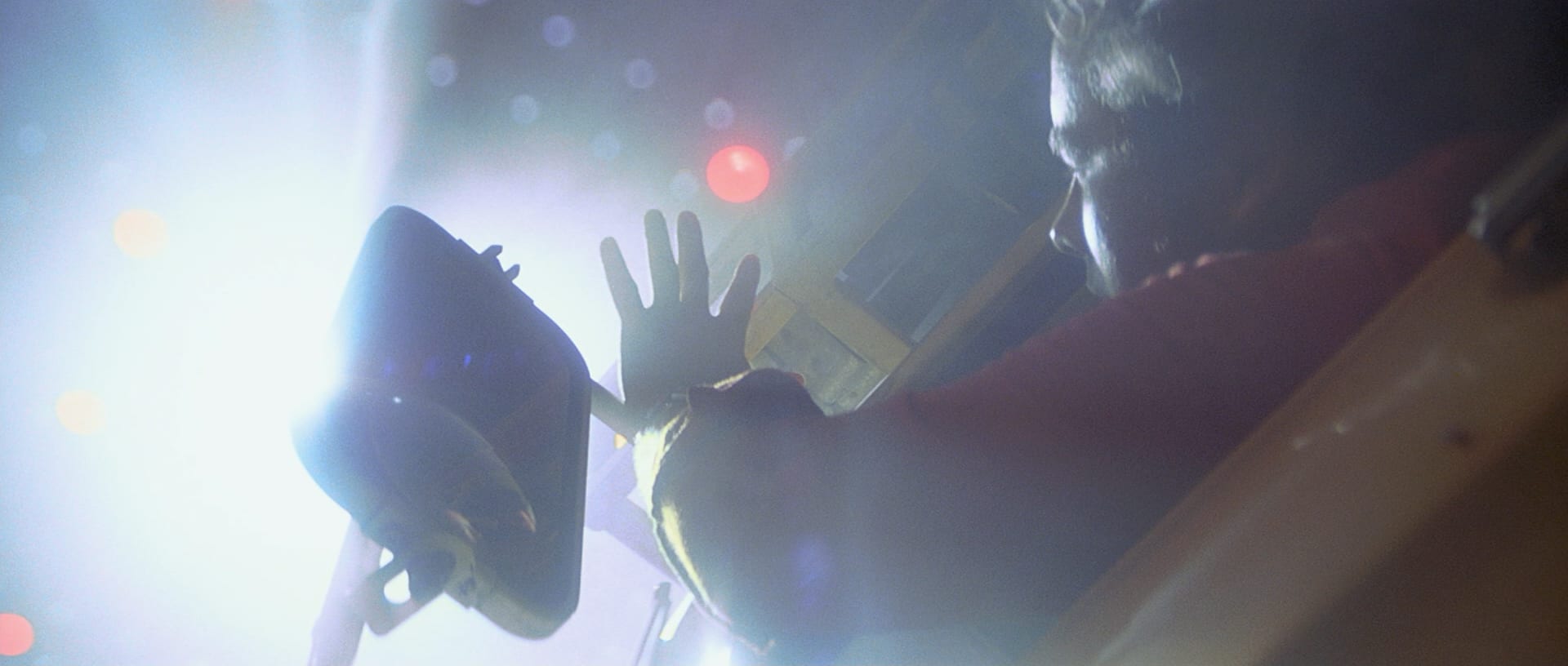
Close Encounters of the Third Kind (1977)
Shot on 65mm because the sky demanded it. Wonder as a complete visual language, constructed before anyone knew he was capable of it.
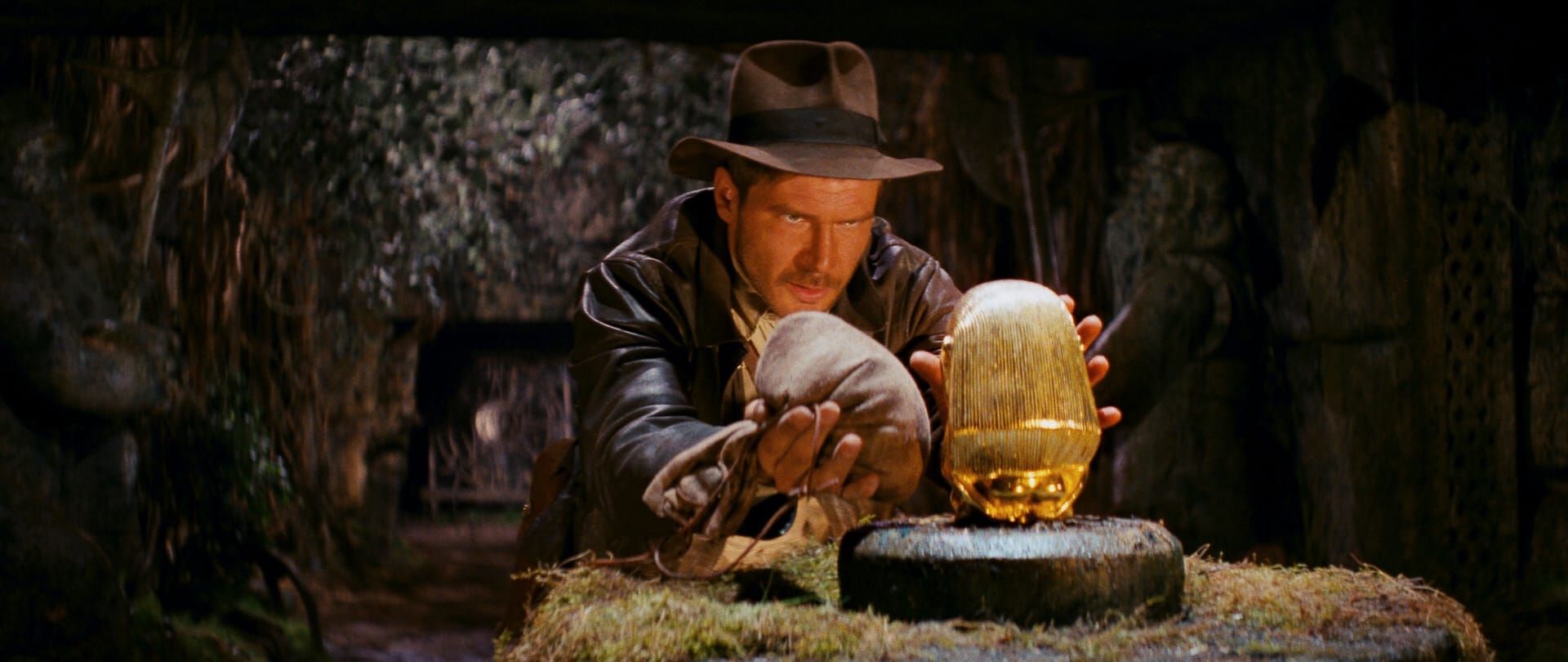
Raiders of the Lost Ark (1981)
Pure cinema grammar. Every shot a lesson in spatial storytelling and tension. The boulder. The truck. The face melting. Perfect sequencing from first frame to last.
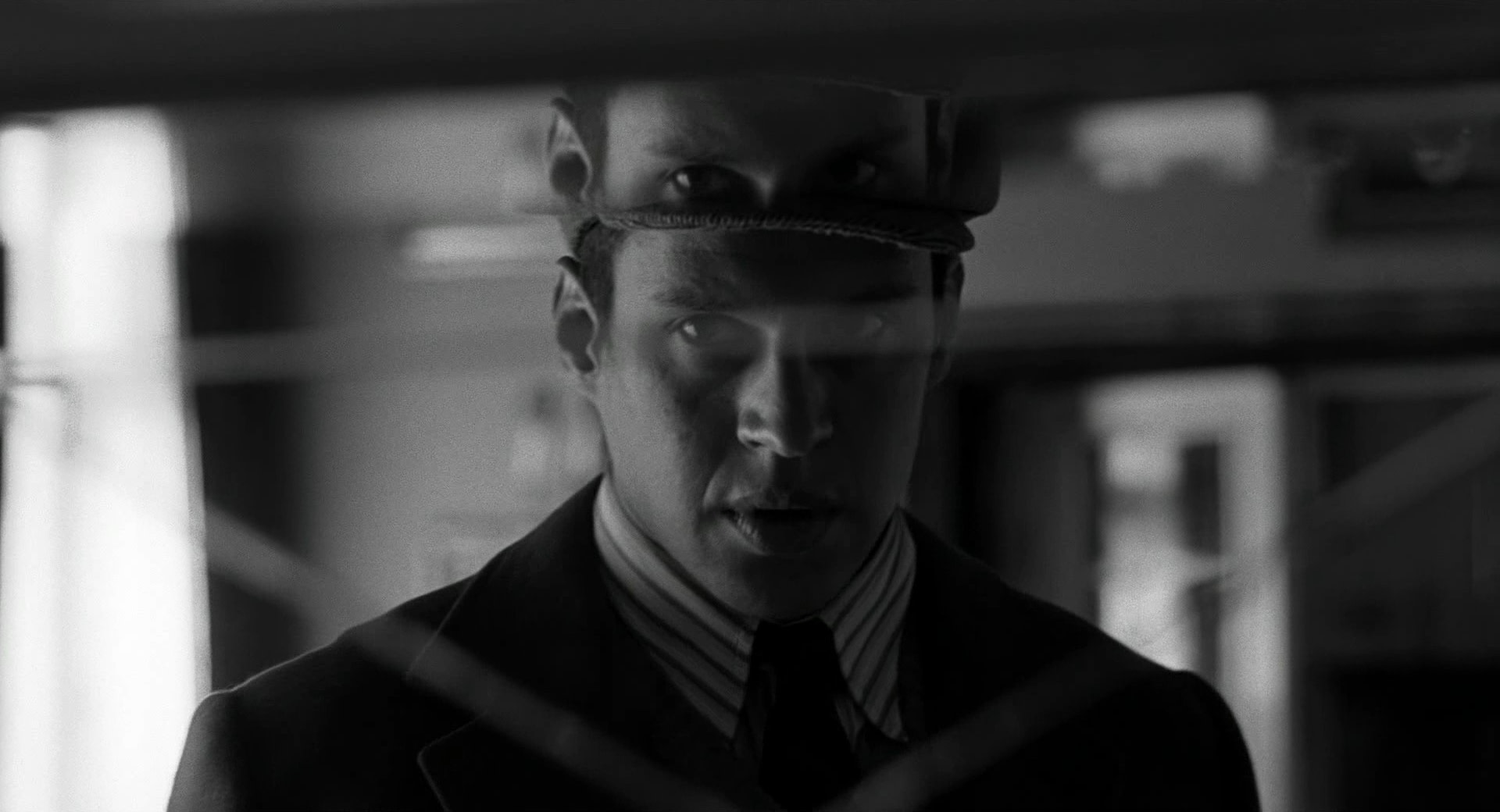
Schindler's List (1993)
Black and white. No crane. Handheld. The girl in the red coat. His most morally serious work shot with his most morally serious technique. Won Best Picture and Best Director.
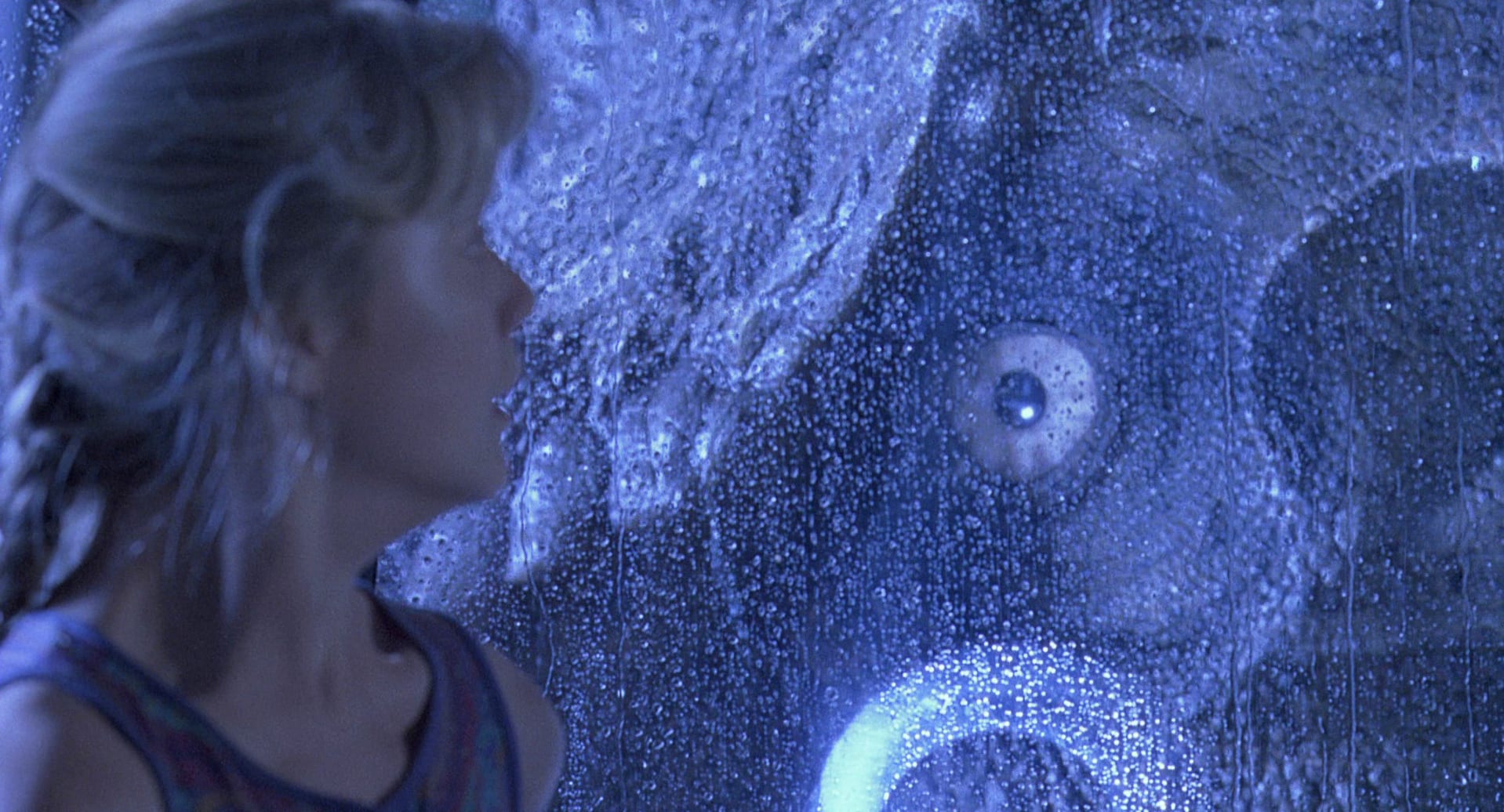
Jurassic Park (1993)
The T-Rex reveal. Practical and digital in perfect, unrepeatable balance. The frame that made an entire generation believe in something impossible.