Director
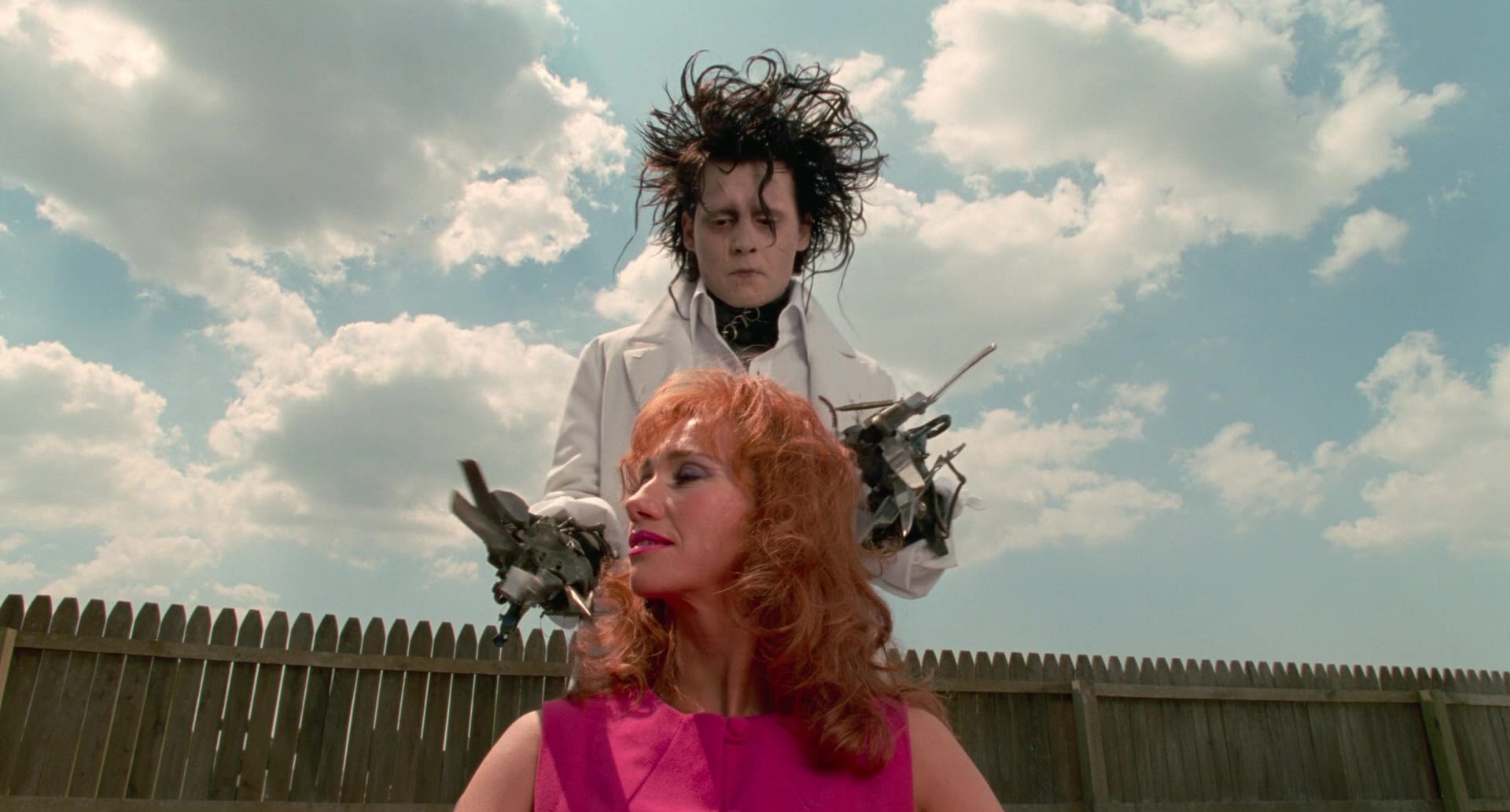
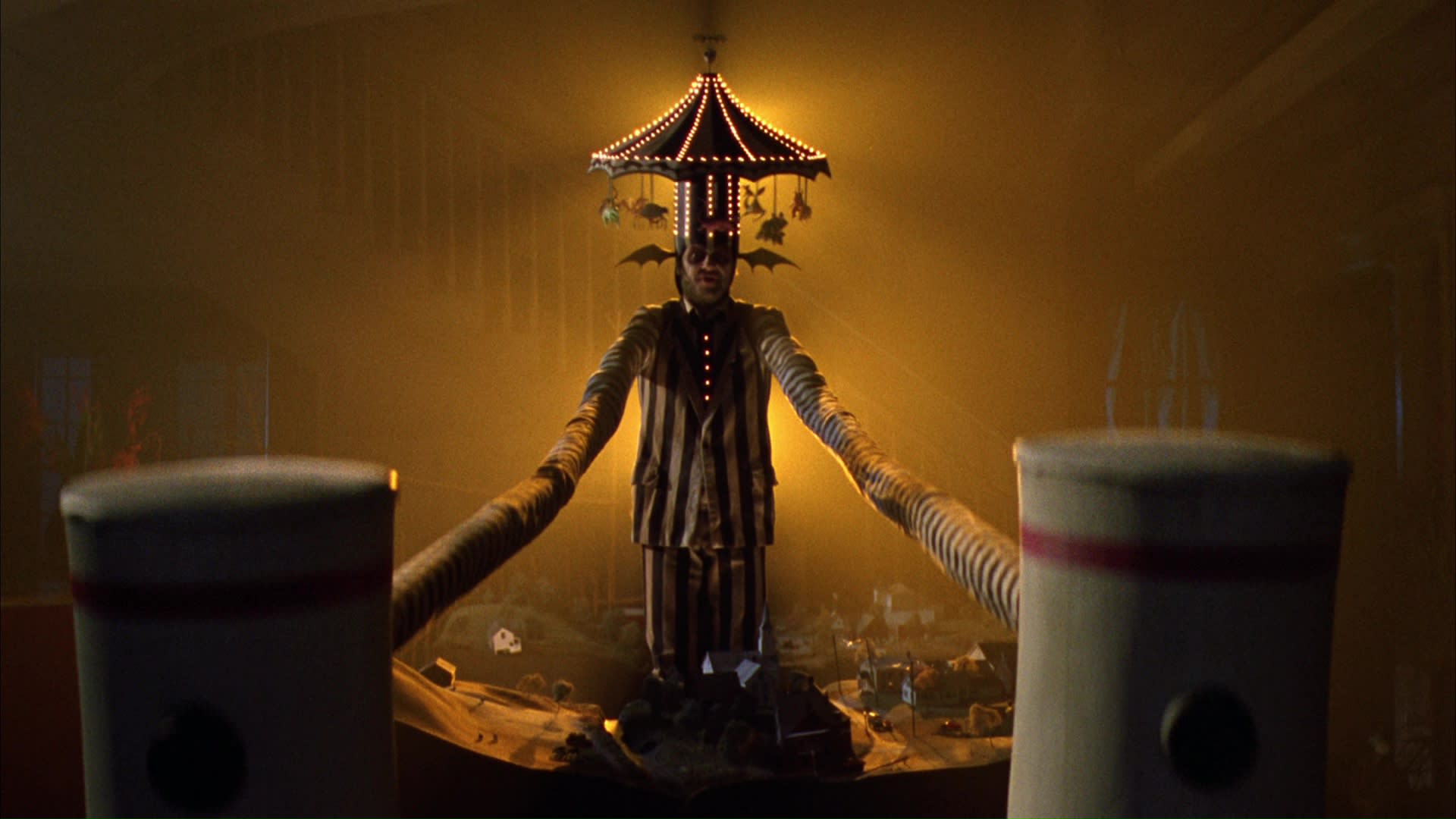
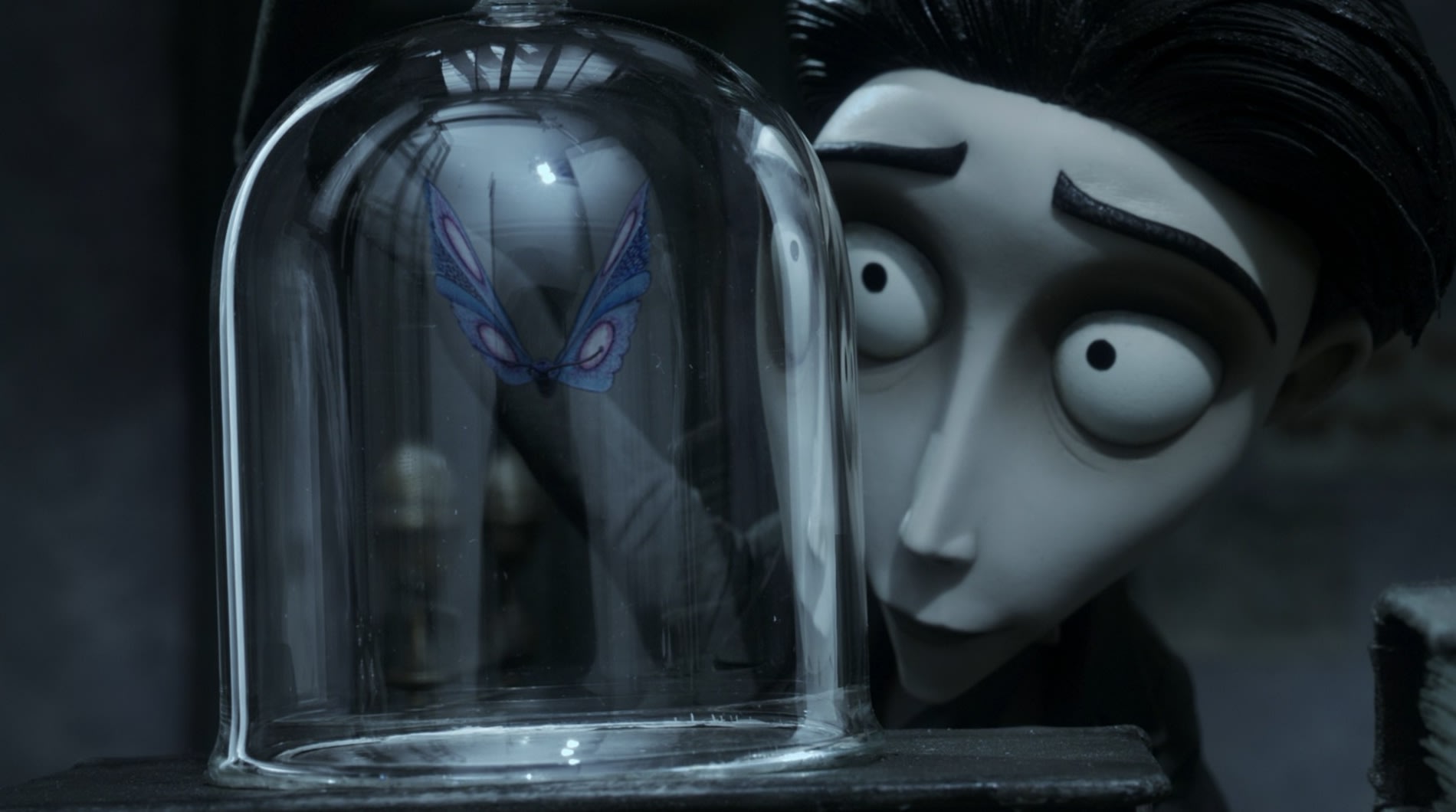
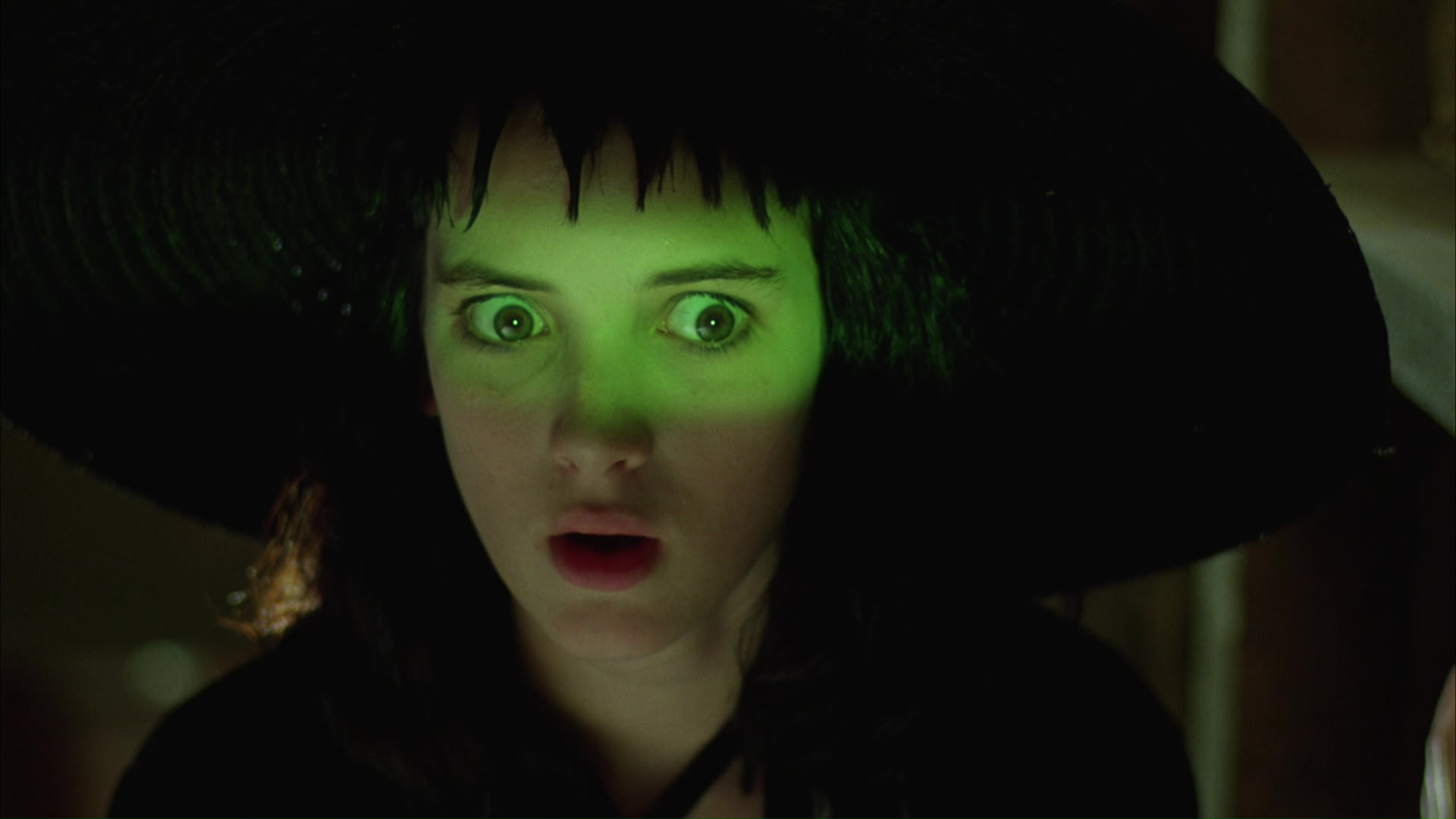
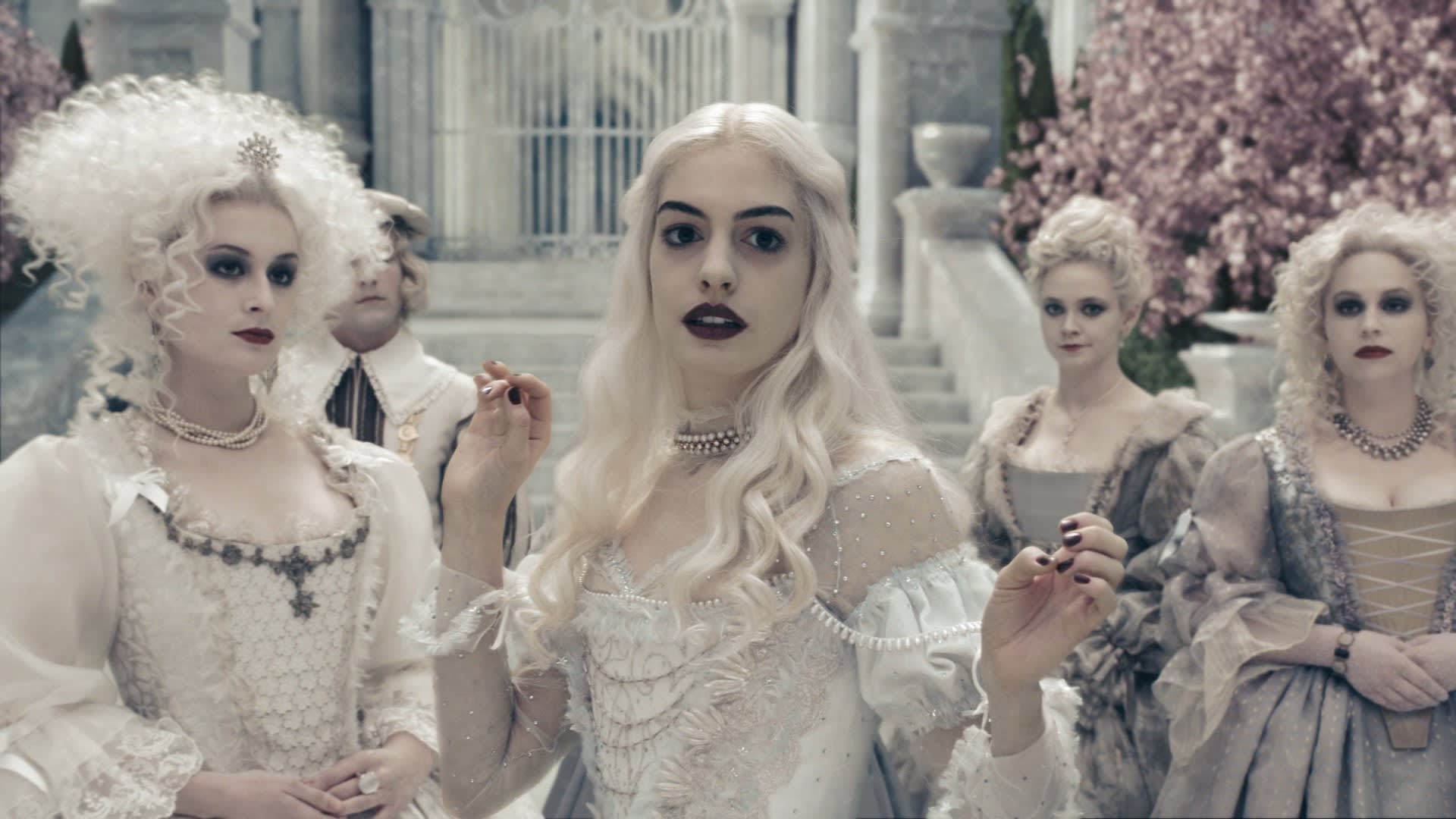
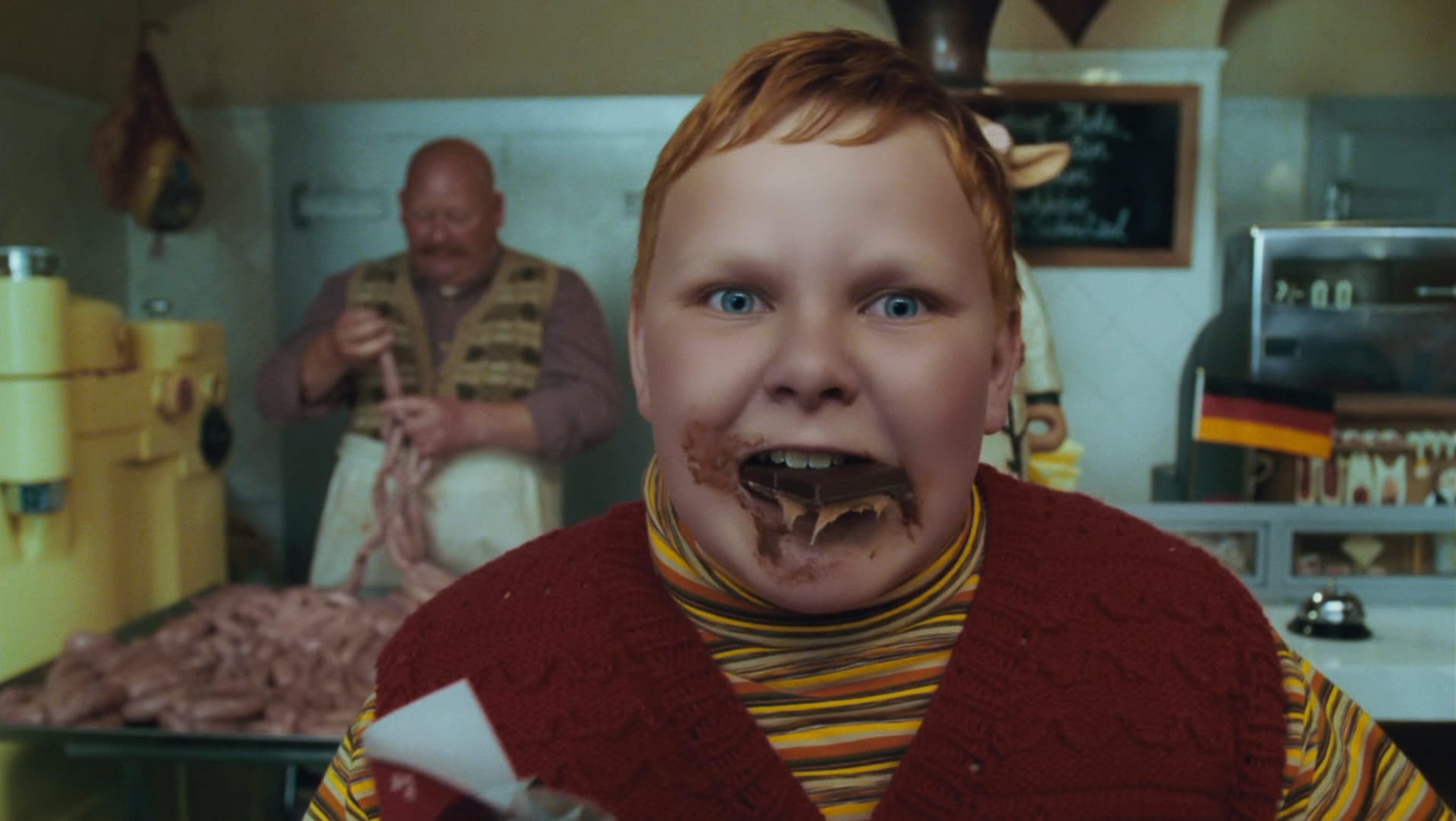
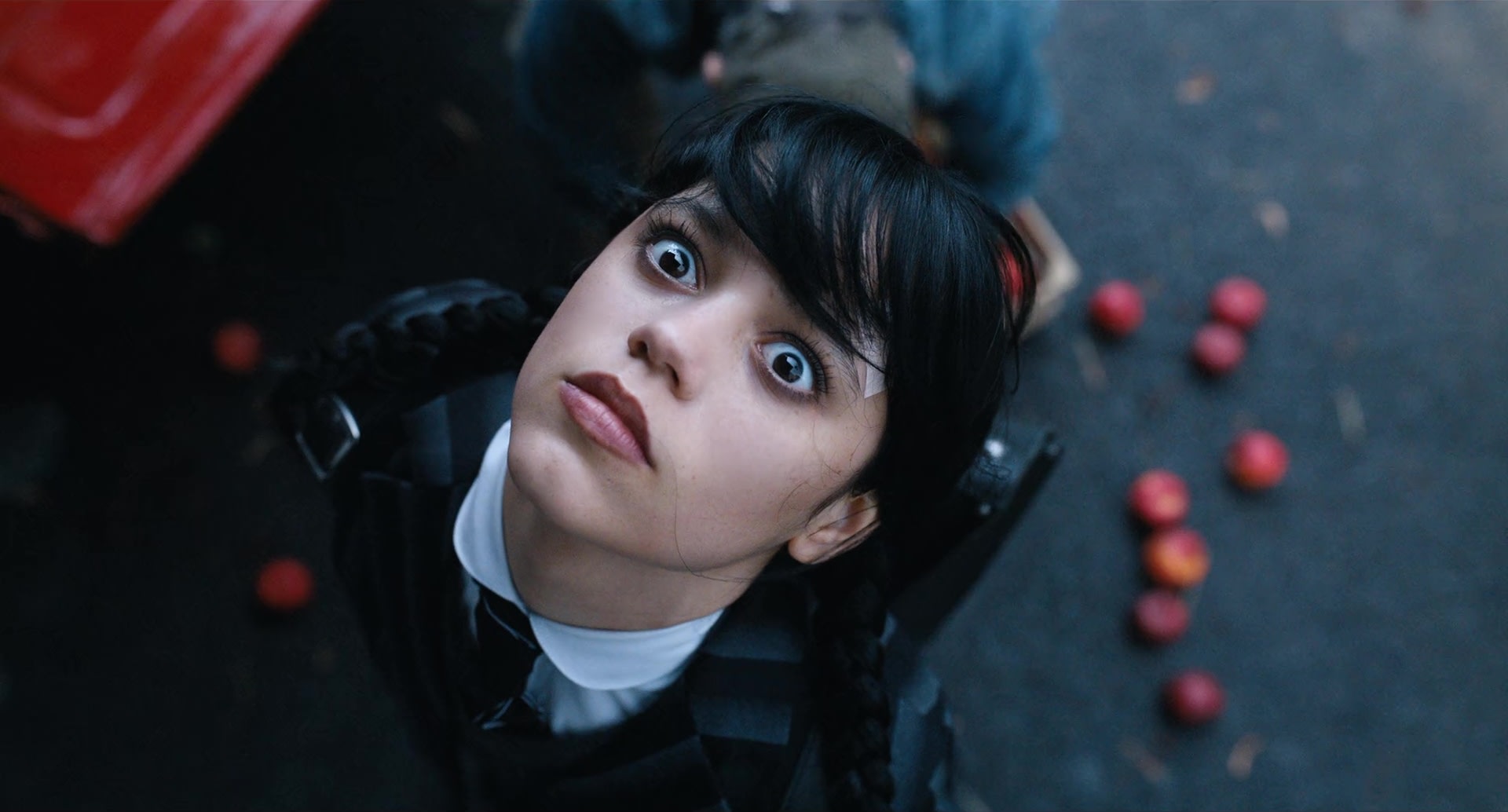
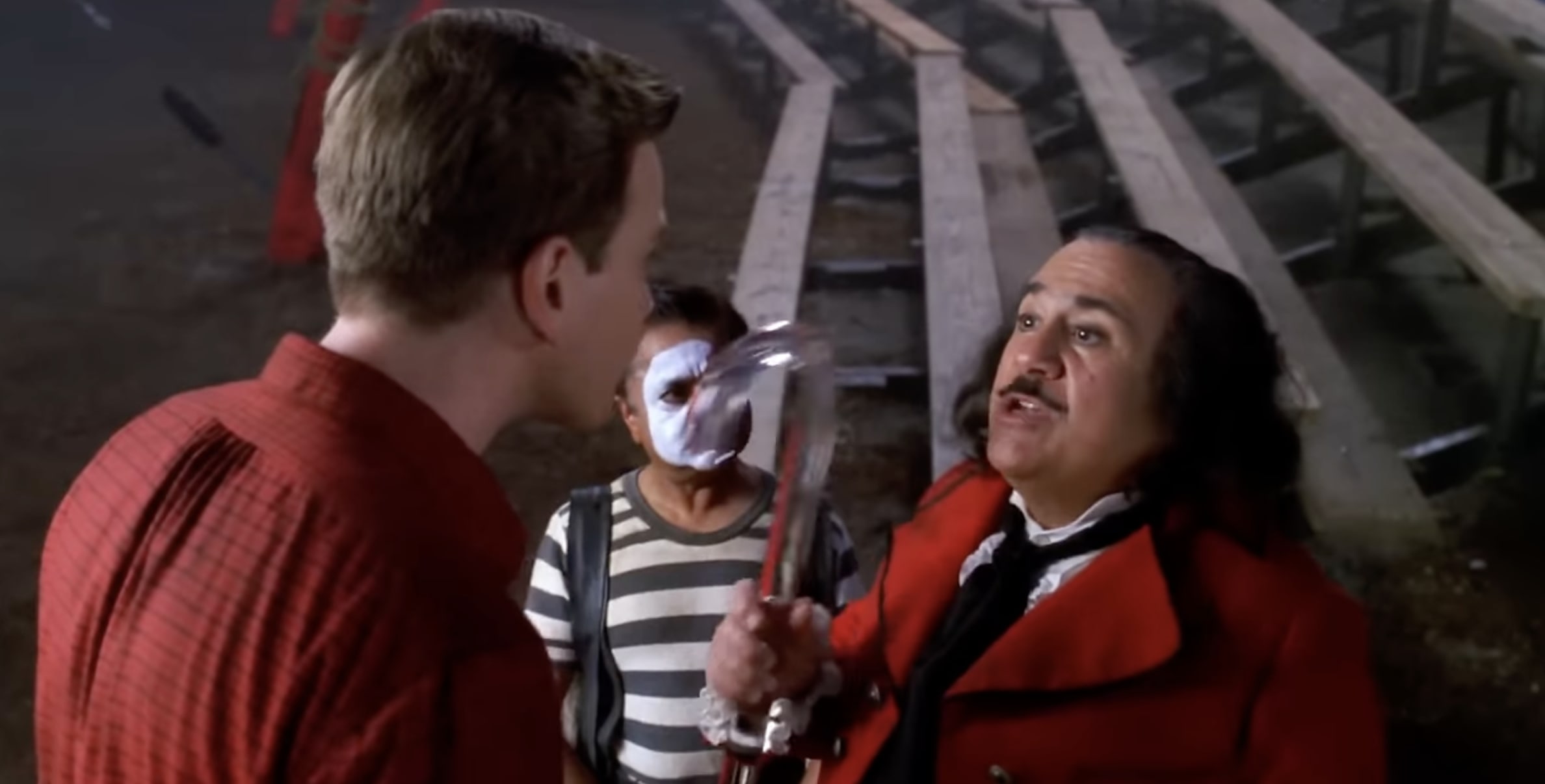
Tim Burton built a whole aesthetic universe out of misfit hearts and crooked houses, then spent four decades making Hollywood pay for the privilege of visiting it. He found his signature early: black and white stripes, pale skin, scissors for hands, and a conviction that the outsider is always the most interesting person in the room. His films look handmade even when the budgets say otherwise, stop motion textures bleeding into live action until the two feel like the same material. He and longtime composer Danny Elfman built a sound world of circus waltzes and minor key lullabies that mirrors the crooked, storybook geometry of his sets. Suburbia is his favorite monster, manicured lawns hiding a strangeness he clearly finds more honest than the lawns themselves.
Learn More →Signature Traits
Major Works
Edward Scissorhands (1990)
The purest statement of his whole career. A boy who can never touch what he loves, played against literal picket fence pastels.
Beetlejuice (1988)
Death rendered as bureaucratic farce. The sandworm alone justified his entire stop motion instinct.
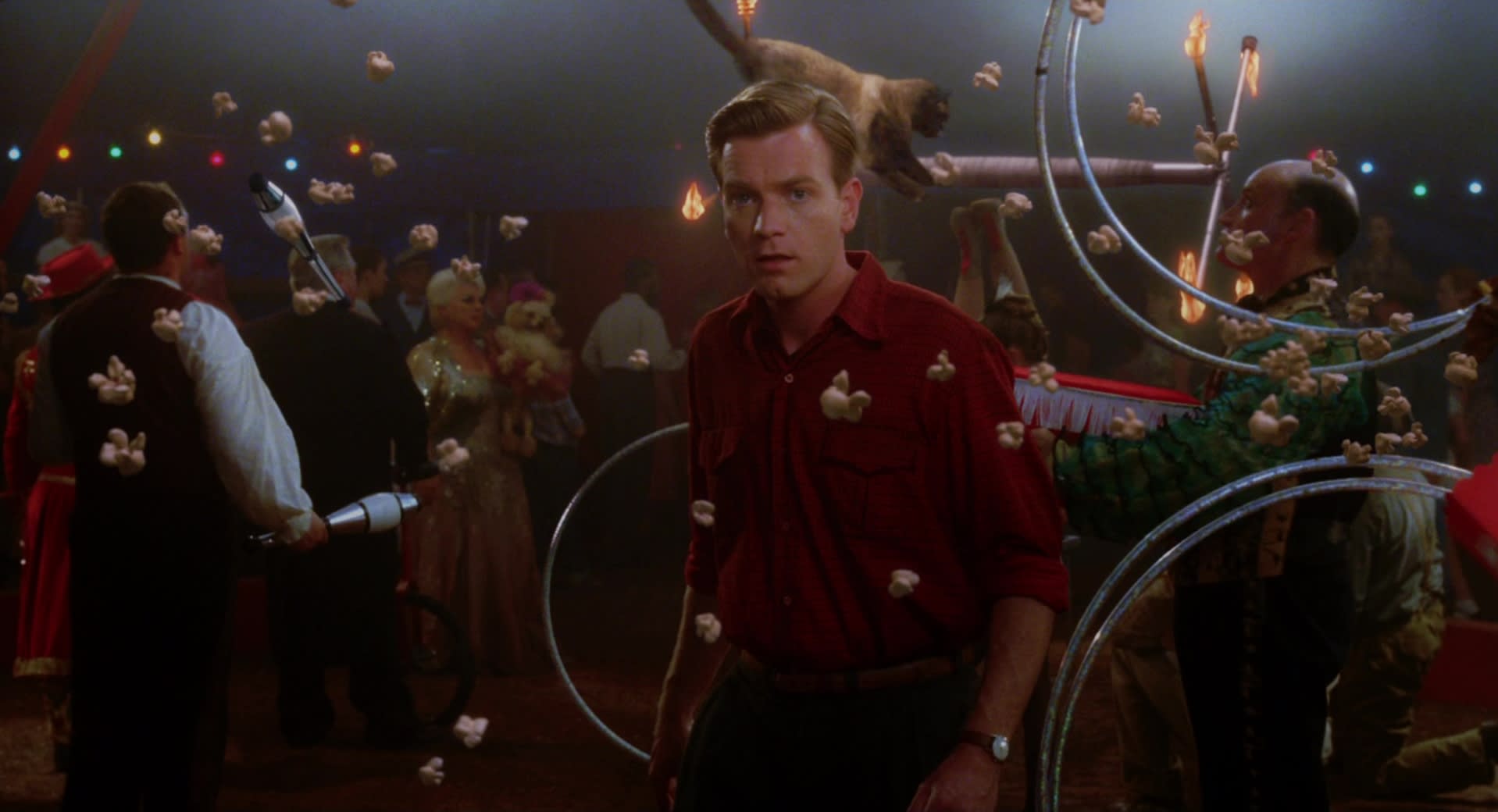
Big Fish (2003)
A father's tall tales taken at face value. The most sincere thing he has ever made.
Corpse Bride (2005)
Stop motion pushed to its emotional limit. A wedding dress that somehow reads as more alive than the living characters.