Directors
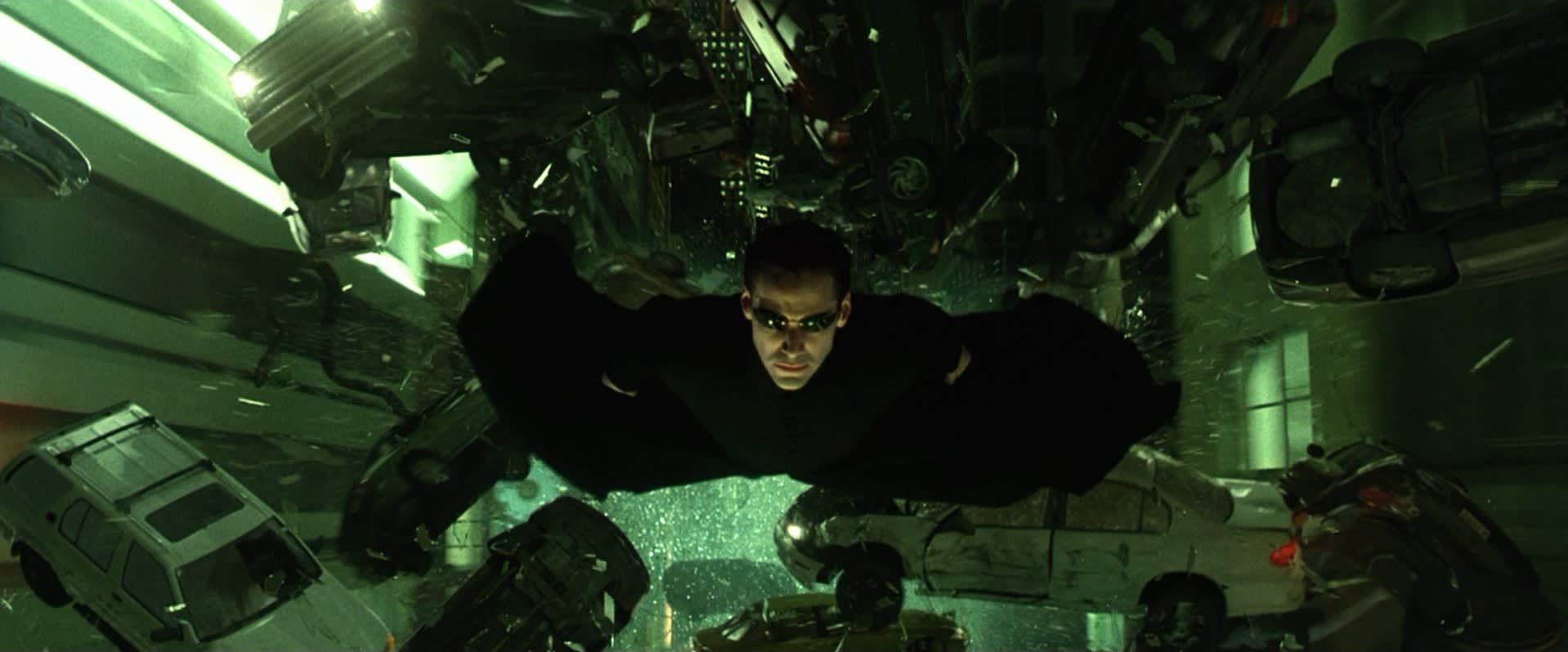
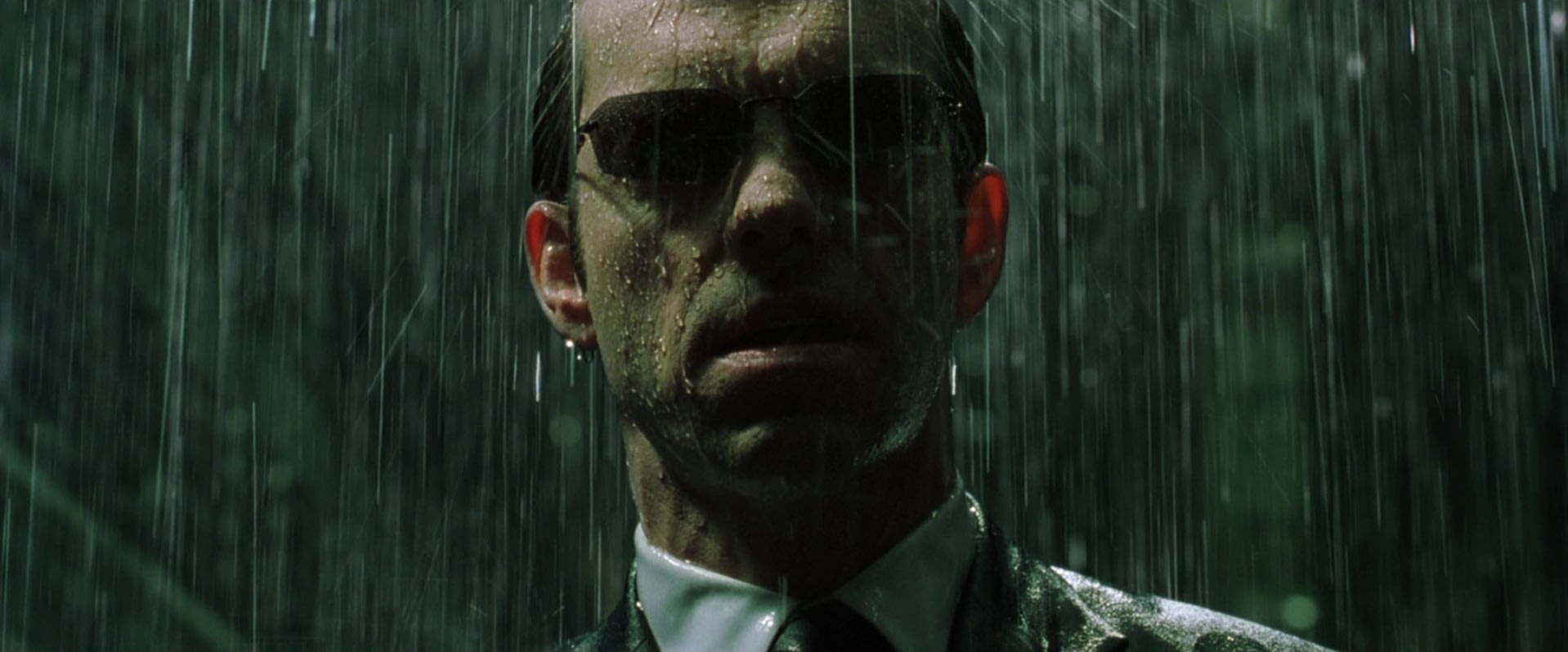
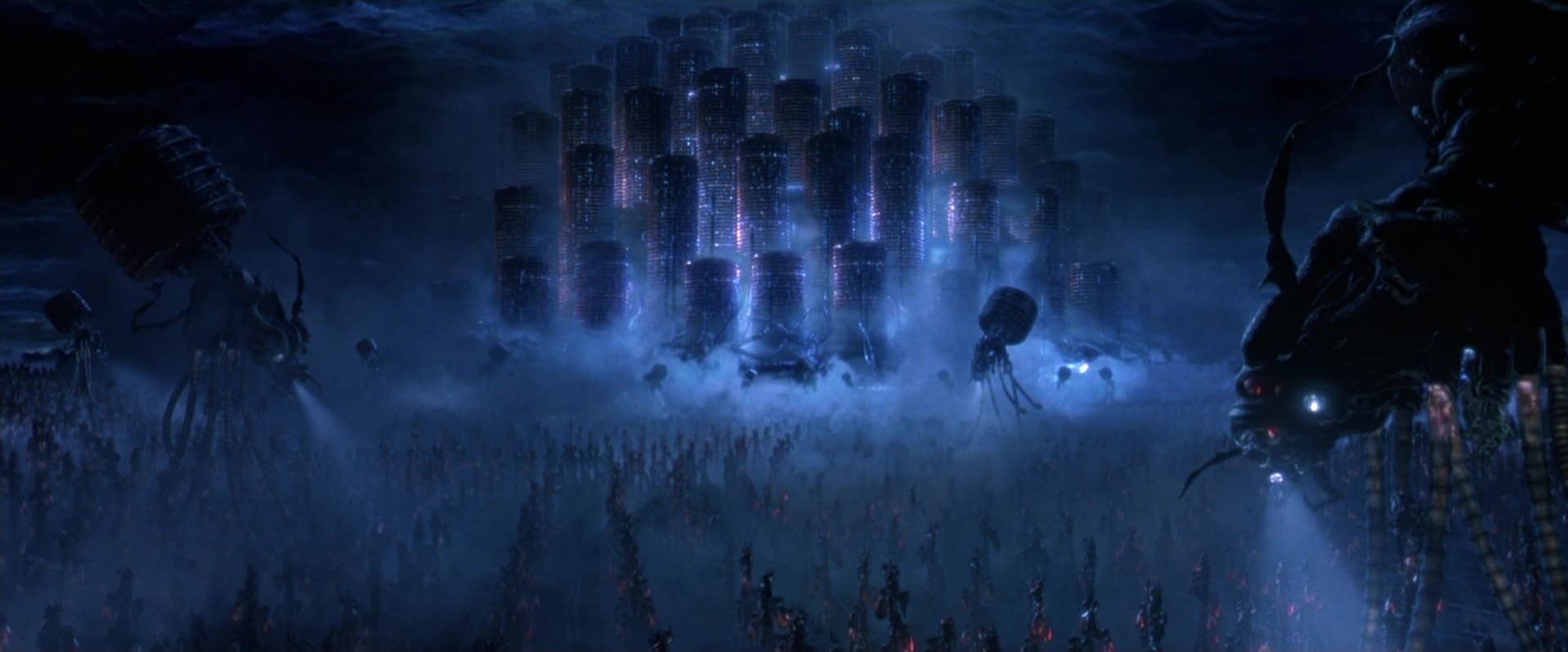
Lana and Lilly Wachowski spent the early 1990s writing screenplays and comics before making their directorial debut with the neo noir Bound in 1996, a film built entirely on their own terms after watching an earlier script get rewritten out from under them. Three years later they released The Matrix, and action cinema never fully recovered. Bullet time, wire work choreography, and a cascading green digital rain became instant cultural shorthand for simulated reality, all of it in service of a genuinely philosophical question about what is real and who gets to decide. The two sequels, Reloaded and Revolutions, expanded the mythology into a maximalist trilogy of freeway battles, rave undergrounds, and machine war, closing a story that started as an action movie and ended as scripture for a generation raised on it. Whatever they made after, the trilogy remains the reason every studio still chases the feeling of watching it for the first time.
Learn More →Signature Traits
Major Works
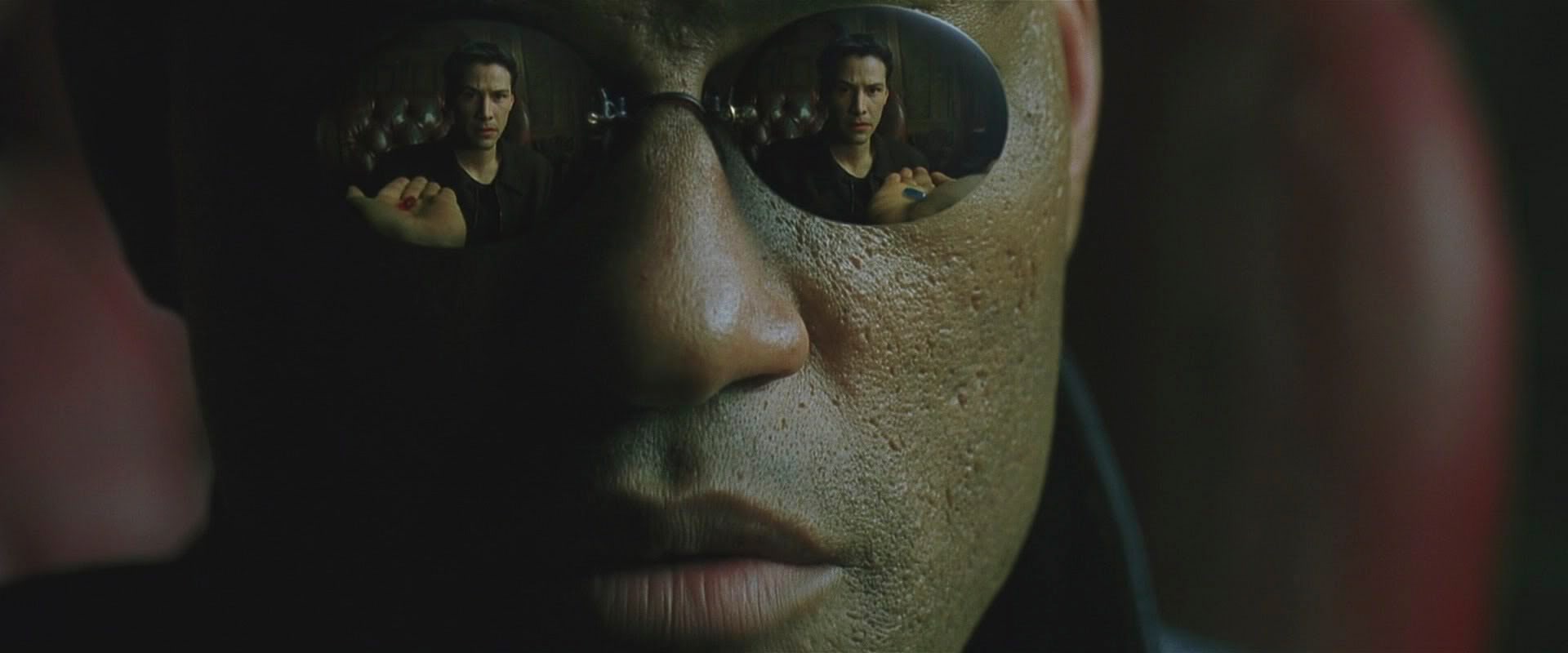
The Matrix (1999)
Neo takes the red pill and modern action cinema restarts from zero. Bullet time turned a technical trick into the defining aesthetic of the following two decades.
The Matrix Reloaded (2003)
The freeway chase alone cost more than most films' entire budget, and the philosophy scaled up to match it. The Architect scene remains the strangest pause a blockbuster has ever taken.
The Matrix Revolutions (2003)
Machine war and a human ending. Divisive on release, the closing chapter of a trilogy that had already rewired what audiences expected from science fiction.