Designer
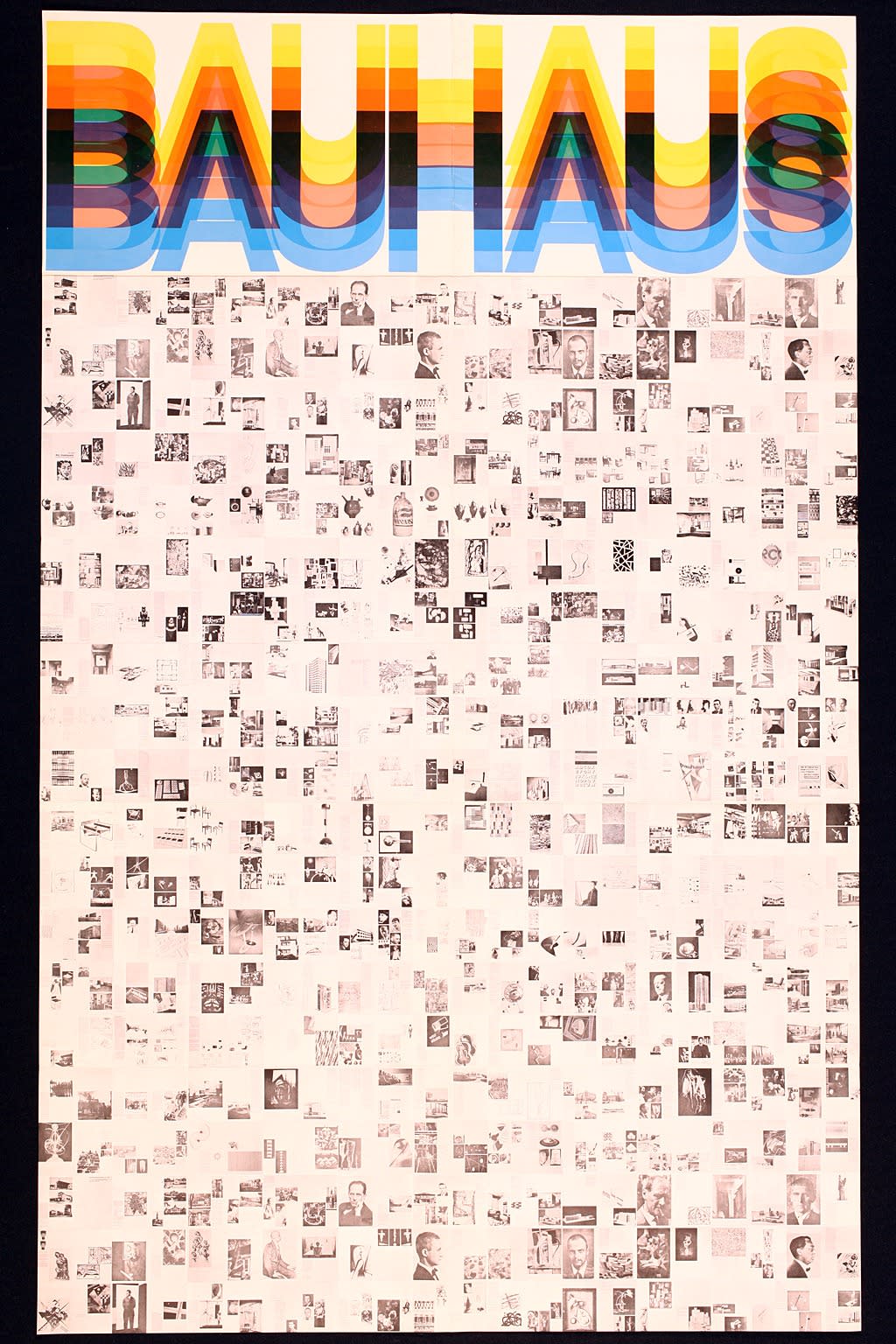
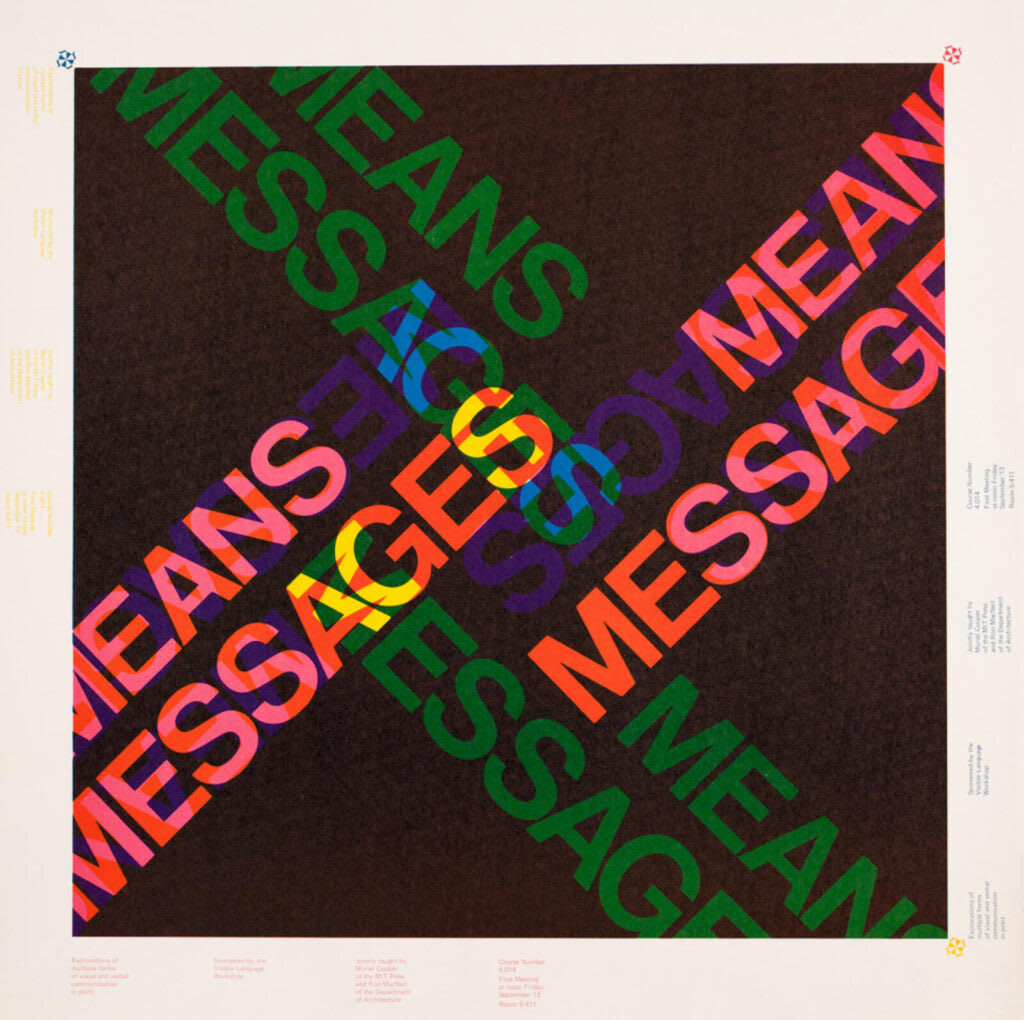

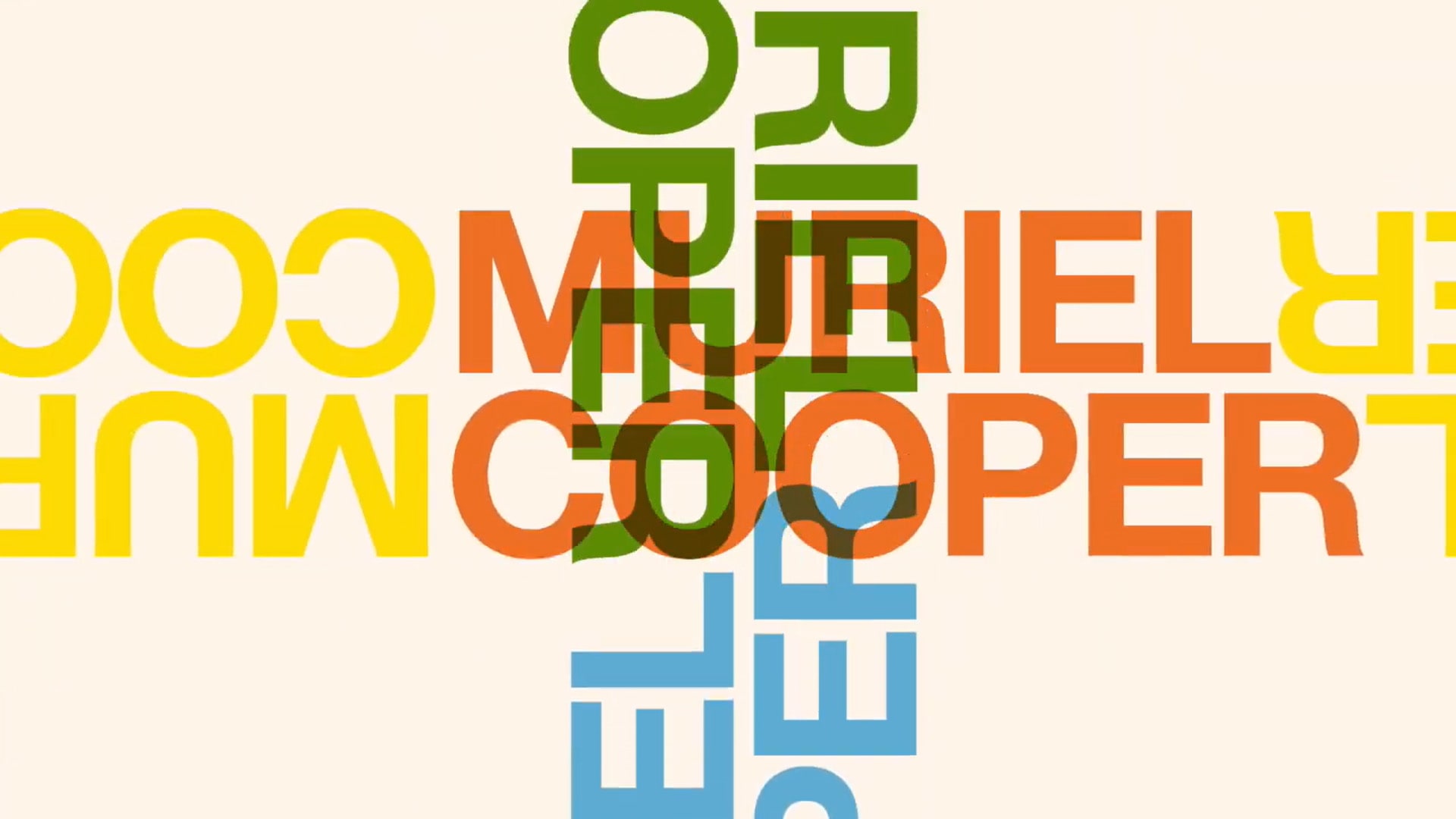
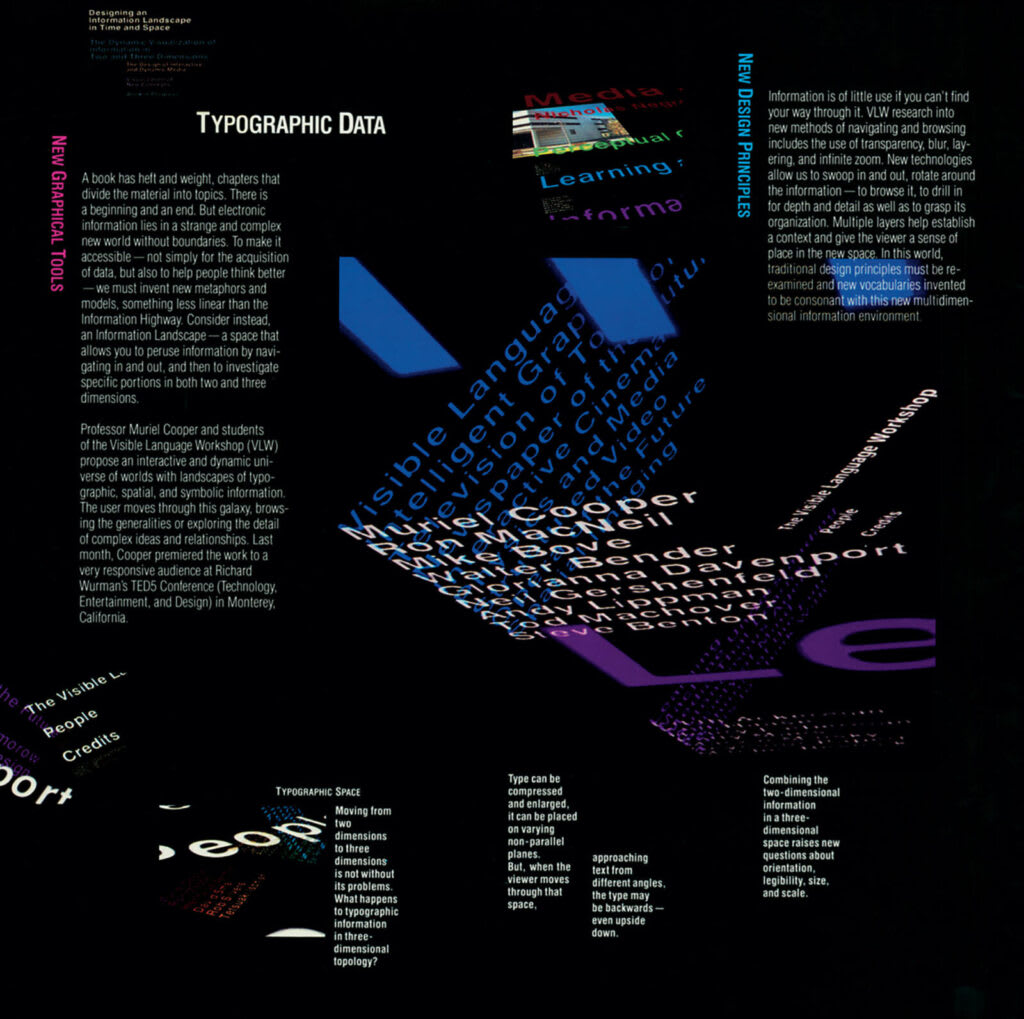

Muriel Cooper spent four decades making MIT look like it meant what it said, first as the first design director of MIT Press and then as a founding faculty member of the MIT Media Lab. She designed The Bauhaus in 1969 and Learning from Las Vegas in 1972, two volumes that turned academic publishing into a disciplined visual language and left MIT Press with an identity still recognizable on every spine it produces. In 1974 she founded the Visible Language Workshop with Ron MacNeil, teaching design through participatory experiment rather than solo authorship, at a moment when almost nobody treated computers as design tools. At the Media Lab in the 1980s she pushed further, building information landscapes, three dimensional environments where readers could fly through text long before any screen interface attempted the same idea. She became the Lab's first tenured woman and died in 1994, having spent a career treating typography as an interface problem before interfaces existed.
Learn More →Signature Traits
Major Works
The Bauhaus by Hans Wingler (1969)
Her design direction turned Wingler's history of the school into one of the defining book objects of MIT Press, dense and disciplined, still referenced as a benchmark in academic design.
Learning from Las Vegas (1972)
Designed for Robert Venturi, Denise Scott Brown, and Steven Izenour's landmark architectural study. Grid and typography built to carry an argument, not just illustrate one.
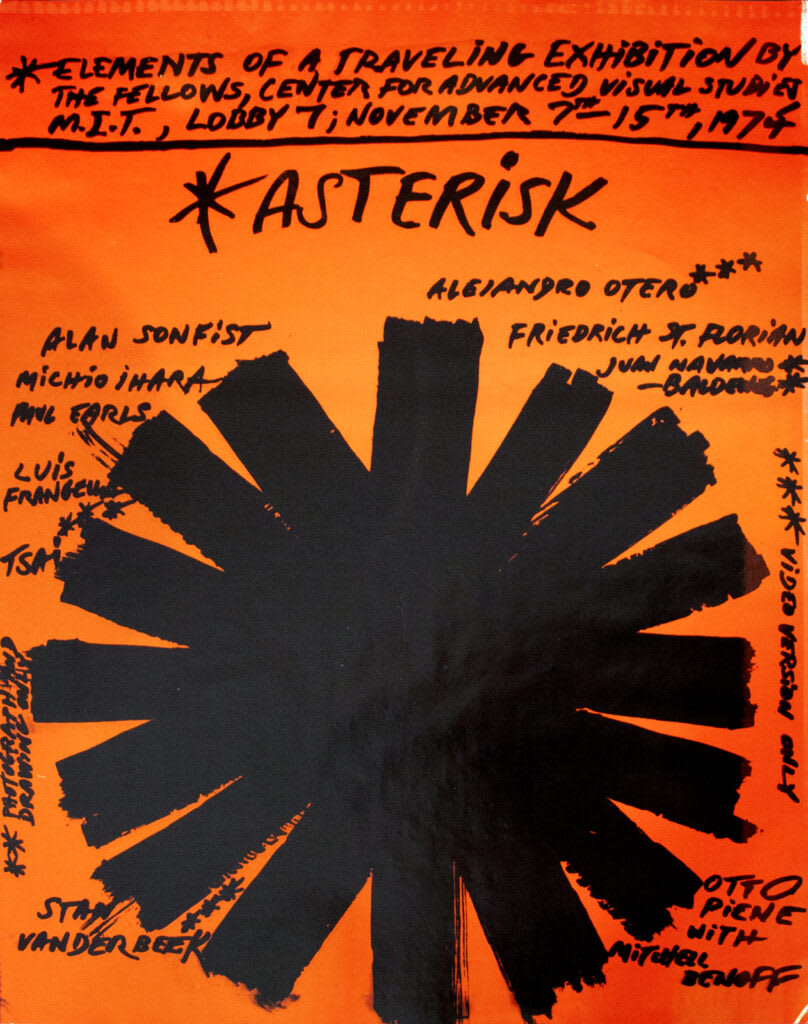
Visible Language Workshop (1974)
Founded with Ron MacNeil inside MIT's Department of Architecture. A workshop built to teach design through interactive media before that phrase existed.
Information Landscapes, MIT Media Lab (1985)
A navigable three dimensional interface for text, built years before the technology existed to make it comfortable. The clearest evidence she was designing for screens the field had not caught up to yet.