
Dream Maker


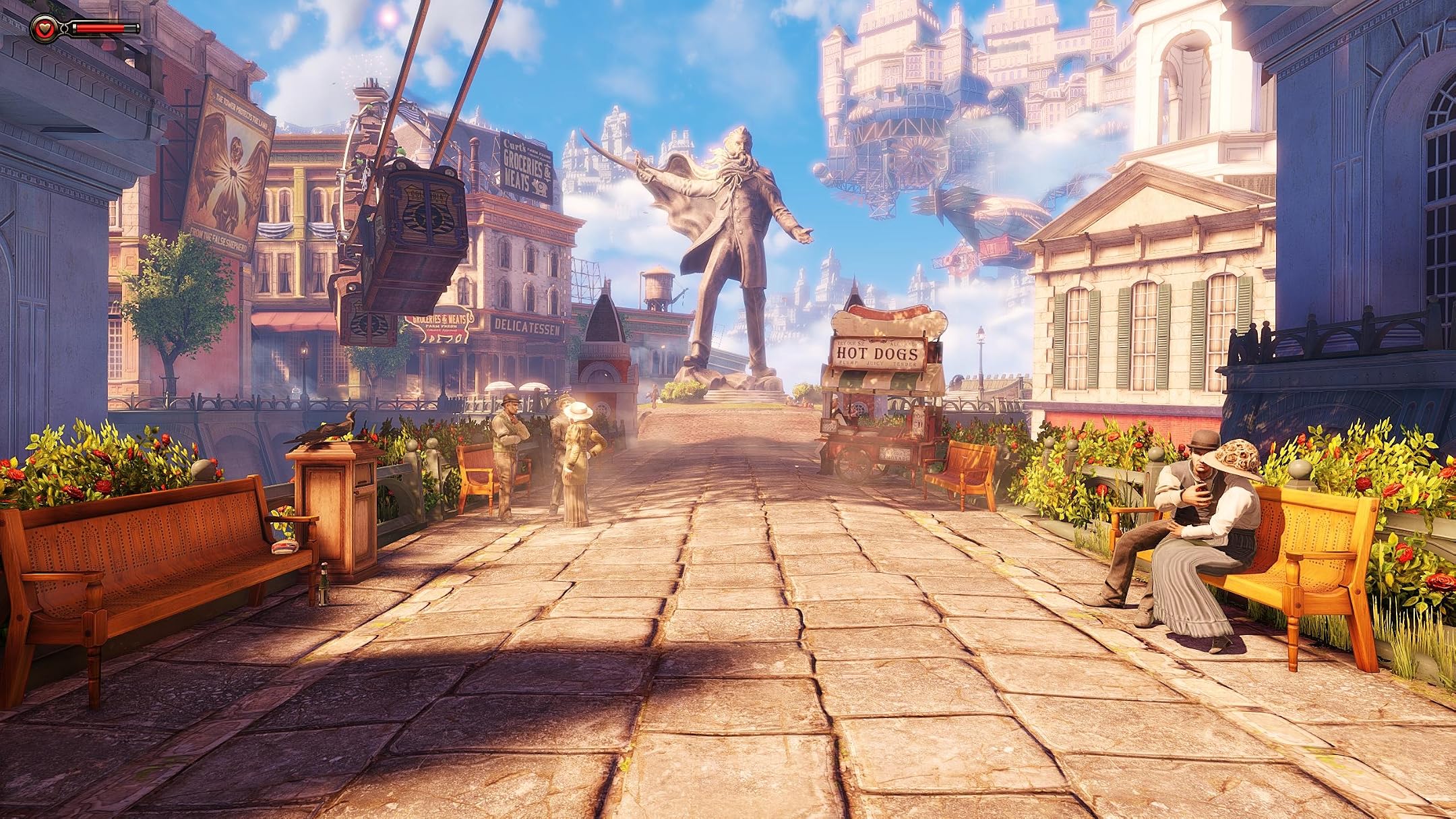
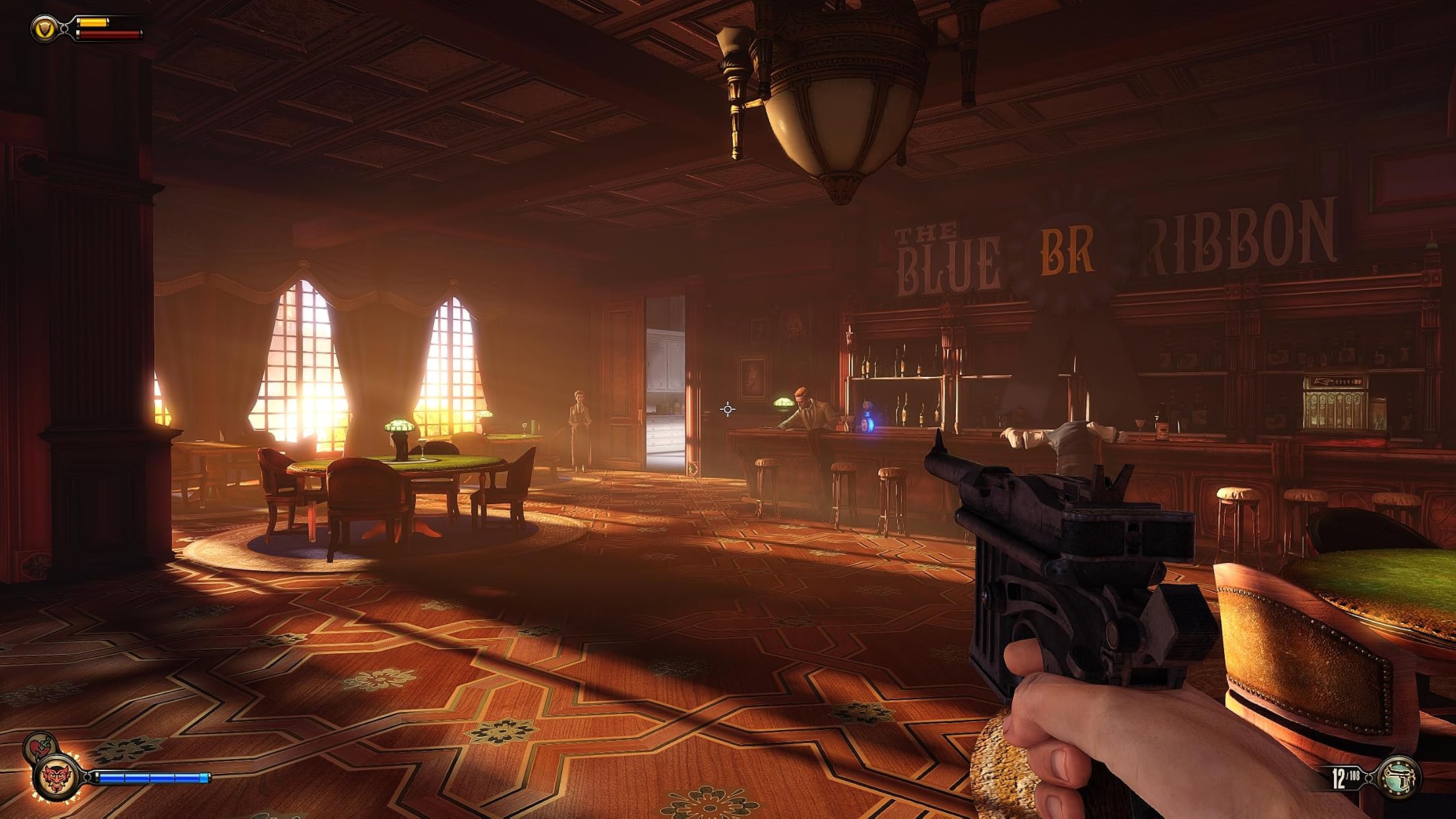

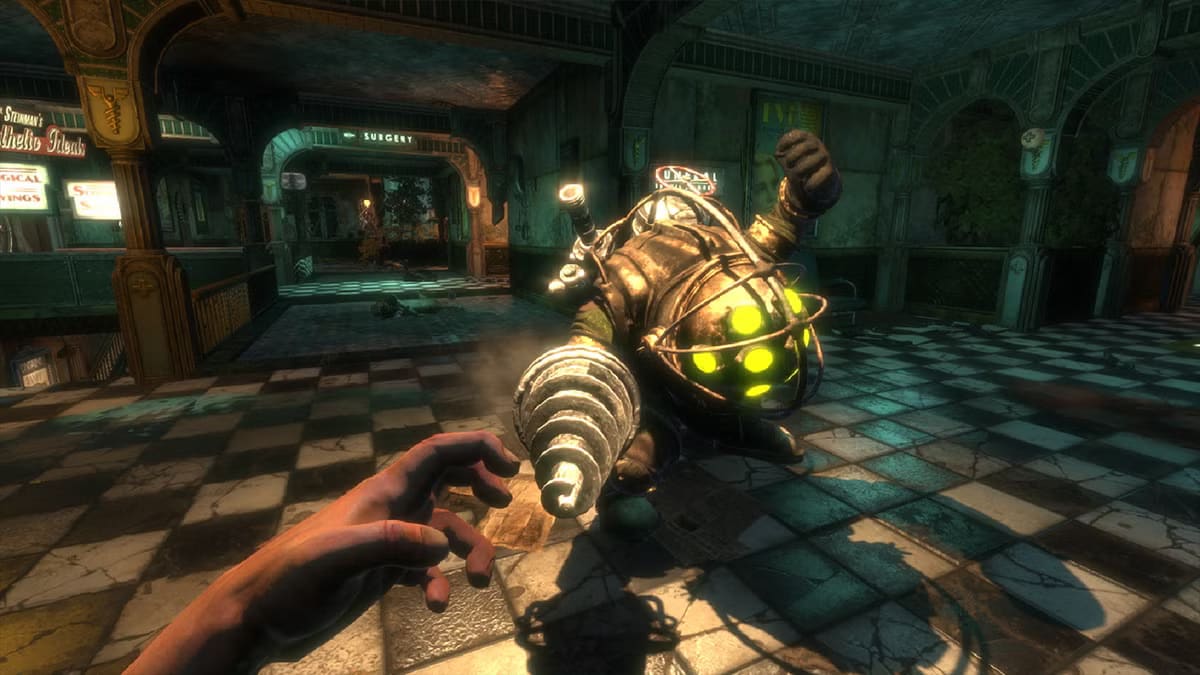
Ken Levine builds worlds that have something to say. Where most game designers ask what a world looks like, Levine asks what it believes, then constructs every corridor and piece of signage around that ideology until the architecture itself becomes argument. BioShock placed Ayn Rand's objectivism at the bottom of the ocean and let it rot beautifully, and BioShock Infinite put American exceptionalism in the clouds and set it on fire. He treats political philosophy not as backdrop but as primary material, trusting players to engage with ideas as seriously as they engage with mechanics. His worlds don't just look lived in, they look believed in.
Learn More →Signature Traits
Major Works
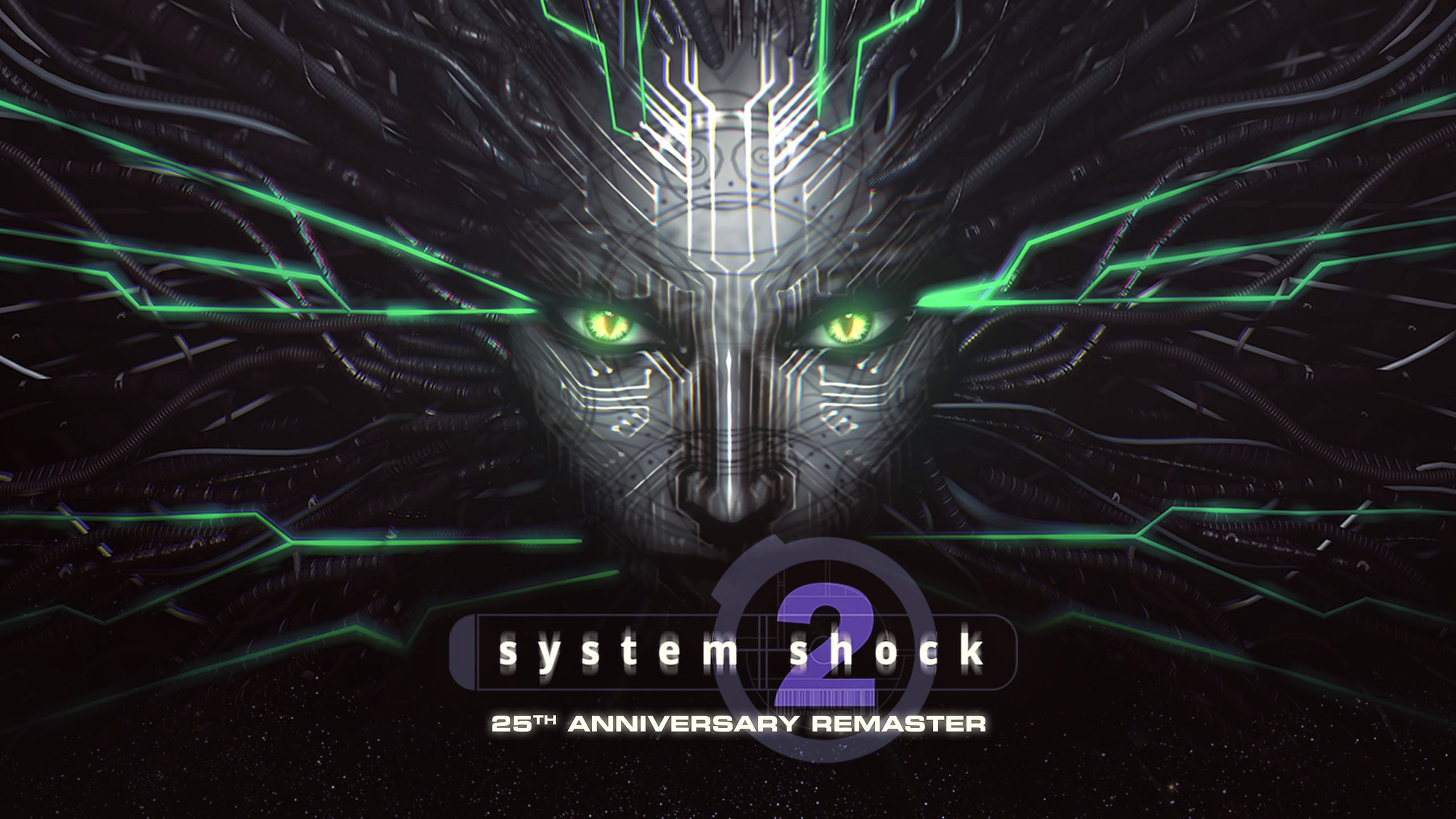
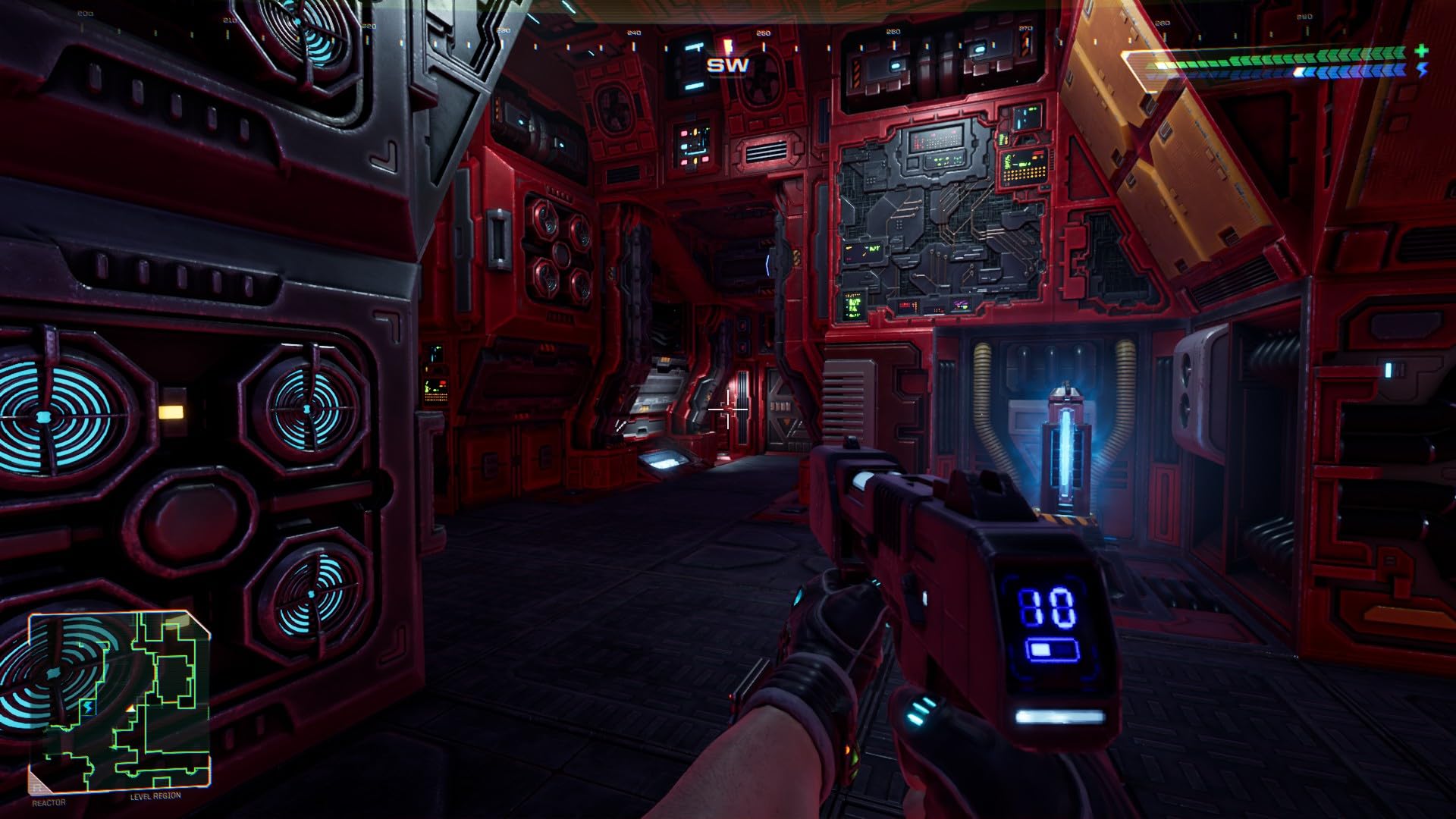
System Shock 2 (1999)
Co-designed the game that invented the template BioShock would later perfect. Atmospheric horror and narrative depth that was a decade ahead of its time.
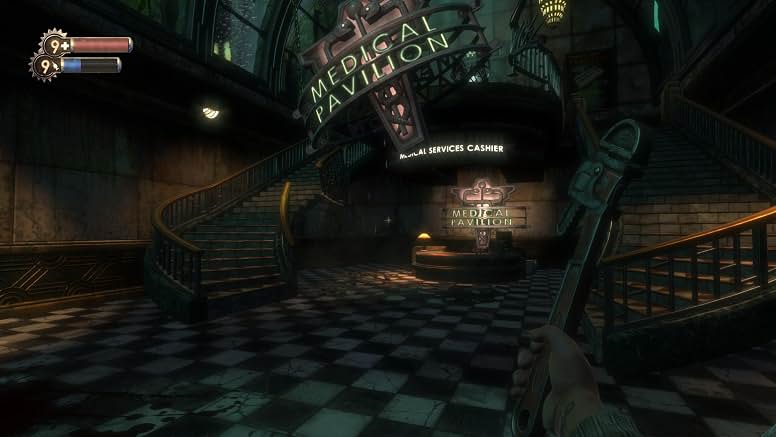
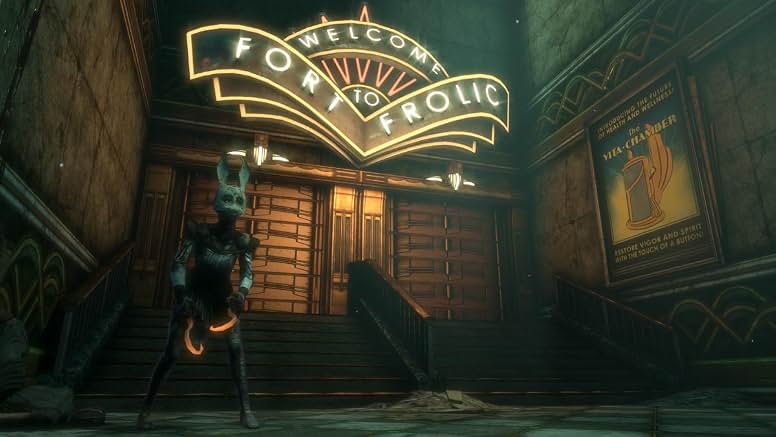
BioShock (2007)
Rapture. An underwater city built on libertarian philosophy, consumed by its own contradictions. The most fully realized ideological world ever constructed in a game. Would you kindly.
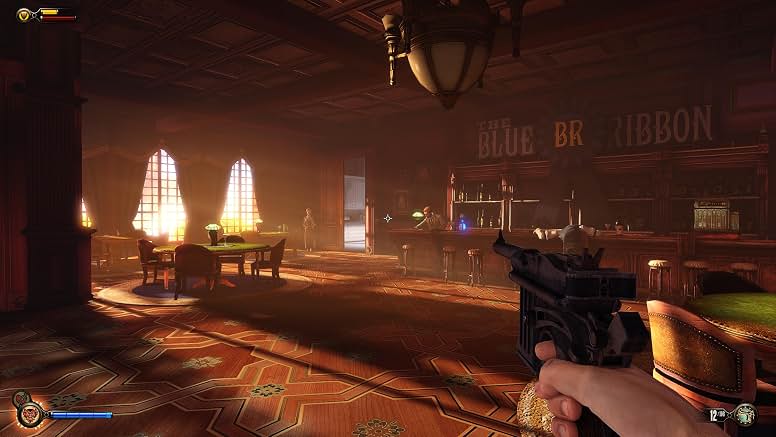
BioShock Infinite (2013)
Columbia. A city in the clouds built on American nationalism and religious fervor. Audacious, flawed, and more intellectually ambitious than anything else released that year in any medium.