Director
Hype Williams started as a graffiti artist in Queens tagging his name on anything that would hold ink, and that instinct, the need to leave a mark so arresting it stops people mid-stride, never left him. He moved into music video direction in the early 1990s and within a decade had built a visual grammar for hip-hop that nobody else had attempted at that scale. The fisheye lens distorting reality at the edges. Afrofuturist production design before anyone was using that word. Slow motion deployed not for drama but for grandeur. He gave rap artists the same cinematic weight Hollywood reserved for action heroes, and in doing so changed what music video audiences thought they were entitled to. If you grew up in the 1990s with access to MTV or BET, Hype Williams shaped how you see.
Learn More →Signature Traits
Major Works
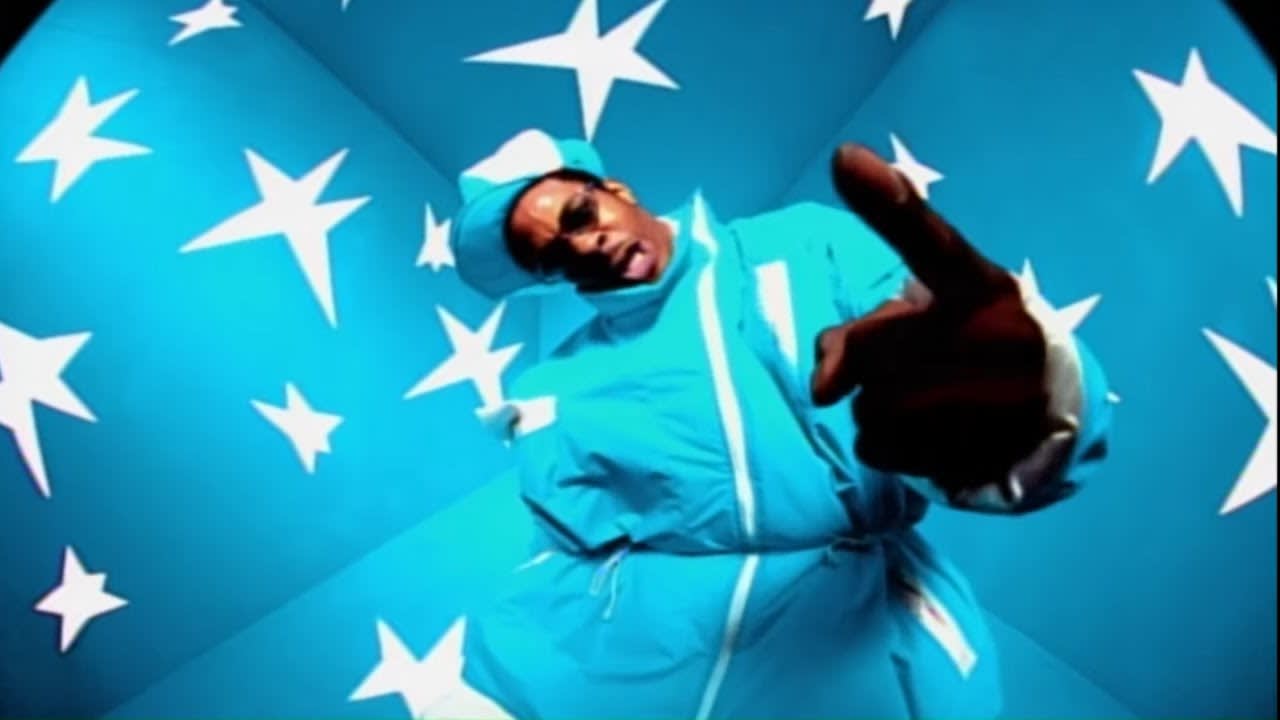
Busta Rhymes, Woo Hah!! Got You All in Check (1996)
The video that announced he was operating at a different frequency. Alien, kinetic, unforgettable.
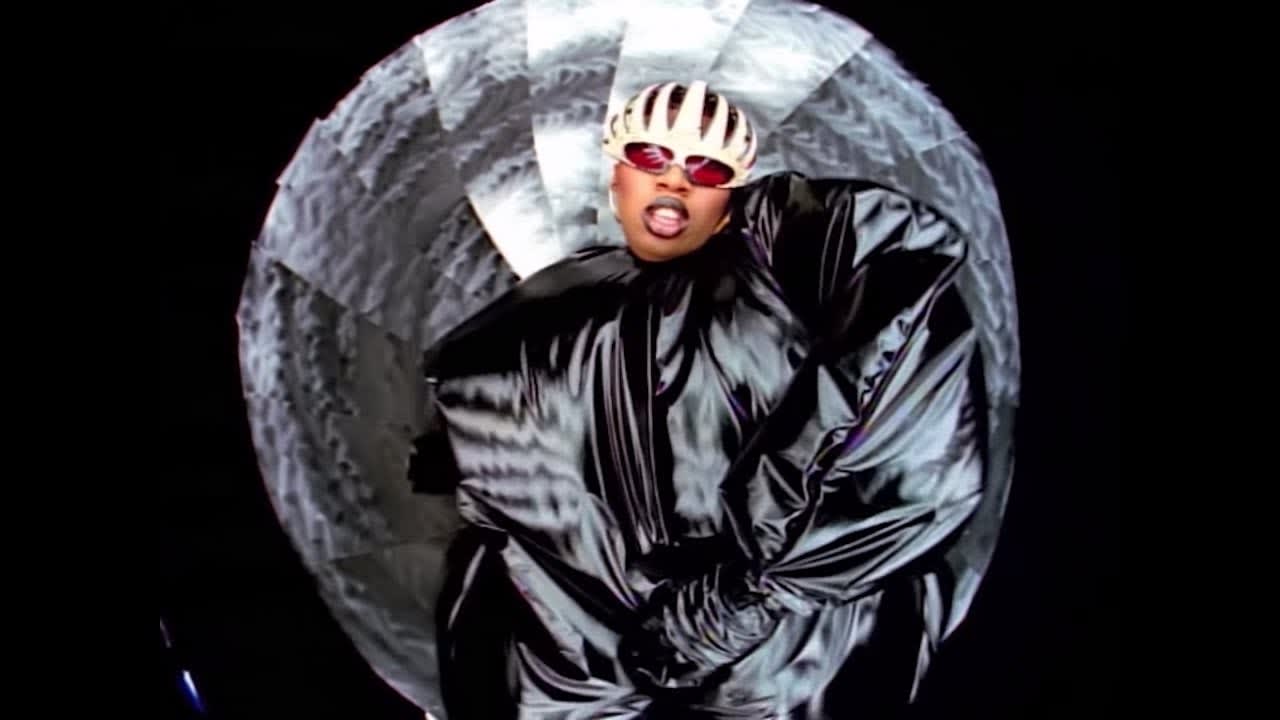
Missy Elliott, The Rain (Supa Dupa Fly) (1997)
A trash bag suit and a fisheye lens. One of the most iconic images in the history of music video. He made Missy a visual phenomenon.
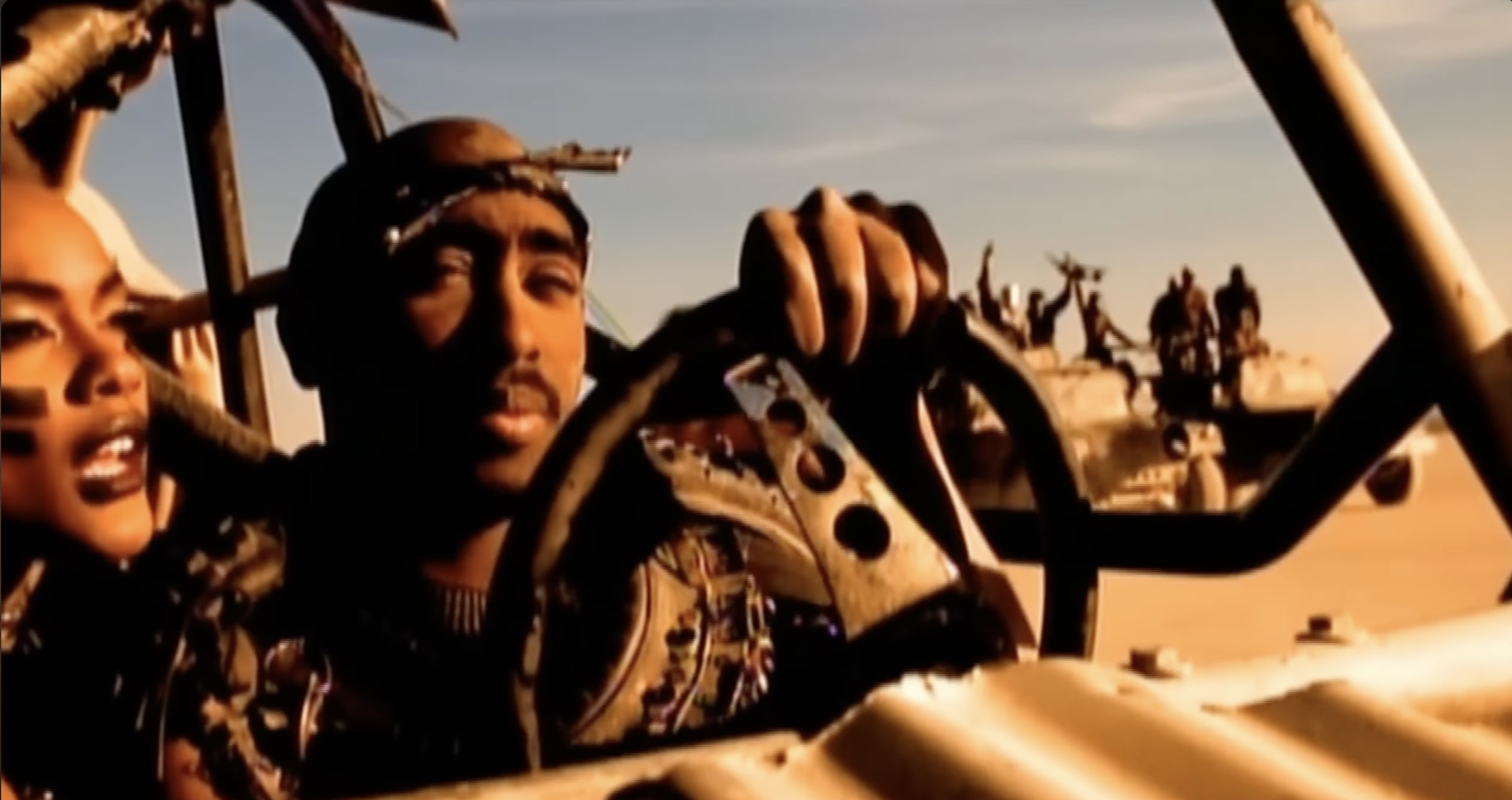
2Pac feat. Dr. Dre, California Love (1995)
Mad Max in the desert. Post-apocalyptic Afrofuturism as a rap video. Built a world in four minutes.
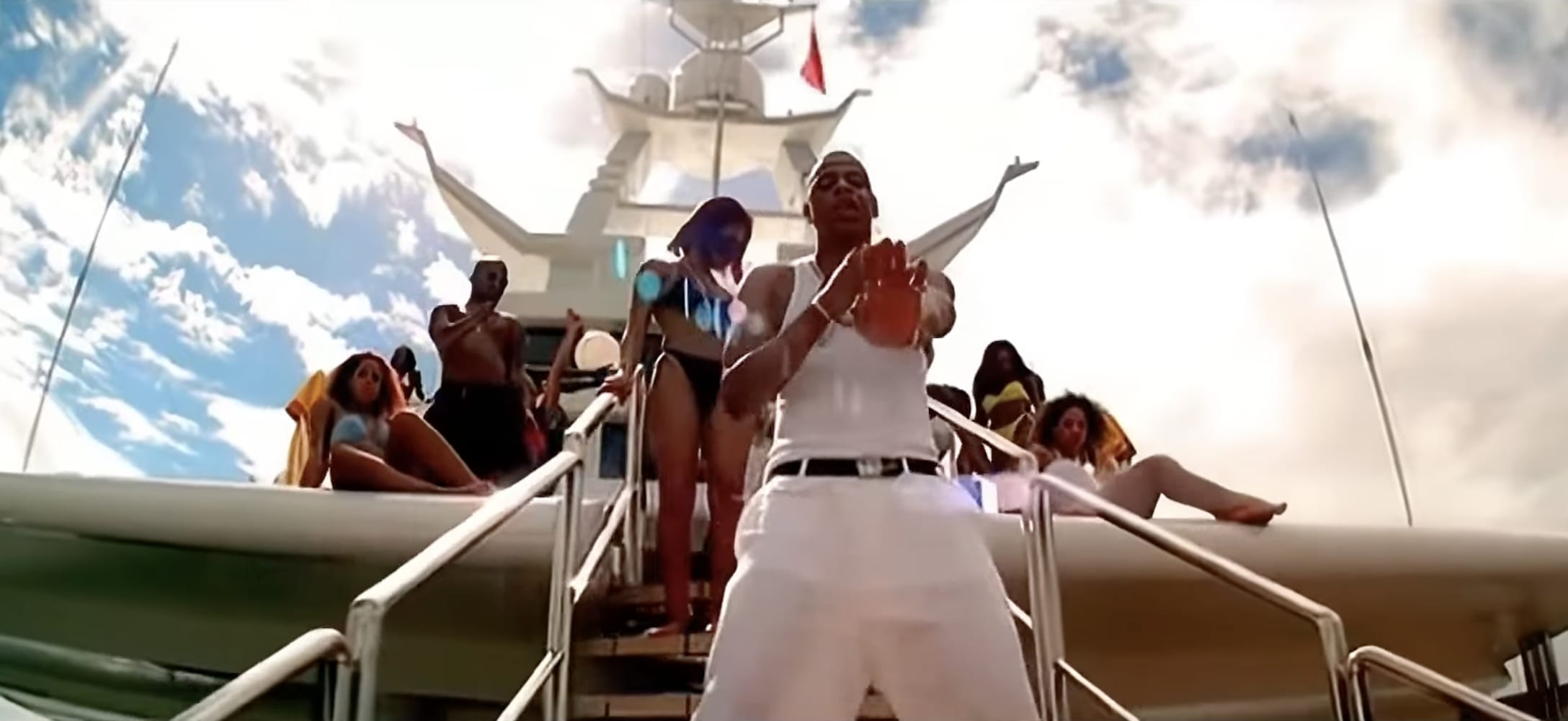
Jay-Z & UGK, Big Pimpin (2000)
Caribbean sun, boats, and a visual ambition that made the song feel even larger than it already was.