Cinematographer
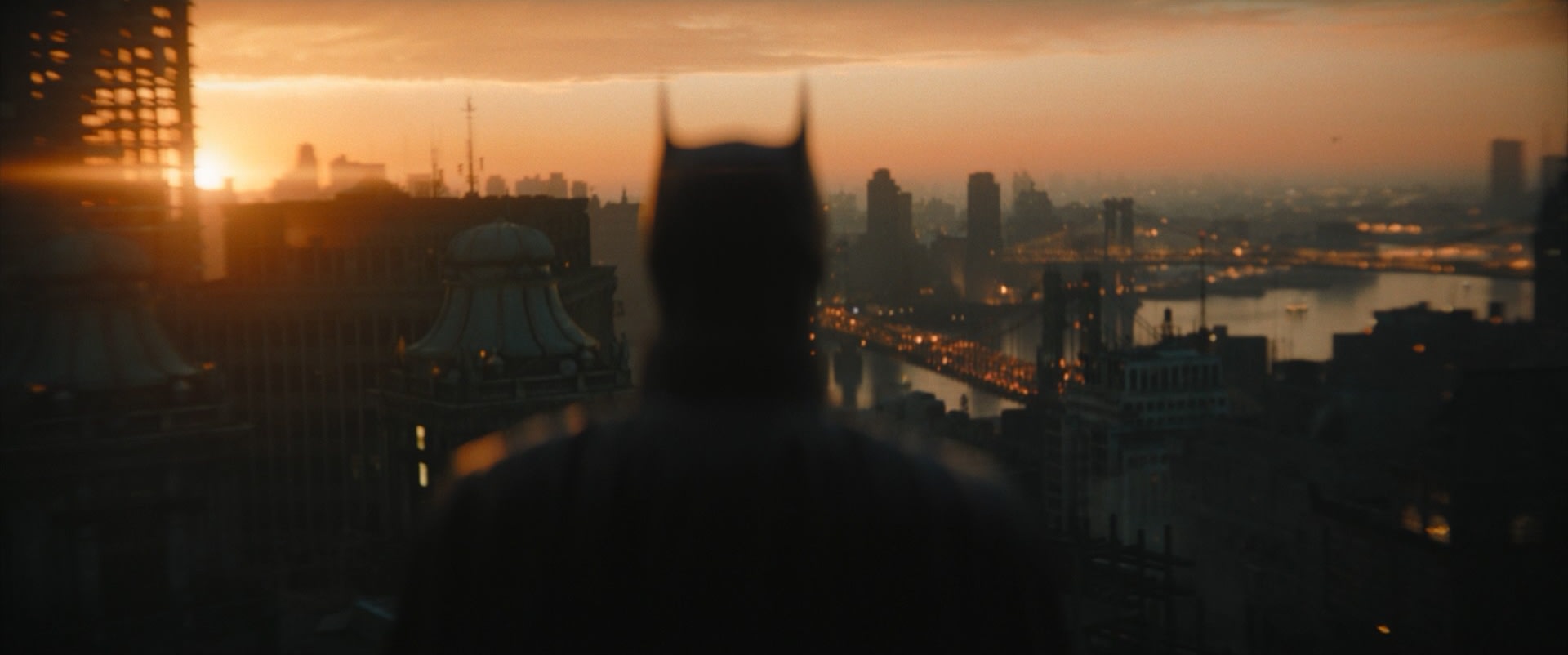
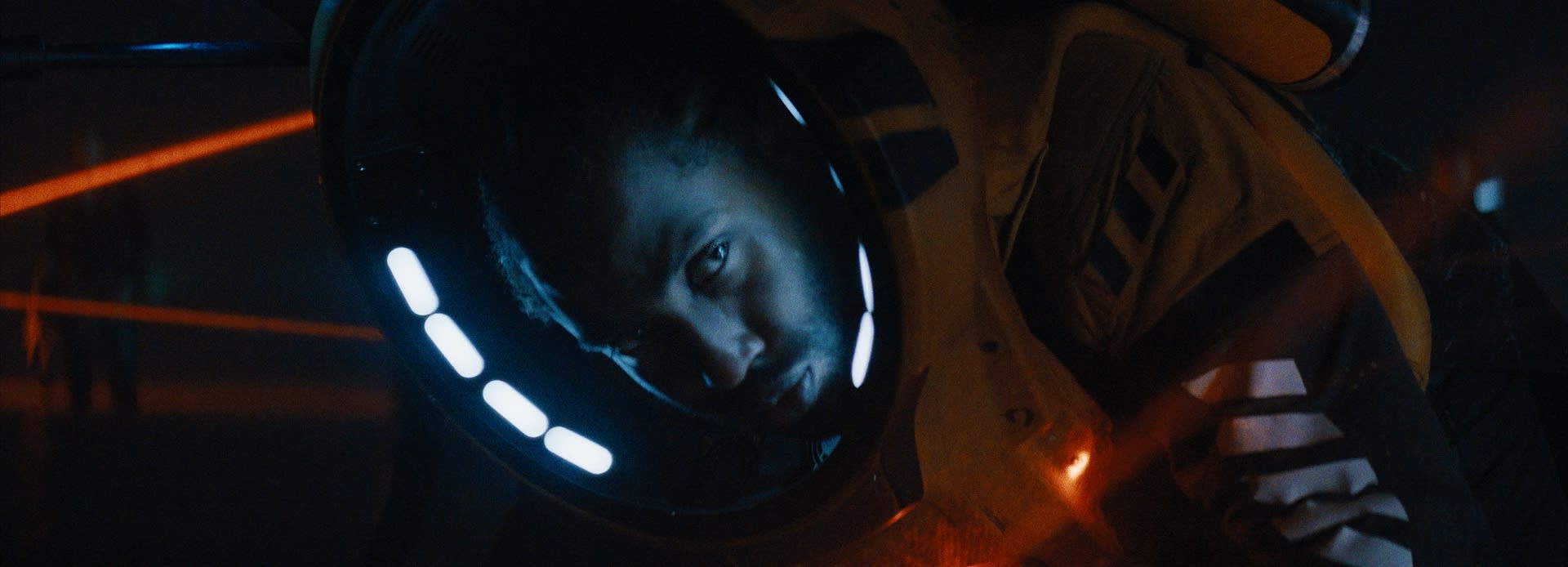
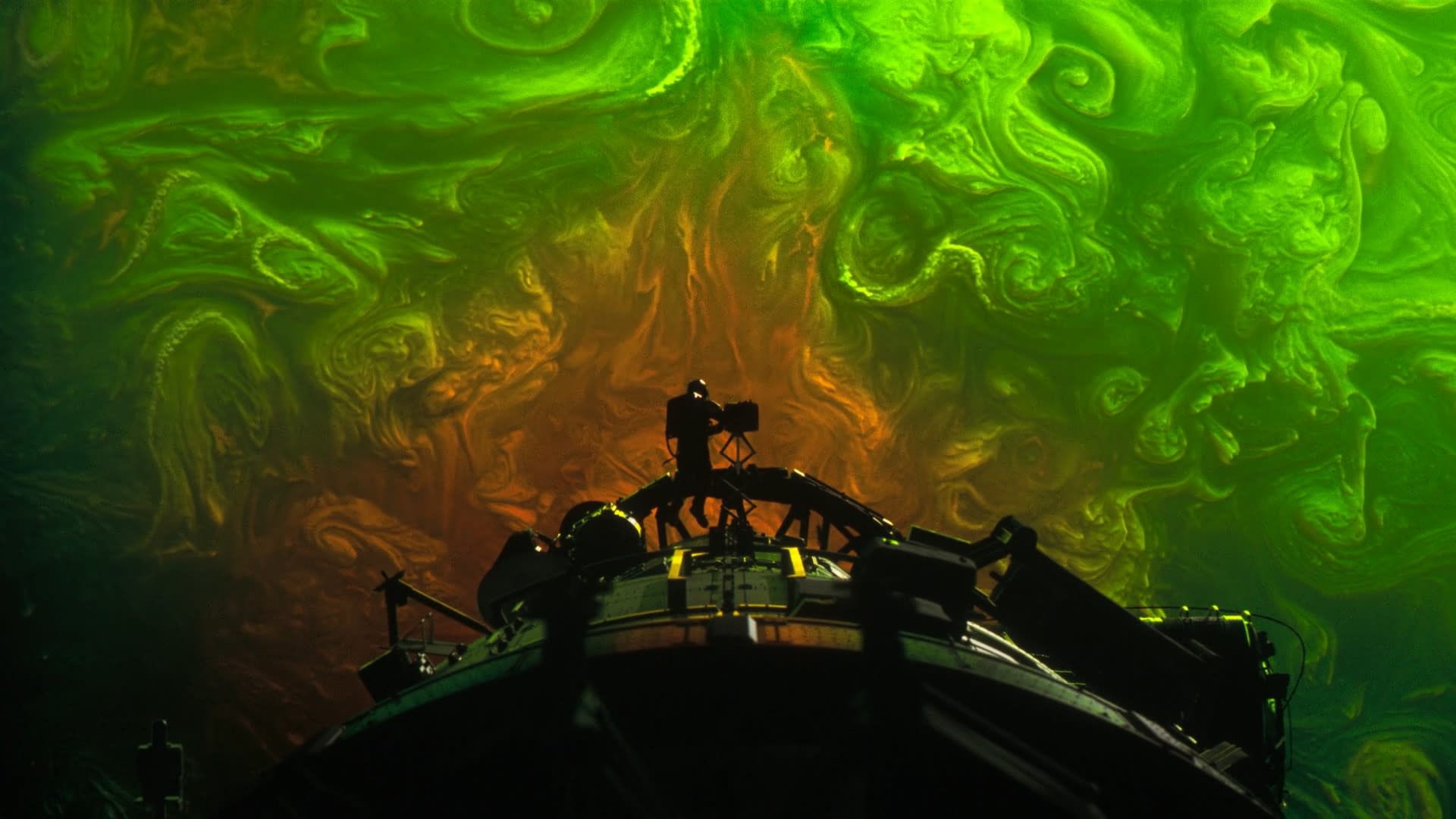
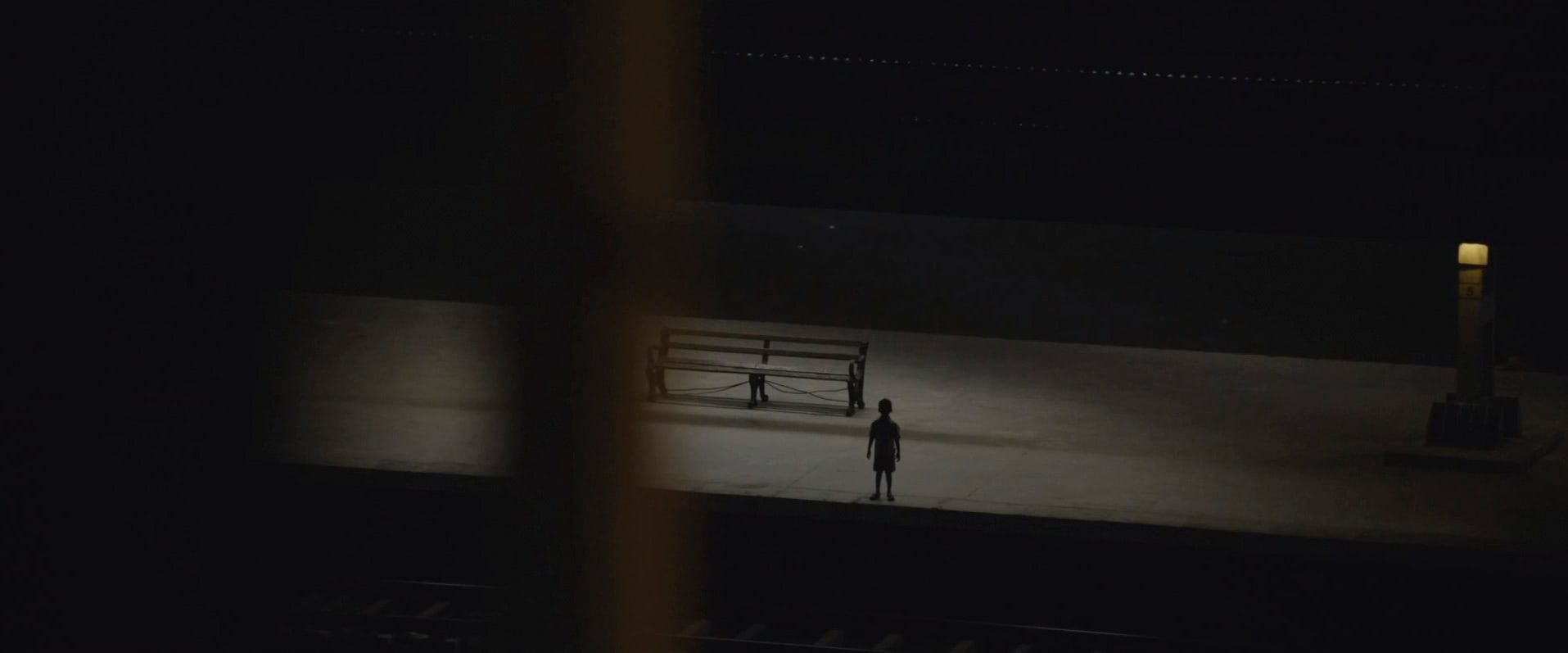
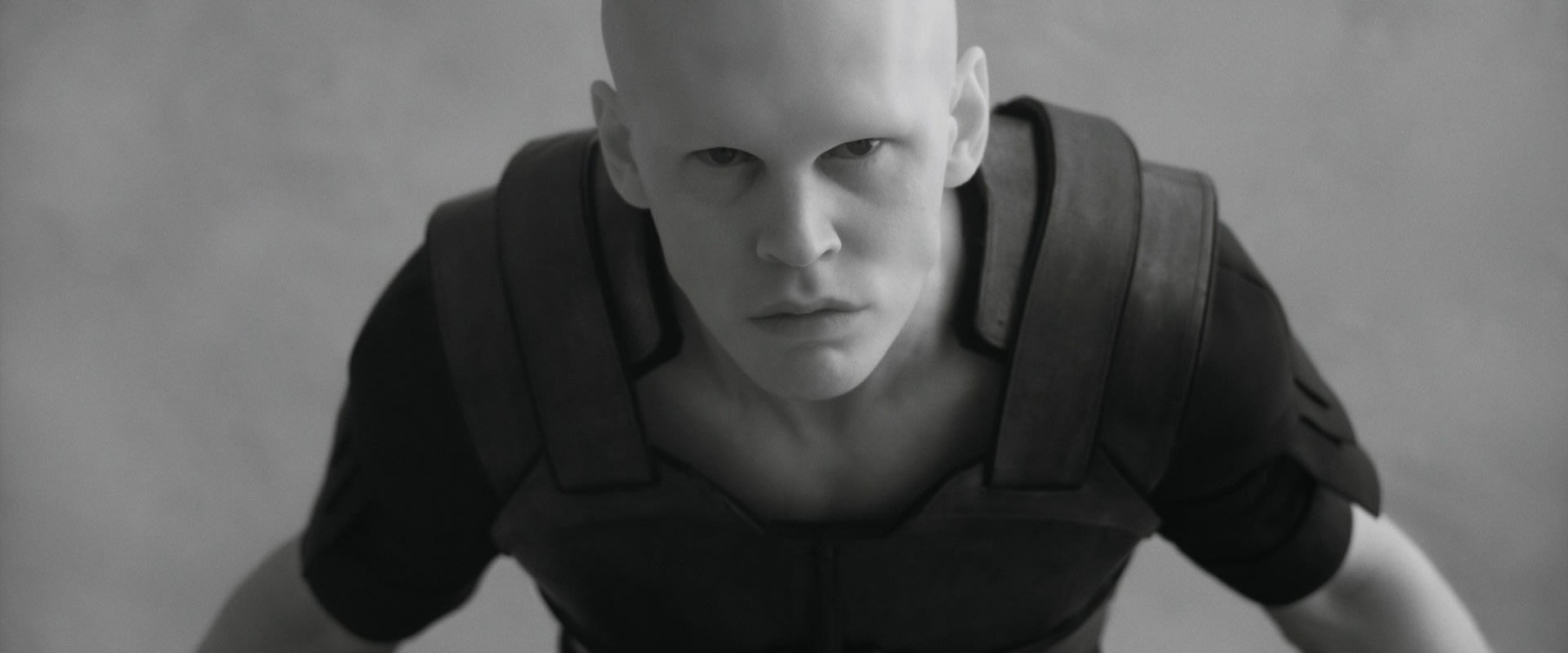
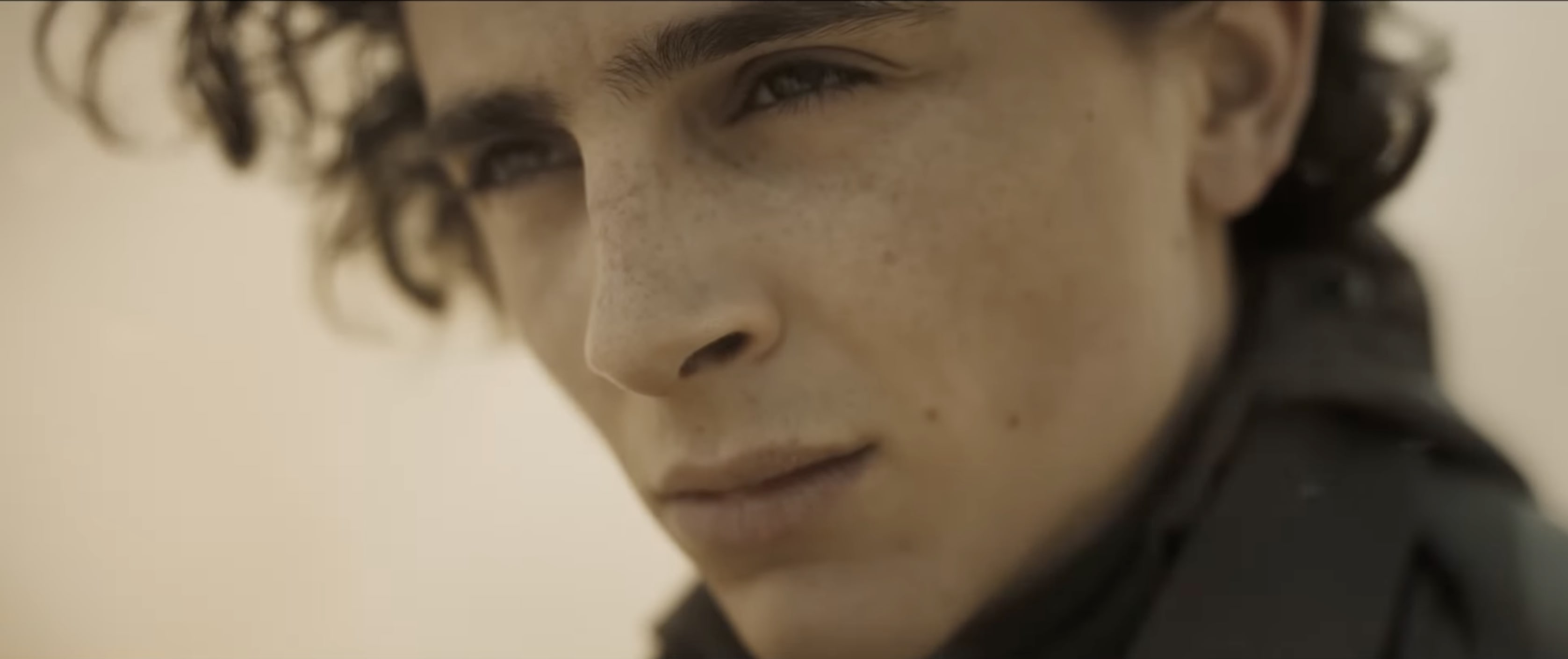
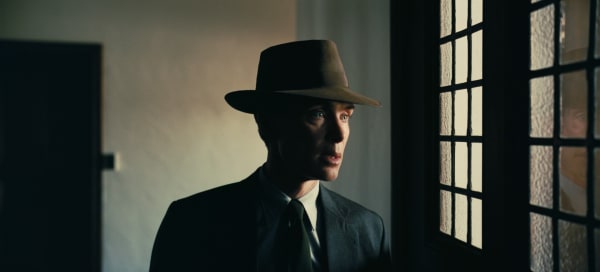
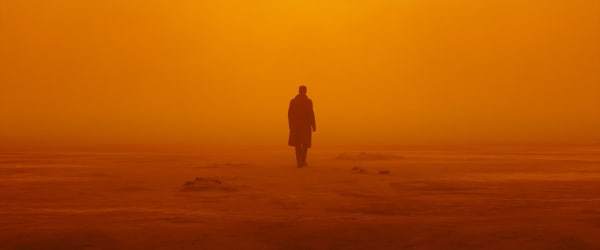
Greig Fraser spent the 2010s becoming Hollywood's answer to an impossible brief: make sprawling franchise machinery feel like it was shot by someone who still cares about light. Zero Dark Thirty proved he could carry dread on almost no artificial illumination at all. Lion earned him his first Oscar nomination for finding warmth inside grief without ever tipping into sentiment. Then Dune reset the bar for what studio science fiction could look like, real desert, real dust, a palette that trusted silence over spectacle, and an Academy Award to prove the industry noticed. He now moves between Gotham's noir sprawl and Arrakis's white heat without ever losing the instinct that made Zero Dark Thirty feel like found footage nobody was supposed to see.
Learn More →Signature Traits
Major Works
Lion (2016)
Warmth found inside a story built on loss and distance, drawing on Indian street photography for its color sense. His first Oscar nomination.
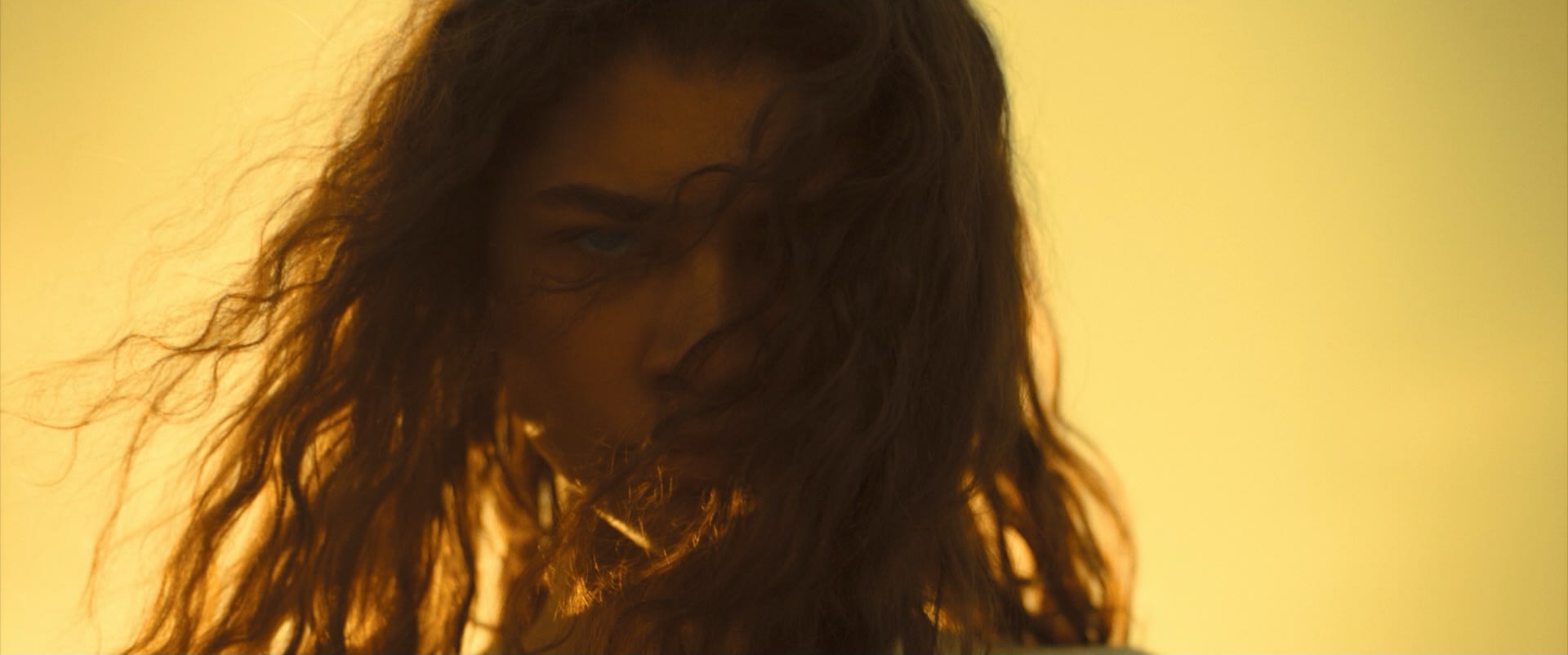
Dune (2021)
Real desert light and negative space so vast it becomes its own character. Won the Academy Award for Best Cinematography.
Dune: Part Two (2024)
The Harkonnen sequences shot in infrared, turning an entire planet's palette to black and white without a single frame feeling like a gimmick.
The Creator (2023)
A war epic shot largely on location with mirrorless cameras and natural light, proving big science fiction doesn't require a soundstage to look enormous.
Project Hail Mary (2026)
His next collaboration on a solitary-survival space epic, continuing the run of scale handled through restraint rather than excess.
Also Worked On
Out of the Blue (2006) • The Water Diary (2006) • Caterpillar Wish (2006) • Stranded (2006) • Bright Star (2009) • The Boys Are Back (2009) • Last Ride (2009) • Let Me In (2010) • Zero Dark Thirty (2012) • Killing Them Softly (2012) • Snow White and the Huntsman (2012) • Rogue One: A Star Wars Story (2016) • Vice (2018) • The Mandalorian (2019) • The Batman (2022)