Cinematographer
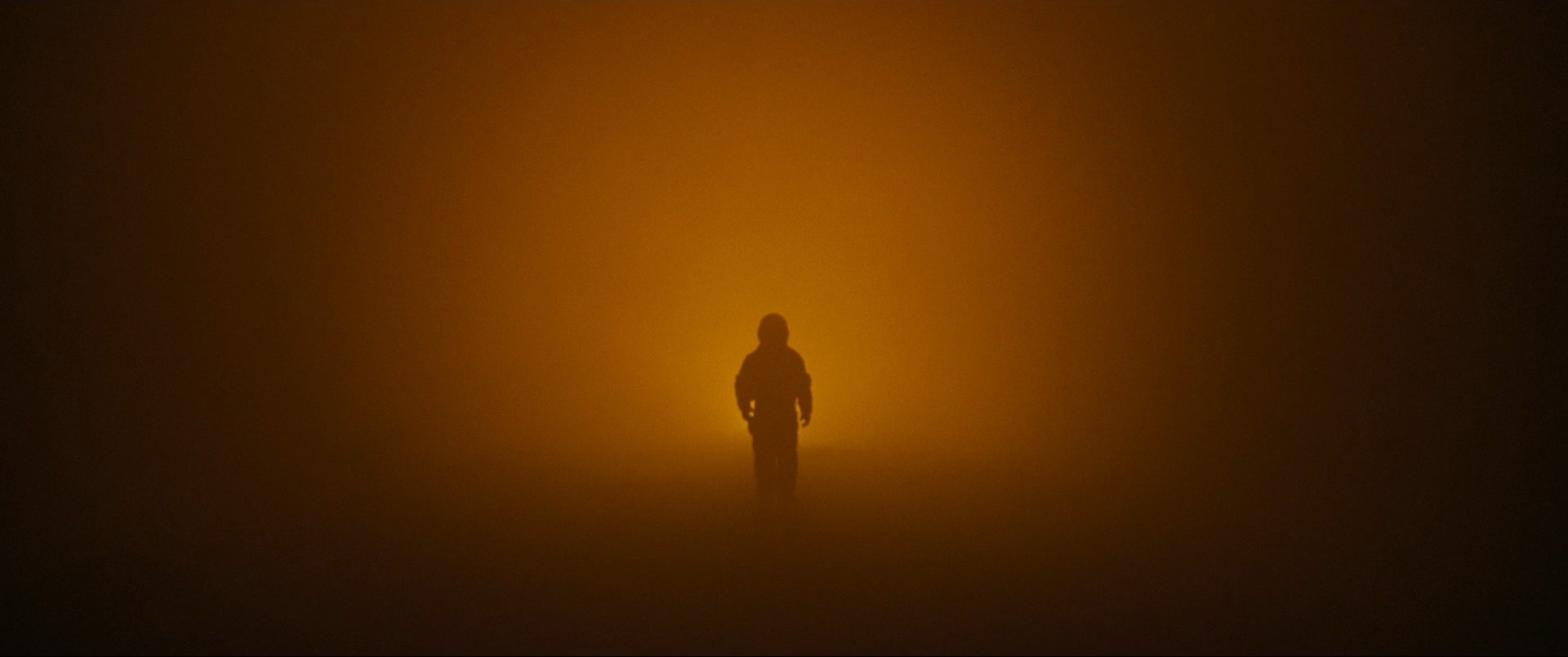
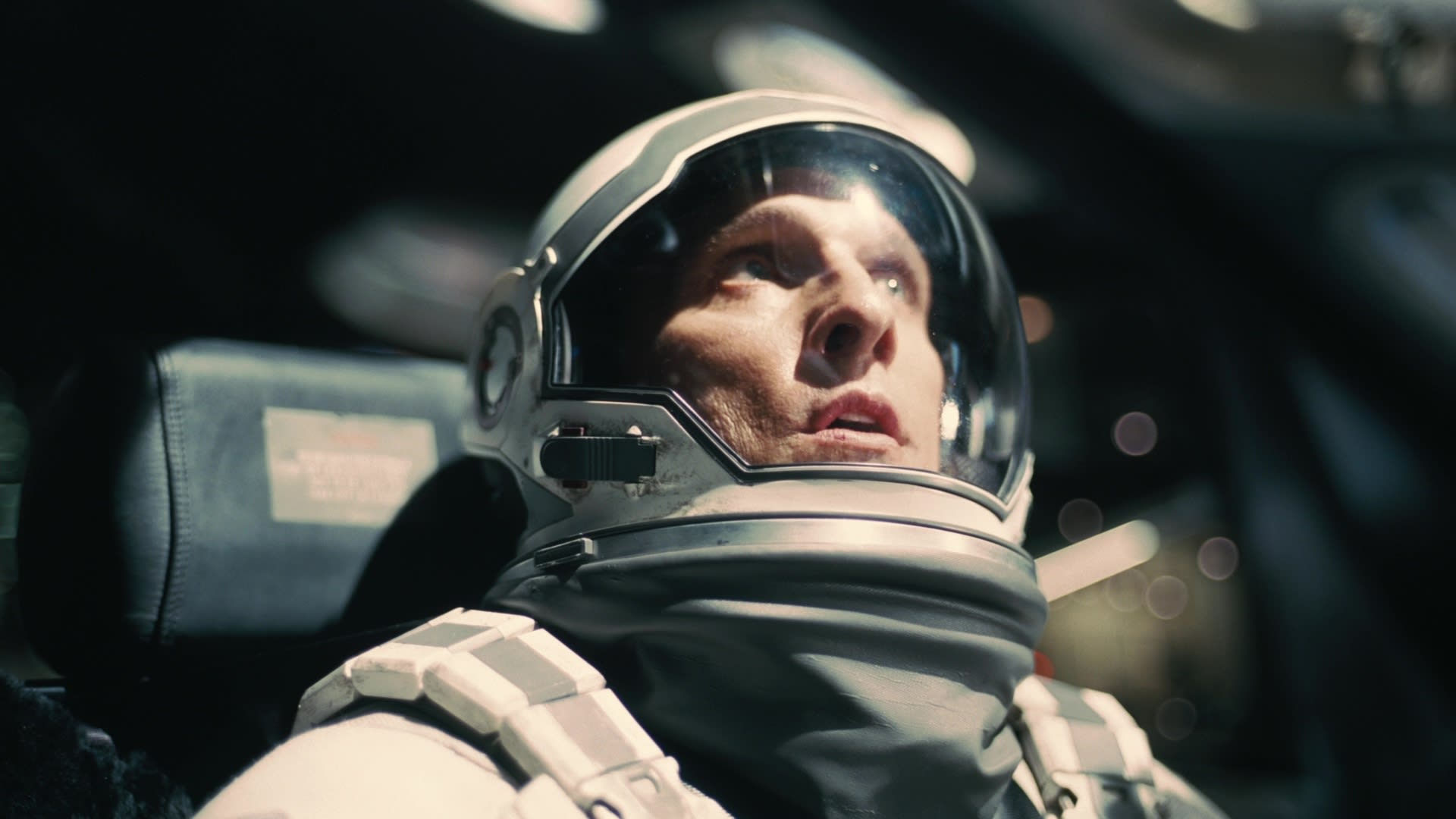
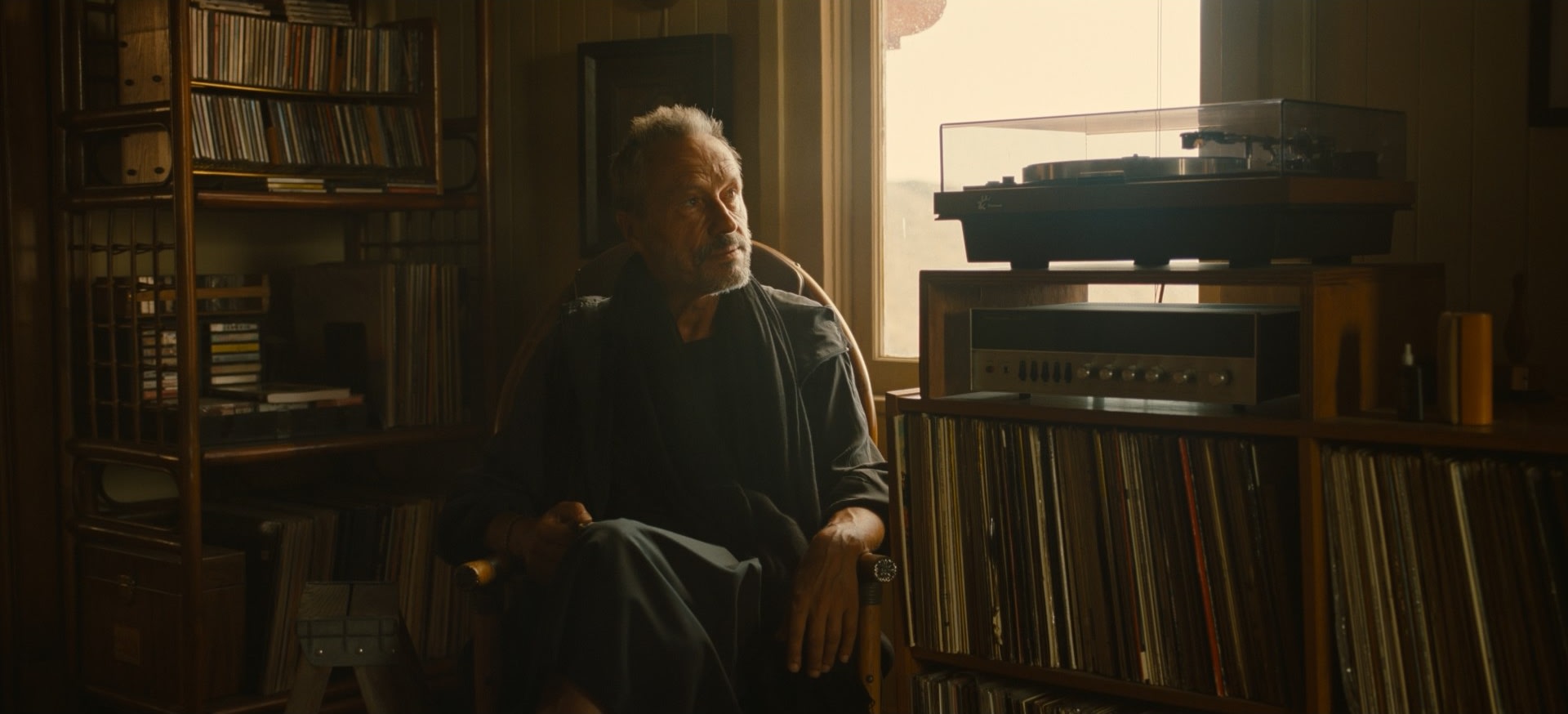
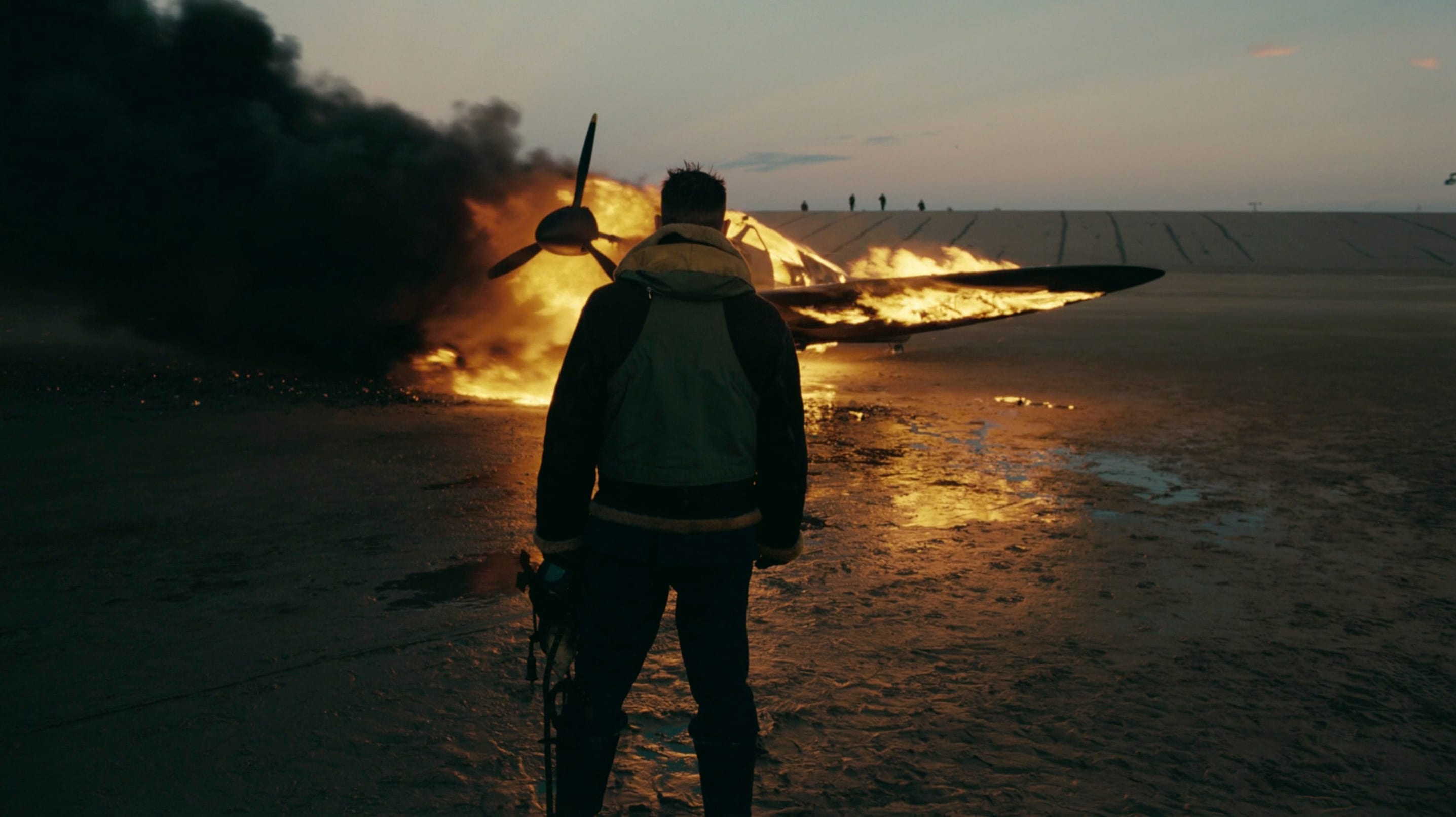
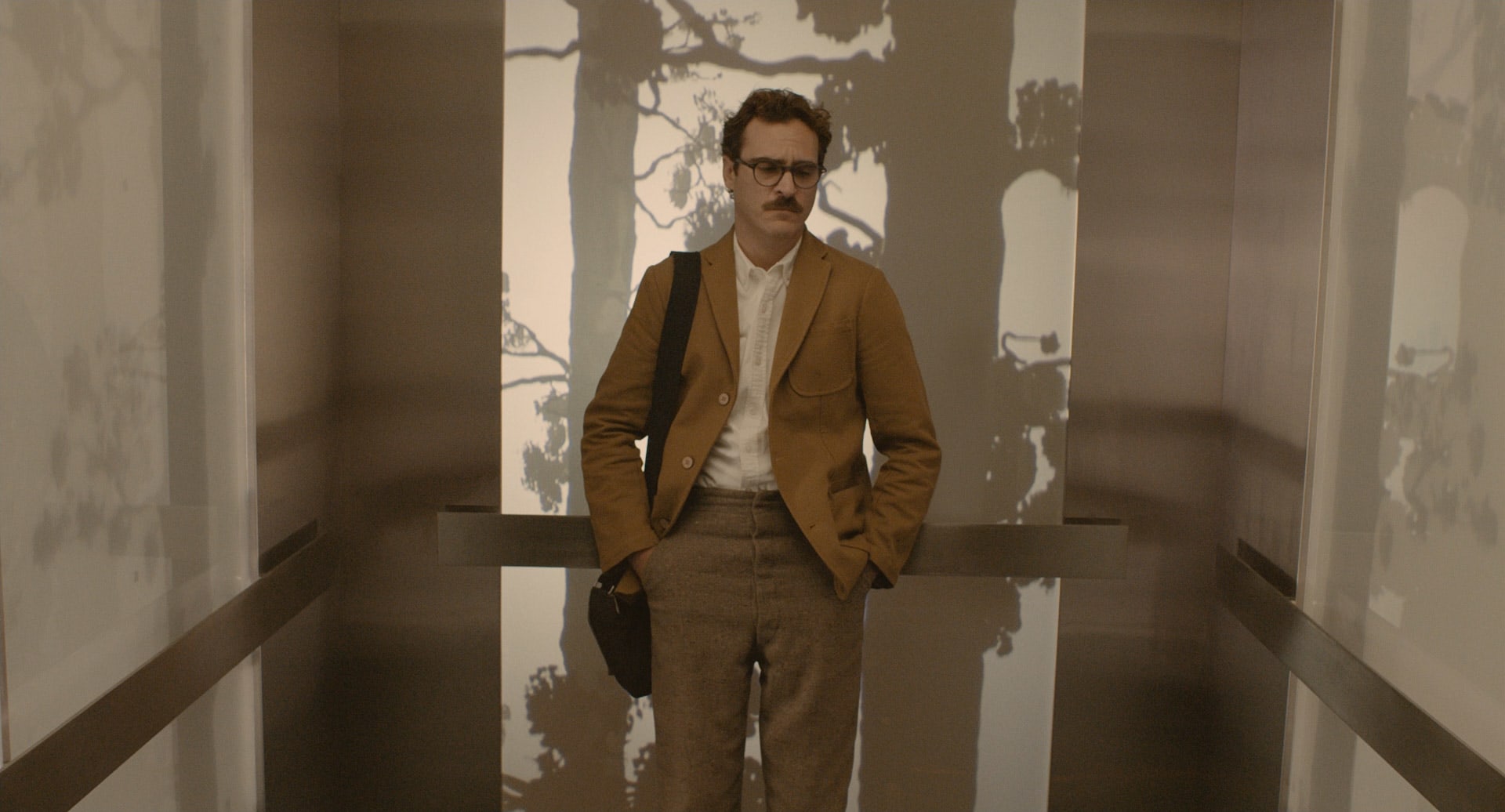
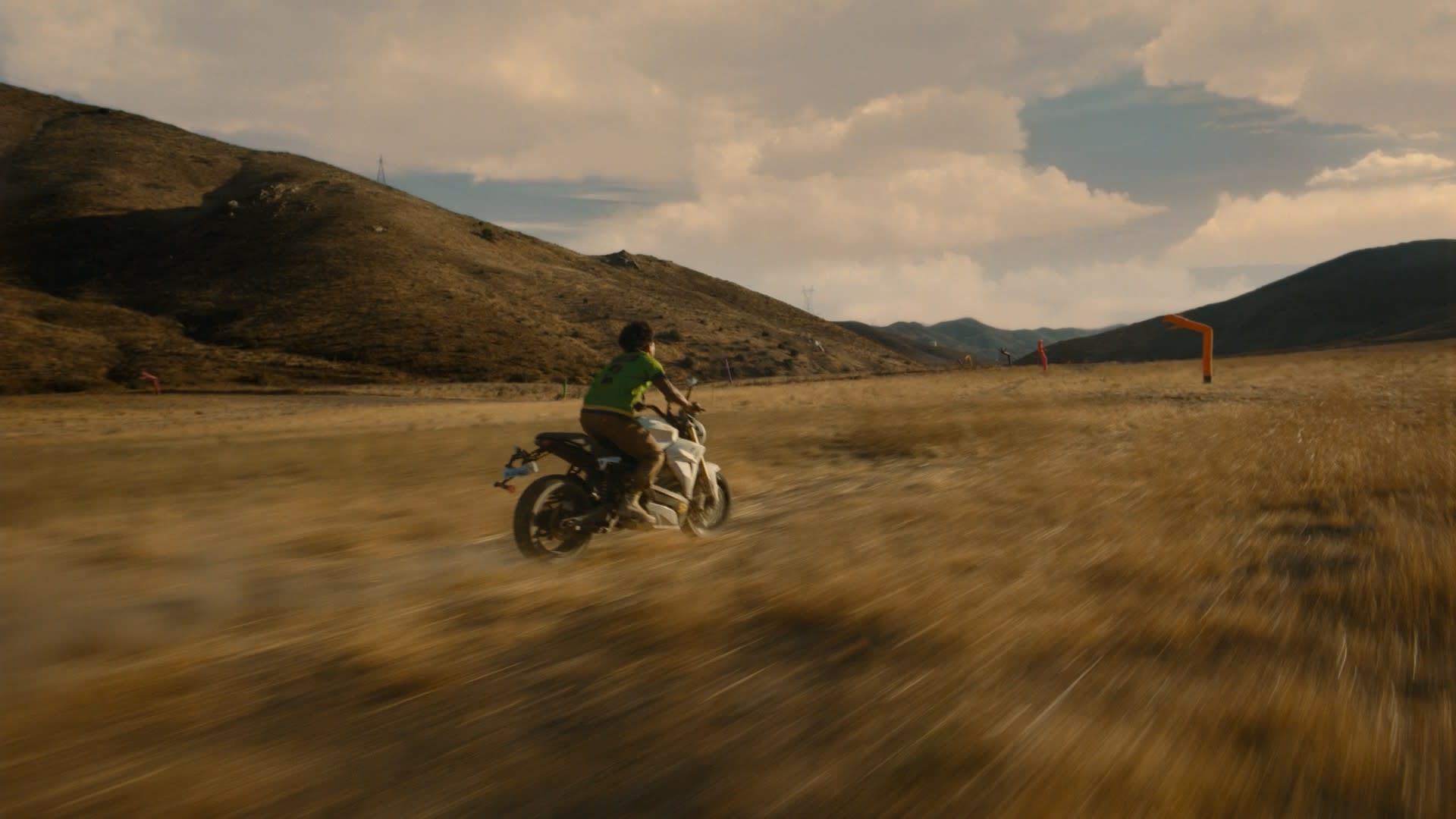
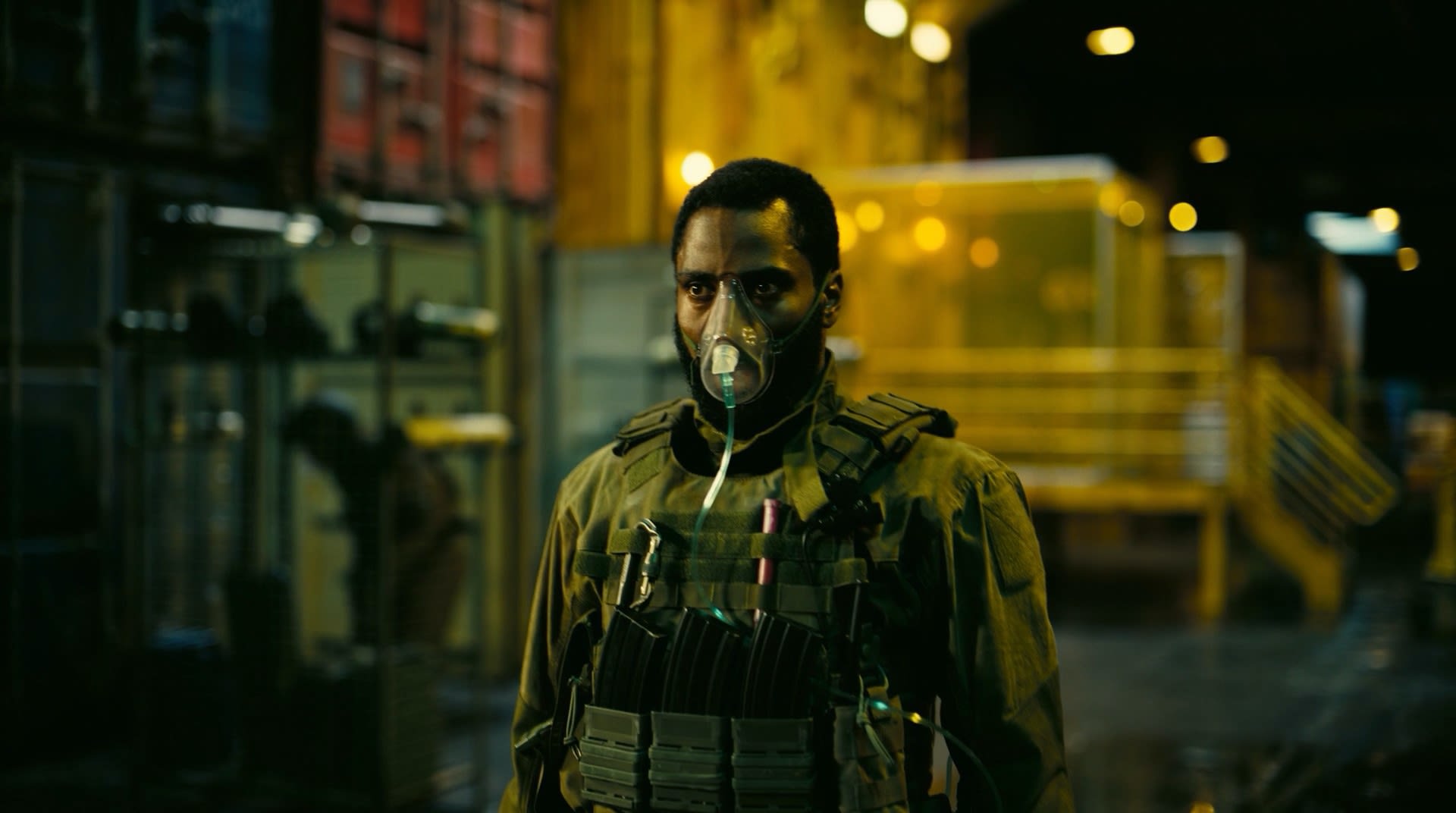
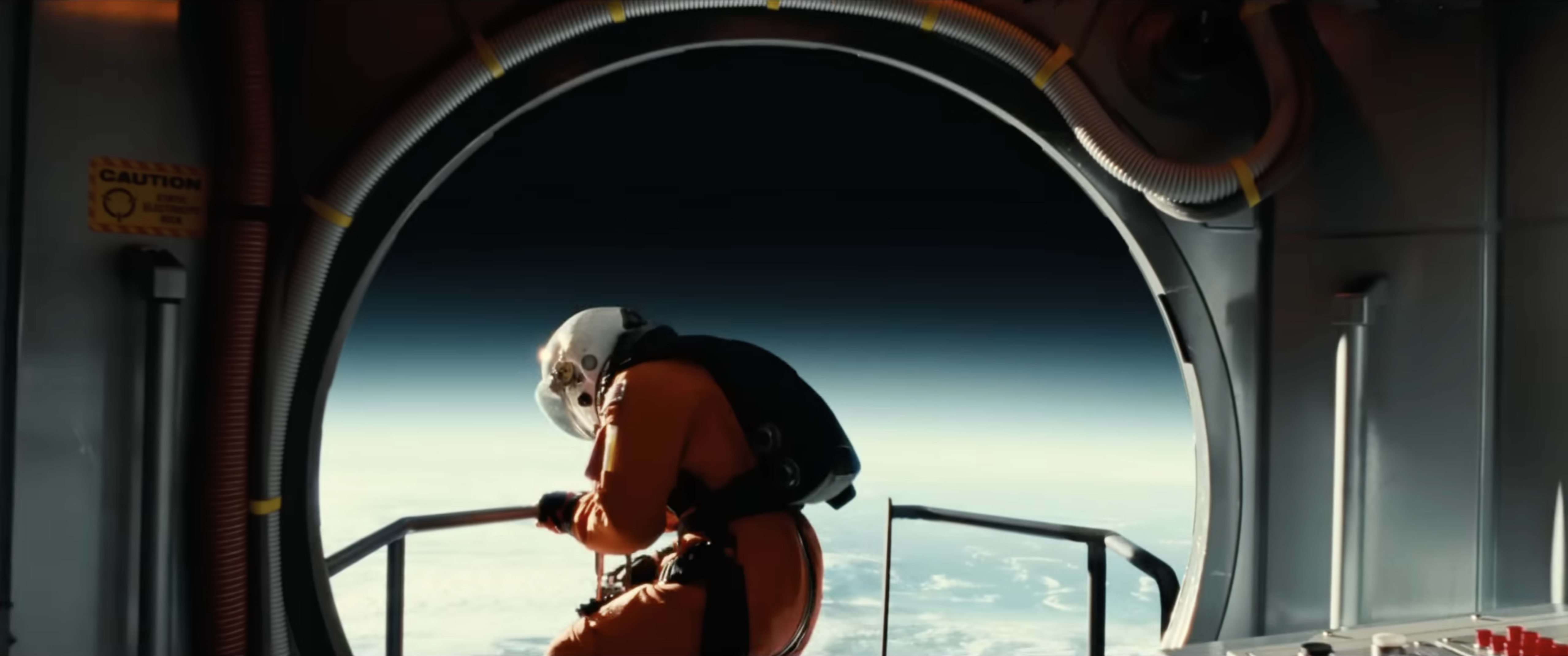
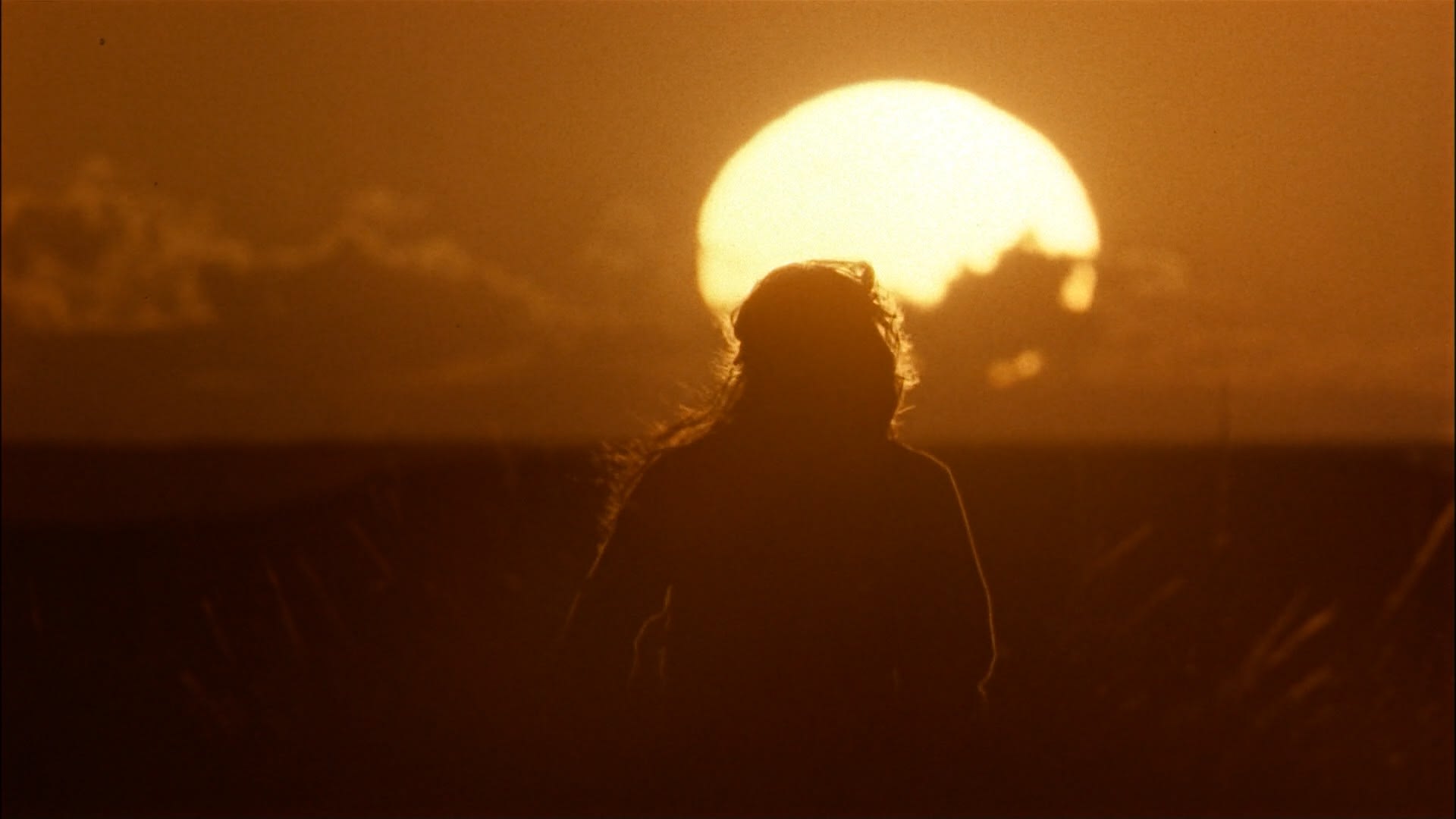
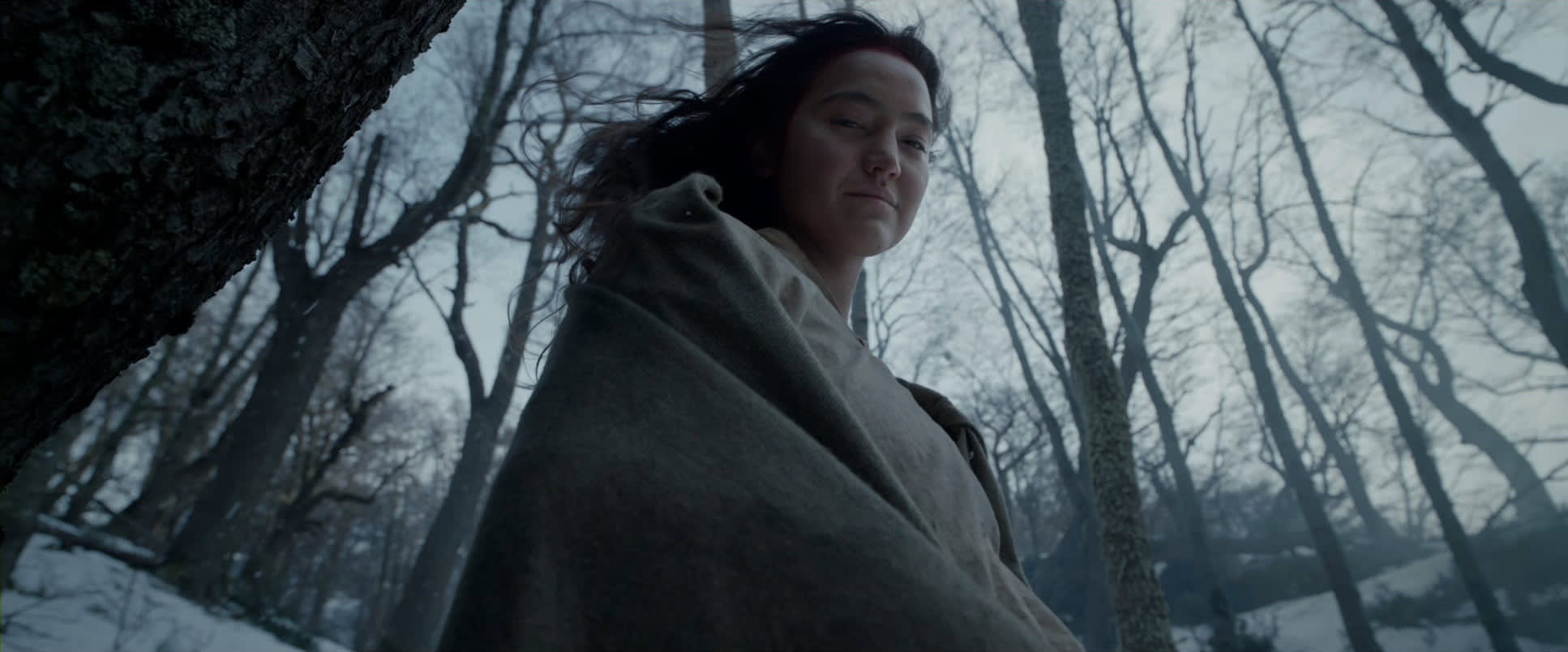
Hoyte van Hoytema treats scale as an emotional argument, not a technical flex. Trained at the Polish National Film School in Lodz, he built his early reputation on intimate, textural work like Let the Right One In and Tinker Tailor Soldier Spy before Christopher Nolan handed him Interstellar and never really let him go. Since then he has shot every Nolan film through Oppenheimer, pushing IMAX and 65mm film into places the format was never designed for, strapped to spacecraft interiors, Dunkirk beaches, and the edge of a bomb test. He also gave Jordan Peele's Nope its distinct blend of Americana dread and open sky wonder, proof his eye for scale travels well outside Nolan's orbit. Few working cinematographers make the enormous feel this personal.
Learn More →Signature Traits
Major Works
Interstellar (2014)
Cornfields and space stations shot with the same tactile, grounded honesty. Dust Bowl dread makes the wormhole vault into deep space feel earned instead of arbitrary.
Nope (2022)
A UFO horror film that spends as much time staring at open California sky as it does at the thing hiding inside it. Dread built from stillness and scale, not jump scares.
Oppenheimer (2023)
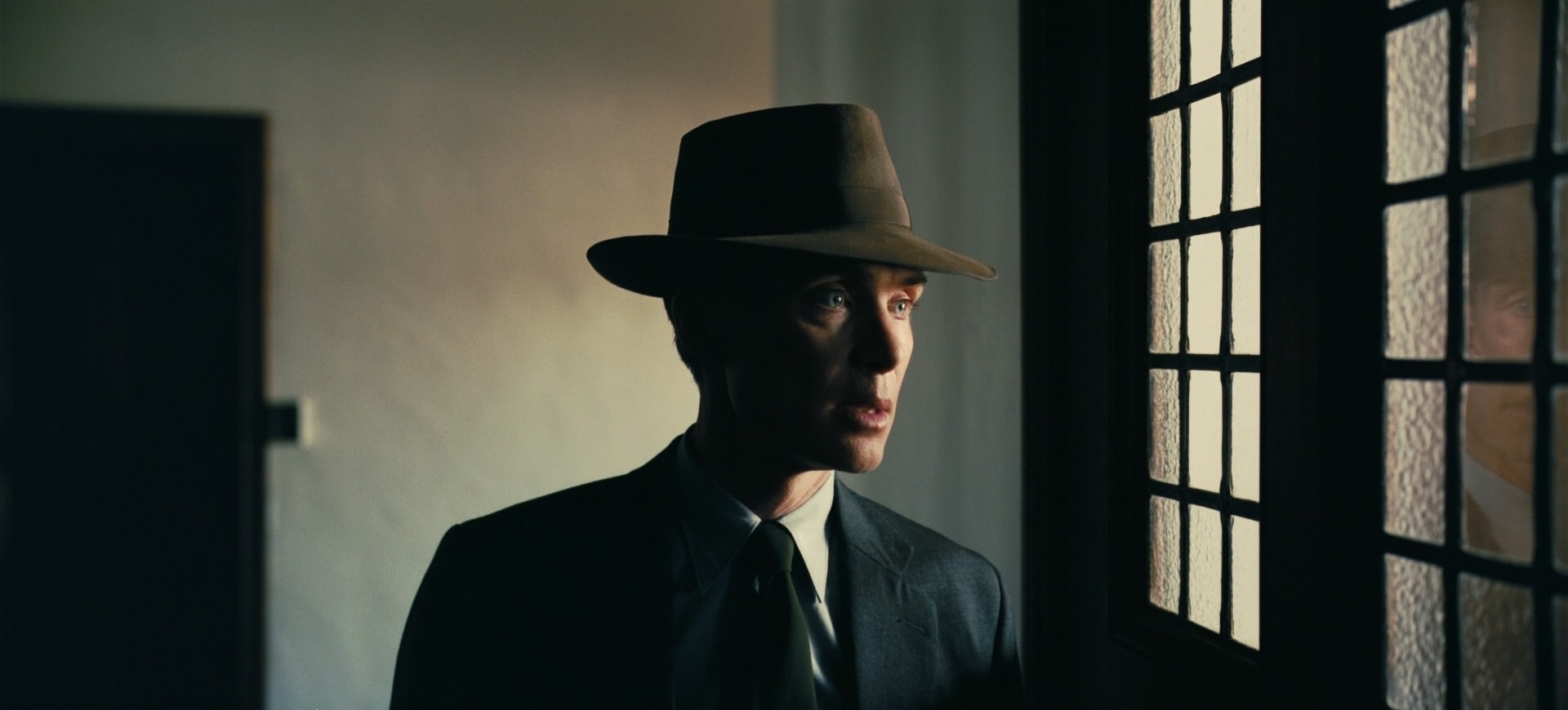
Black and white 65mm IMAX used to separate subjective experience from objective history. The Trinity test detonates in total silence before the sound ever catches up to the light.
The Odyssey (2026)
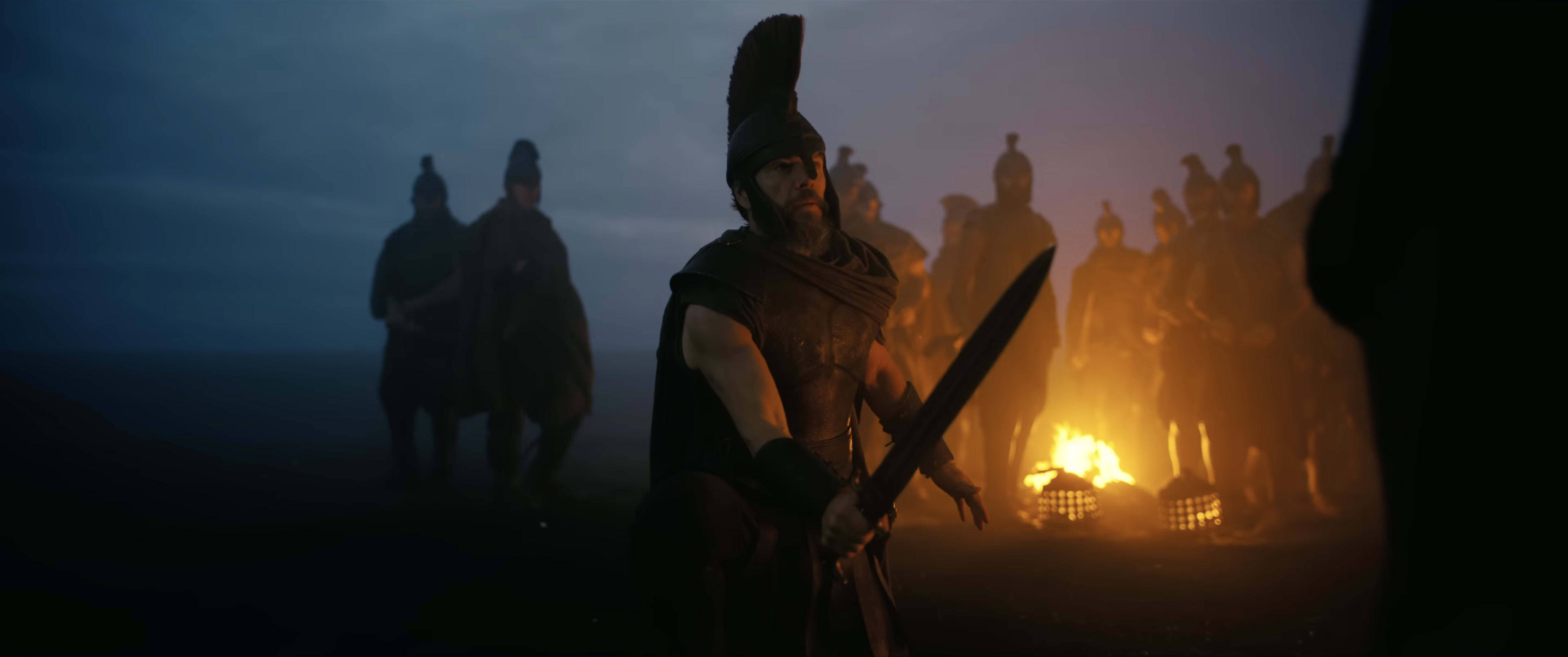
The first film ever shot entirely on IMAX 70mm, a format built for spectacle now stretched across every scene instead of just the big ones. Van Hoytema treats Homer's Mediterranean like he treated Nolan's cornfields and bomb tests, real light, real scale, nothing borrowed from a screen.