Photographer
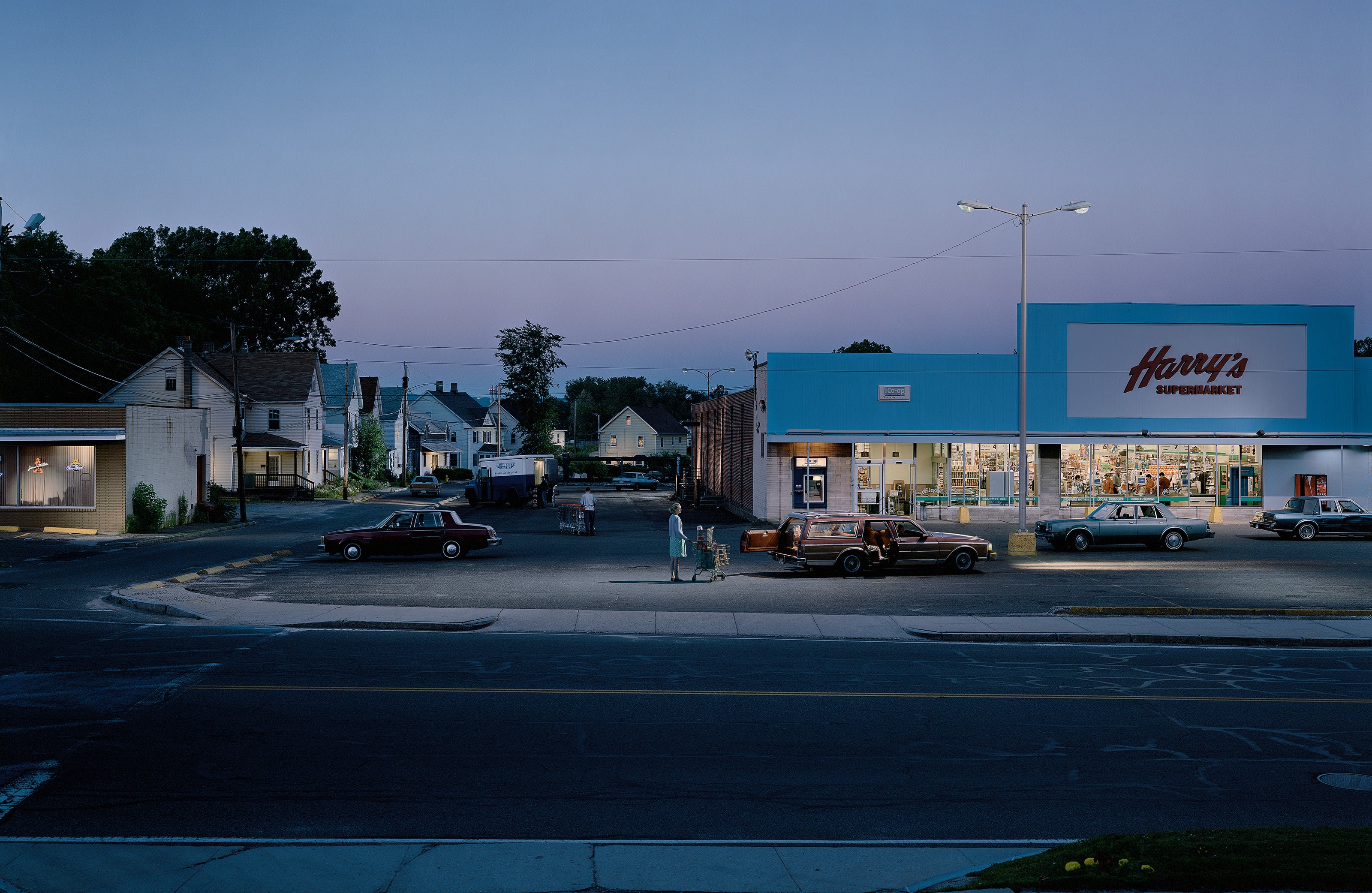
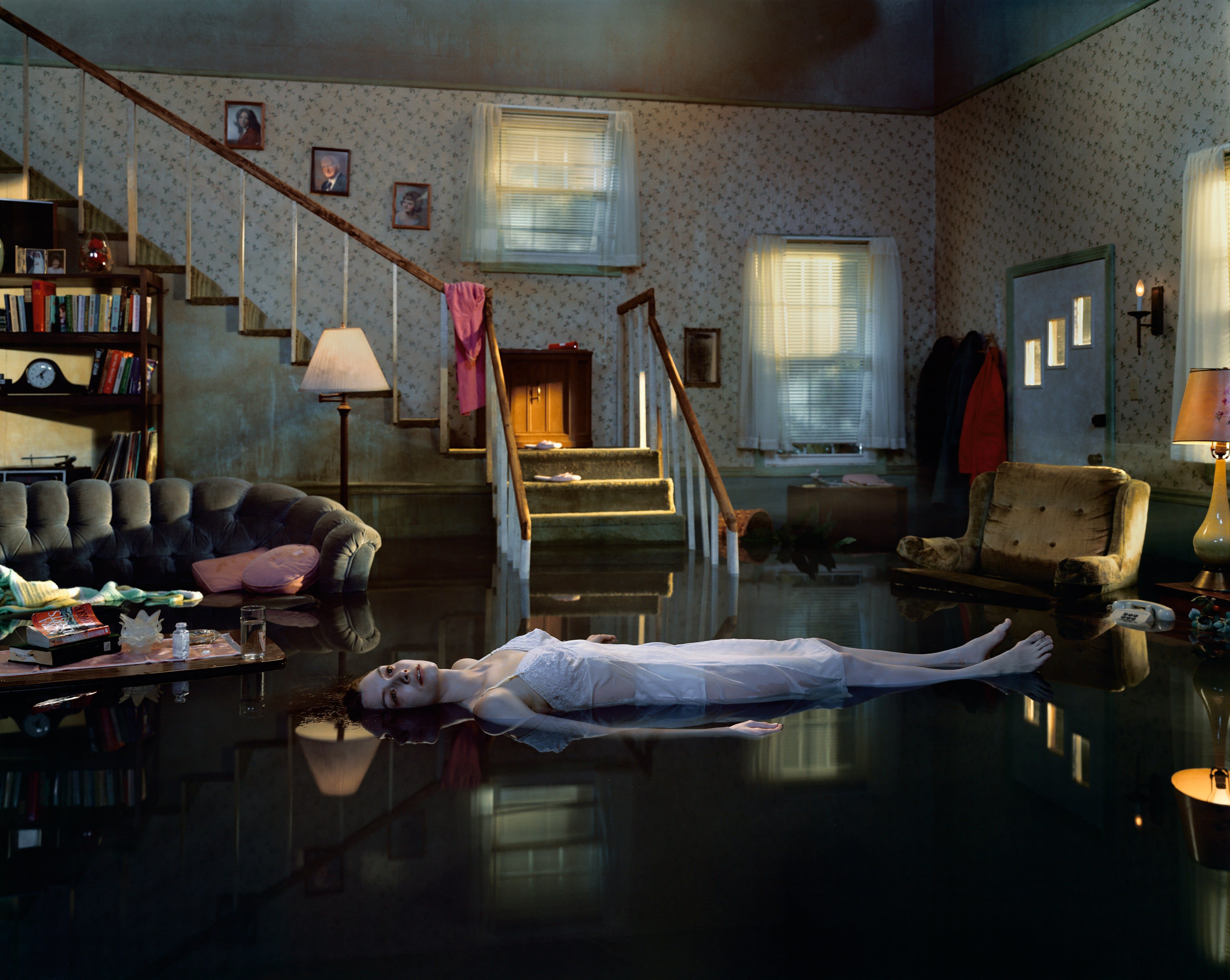
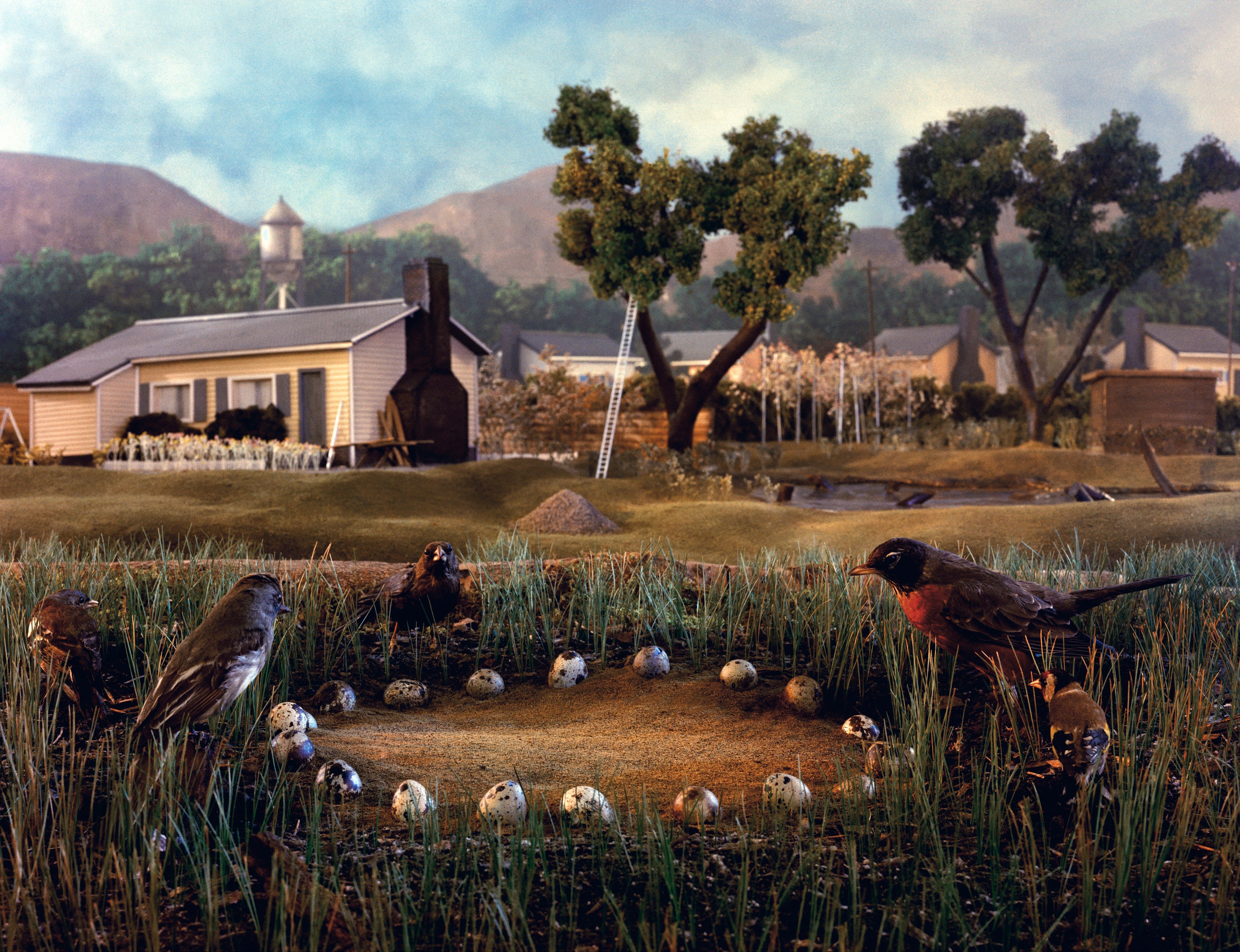
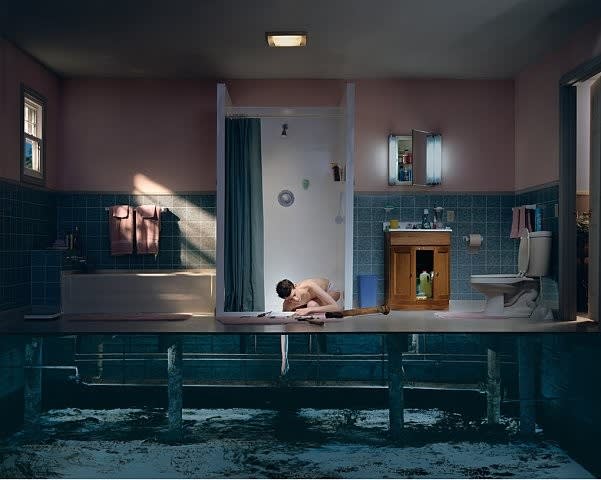
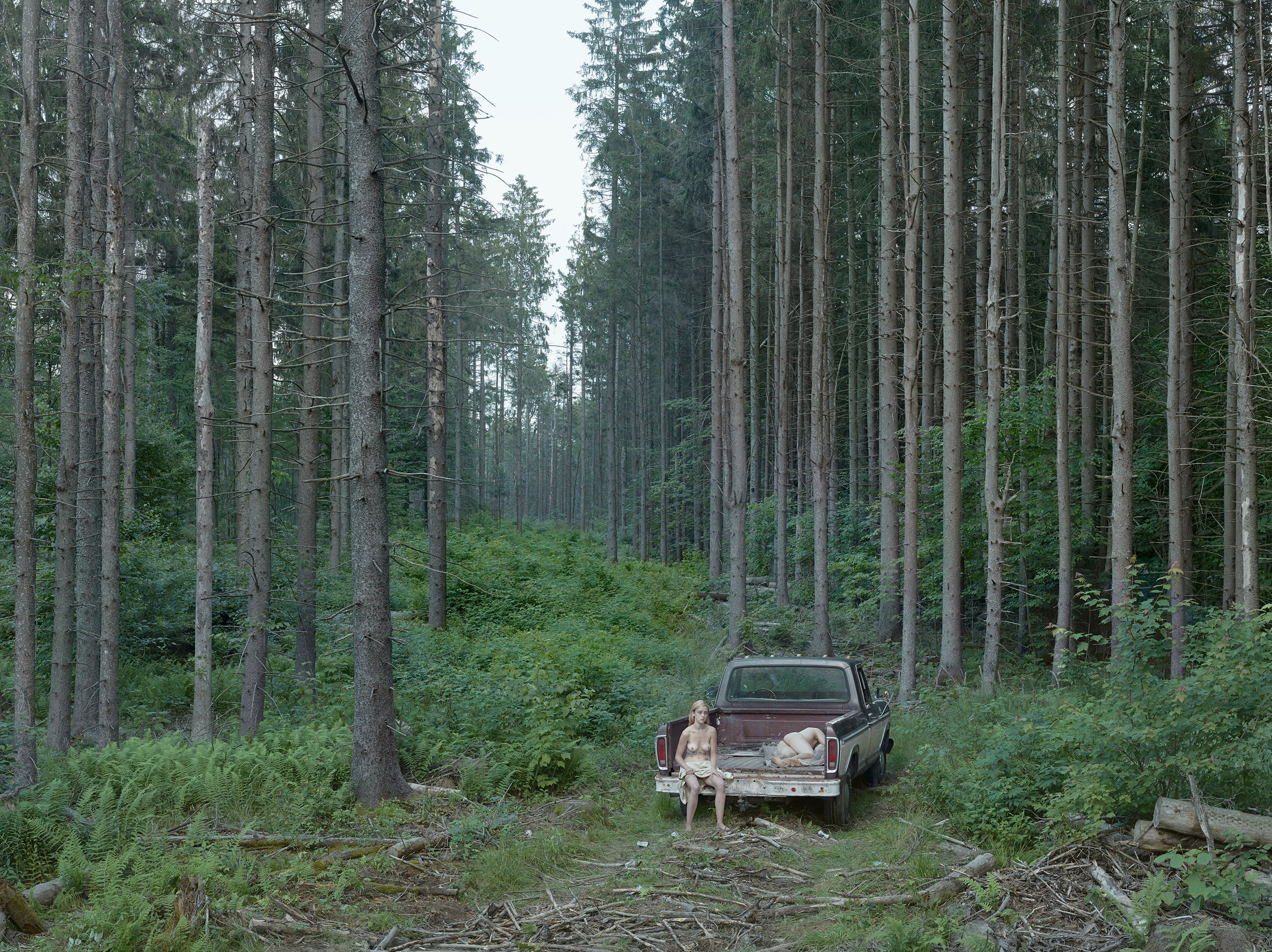
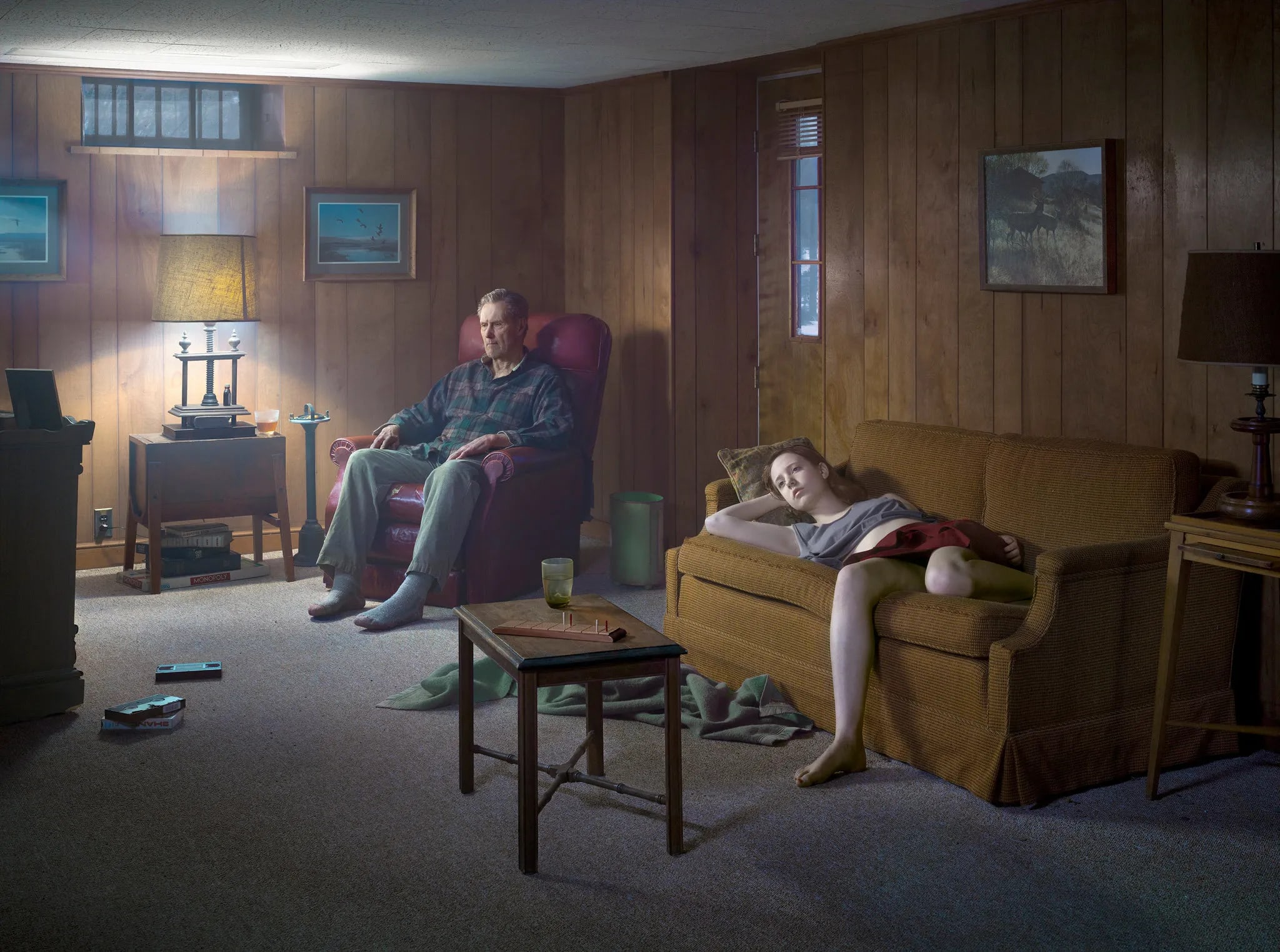
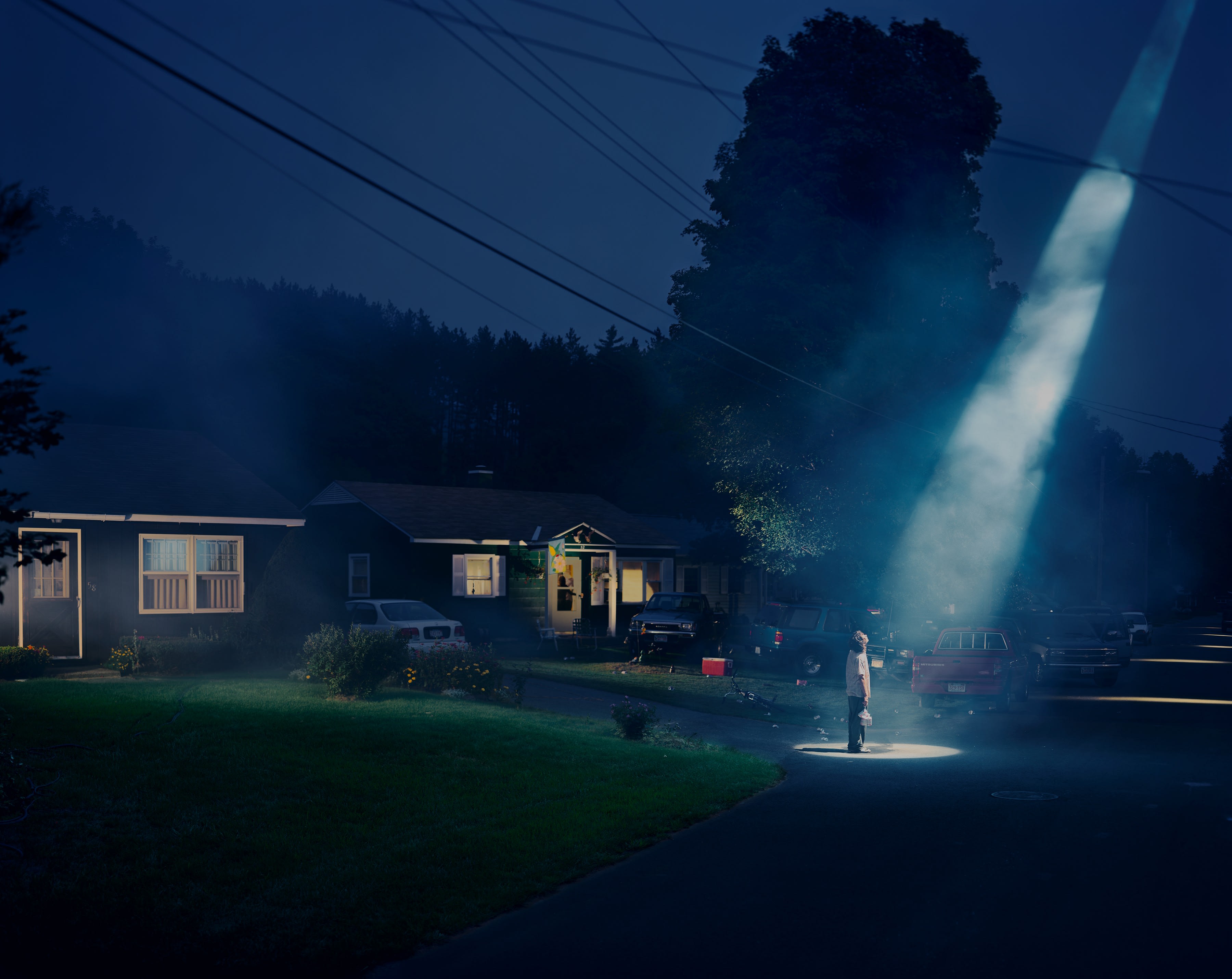
Gregory Crewdson doesn't take photographs, he directs them, with a crew the size of a film shoot and the meticulous pre-visualization of someone raised on Hitchcock and Hopper in equal measure. He constructs images of small-town America so precisely charged with psychological dread they feel like frames from a movie nobody ever made: streets slicked with rain, windows glowing with light that has no clear source, figures standing in doorways while dresses pool on lawns and cars idle at intersections at 2am for reasons the image refuses to explain. His subject is always the same, the interior life leaking through the surface of the ordinary. He has shot in western Massachusetts so many times the region has become its own mythology. The suburbs aren't a backdrop in his work, they are the wound.
Learn More →Signature Traits
Major Works
Twilight (1998-2002)
The series that announced a wholly original vision. Suburban exteriors staging scenes of quiet supernatural rupture. The lawn, the minivan, the open garage door, and something deeply wrong underneath all of it.
Beneath the Roses (2003-2008)
His most operatic work. Cinematic scale pushed to its limit. Motel rooms, diners, and empty streets rendered with a grandeur that makes mundane America feel like the site of an ongoing catastrophe nobody has named yet.
Cathedral of the Pines (2013-2014)
A turn inward. The forests of Becket, Massachusetts. Figures in clearing light. Quieter than anything before it and somehow more unsettling for that quiet.
Twilight (Monograph)
The series that announced him. Suburban America as a site of quiet psychological rupture. Every image a frame from a film nobody made.