Designer
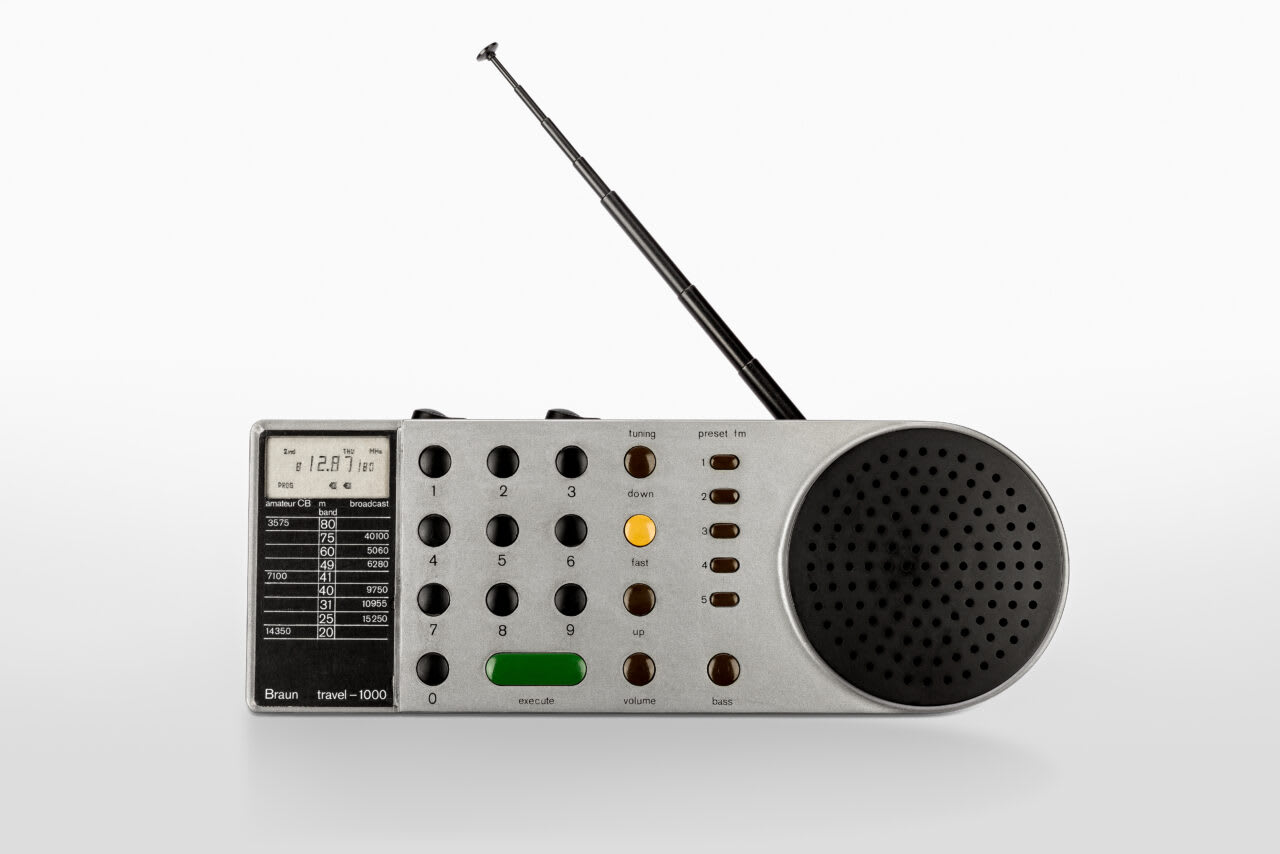
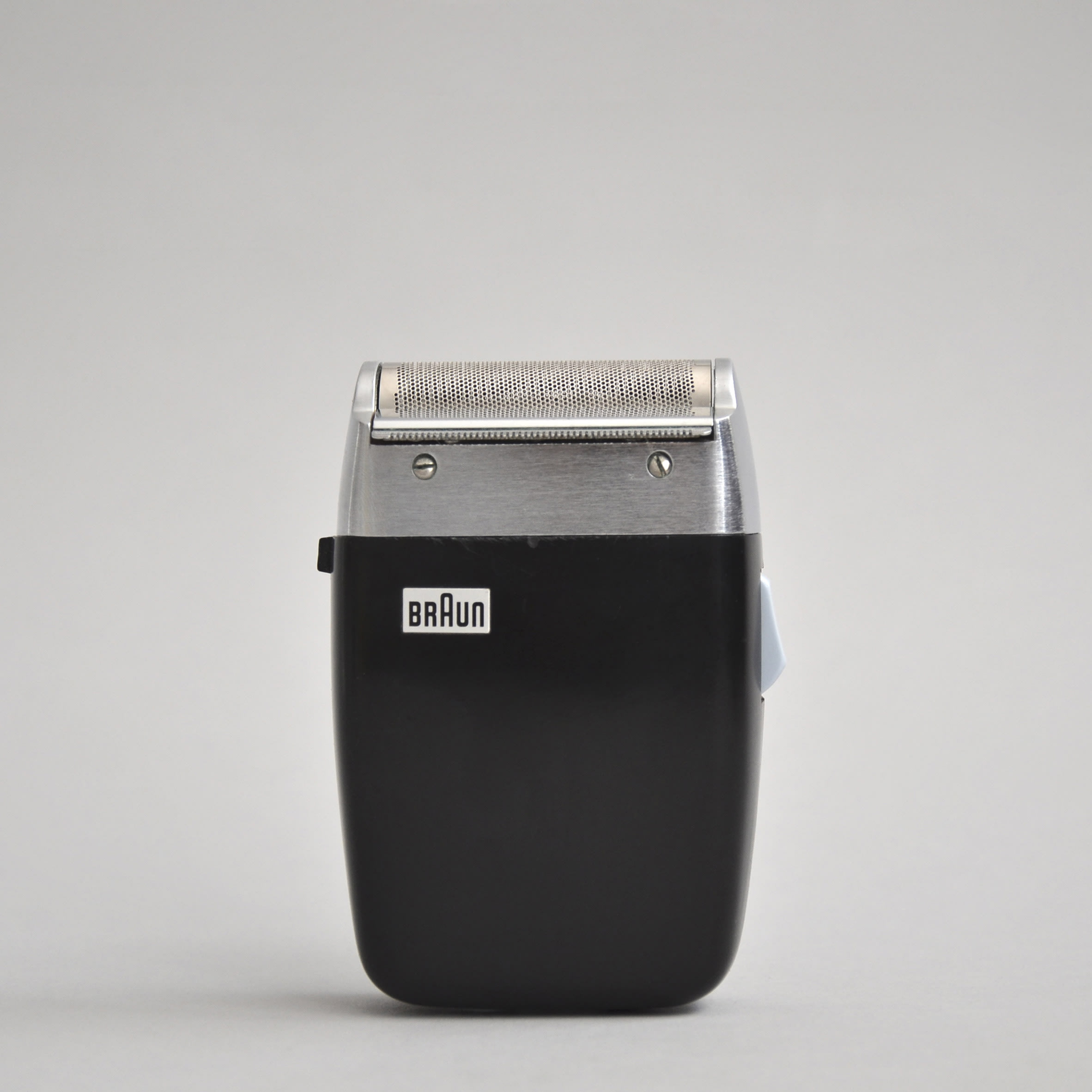
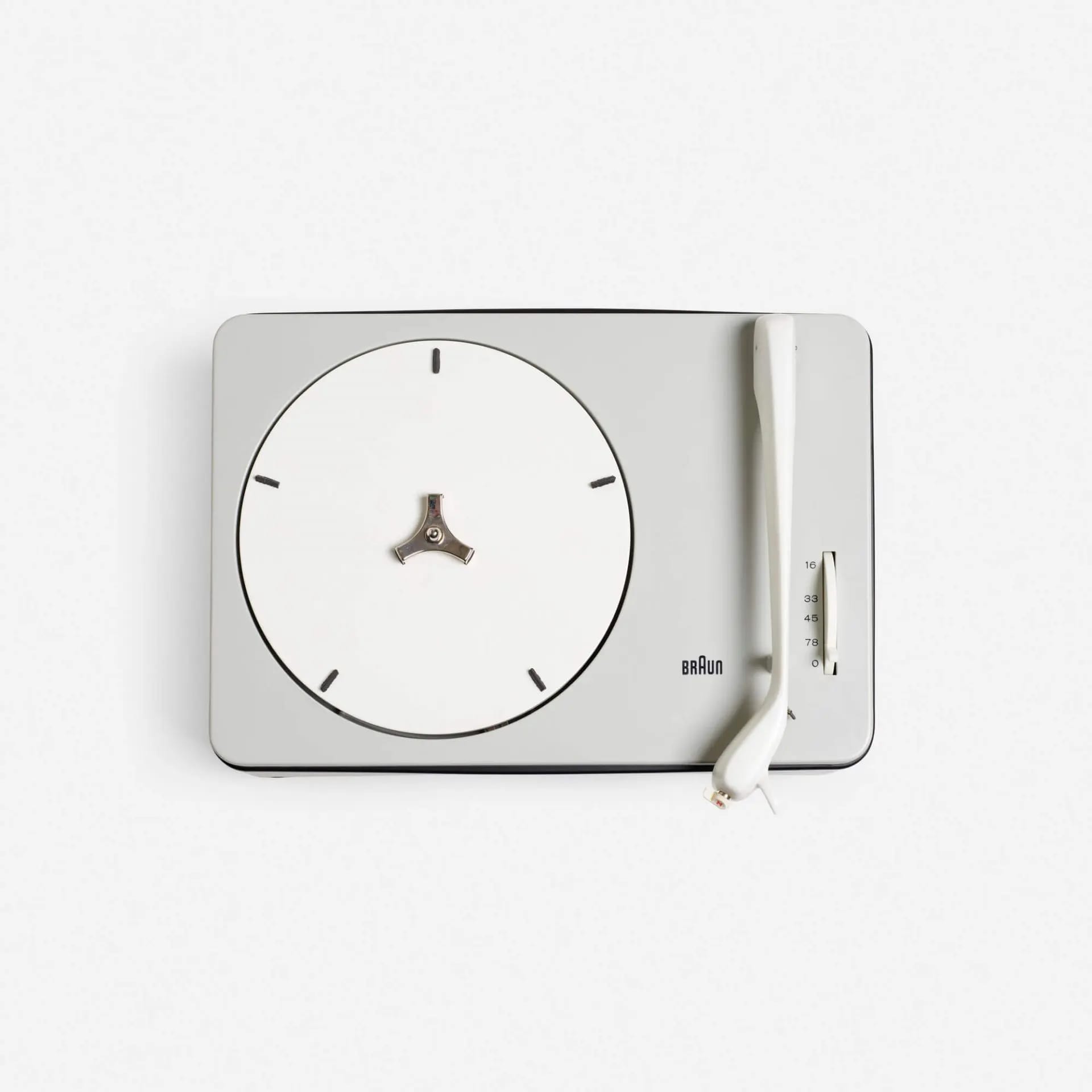
Dieter Rams asked a question that has been answered a thousand times since but was genuinely radical when he posed it in 1976: is my design good design? His response was the Ten Principles, a manifesto for functional beauty that influenced every serious product designer who followed and most who never heard of him. As head of design at Braun for three decades, he made radios, razors, calculators, and speakers that looked like they had been discovered rather than designed. Jony Ive acknowledged him directly. Apple's hardware is an extended conversation with his work.
Learn More →Signature Traits
Major Works
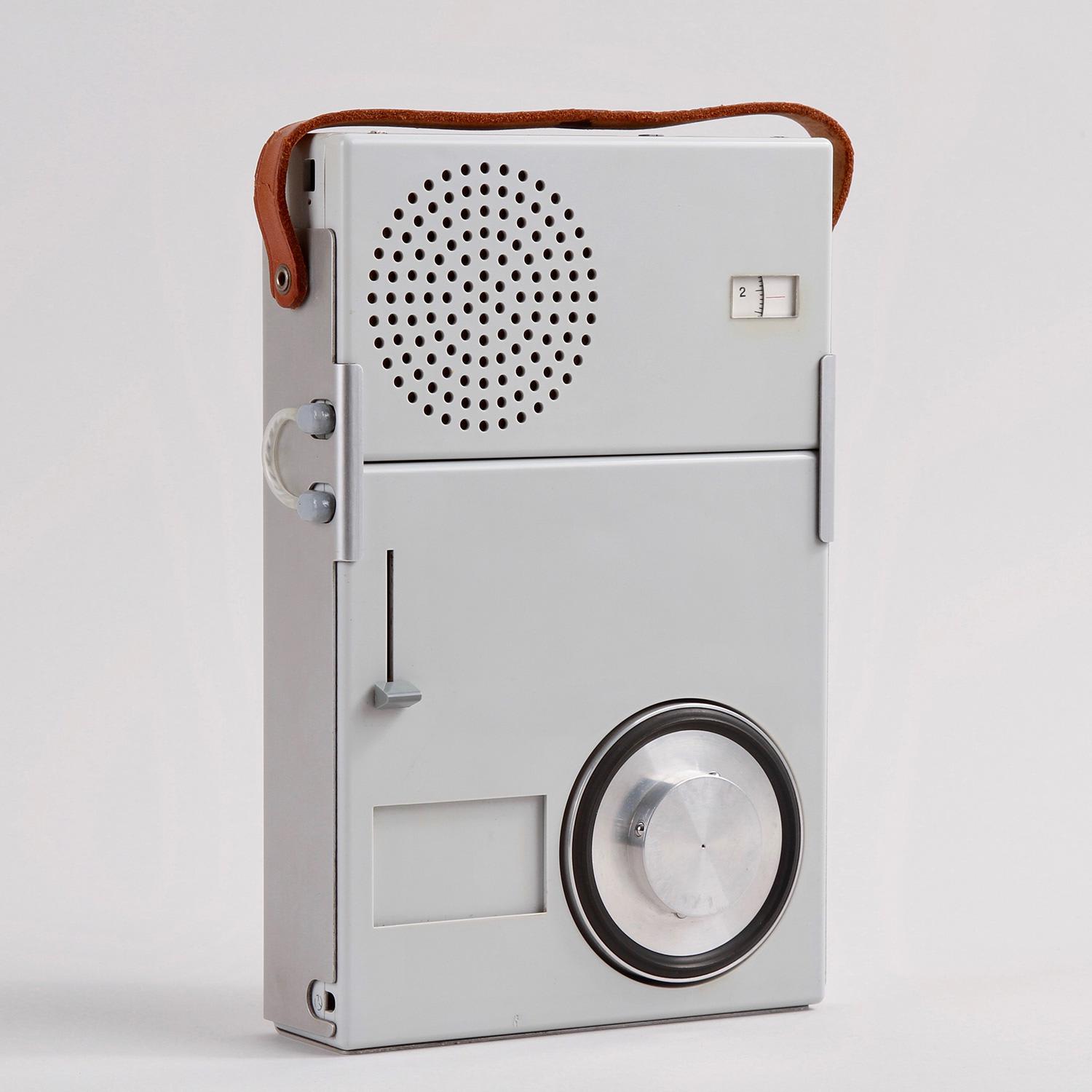
Braun T3 transistor radio (1958)
The direct visual ancestor of the iPod. Geometry, function, and material honesty in one object.
606 Universal Shelving System (1960)
Still in production. Still correct. The shelving system as a statement about permanence in design.
Ten Principles of Good Design (1976)
The manifesto. Required reading for anyone who makes or uses objects, which is everyone.
Dieter Rams: The Complete Works (Monograph)
Klaus Klemp's exhaustive catalogue of six decades at Braun and Vitsœ. Every product, every principle, laid out as proof that less but better was never a slogan, it was a method.