Dream Maker
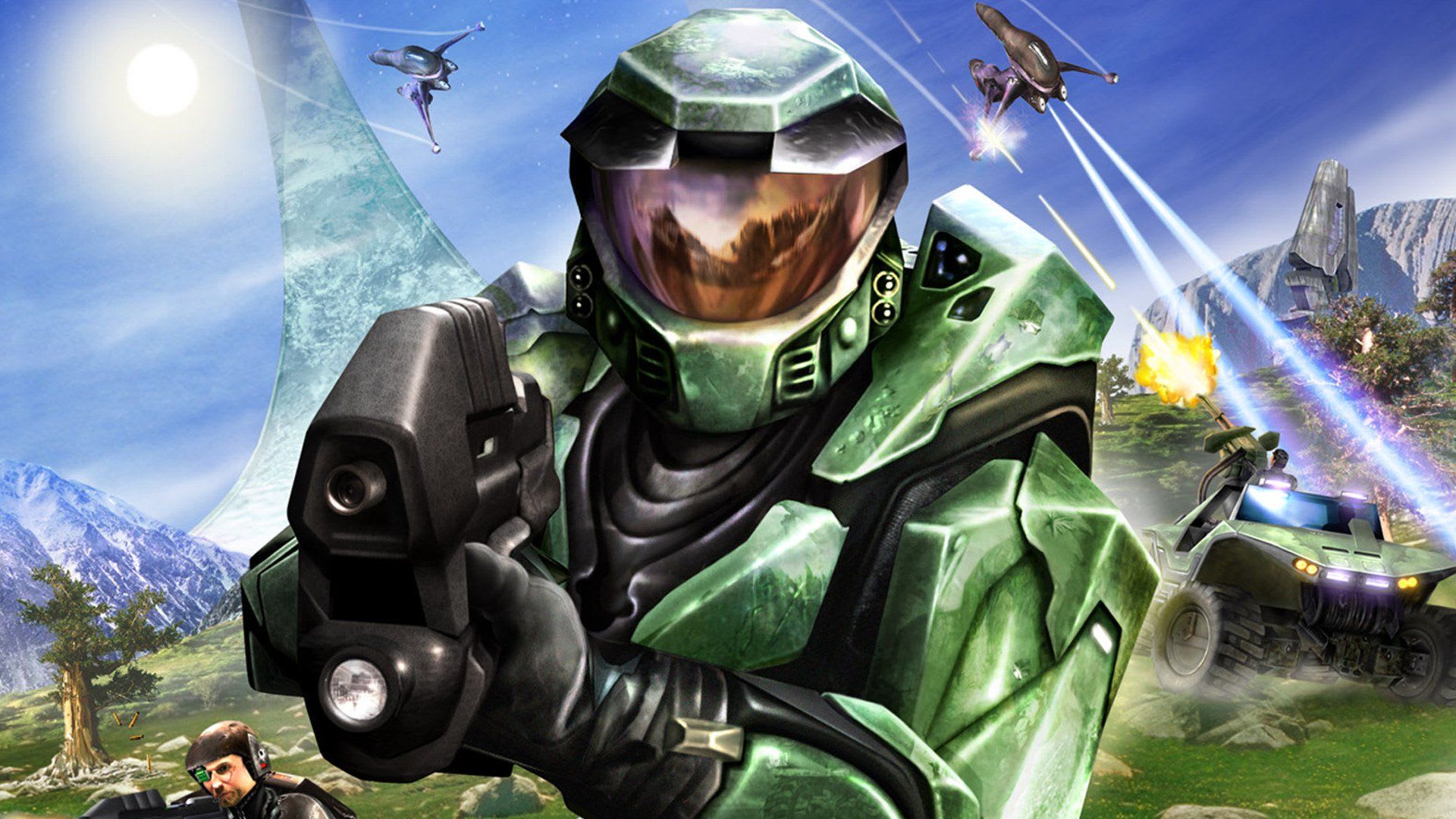
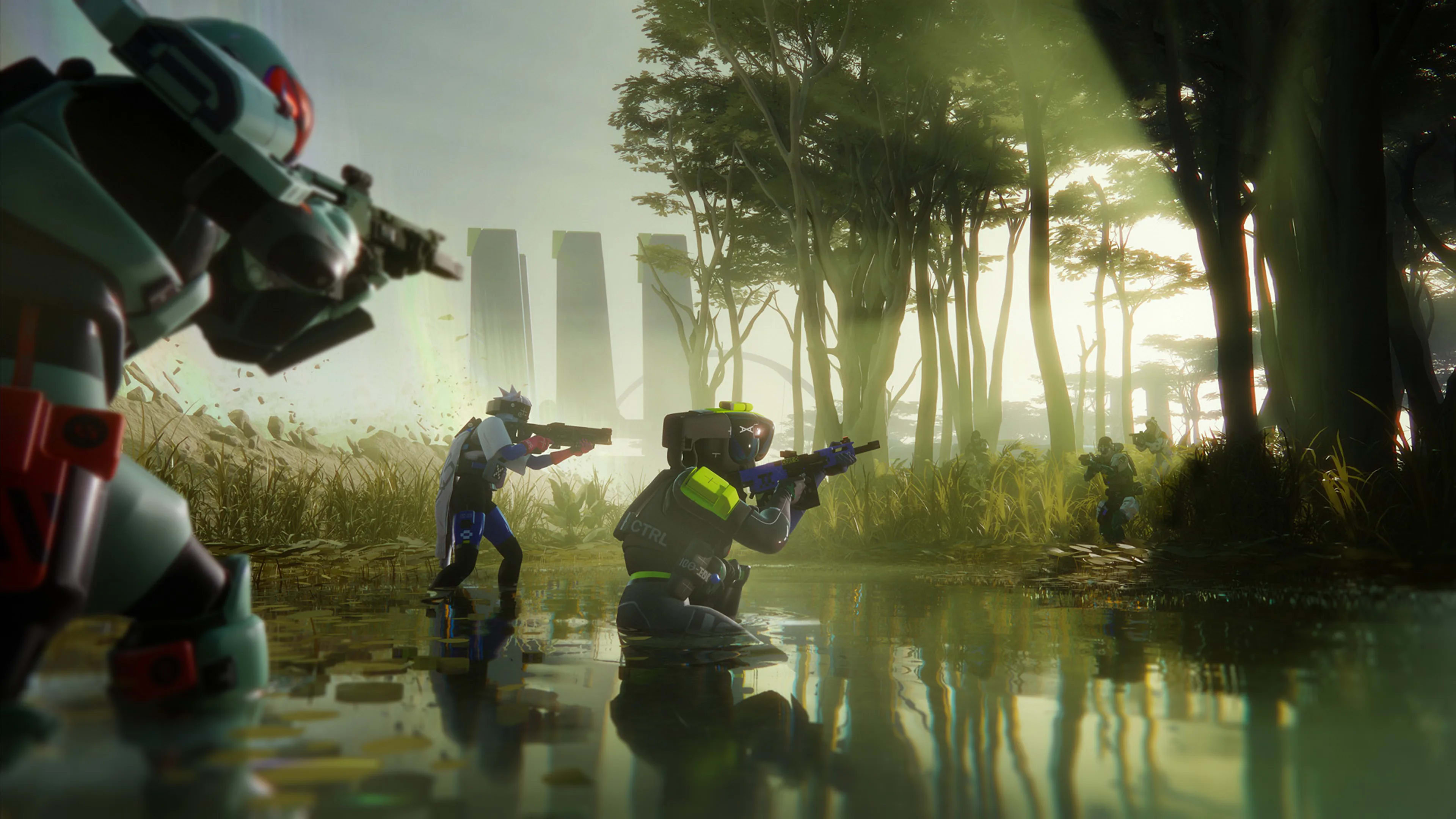
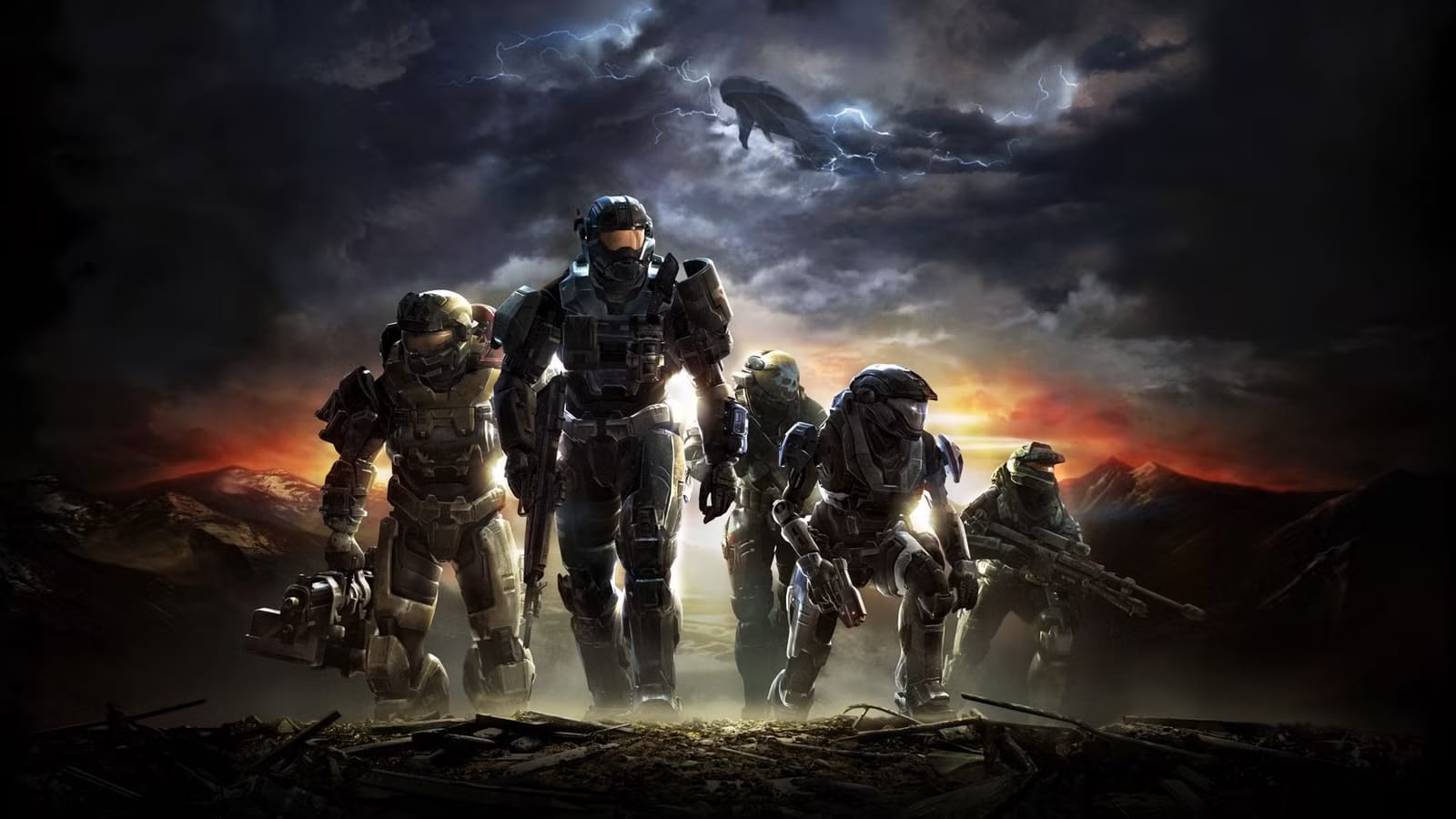
Before Bungie, there was no blueprint for what a first-person shooter could feel like on a console. Before Halo, Xbox was a box on a shelf. Those two facts are inseparable, and they both trace back to a Chicago studio founded in 1991 by two college students with a Macintosh and unreasonable ambitions. Jason Jones and Alex Seropian built their early reputation on Marathon, a Mac FPS so narratively ambitious it practically invented the lore-buried-in-terminals genre, and Myth, a real-time tactics game whose cult reverence still echoes. When Microsoft acquired Bungie in 2000 and repurposed their space opera as an Xbox launch title, nobody was ready for what happened next. Halo: Combat Evolved didn't just sell consoles. It engineered a template, the 30-second loop of combat that Bungie's own design documents codified, that every shooter since has tried to replicate. The Forerunner architecture, ancient and austere against alien skies. The Covenant's neon menace. A ringworld suspended above a jungle, asking questions the game wouldn't finish answering for years. It was mythology built from polygons, and it landed like a religion. Three games. A universe. Then Bungie walked away from all of it. In 2007 they split from Microsoft, surrendering the Halo name and keeping only their instincts. Seven years later, Destiny arrived: a shared-world shooter with MMO bones and a campfire soul. The launch was ragged. The lore was buried so deep only the devoted found it. But Destiny held its audience across a decade, and Destiny 2 extended that devotion through June 9, 2026, when the final update shipped. The servers didn't go dark. Players came flooding back, one last time, to see it through together. The world is still live. What comes next is anybody's guess. The Sony acquisition in 2022 for $3.6 billion should have been a coronation. Instead it became a slow reckoning. Marathon, their next wager, arrived to a market that had moved on. On June 25, 2026, two weeks after that final Destiny update, Sony cut roughly 400 Bungie employees. Half the studio. Gone. What remains is a catalog that reshaped two decades of games and a question mark where the next chapter should be. The 30-second loop is still the standard. The mythology is still alive in millions of people who made it home. That's enough to earn a place here.
Learn More →Signature Traits
Major Works
Halo: Combat Evolved (2001)
The one that changed the medium. An Xbox launch title that single-handedly validated a console, defined the console FPS, and planted the seed of a mythology that would outlast Bungie's ownership of it. The Forerunner ringworld. The Flood. Guilty Spark. It was never just a game.
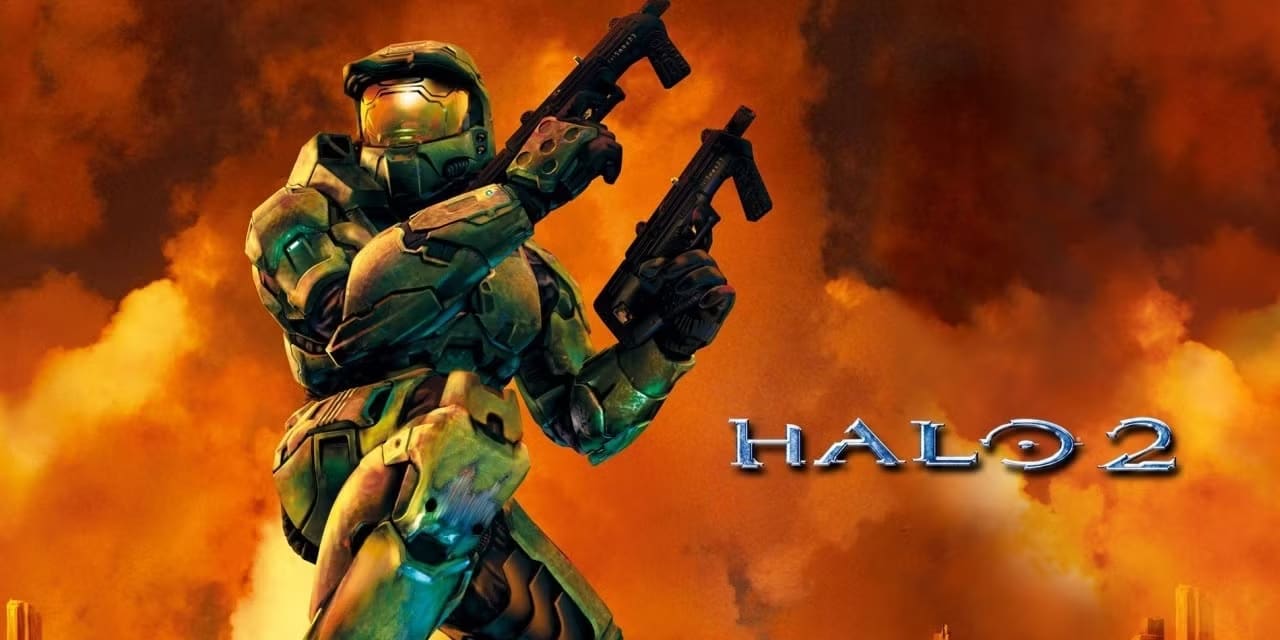
Halo 2 (2004)
They invented online console multiplayer and somehow also delivered the most ambitious narrative expansion in sequel history, shifting perspective to the Arbiter, fracturing the Covenant, and making the enemy the protagonist. Xbox Live was never the same. Neither was storytelling in games.
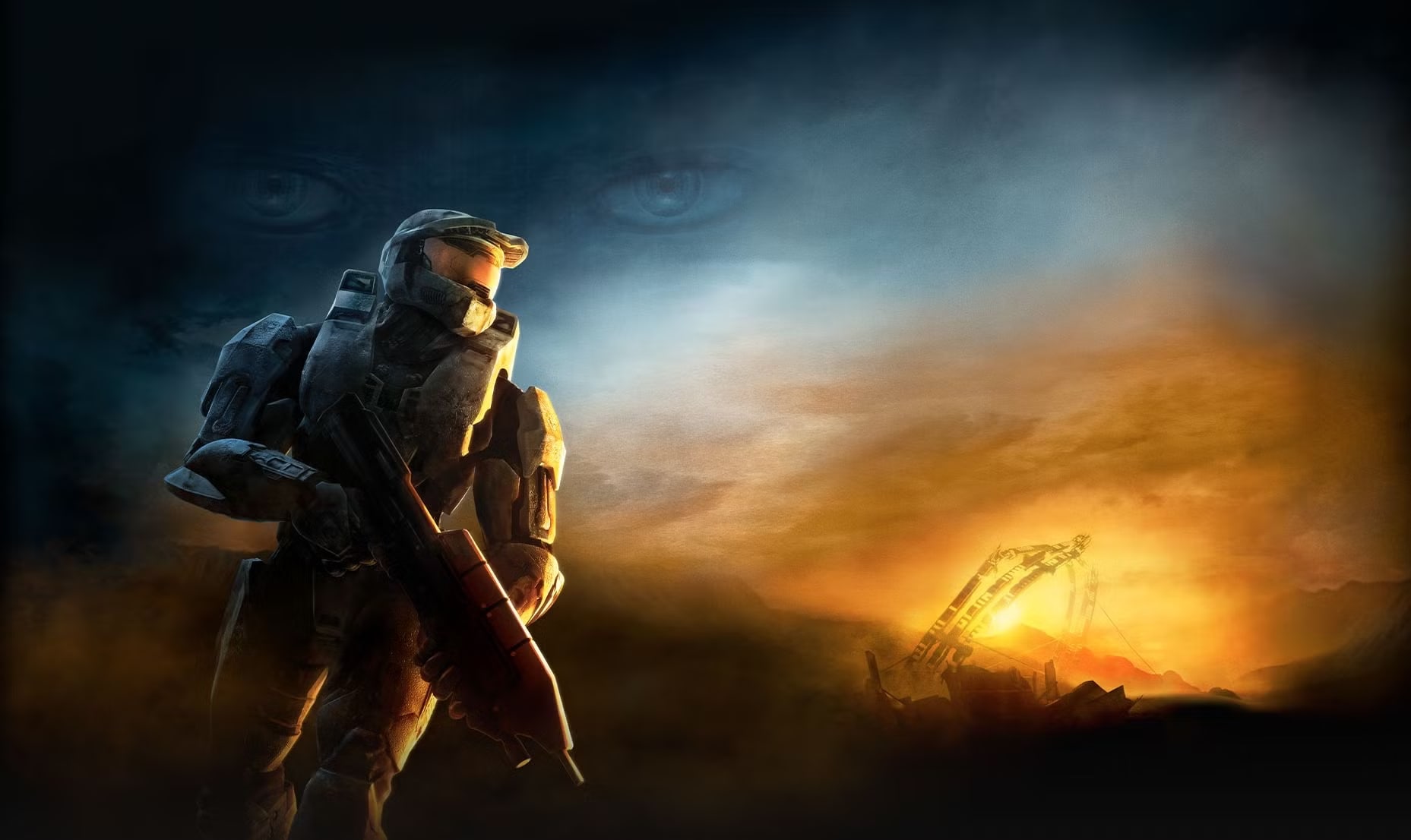
Halo 3 (2007)
Finish the Fight. The cultural apex, the last time a Bungie Halo landed with the full weight of the franchise behind it. The Forge mode alone changed what players expected from tools. The campaign delivered. And then Bungie, quietly and deliberately, walked away.
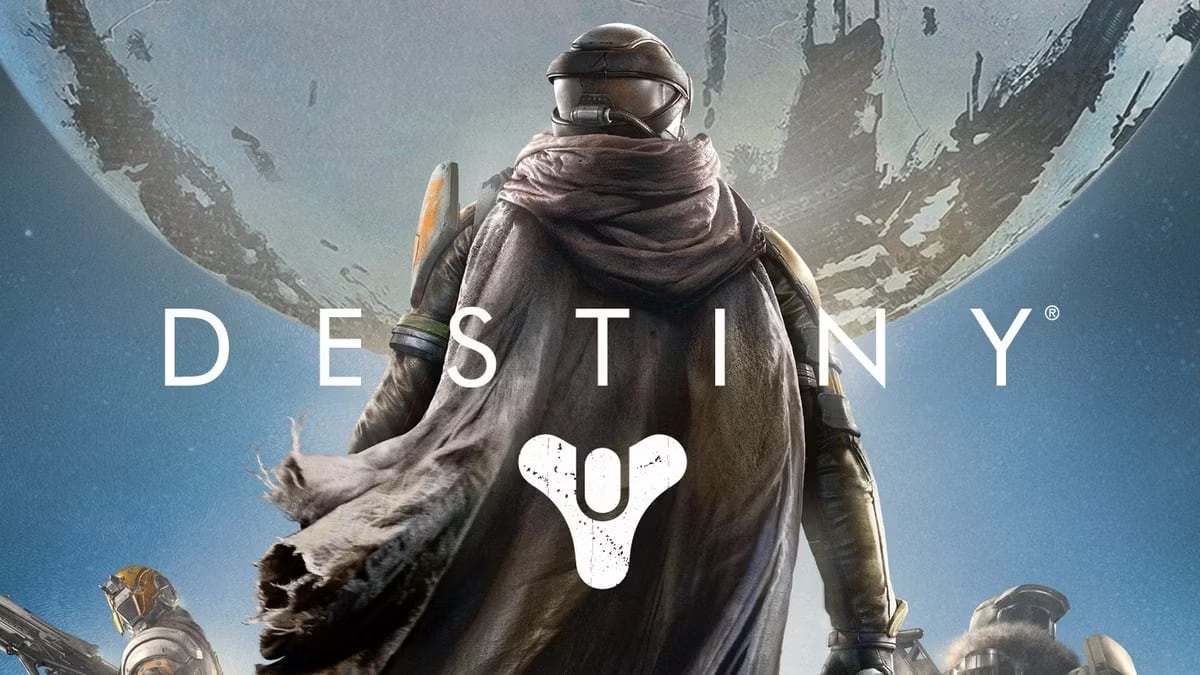
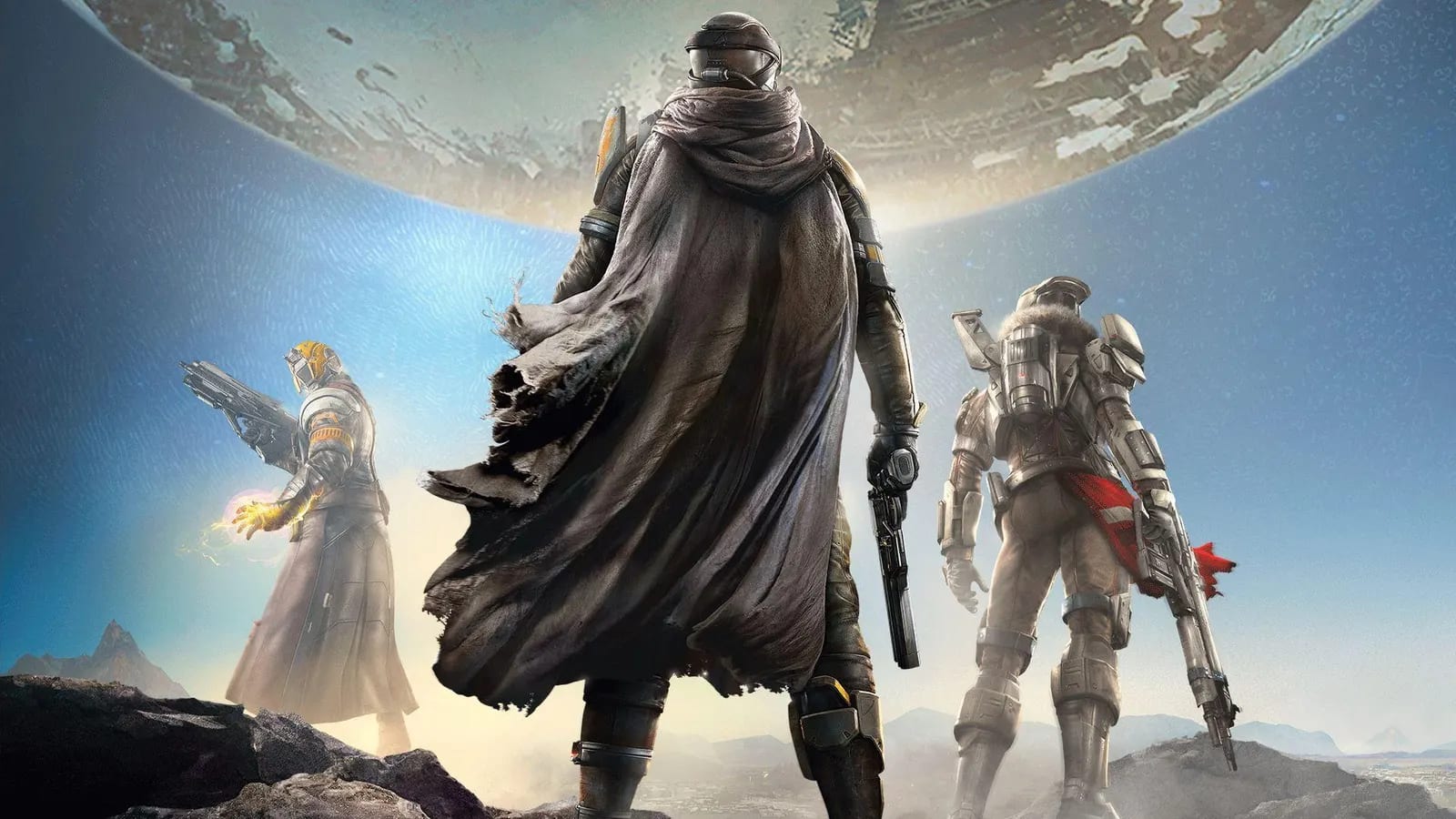
Destiny (2014)
The most expensive gamble in Bungie's history. A shared-world shooter with MMO ambitions and a mythology deliberately fractured across media, grimoire cards you couldn't read in-game, lore buried behind every corner. Rough on arrival. Transcendent in retrospect. It built a community that would follow Bungie anywhere.
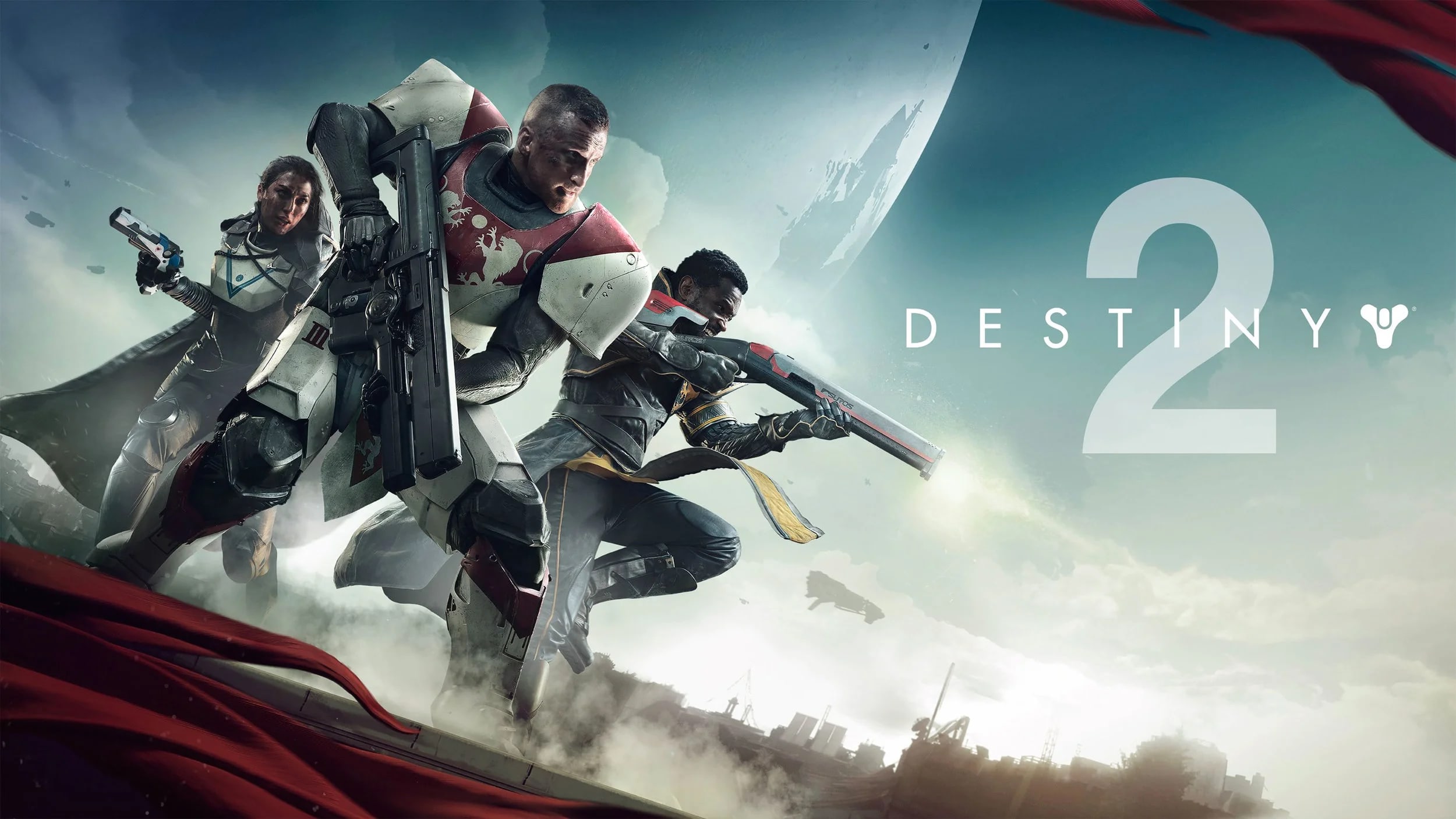
Destiny 2 (2017)
Nine years. A free-to-play universe that expanded, contracted, killed its own past through the Vault, resurrected villains as allies, and made millions of people care deeply about a robot called Ghost and a paracausal knife. Its final update, Monument of Triumph, shipped June 9, 2026. The servers surged. Players came back in numbers that surprised everyone, one last great pilgrimage to a world they'd called home. No more updates are coming. The servers are still live. What happens next is anybody's guess.