Cinematographer
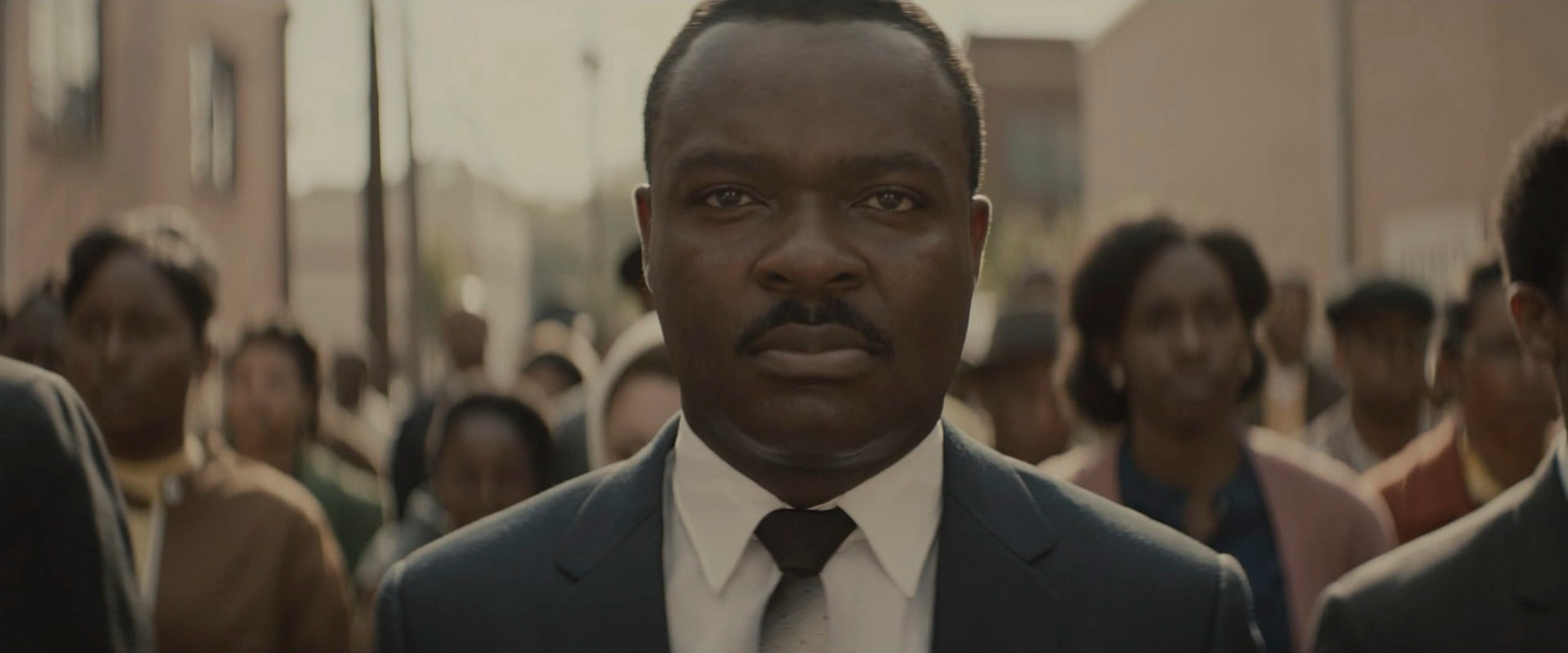
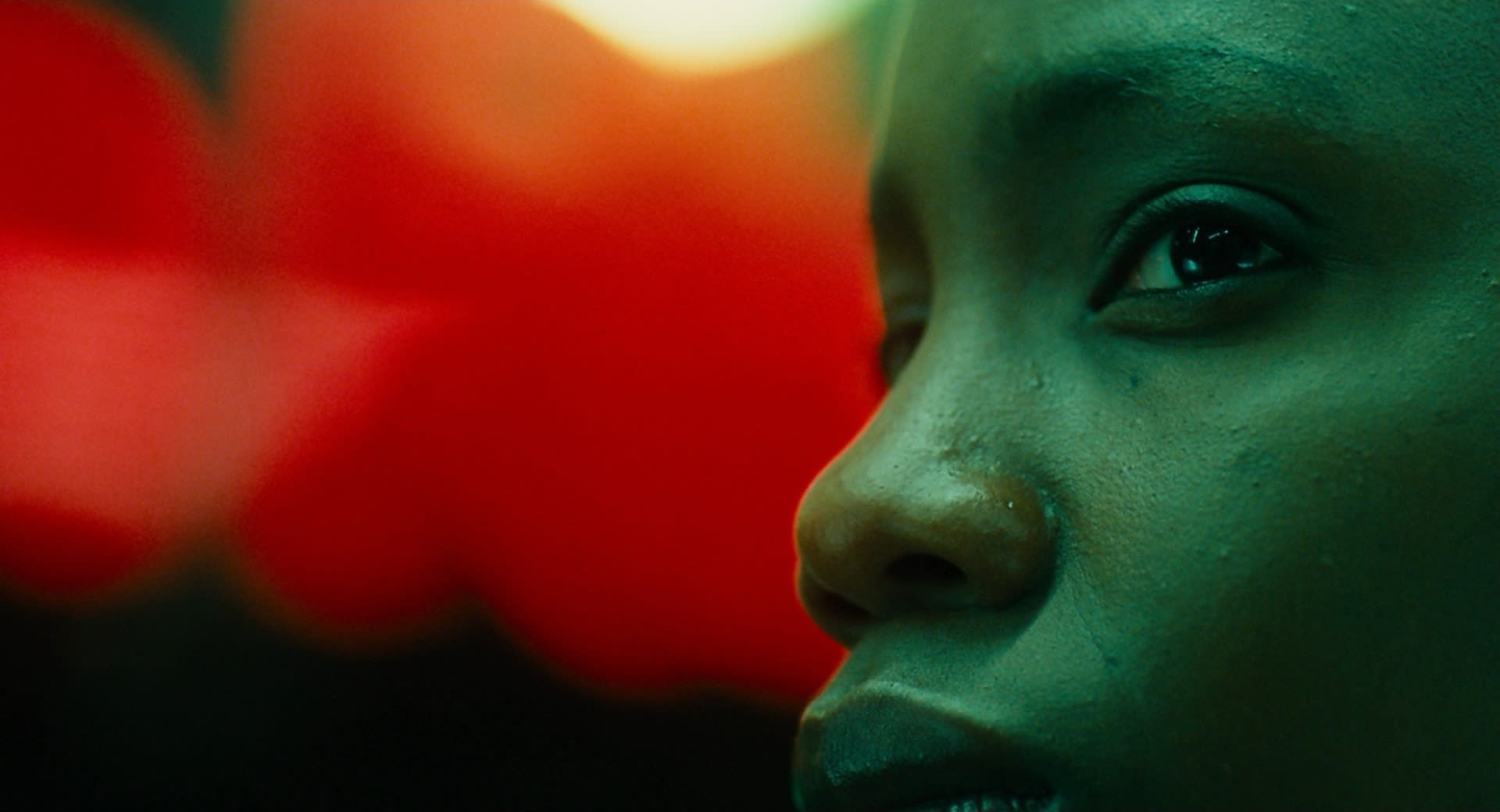
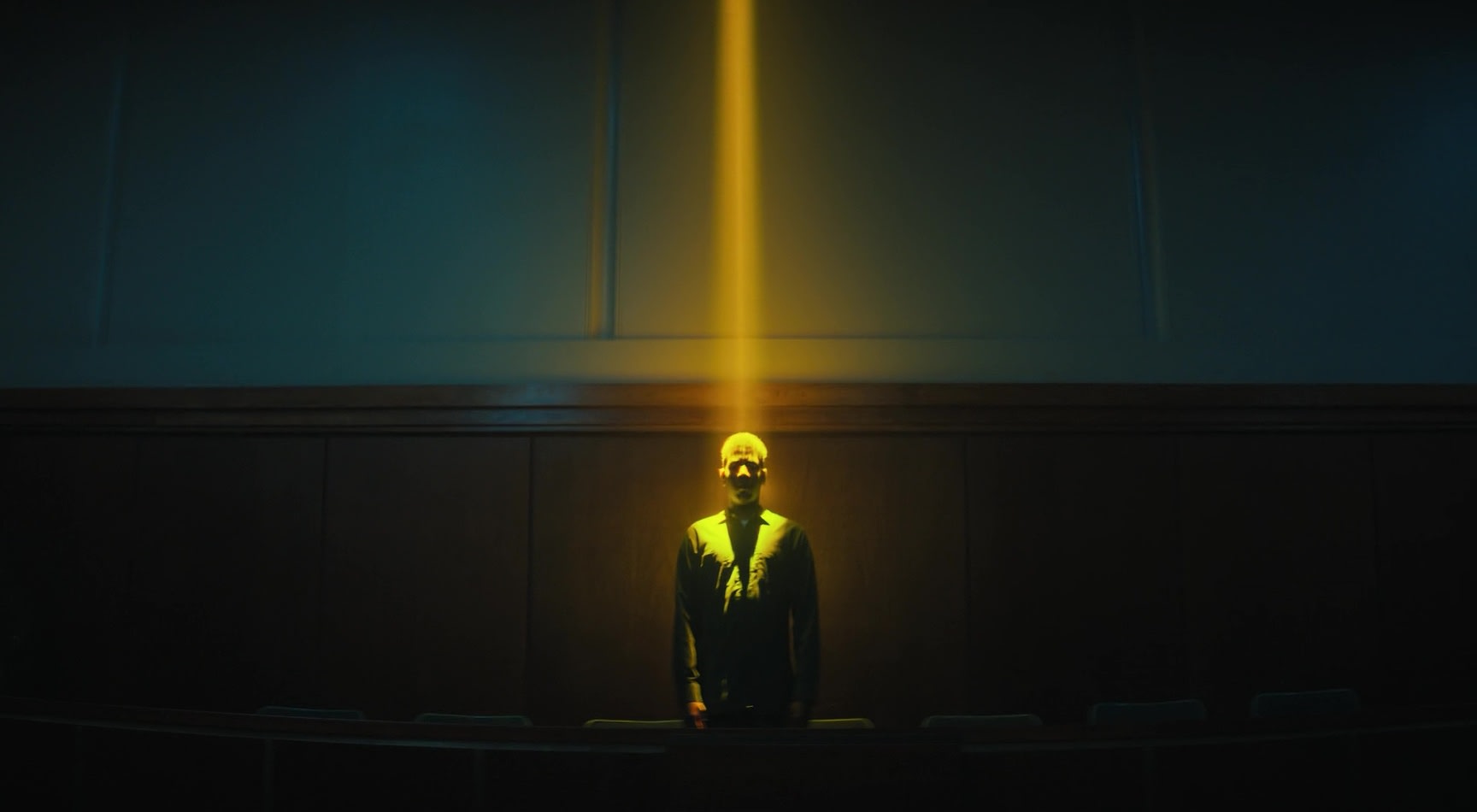
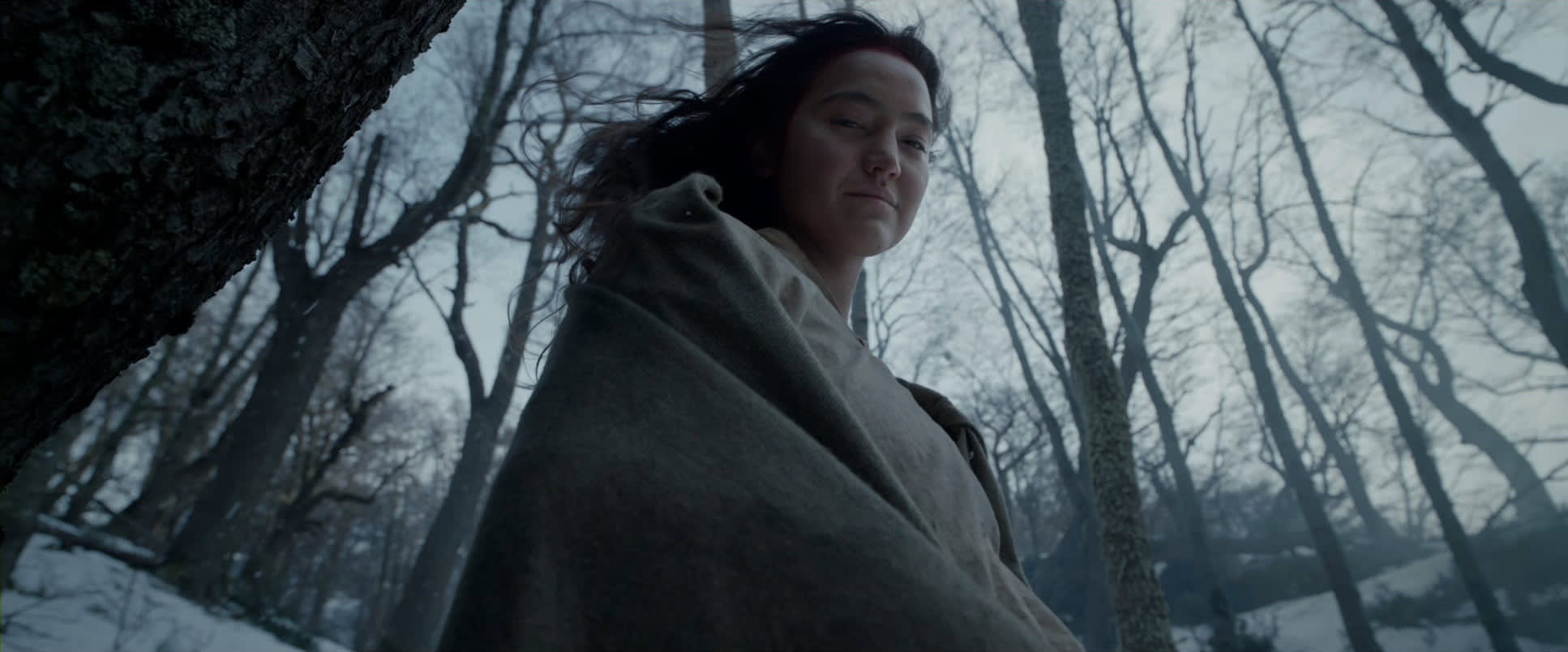
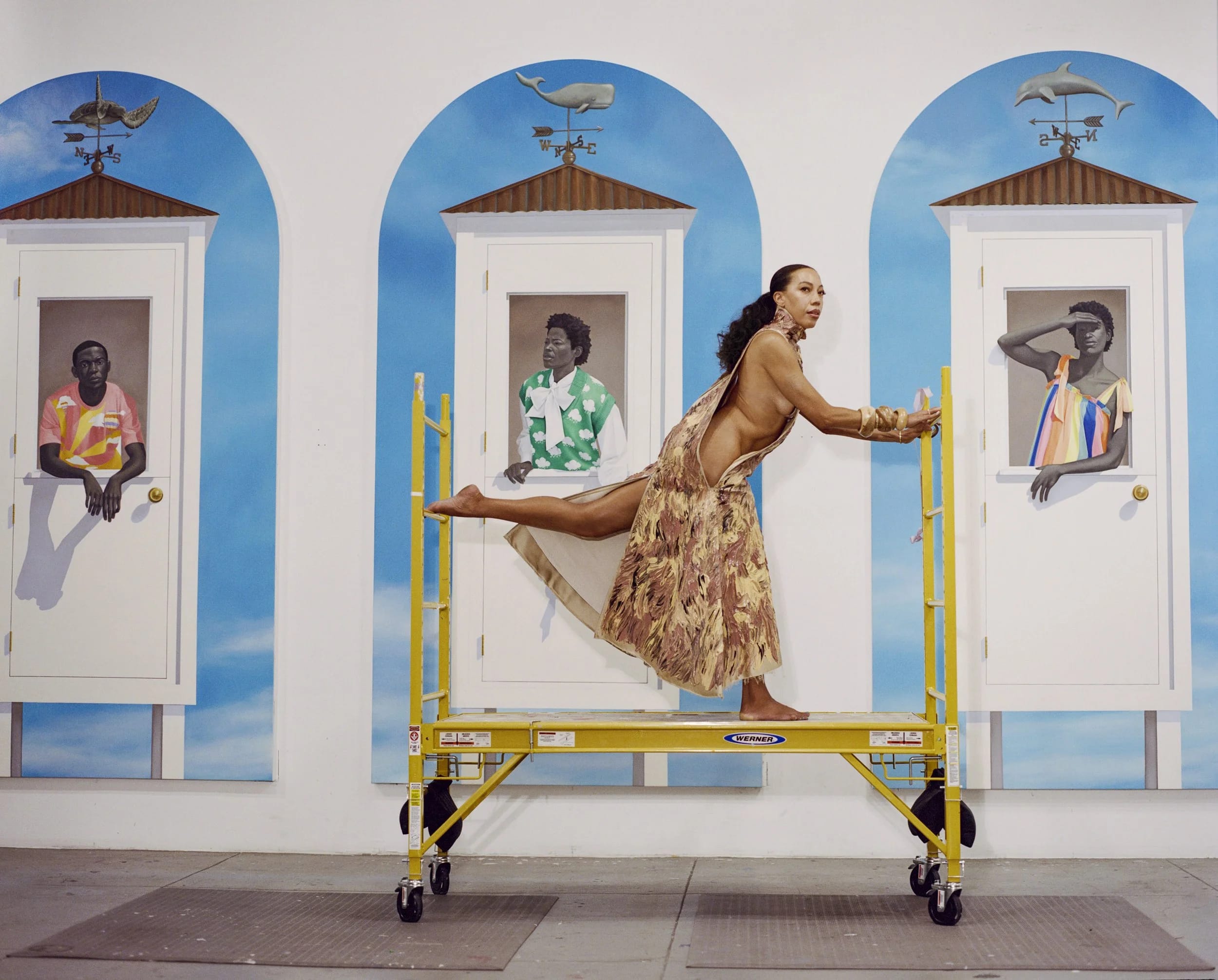
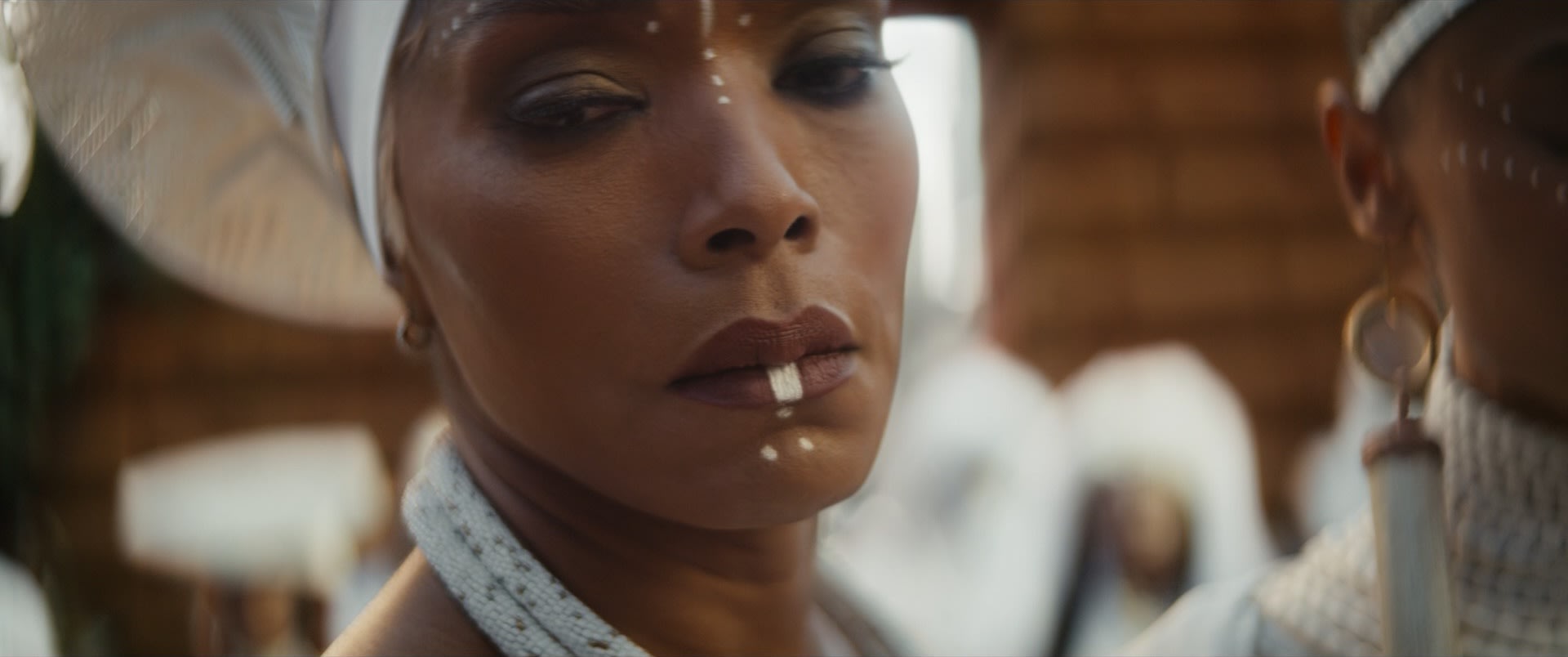
Bradford Young shoots darkness the way most cinematographers shoot light. Where others fight shadow, he builds with it, finding luminosity inside the deepest parts of the frame in a way that feels less like technique and more like a philosophical position. He came up through independent film, shooting Pariah and Middle of Nowhere with Ava DuVernay, before Denis Villeneuve handed him Arrival and the world caught up to what independent cinema already knew. His work has a specific quality that is almost impossible to manufacture, the camera doesn't observe the room, it belongs in it. His light treats Black skin with a tenderness and specificity that represents a genuine correction to a century of cinematography that never figured out how.
Learn More →Signature Traits
Major Works
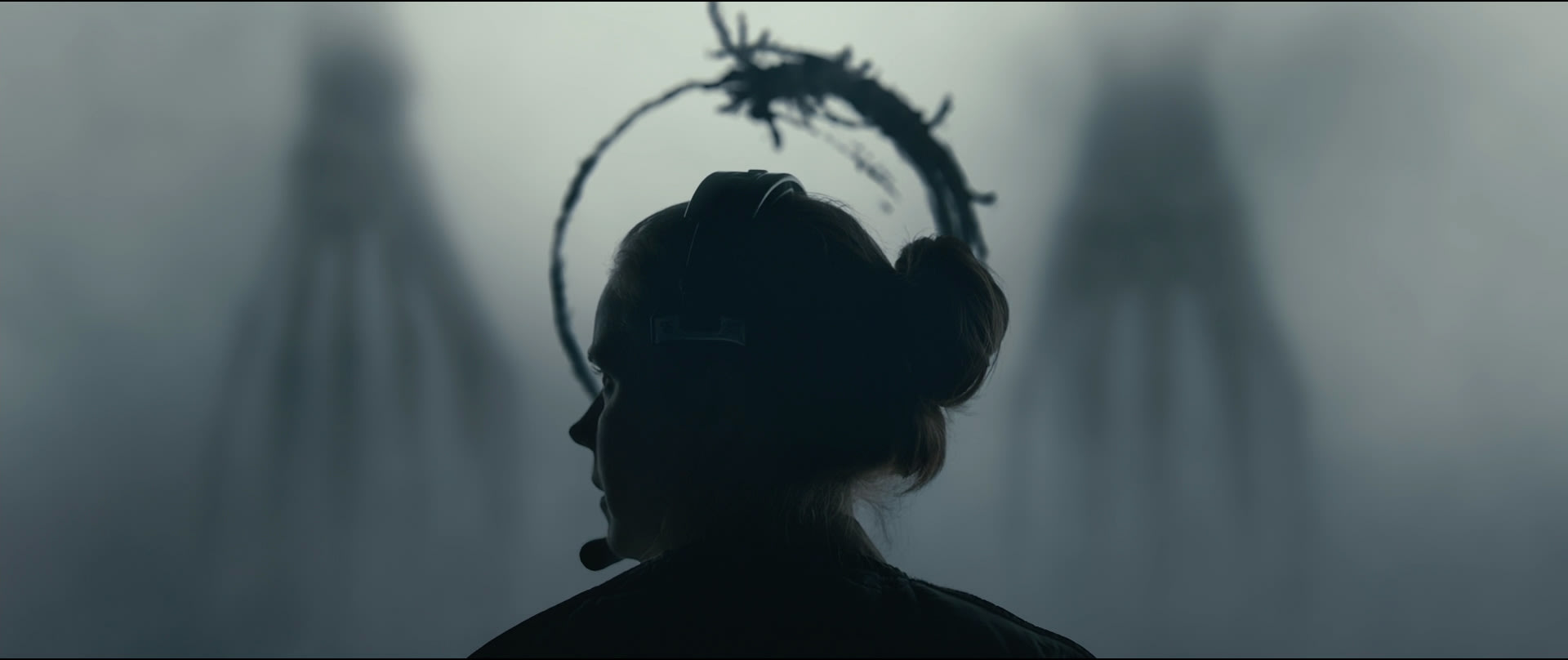
Arrival (2016)
Villeneuve's alien linguistics film rendered in fog, diffused light, and a color palette so restrained it feels archaeological. Young makes the alien feel genuinely unknowable.
Selma (2014)
The Edmund Pettus Bridge. Handheld, immediate, inside the march rather than above it. Historical footage made to feel like it is happening right now.
Enemy (2013)
Toronto as a paranoid yellow dreamscape. Every frame slightly wrong in a way you can feel before you can name. One of the most atmospherically precise films of the decade.