Photographer
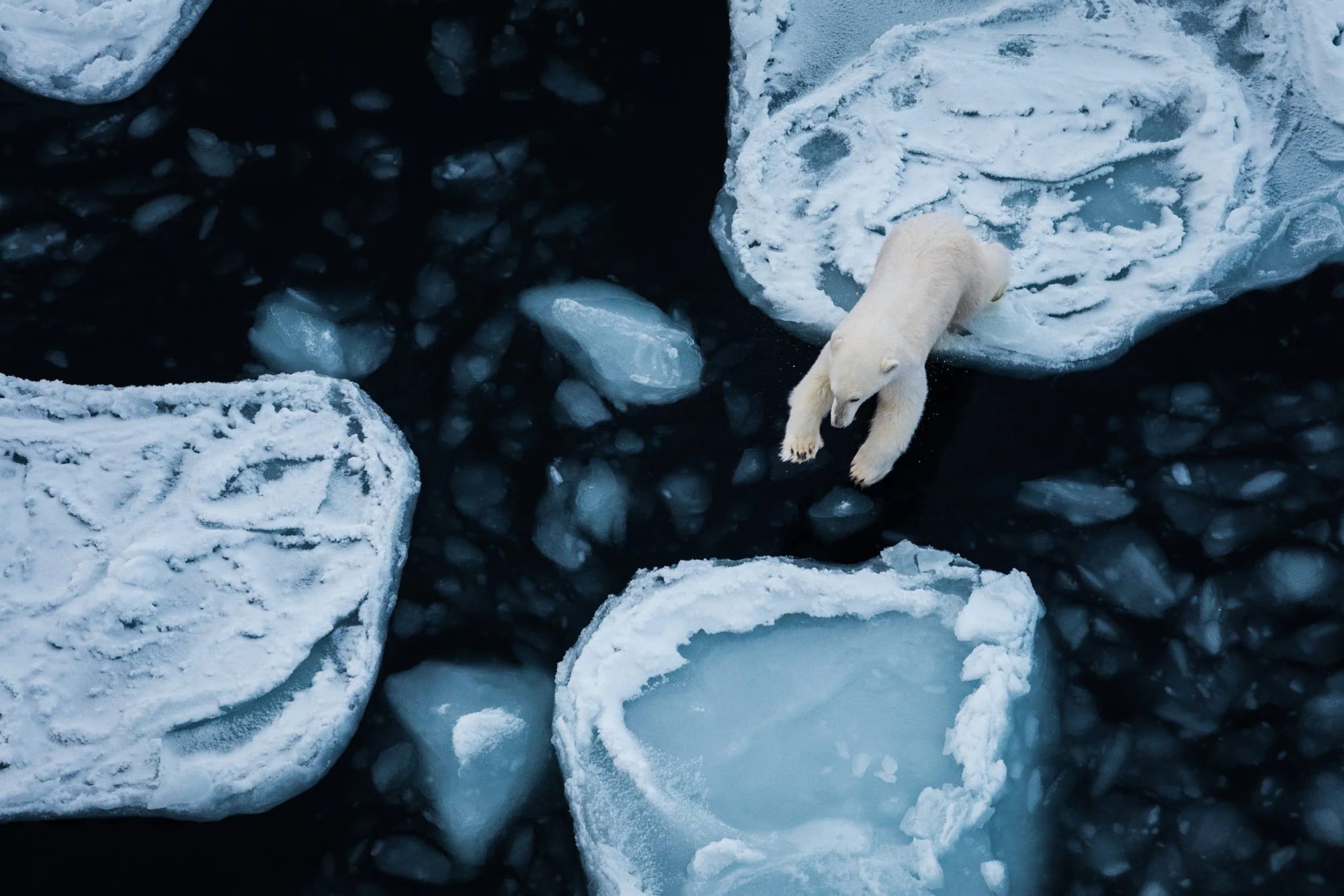
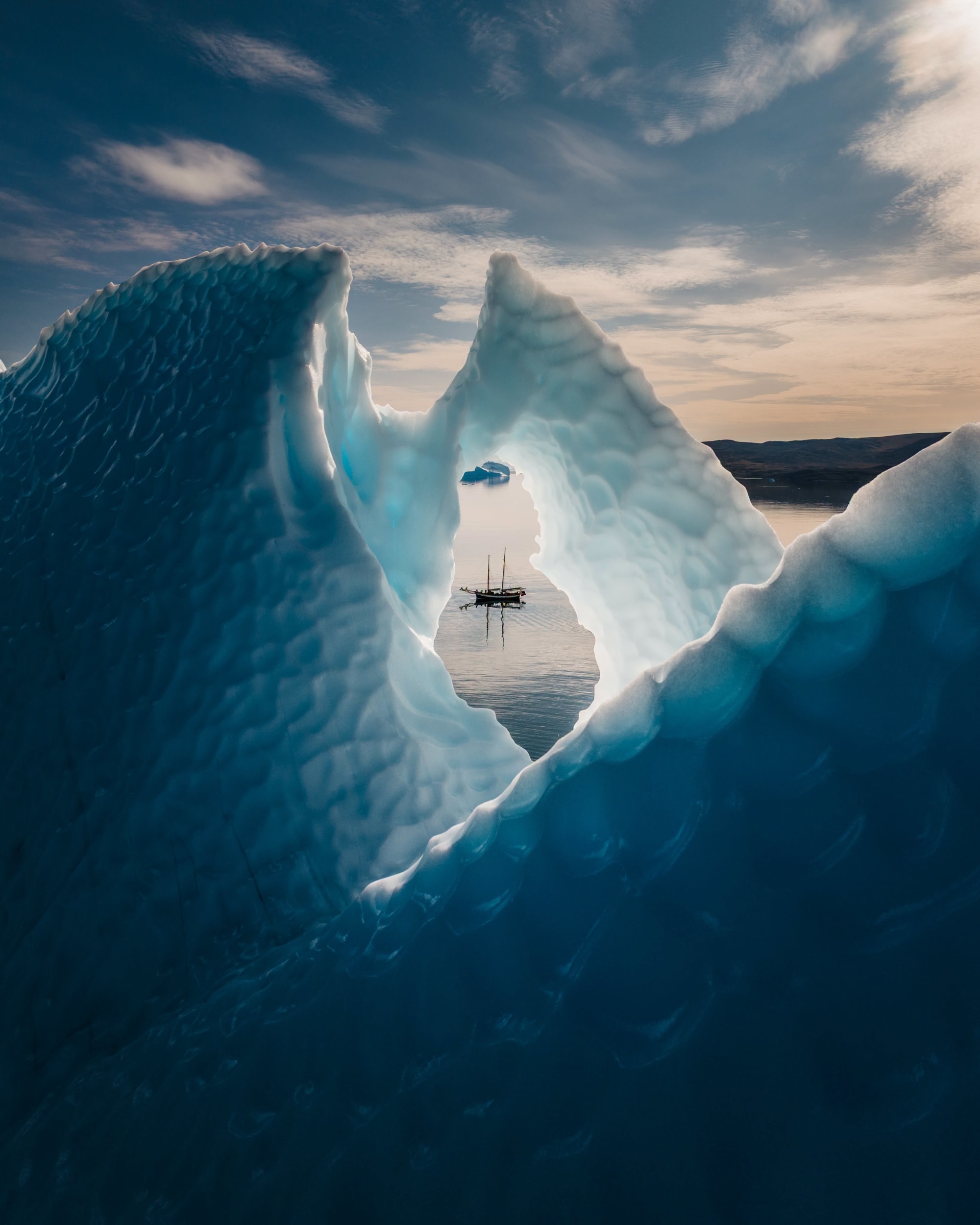
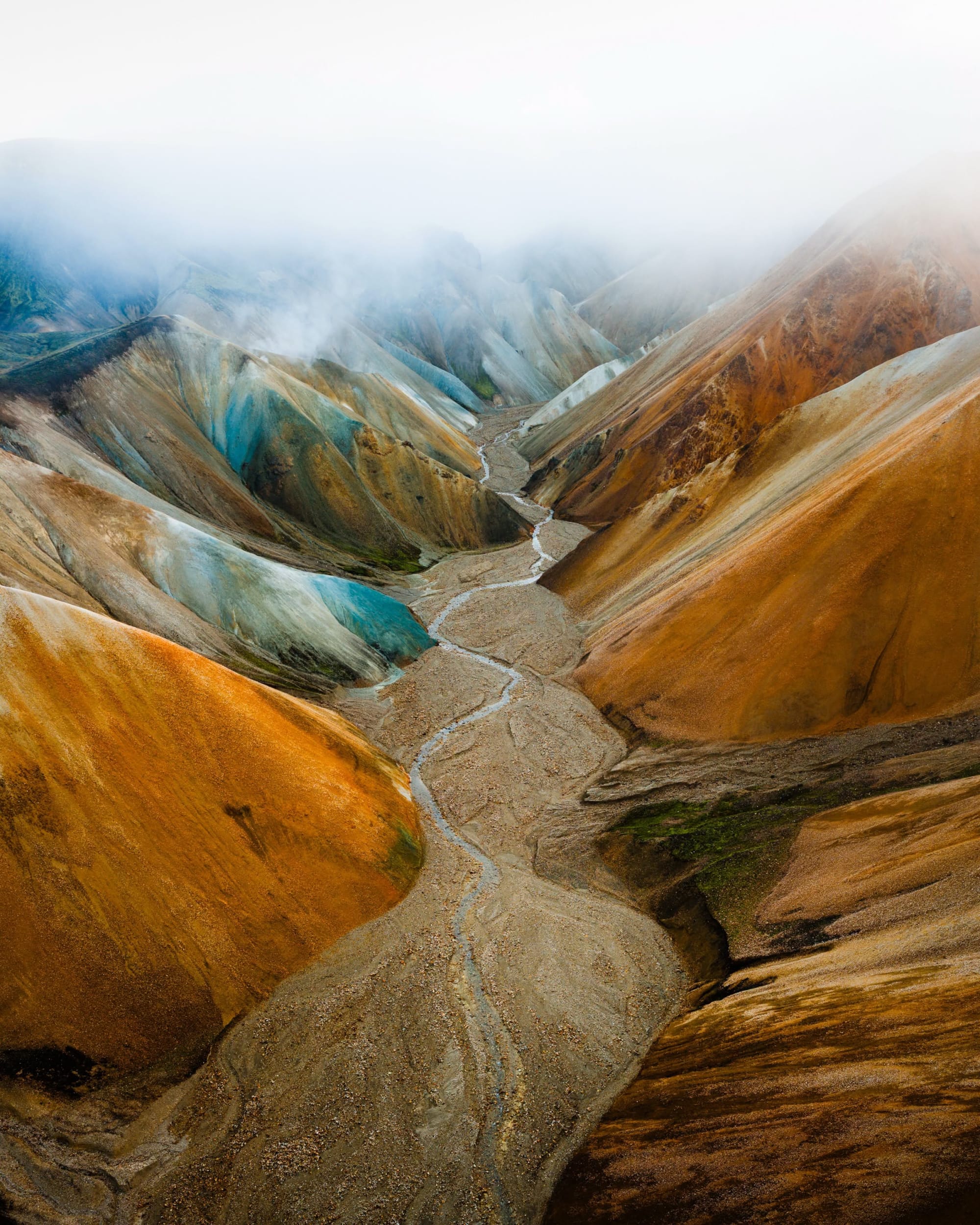
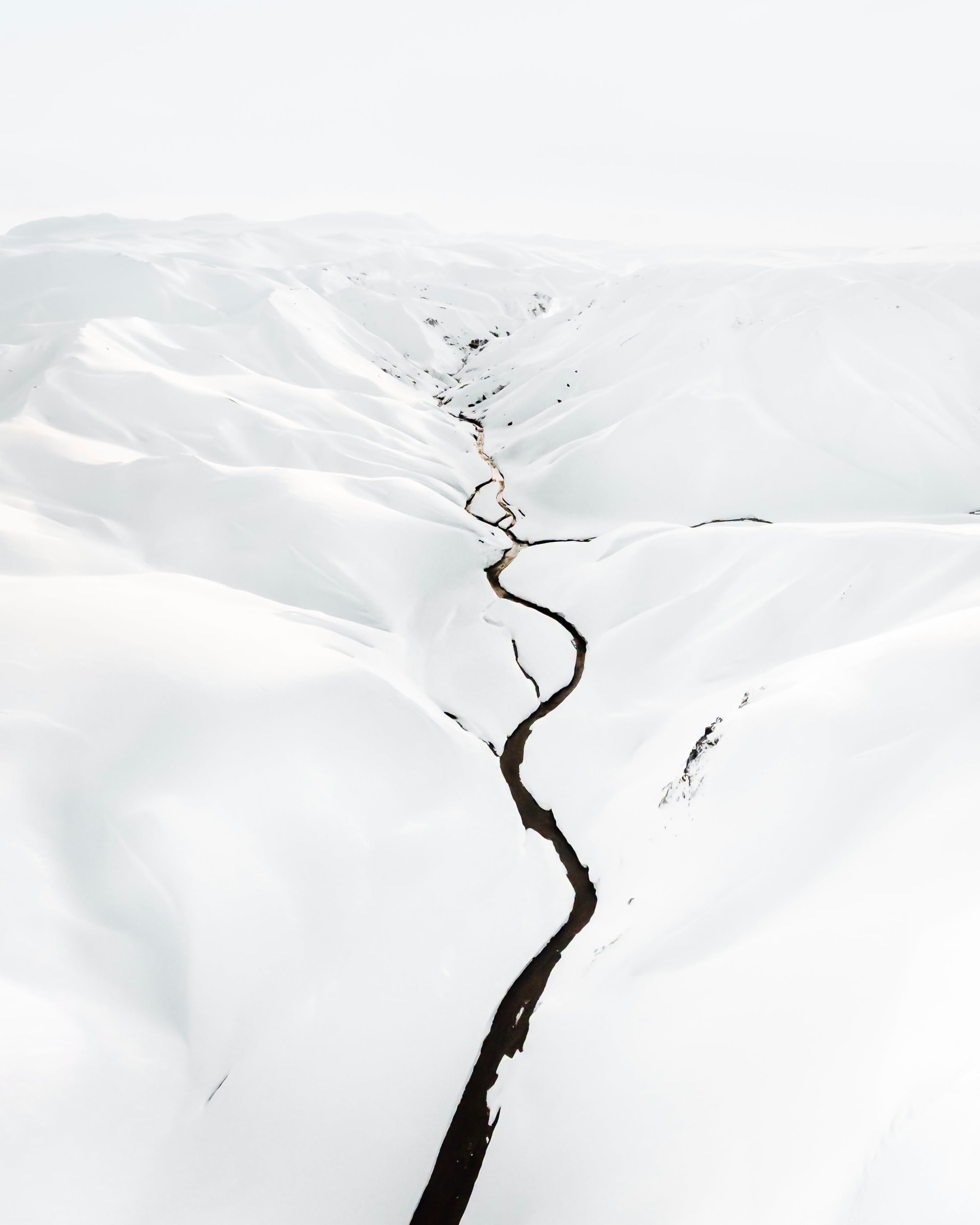

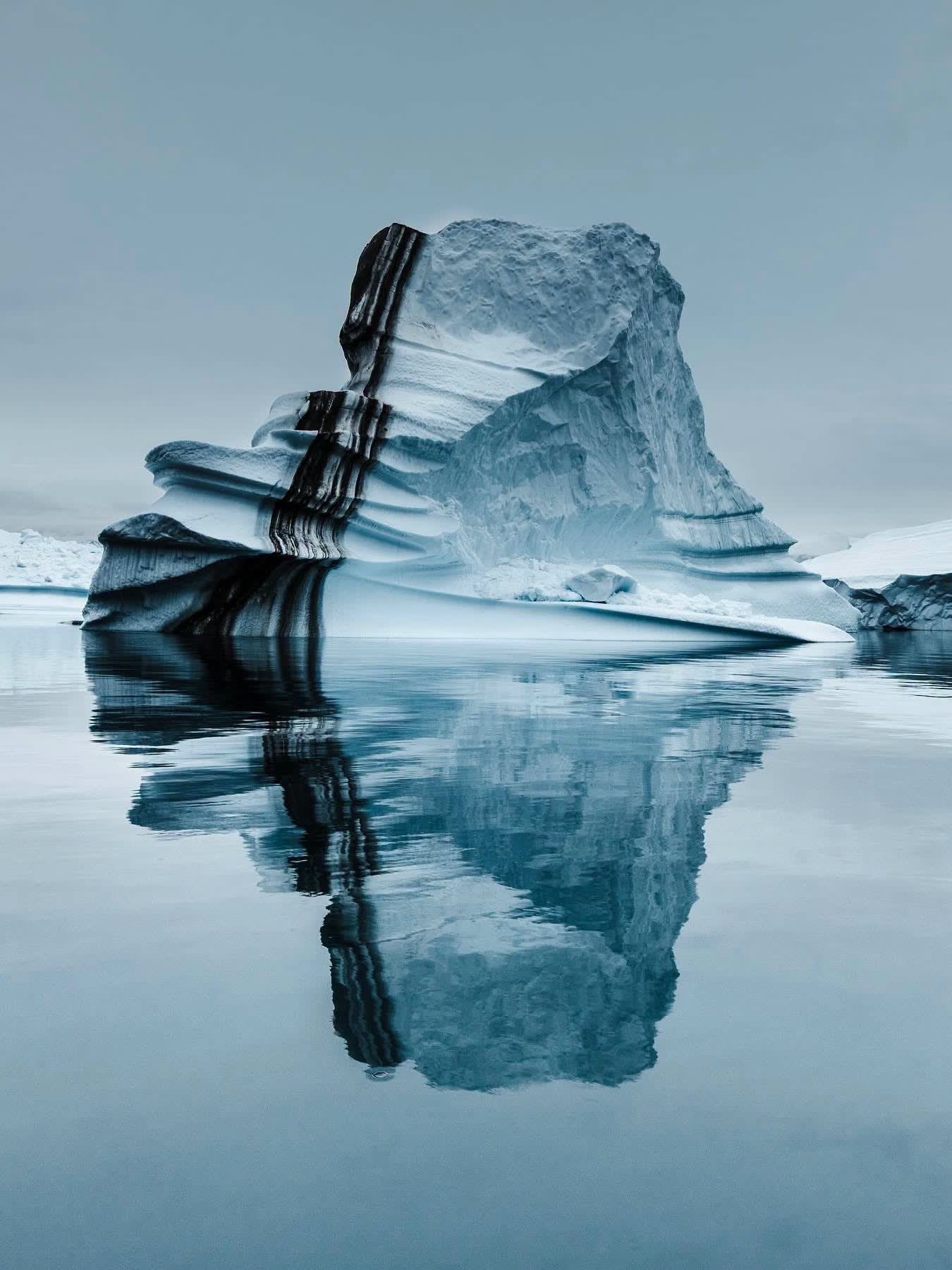
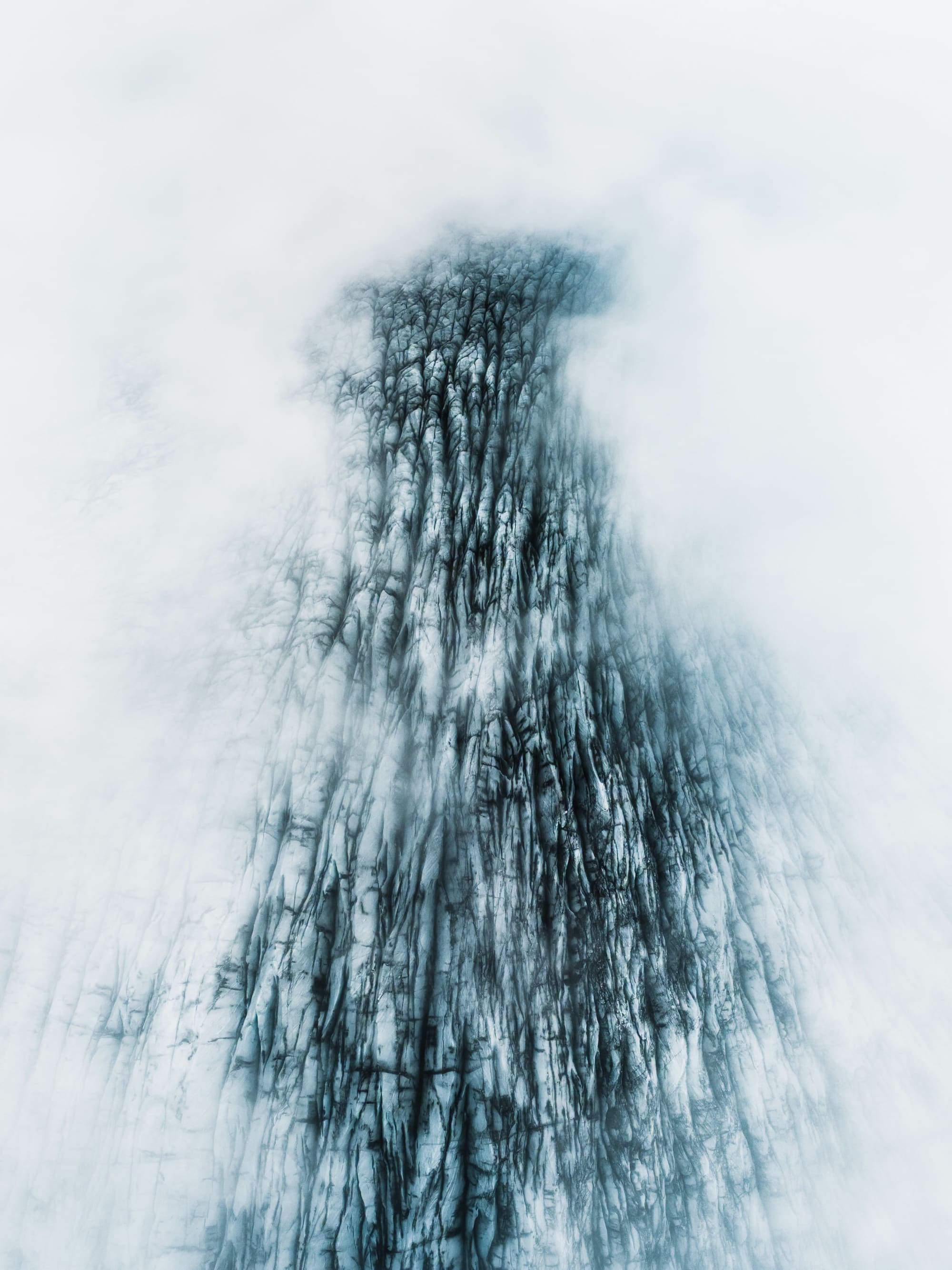
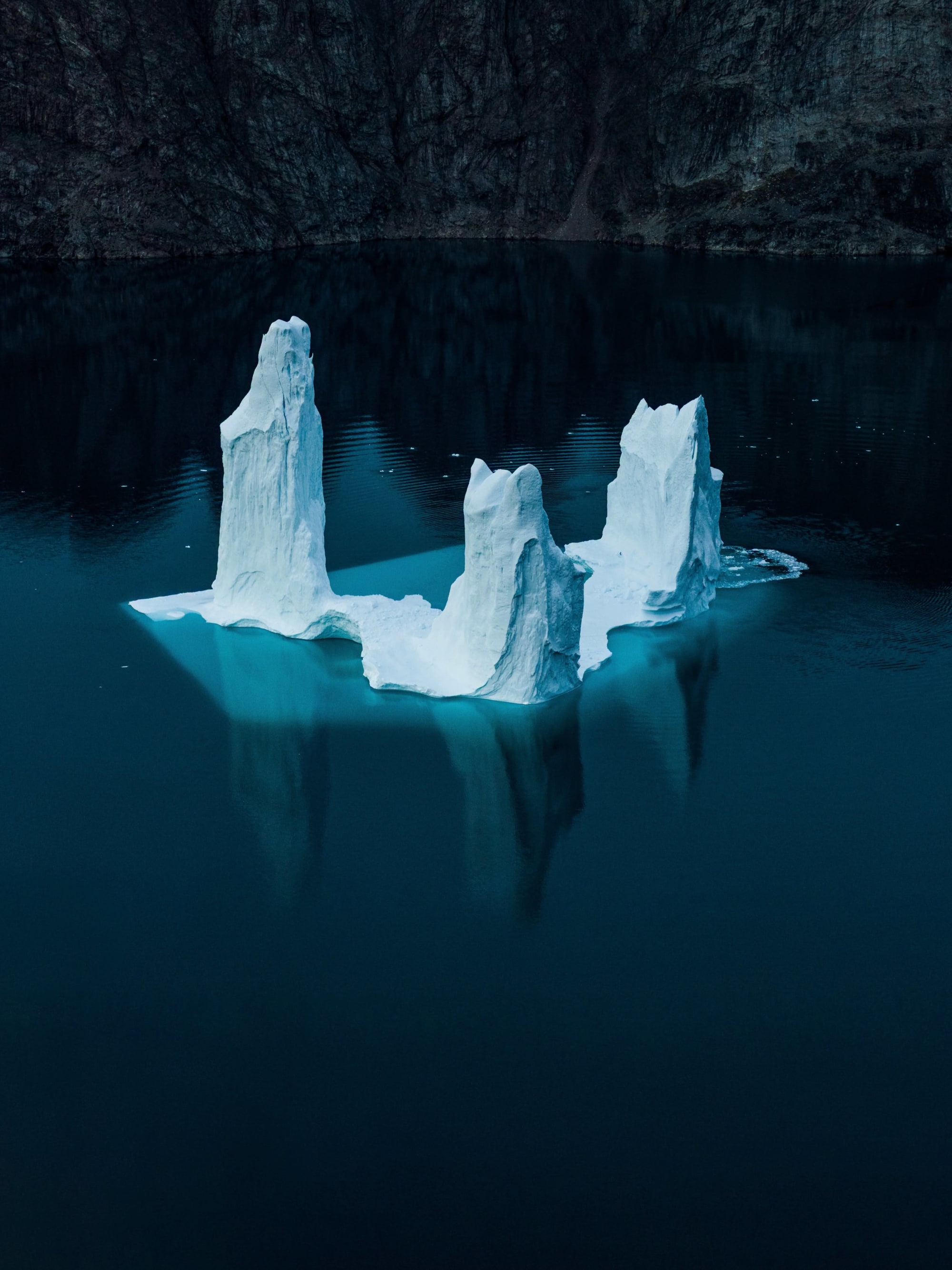
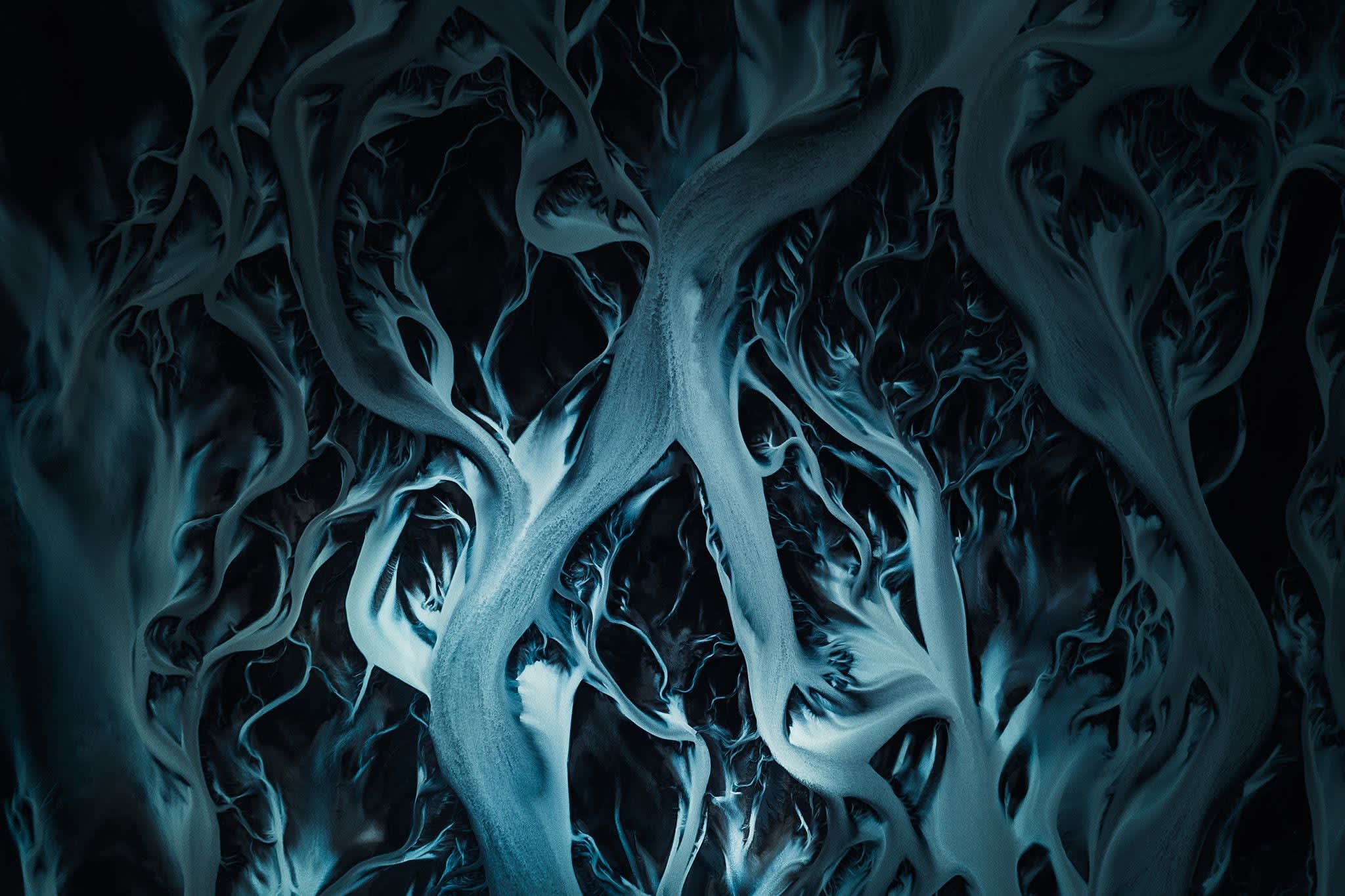
Benjamin Hardman grew up in Perth, hated the heat, and eventually found his actual climate on the other side of the planet. For the past decade he has based himself in Iceland, photographing ice, rock, and empty sky until each frame strips down to almost nothing, a single ridgeline, a blank horizon, restraint that takes real nerve in a genre that usually reaches for drama. That same instinct for reduction carried him into motion work, where he shot aerial and gimbal sequences for Netflix's Life on Our Planet and Our Universe, treating polar landscape less like backdrop and more like a subject with its own pulse. Stills to cinematography, same discipline, just a different frame rate.
Learn More →Signature Traits
Major Works
Life on Our Planet (2023)
Aerial cinematographer across the Netflix series. Was already on site in Iceland when the Fagradalsfjall volcano erupted and had footage back within hours, shots that ended up shaping the visual style of the whole show.
Our Universe (2022)
Cinematography and drone work on the Morgan Freeman-narrated Netflix and BBC Studios series linking cosmic events to life on Earth.
66°North
Five years as commercial photographer for the Icelandic outdoor brand, moving into the role of Editor-in-Chief in 2019.
Polar fine art archive
An ongoing body of minimalist prints from Iceland, Greenland, Svalbard, and Antarctica, sold through his own studio rather than a gallery system.