Director
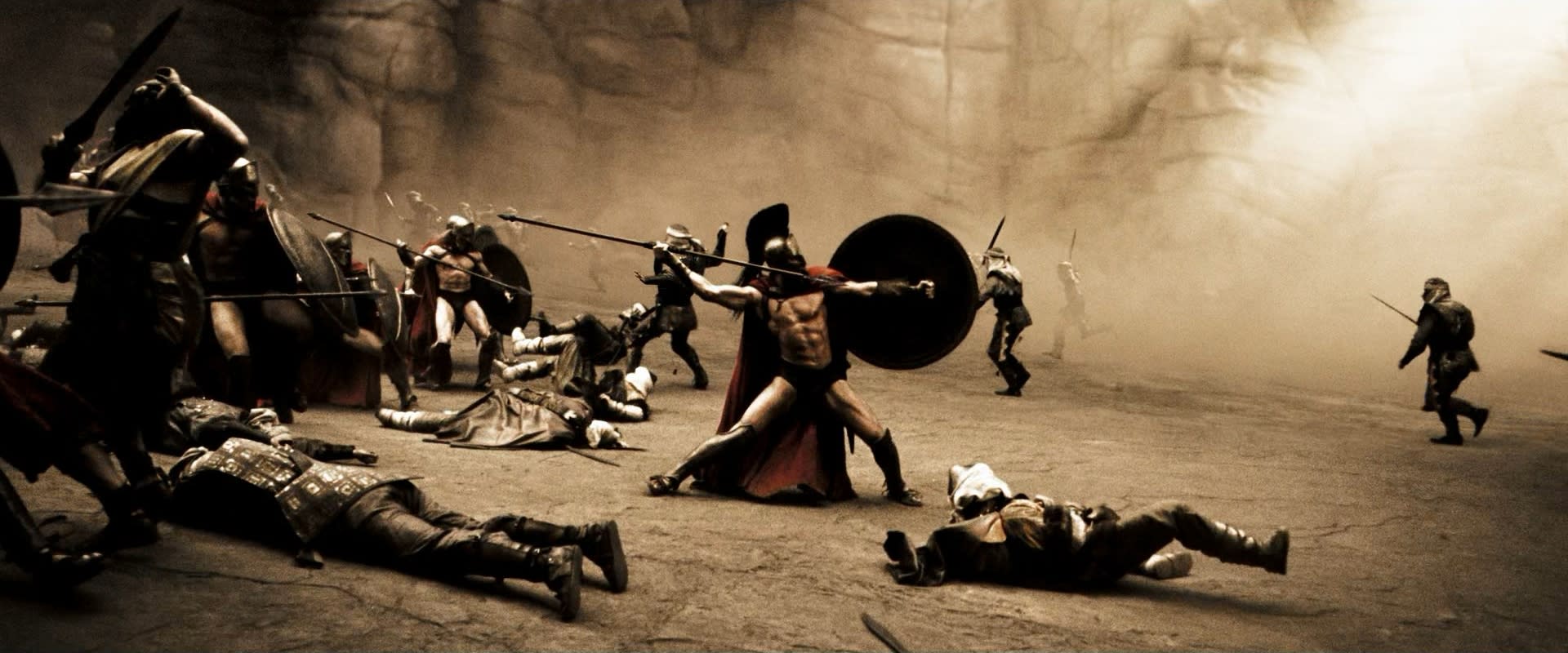
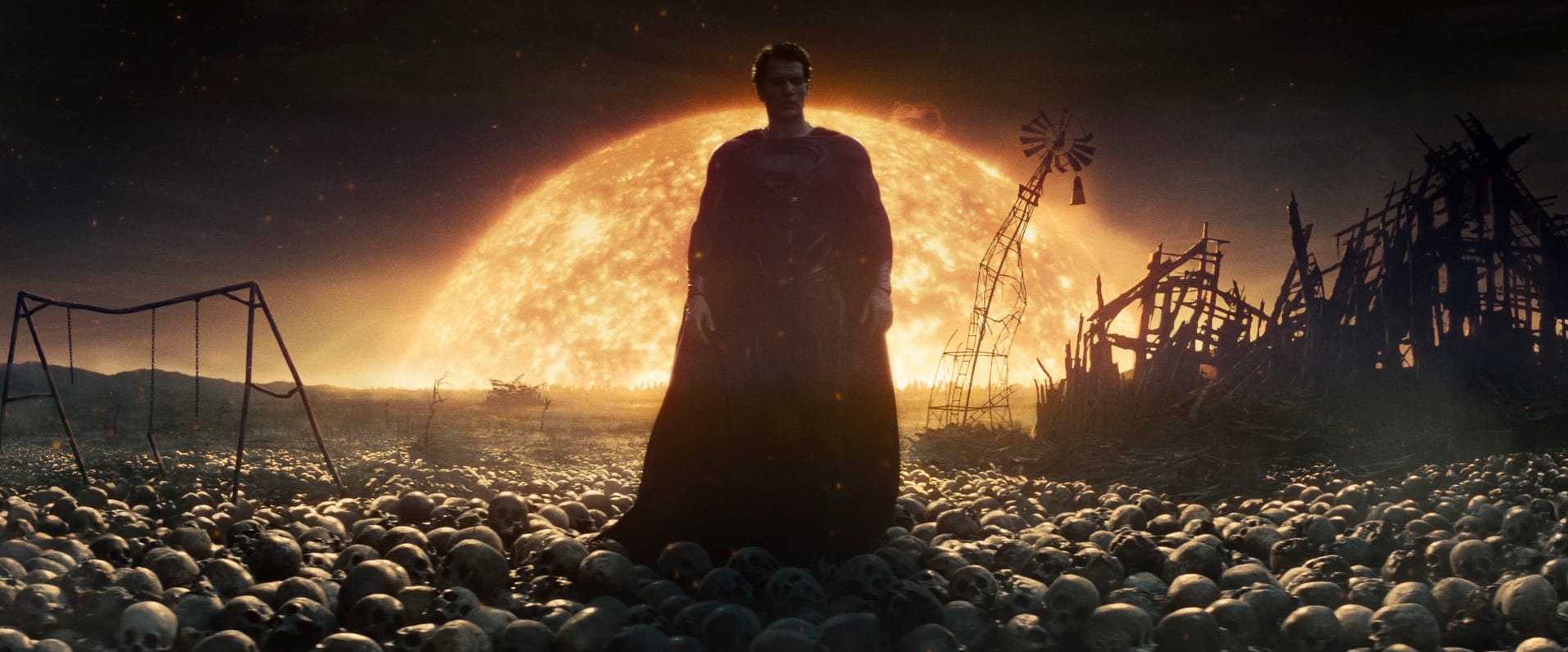
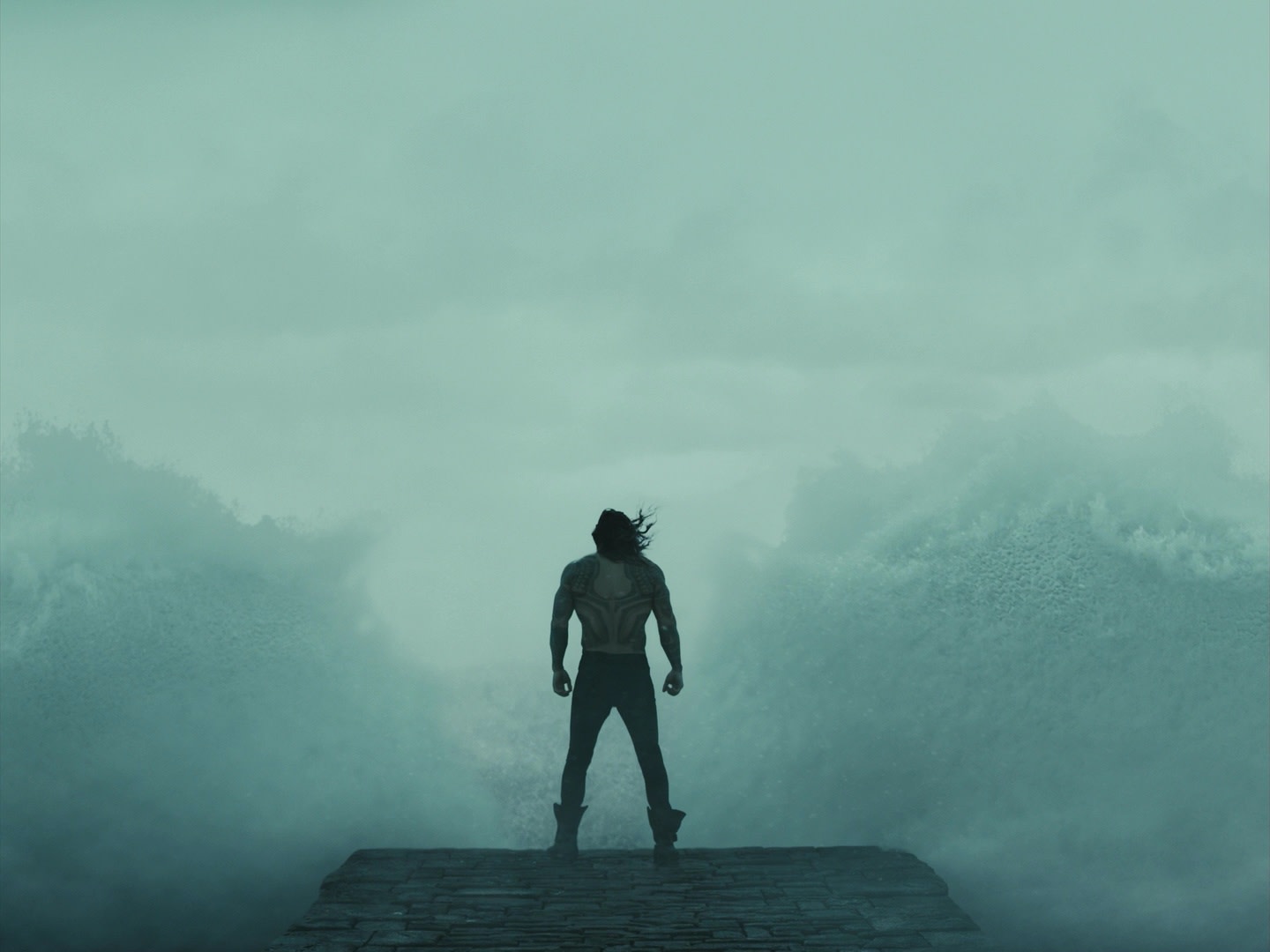
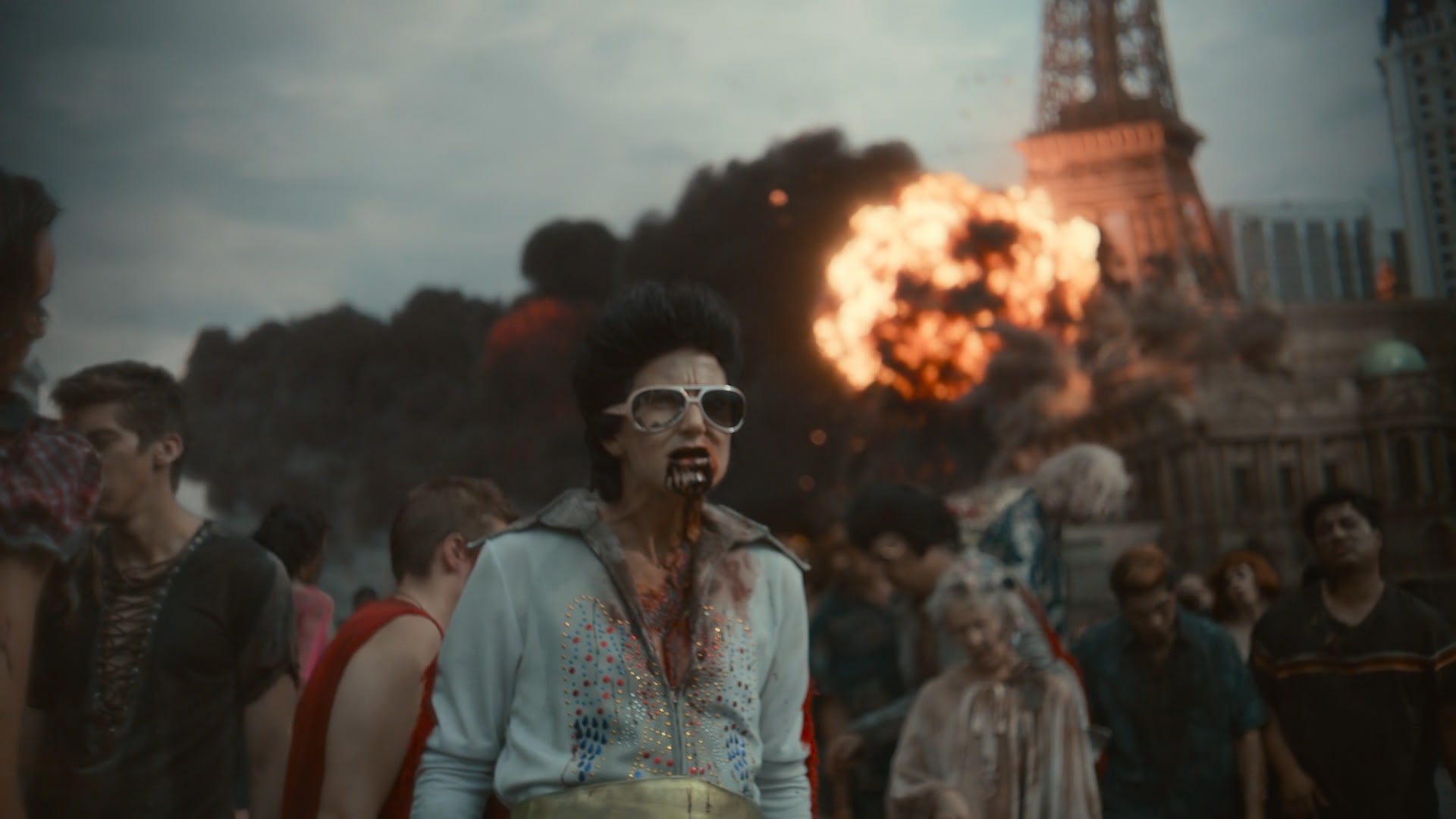
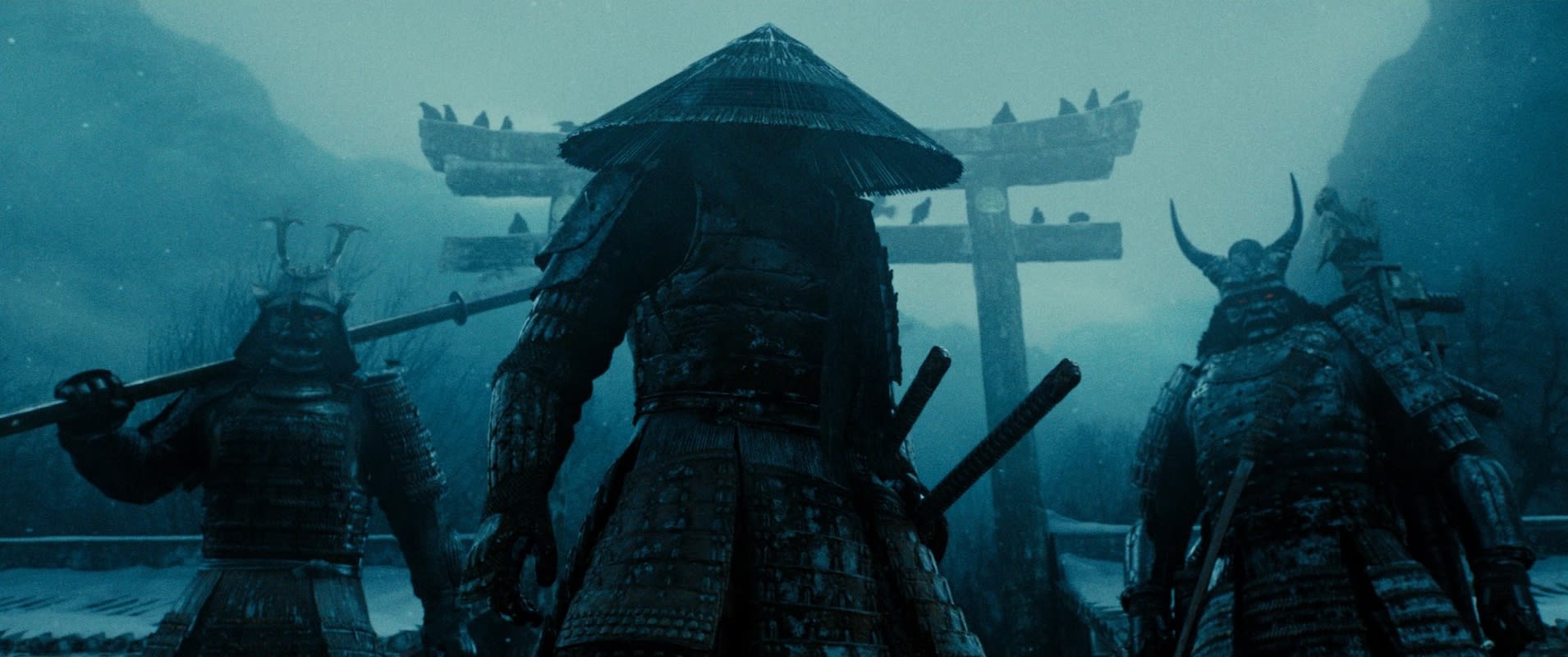
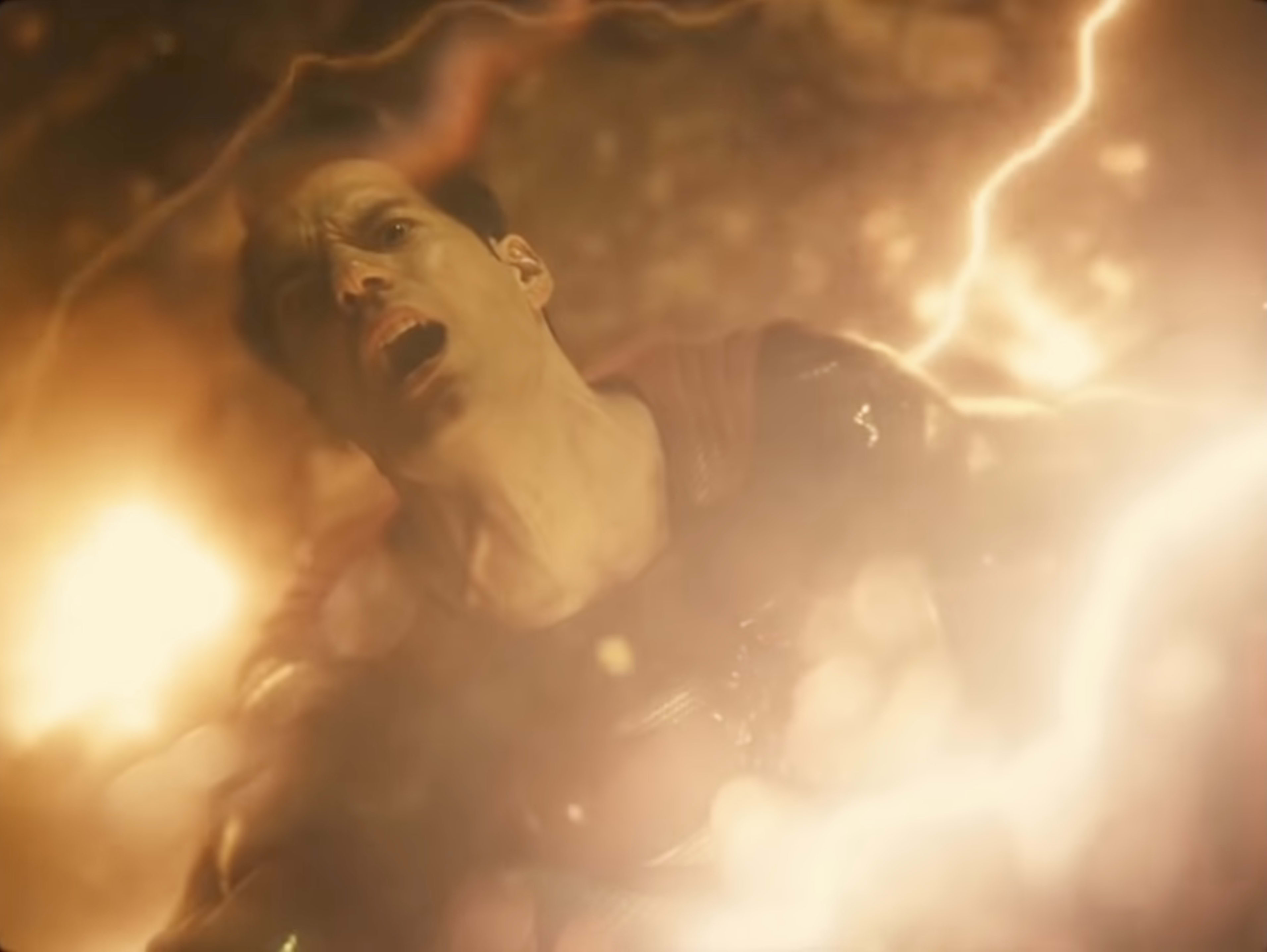
Zack Snyder treats the camera like a weapon and slow motion like punctuation, and no other director working at blockbuster scale has committed so completely to that idea. He came up shooting commercials, then rebuilt 300 as a frame for frame recreation of Frank Miller's panels, full body green screen and speed ramping used to make violence feel like scripture. Watchmen pushed the same discipline further, treating Alan Moore's book as something closer to sacred text than source material. His superhero films read differently than anyone else's, slower, heavier, staged like religious paintings instead of theme park rides, which is exactly why they split audiences down the middle every time.
Learn More →Signature Traits
Major Works
300 (2006)
Nearly every frame shot against green screen and built to match Frank Miller's panels exactly, speed ramping turning slow motion into a visual dialect the industry spent the next decade imitating.
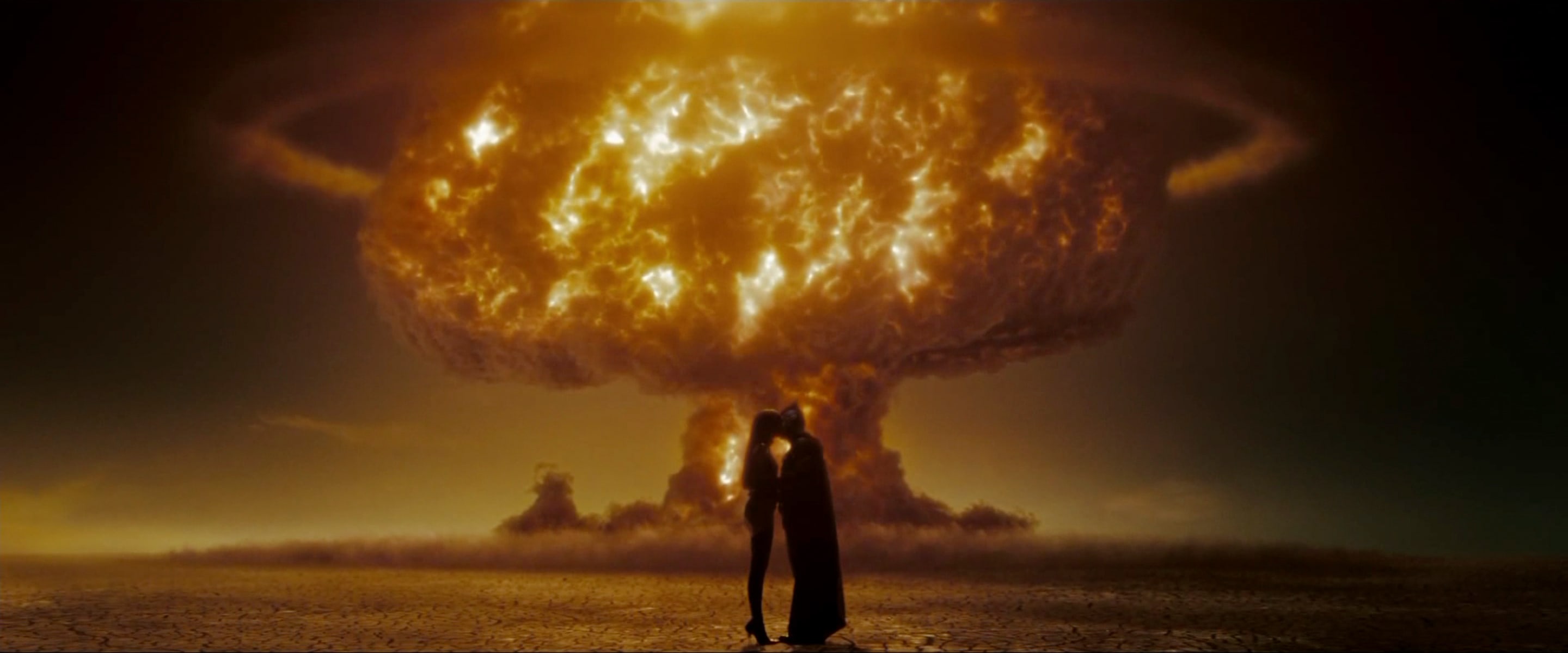
Watchmen (2009)
A near line for line adaptation of Alan Moore's supposedly unfilmable book, right down to a title sequence that compresses forty years of alternate history into four minutes.
Zack Snyder's Justice League (2021)
The four hour cut released after a fan campaign forced a studio's hand, framed in 4:3 for IMAX and the clearest, least compromised version of Snyder's visual language ever put in front of an audience.
Man of Steel (2013)
A Superman shot handheld and lens flared like a nature documentary, swapping comic book primary colors for something closer to Malick, the first take on the character that felt genuinely unsettled by what he is.