Colorist
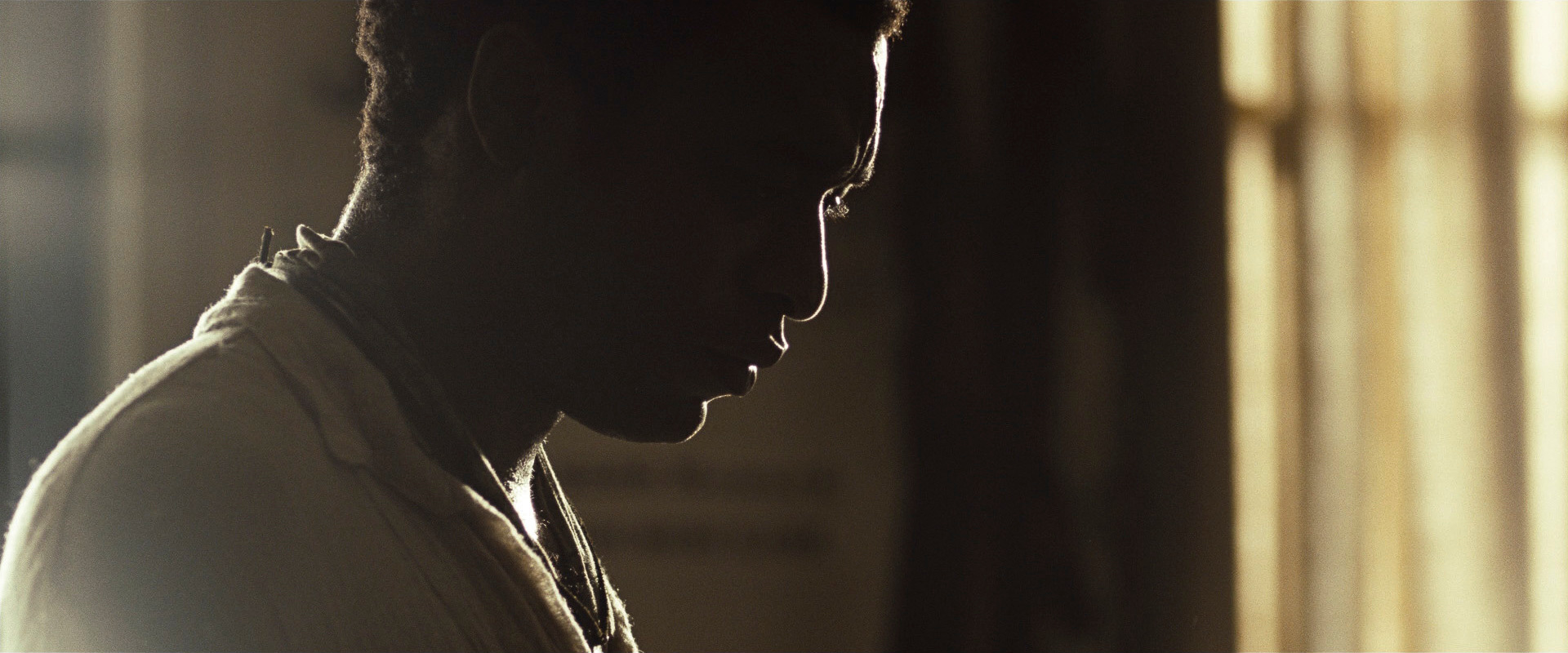

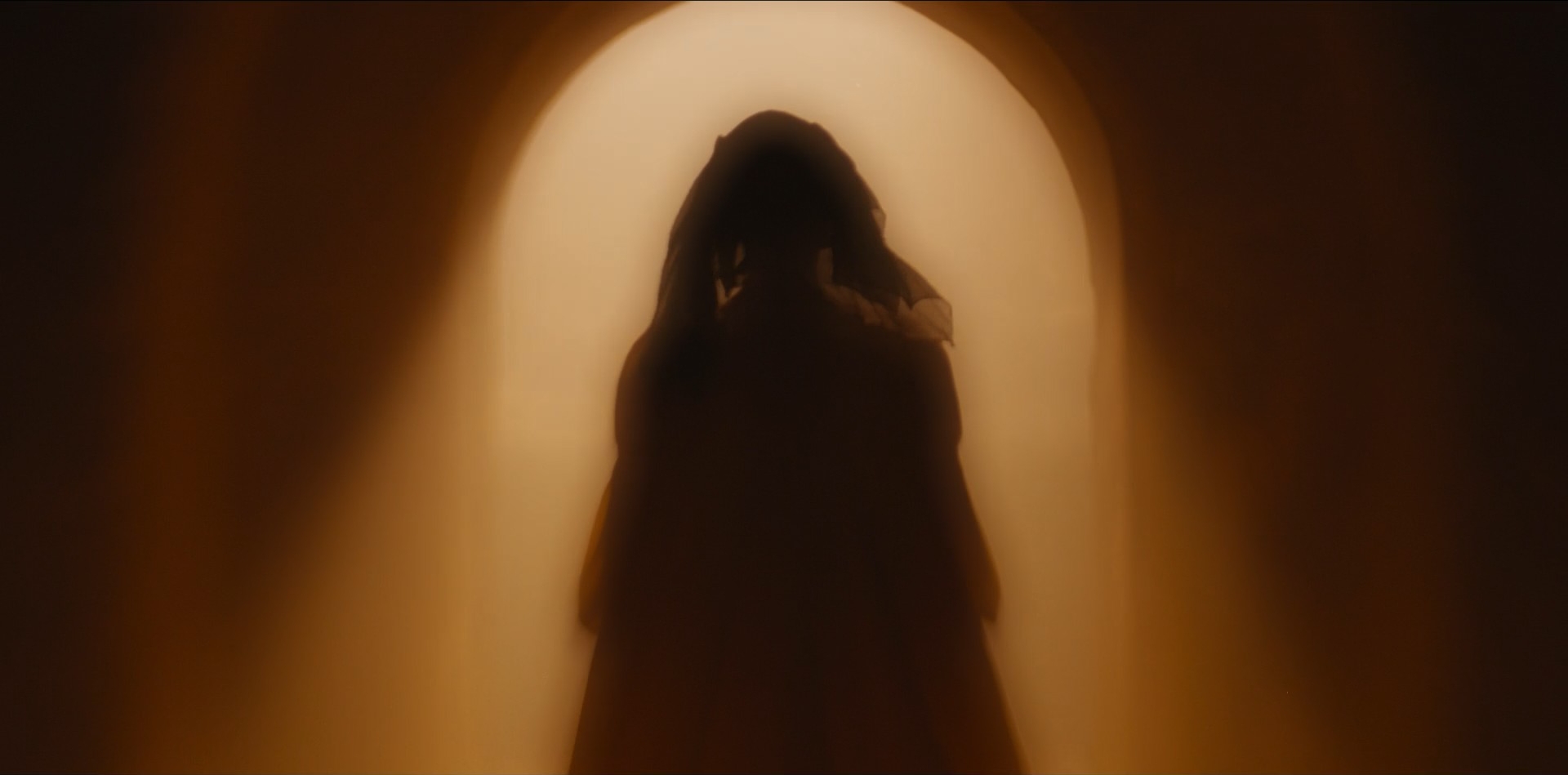
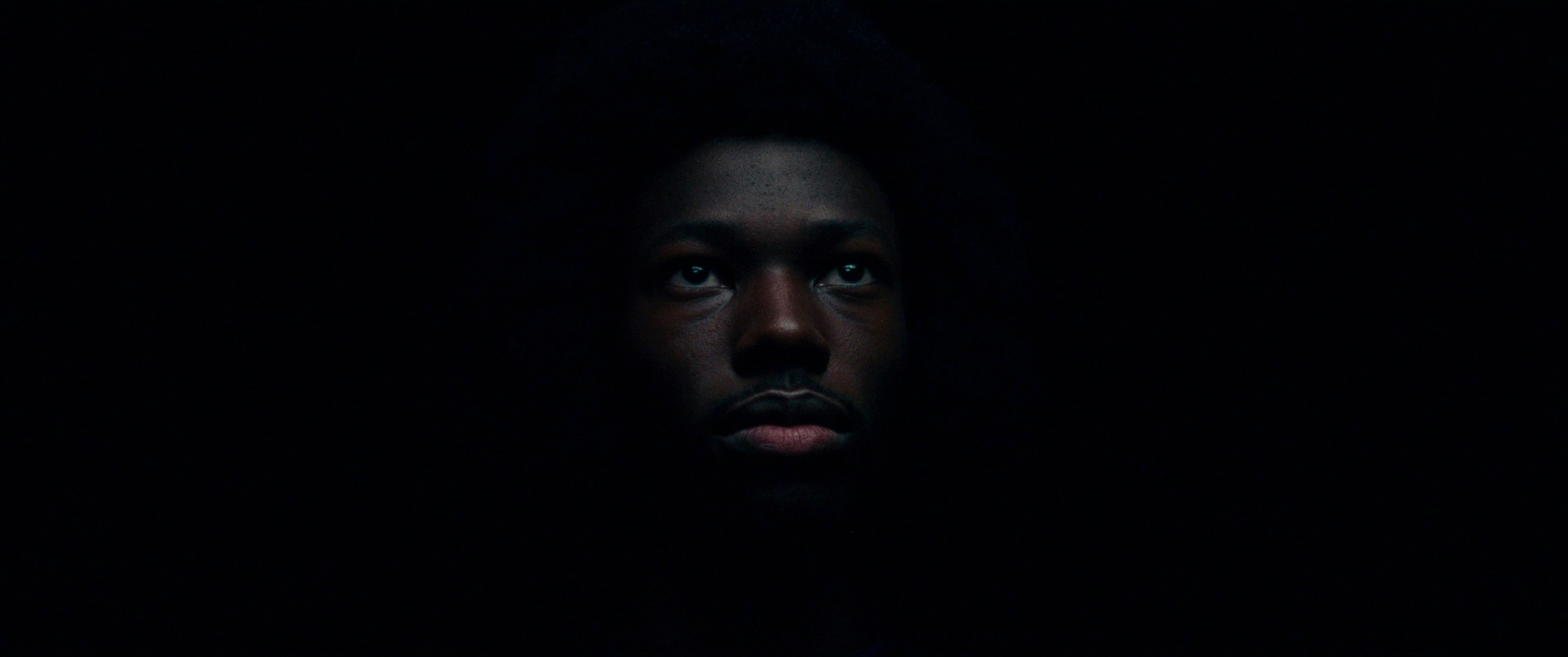


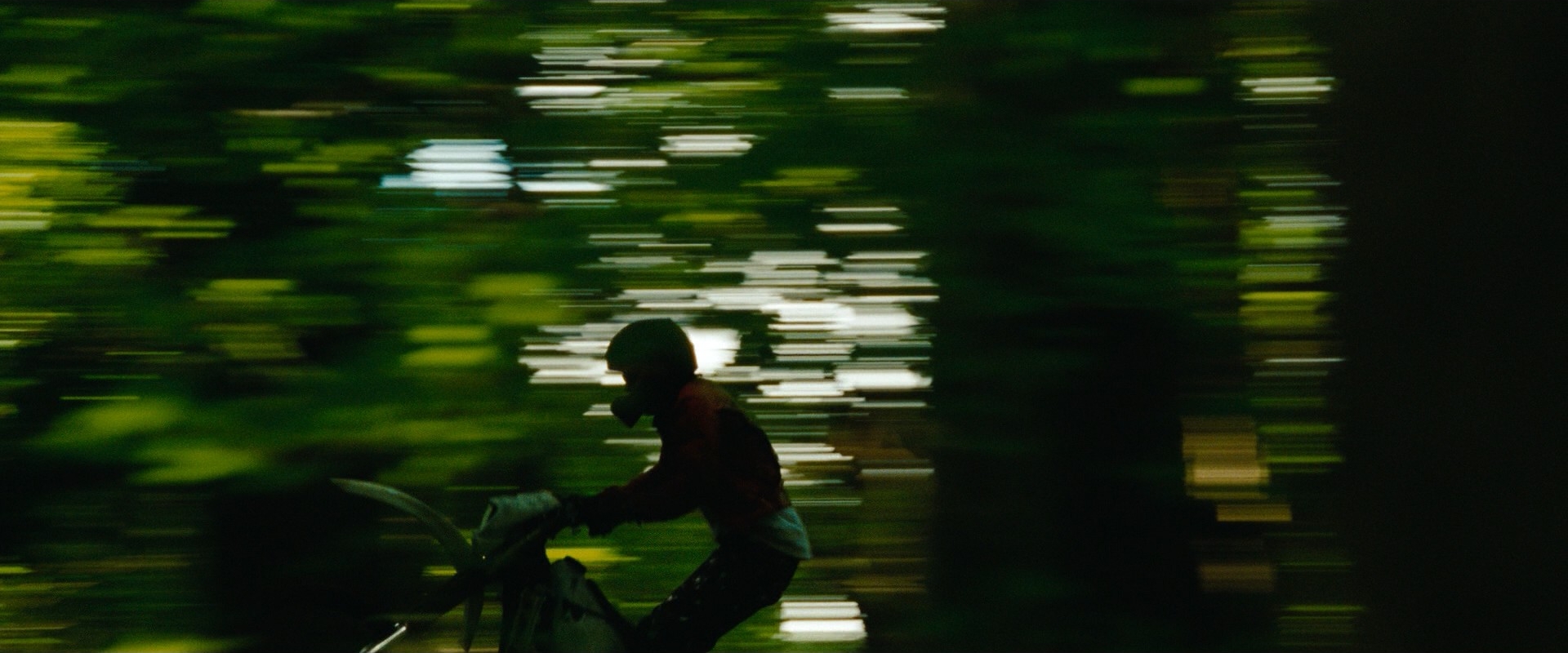
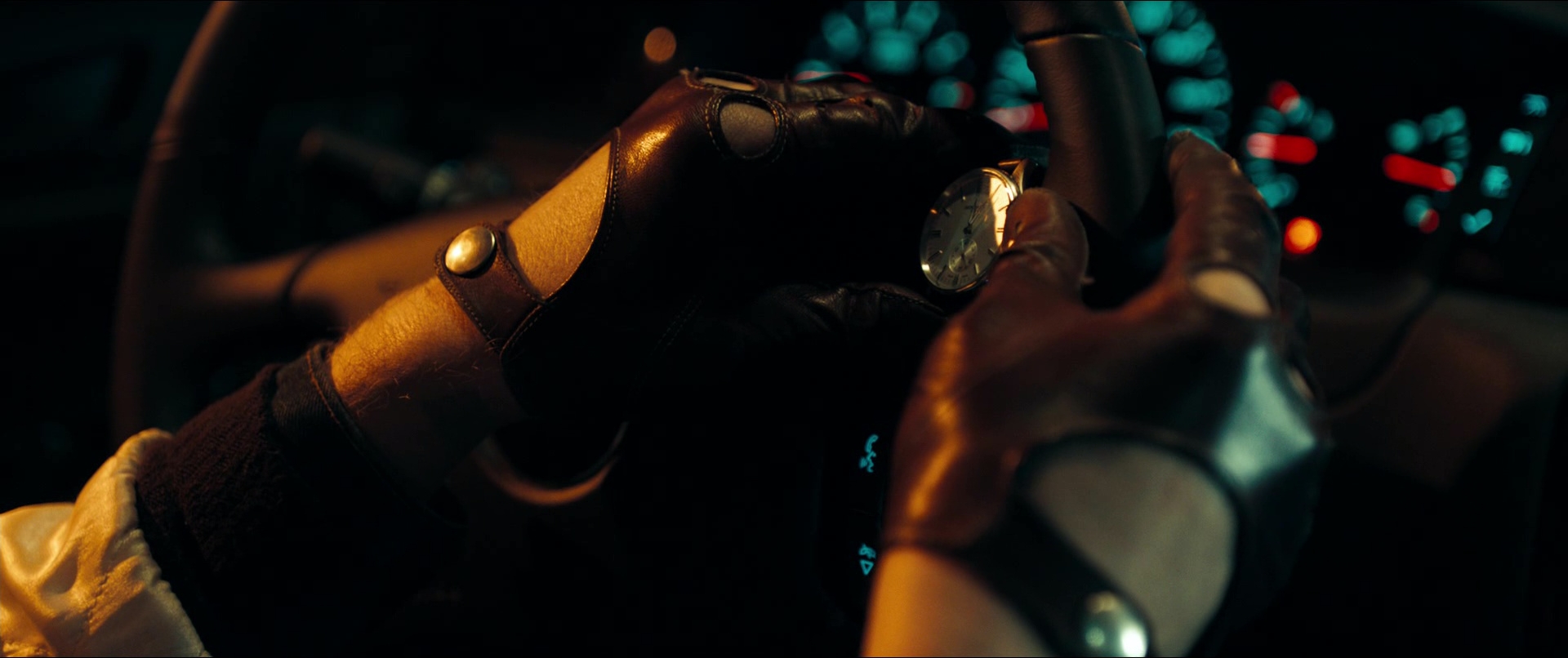

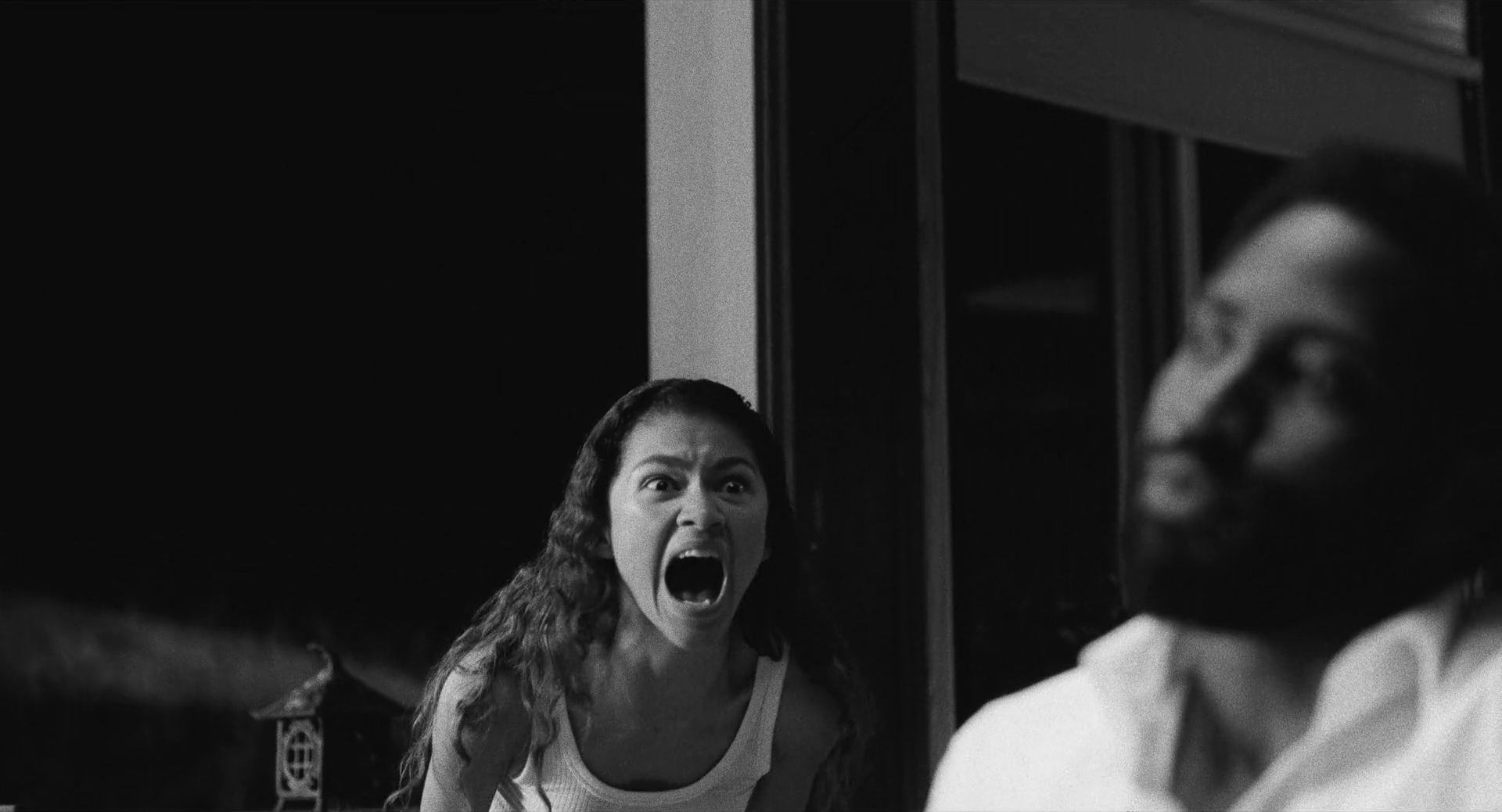
Tom Poole moved from London to New York in 2004 and built a career on a philosophy most colorists spend years unlearning, that the best grade is the one nobody notices. His work on 12 Years a Slave and Spotlight sits inside two different Best Picture winners, proof that restraint reads as prestige when the material calls for it, and his early run with Drive and The Place Beyond the Pines helped define the neon-noir palette an entire decade of American independent film then spent copying. He became the first colorist promoted to Chief Creative Officer at Company 3, and in 2017 was accepted into the Academy of Motion Picture Arts and Sciences, one of a small handful of colorists ever granted membership. Three Hollywood Post Alliance Awards for Outstanding Color Grading confirm what directors already knew, that his instinct is to protect an image rather than reshape it.
Learn More →Signature Traits
Major Works
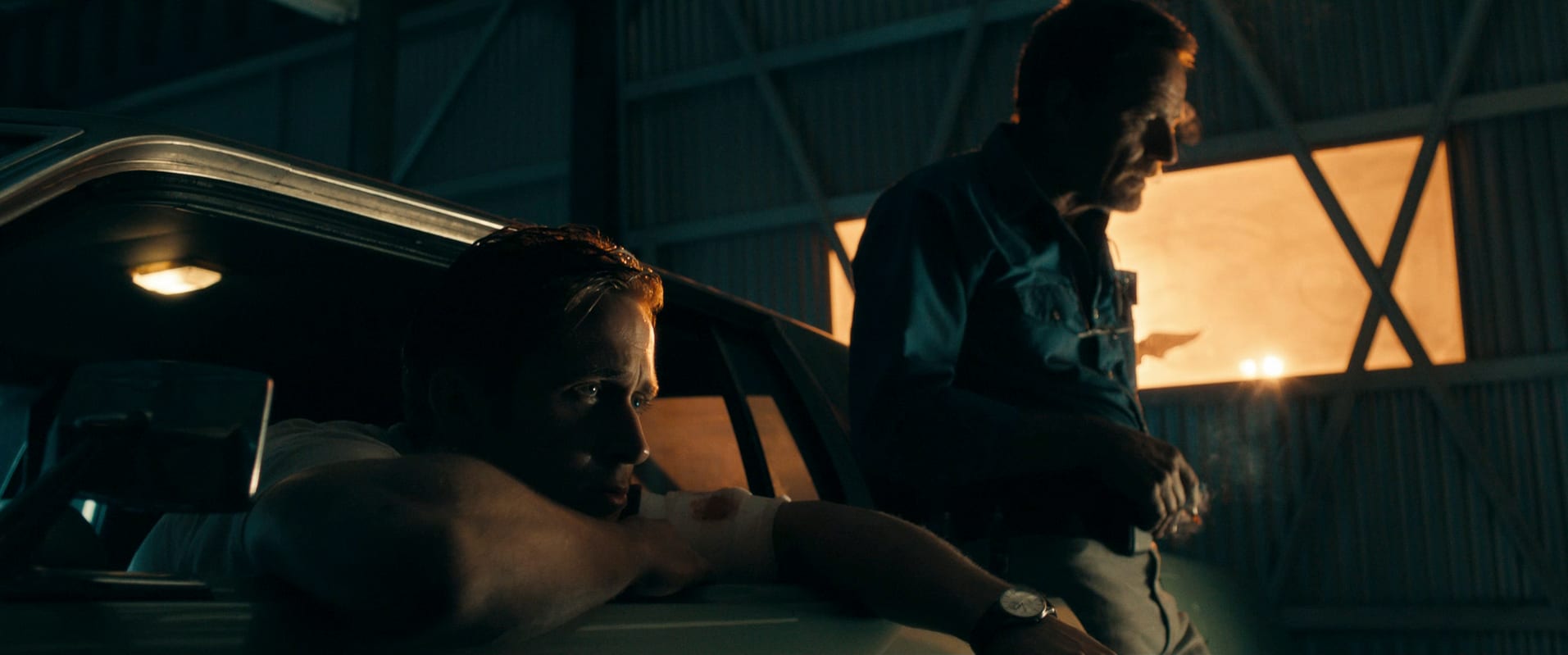
Drive (2011)
His breakout feature credit, the neon and pink-toned Los Angeles palette that became shorthand for an entire genre of crime film afterward.
The Place Beyond the Pines (2012)
A grittier, naturalistic register than Drive in the same era, proof his range extended past the look he had just made famous.
Twelve Years a Slave (2013)
Best Picture winner, graded with deliberate restraint so the color never undercut the weight of what the film was actually depicting.
BlacKkKlansman (2018)
Spike Lee's 1970s period piece, grading tuned to a specific decade without tipping into pastiche.