Dream Maker

CD Projekt Red was founded in Warsaw in 1994 by two friends who started out importing and localizing Western games for the Polish market before deciding to build their own. That path shaped everything that followed, a Polish studio steeped in Andrzej Sapkowski's Witcher novels, translating literary fantasy into a trilogy that argued player choice could carry the weight of real moral consequence. Cyberpunk 2077 arrived in 2020 as a catastrophe of its own making, a broken launch on last generation consoles that nearly cost the studio its reputation. Then something rare happened, years of patient rework, the 2.0 update, and the Phantom Liberty expansion turned public failure into one of gaming's most complete redemption arcs, helped along by an anime tie in that introduced Night City to an audience that never touched a controller. Few studios have shipped both a genuine disaster and a genuine masterpiece under the same name and lived to tell a coherent story about it.
Learn More →Signature Traits
Major Works
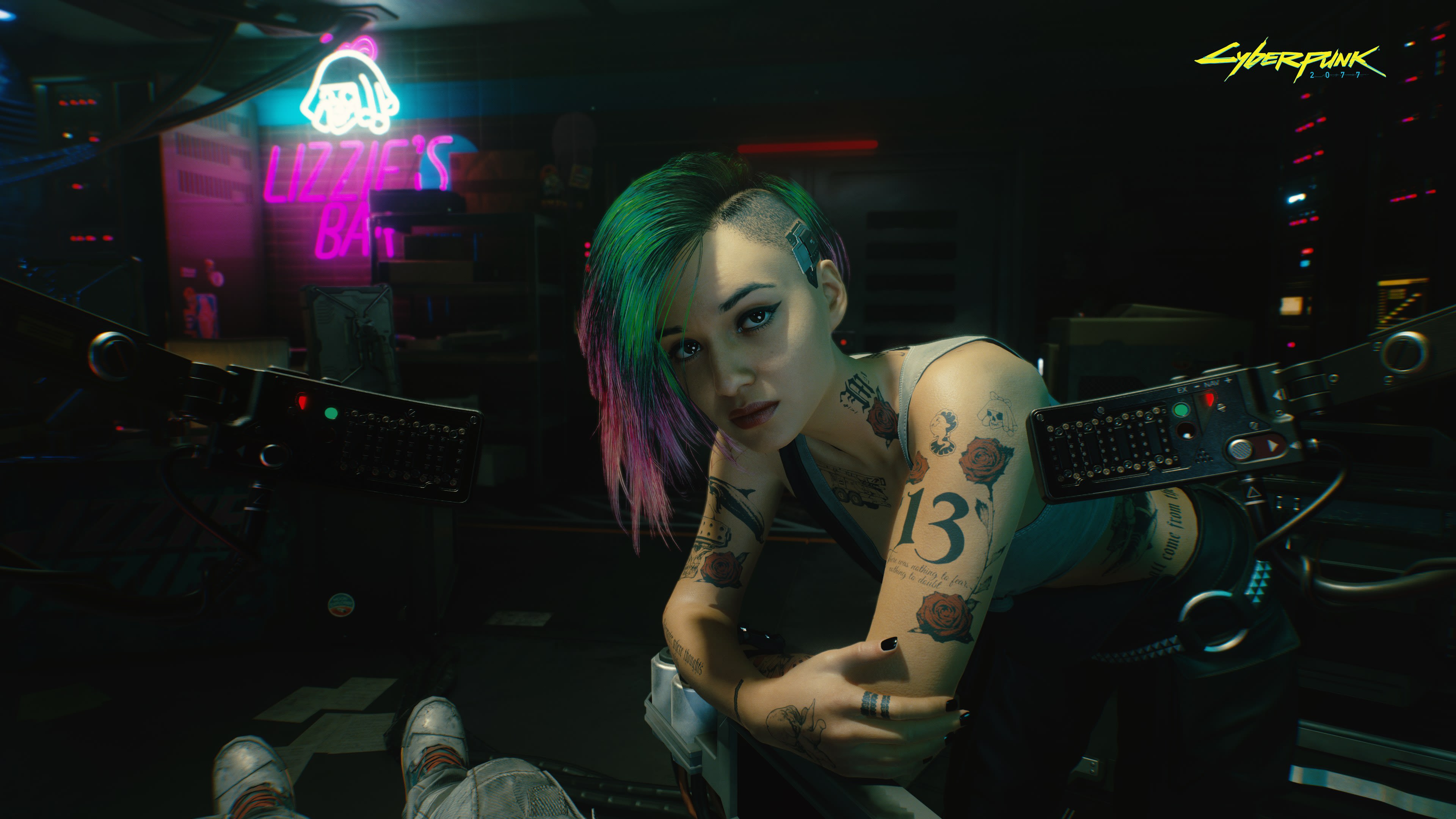
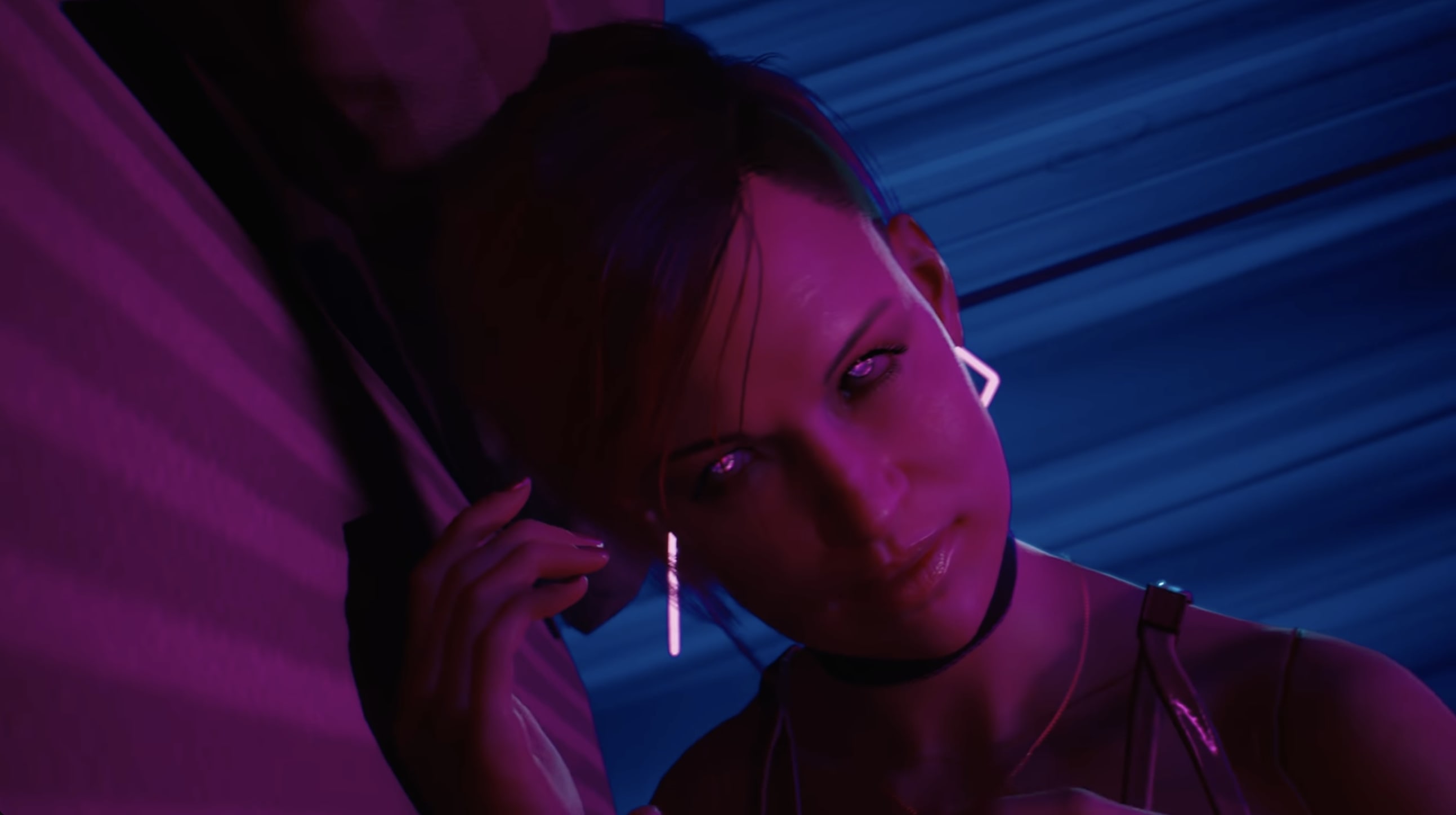
Cyberpunk 2077 (2020)
A launch disaster on last gen consoles rebuilt over three years into Night City's fullest version. The 2.0 update and Phantom Liberty expansion turned a punchline into one of the best RPGs of its generation.
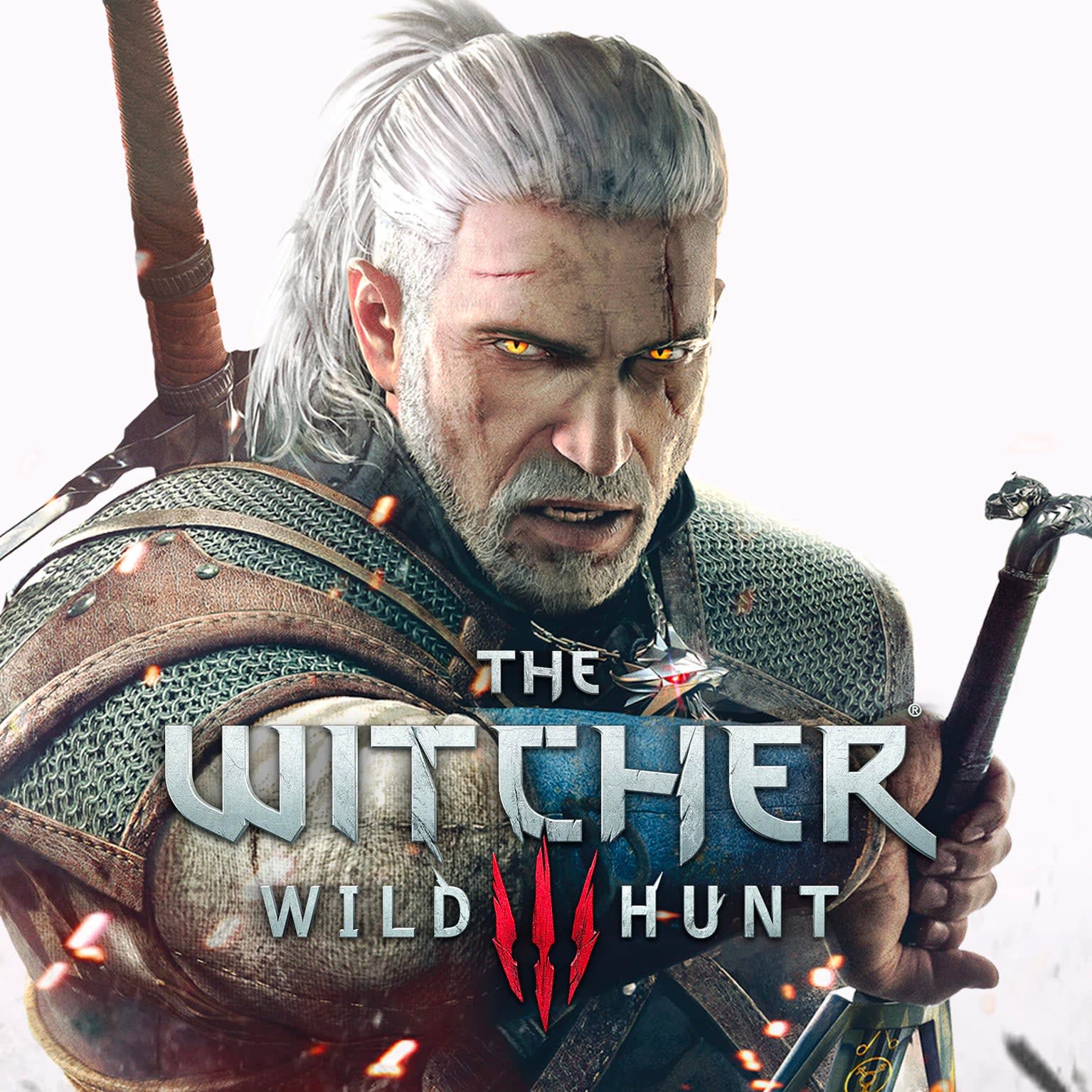
The Witcher 3: Wild Hunt (2015)
Geralt hunting his adopted daughter across a war torn continent while every side quest carries the moral weight of the main one. Still the genre's high water mark for choice with real consequence.
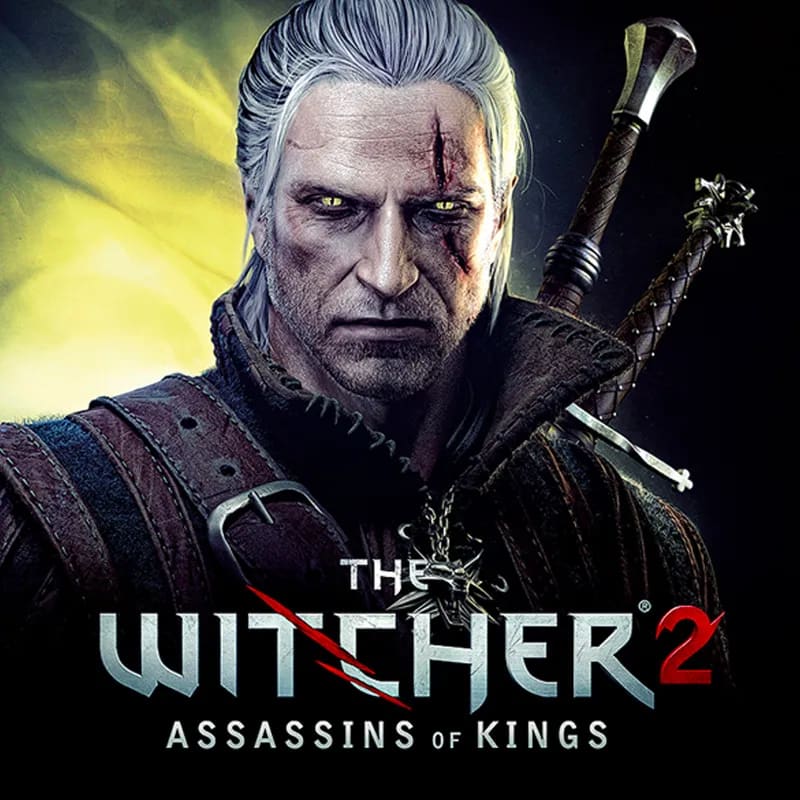
The Witcher 2: Assassins of Kings (2011)
A branching second act that diverges so completely between paths that players compared notes to realize they'd played different games. The moment CD Projekt Red proved Witcher wasn't a one game studio.
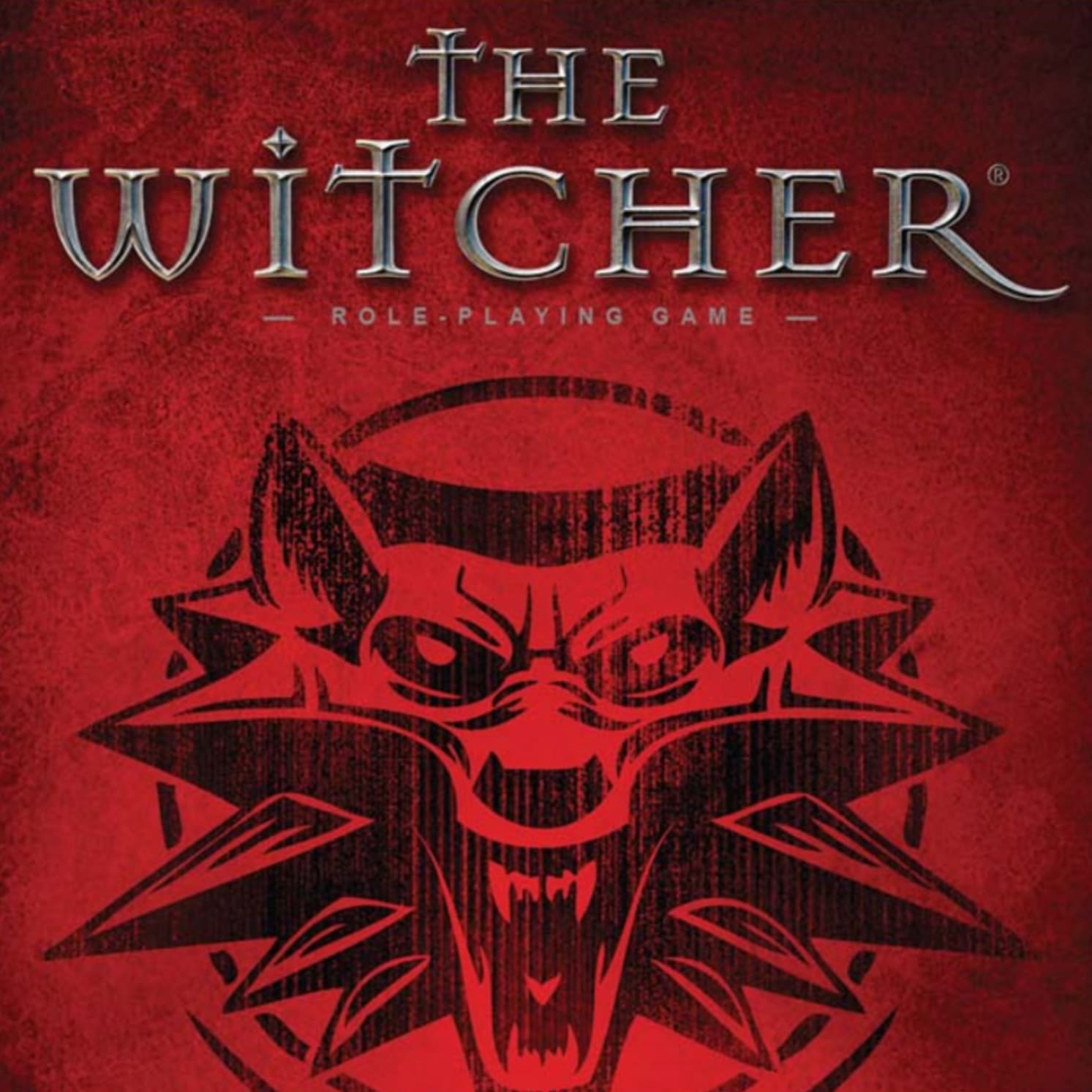
The Witcher (2007)
A regicide mystery built from Sapkowski's novels, unpolished but unmistakably the studio's founding argument, that a video game could carry literary weight.